 WhatsApp Us (24/7)
 +91 926 888 0303 (24/7)


To Book an Appointment
Call Us+91 926 888 0303What is Robotic Hysterectomy: A Safer, Faster Recovery Option for Women
By Dr. Anuradha Kapur in Obstetrics And Gynaecology , Robotic Surgery , Gynaecologic Laparoscopy
Aug 25 , 2025 | 3 min read

For many women, the decision to undergo a hysterectomy can feel difficult. Whether it's due to ongoing discomfort or a health condition, surgery often brings concerns about pain, recovery time, and life after the procedure. However, due to advancements in medical technology, the way hysterectomies are performed is changing—and for the better.
Robotic-assisted hysterectomy is leading this change. It offers women a gentler, more precise option with quicker healing and less physical stress. This approach is helping women return to their routines faster, with fewer complications and greater comfort.
How Robotic Hysterectomy Works
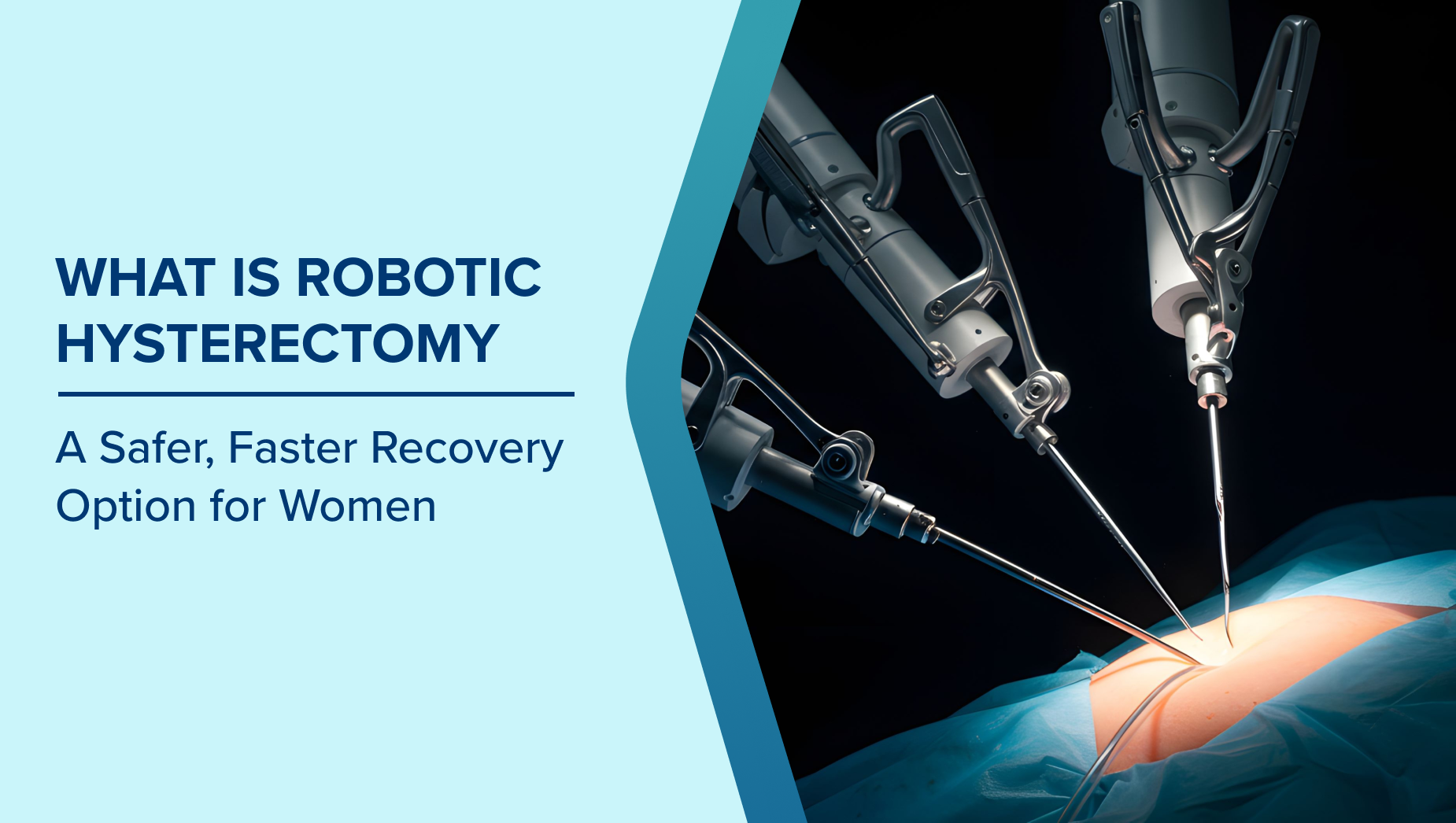
In robotic surgery, the doctor uses advanced instruments that are connected to a robotic system. The surgeon controls these tools through a special console, which offers a detailed view of the inside of the body and allows for very precise movements.
Instead of making a large cut, the surgery is done through a few small incisions. This means less damage to surrounding tissues, minimal blood loss, and a much easier recovery for the patient.
Faster Recovery, Less Downtime
One of the most significant benefits of robotic-assisted hysterectomy is the shorter recovery time. With traditional surgery, healing could take several weeks, but robotic surgery speeds this up.
- Many women go home the same day or the next.
- Light activities are usually possible within a few days.
- Full recovery often happens within two to three weeks.
This faster recovery means less time away from work, family, and daily life. Women can return to their routines with more energy and less discomfort.
Minimal Pain and Scarring
Since robotic hysterectomy involves small incisions, women experience less pain after surgery. There's also a reduced risk of infection and fewer complications.
- Most women need fewer pain medications.
- Scarring is minimal and fades over time.
- Movements like walking and getting up are easier post-surgery.
All of this adds up to a more comfortable healing experience.
Improved Surgical Precision
With robotic tools, the surgeon has a better view and better control. The system helps with steady movements, even in hard-to-reach areas.
This high level of accuracy:
- Reduces the risk of injury to nearby organs.
- Makes the surgery safer and more efficient.
- Results in better overall outcomes for the patient.
Women can feel more at ease knowing that their procedure is performed with both skill and advanced technology.
Confidence Through Comfort
Surgery can be emotionally challenging. But when recovery is smooth, pain is low, and results are positive, women often feel more confident and in control of their health journey.
Robotic-assisted hysterectomy supports not just physical healing but also emotional well-being. Knowing that you can bounce back faster brings peace of mind.
Read More: Do's And Don't's Post Hysterectomy
Why More Women Are Choosing Robotic Hysterectomy
In today's busy world, women often juggle many roles. A long and painful recovery doesn't fit easily into that picture. That's why more women are asking for robotic hysterectomy when it's time for surgery.
It offers:
- A safer, more modern approach
- Faster return to normal activities
- Fewer physical and emotional hurdles
Robotic surgery is making a major difference in how women experience and recover from hysterectomy.
Conclusion
As technology continues to grow, so does the quality of care. Robotic-assisted hysterectomy is not just a new technique—it's a new way of thinking about women's health. It's about offering comfort, safety, and support during a big life decision.
If you're considering a hysterectomy or want to learn more about your options, speak to your doctor about robotic-assisted surgery. It could be the step toward a faster, easier recovery and a healthier future. And remember—if pain persists or feels unusual during recovery, always see your healthcare provider for timely guidance and care.
Frequently Asked Questions
Is robotic hysterectomy safe?
Yes, it is considered a safe and effective option when performed by trained surgeons. It reduces the risk of complications and supports quicker healing.
How soon can I go back to work after a robotic hysterectomy?
Many women return to light work within 1-2 weeks. However, this depends on your body and job type. Always follow your doctor's advice.
Will I be in pain after robotic surgery?
Most women report mild discomfort. Since the cuts are small, pain is less compared to open surgery and can be managed easily with medications.
Does robotic surgery leave big scars?
No, the incisions are very small—usually less than an inch. Scars are minimal and tend to heal quickly with proper care.
Can robotic surgery be used for all types of hysterectomy?
Robotic-assisted surgery is suitable for many, but not all, cases. Your surgeon will assess your medical condition and suggest the best approach.
Written and Verified by:

Related Blogs

Dr. Manju Khemani In Obstetrics And Gynaecology
Oct 27 , 2020 | 3 min read

Dr. Neera Aggarwal In Obstetrics And Gynaecology , Nutrition And Dietetics
Nov 07 , 2020 | 7 min read
Blogs by Doctor

Understanding Polycystic Ovary Syndrome (PCOS)
Dr. Anuradha Kapur In Obstetrics And Gynaecology
Apr 30 , 2019 | 2 min read

Abnormal Uterine Bleeding (AUB)
Dr. Anuradha Kapur In Obstetrics And Gynaecology
Jun 01 , 2020 | 1 min read
Most read Blogs

Related Blogs
Dr. Manju Khemani In Obstetrics And Gynaecology
Oct 27 , 2020 | 3 min read
Dr. Neera Aggarwal In Obstetrics And Gynaecology , Nutrition And Dietetics
Nov 07 , 2020 | 7 min read
Blogs by Doctor
Understanding Polycystic Ovary Syndrome (PCOS)
Dr. Anuradha Kapur In Obstetrics And Gynaecology
Apr 30 , 2019 | 2 min read
Abnormal Uterine Bleeding (AUB)
Dr. Anuradha Kapur In Obstetrics And Gynaecology
Jun 01 , 2020 | 1 min read
Most read Blogs