 WhatsApp Us (24/7)
 +91 926 888 0303 (24/7)


To Book an Appointment
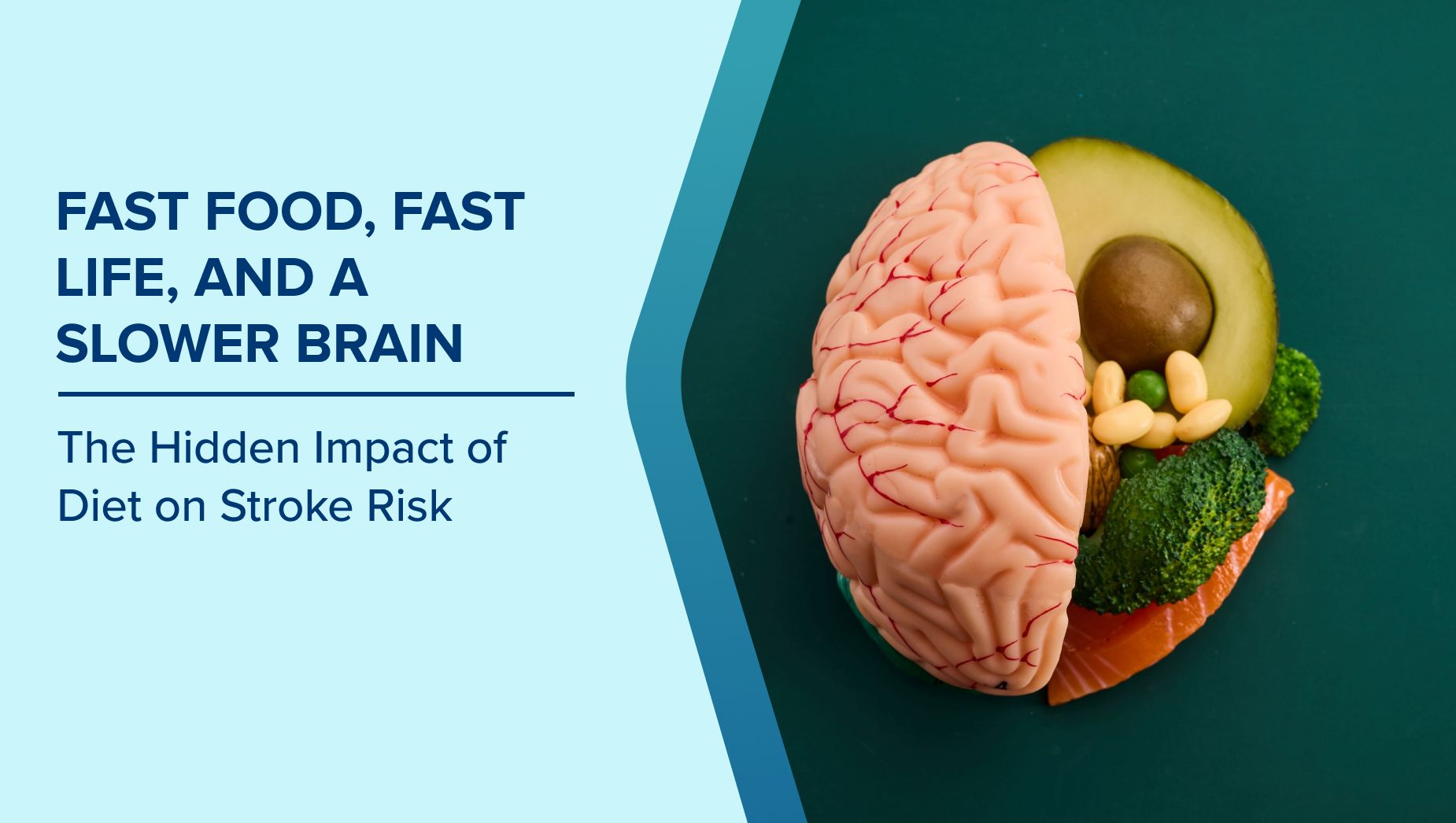
Call Us+91 926 888 0303Fast Food, Fast Life, and a Slower Brain: The Hidden Impact of Diet on Stroke Risk
By Dr. Manoj Khanal in Neurosciences , Interventional Neurology , Neurology
Nov 06 , 2025 | 4 min read

You grab a burger on your way to a busy meeting, skip lunch in favour of a soda and snack, and feel too drained for exercise by evening. Modern life often means fast food, fast pace, and a growing toll on your brain. The foods that ease your hunger quickly may be quietly increasing your stroke risk factors, while the lifestyle that suits your schedule may harm your brain health and nutrition.
The Fast Food Culture and Brain Health
Fast food, ultra-processed meals and high-sodium snacks dominate many routines. They may seem convenient, but they also raise questions about how diet affects stroke risk in multiple ways.
- Processed and high-salt foods raise blood pressure, making blood vessels in the brain vulnerable.
- Saturated fats, trans fats and excessive sugar promote plaque buildup in arteries, reducing blood supply to the brain.
- Fast life means skipped meals, irregular eating, low fibre intake and minimal whole foods, all factors in elevated stroke risk.
- Stress-driven eating, late-night meals and sedentary time worsen the impact. Eating becomes disconnected from movement and rest.
- Even beverages count: High consumption of sweetened drinks or sodas correlates with increased stroke events.
Actionable takeaway: Replace one fast-food meal per week with a home-prepared plate filled with vegetables, lean protein, whole grains and water. This small switch begins to shift your diet away from danger.
Understanding Stroke and Its Risk Factors
A stroke happens when the blood supply to part of your brain is interrupted or blocked. Without timely treatment, the brain cells in that area start to die. Some well-known stroke risk factors include high blood pressure, smoking, diabetes and high cholesterol. But importantly, diet and lifestyle tie directly into this risk.
- High sodium and processed food intake boost hypertension, a leading cause of stroke.
- A Western-style diet high in red meat, processed foods and sugary drinks is associated with increased stroke risk.
- Conversely, healthy eating patterns, such as the Mediterranean diet, are associated with lower stroke incidence.
Actionable takeaway: Track your blood pressure and sodium intake. Aim to keep your daily salt intake low and read food labels to avoid hidden sources of salt.
How Poor Diet Affects the Brain
Your brain depends on steady, healthy blood flow and nutrients. An unhealthy diet undermines both.
- Inflammation and Blood Vessel Damage: Fast food and processed meals trigger chronic inflammation in your body. Inflammation weakens arteries, including those that feed the brain.
- High Blood Pressure and Plaque Buildup: Salt and unhealthy fats raise blood pressure and stiffen arteries. This reduces cerebral blood flow and elevates stroke risk.
- Reduced Cognitive Function and Slower Brain: When a diet lacks whole grains, healthy fats and micronutrients, your brain may struggle to keep up. Improved diet quality is linked to better memory and faster brain speed.
Actionable takeaway: Increase consumption of antioxidant-rich foods such as berries, leafy greens, and nuts. These help fight inflammation and protect brain health.
The Role of Lifestyle: Beyond Just Food
Diet matters, but the environment around your food matters too. Your lifestyle plays a powerful supporting role in heart and brain health.
Stress, Sleep and Sedentary Habits
- Chronic stress elevates blood pressure and weakens the immune system.
- Poor sleep reduces the brain’s ability to recover and clear toxins.
- Sitting for long periods slows circulation and raises stroke risk.
Physical Activity
Regular movement keeps arteries supple, supports blood flow to the brain and lowers the risk of stroke.
Actionable takeaway: Break up sitting time every hour with a 2-minute walk. Aim for 150 minutes of moderate activity every week.
Preventing Stroke Through Diet and Lifestyle
Here are foods that increase stroke risk and those that support brain and heart health.
Foods to Limit or Avoid
- Ultra-processed meals (frozen dinners, fast food sandwiches)
- Processed meats, red meats and high-fat dairy
- Sweetened sodas and sugary drinks
- Excess salt and high-saturated fat snacks
Foods to Embrace for Brain Health
- Whole grains (oats, barley, brown rice)
- Leafy greens and colourful vegetables
- Berries, citrus fruits, nuts, seeds
- Fatty fish (salmon, mackerel) with omega-3 fats
Lifestyle Checklist for Brain and Heart Protection
- Adopt a heart-healthy diet rich in plants, fibre and healthy fats
- Limit salt, sugar and processed food intake
- Stay physically active, 30 minutes a day or 150 minutes each week
- Manage stress via mindfulness, walks or relaxation
- Prioritise 7–9 hours of good quality sleep
- Avoid smoking and limit alcohol intake
Actionable takeaway: Create a weekly “brain-healthy plate” plan. Select one meal each day that includes vegetables, whole grains and a lean protein source. Rotate your meals to keep them fresh.
Conclusion
A fast-paced lifestyle combined with frequent consumption of fast food can take a serious toll on your brain and blood vessel health. The hidden impact of diet on stroke risk is real and all around you. By choosing whole foods, limiting processed meals, staying active and resting well, you give your brain the best chance at long-term health. The road to prevention starts with simple swaps, steady habits and mindful living. Protect your brain today so you can enjoy every tomorrow.
Frequently Asked Questions
Can a vegetarian diet lower the risk of stroke?
Yes, a diet high in fruits, vegetables and whole grains supports vascular health. However, vegetarian diets do not guarantee lower stroke risk if other habits remain poor.
How does dehydration impact stroke risk?
Dehydration thickens blood, raises pressure and can impair circulation to the brain. Staying well-hydrated supports healthy blood flow to the heart and brain.
Is caffeine consumption linked to stroke or brain health?
Moderate caffeine intake appears safe for most people, but excessive caffeine, combined with high salt intake, fast food, or little sleep, may raise vascular stress. Balance and timing matter.
How often should one check cholesterol and blood pressure for stroke prevention?
Adults should typically measure their blood pressure at least once a year if they are healthy. Cholesterol may need testing every 4–6 years or more often if you have risk factors like diet, smoking or family history.
Does family history outweigh diet when it comes to stroke risk?
Family history certainly raises your baseline risk, but diet, exercise, sleep, and other lifestyle factors often account for most of the risk in most people. Good habits can tilt the odds in your favour.
Written and Verified by:

Related Blogs

Dr. Chandril Chugh In Neurosciences , Interventional Neurology
Nov 08 , 2020 | 1 min read

Dr. Chandril Chugh In Neurosciences , Interventional Neurology
Nov 08 , 2020 | 2 min read
Blogs by Doctor

Monsoon Maladies - Most Common Diseases
Dr. Manoj Khanal In Neuro Oncology
Jun 27 , 2014 | 1 min read

Feeling Numbness? It Could be A Stroke- Beware!
Dr. Manoj Khanal In Neurosciences
Sep 02 , 2016 | 3 min read
Most read Blogs


Related Blogs
Dr. Chandril Chugh In Neurosciences , Interventional Neurology
Nov 08 , 2020 | 1 min read
Dr. Chandril Chugh In Neurosciences , Interventional Neurology
Nov 08 , 2020 | 2 min read
Blogs by Doctor
Monsoon Maladies - Most Common Diseases
Dr. Manoj Khanal In Neuro Oncology
Jun 27 , 2014 | 1 min read
Feeling Numbness? It Could be A Stroke- Beware!
Dr. Manoj Khanal In Neurosciences
Sep 02 , 2016 | 3 min read
Most read Blogs