 WhatsApp Us (24/7)
 +91 926 888 0303 (24/7)


To Book an Appointment
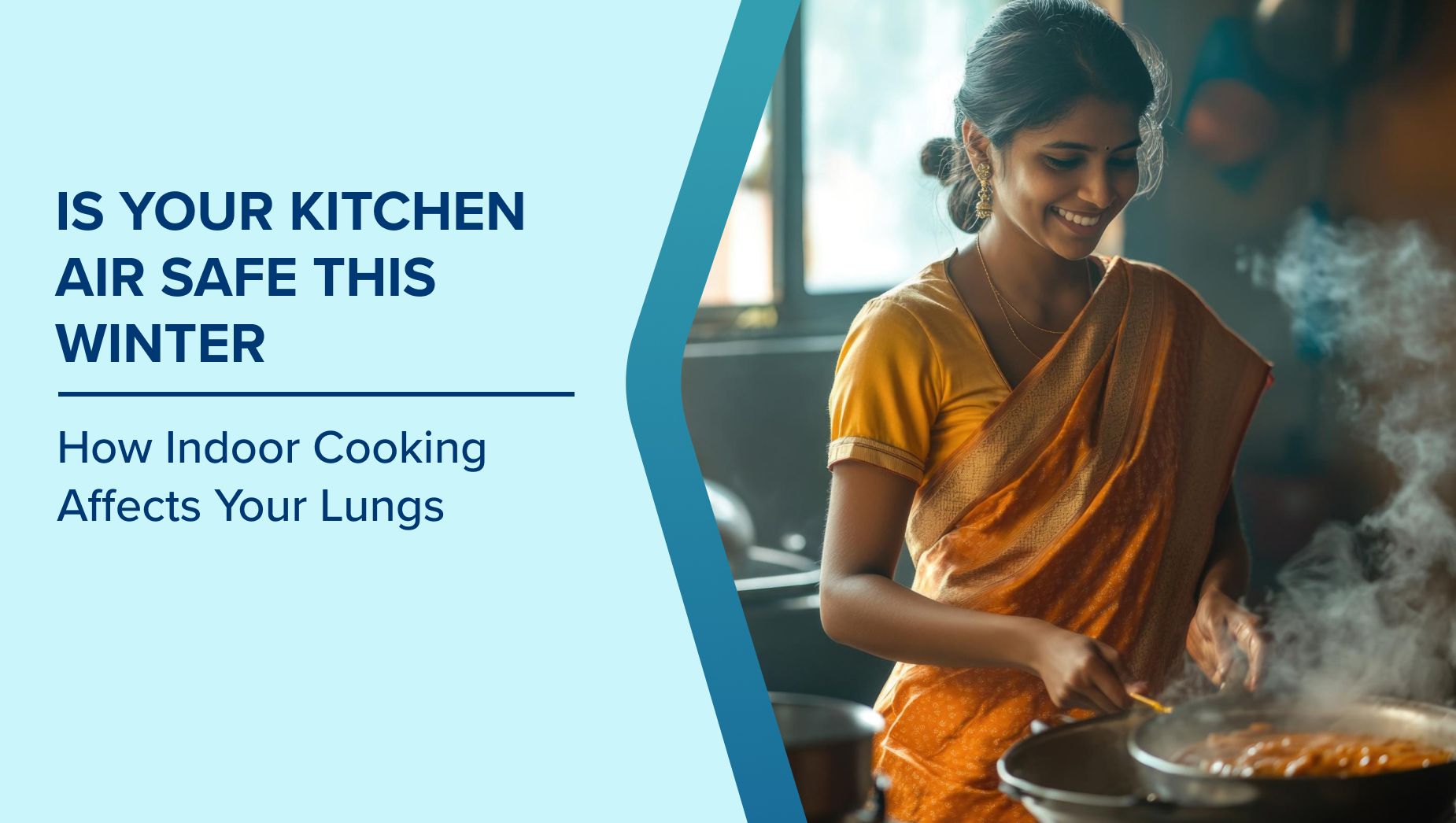
Call Us+91 926 888 0303Is Your Kitchen Air Safe This Winter? How Indoor Cooking Affects Your Lungs
By Dr. Shivanshu Raj Goyal in Pulmonology
Dec 05 , 2025 | 6 min read

As winter sets in, the comforting aroma of warm meals fills our homes. Soups simmer on the stove, breads bake in the oven, and heaters hum in the background. Yet, behind this sense of comfort lies a silent concern: indoor air pollution. With windows shut tight to keep out the cold, indoor pollutants from cooking can build up, affecting the very air we breathe.
While most of us associate air pollution with outdoor traffic and industrial smoke, the reality is that the air inside our homes can sometimes be even more polluted. Your kitchen, especially during winter, can become a significant source of harmful particles and gases that irritate the lungs and exacerbate respiratory conditions such as asthma, bronchitis, and chronic obstructive pulmonary disease (COPD).
Understanding Indoor Air Quality and Its Link to Lung Health
Indoor air quality describes how clean and fresh the air inside your home is. When the air is filled with pollutants like smoke, fumes, or volatile organic compounds (VOCs), it can affect your health over time. Since the lungs are in constant contact with the air we breathe, they are especially sensitive to these contaminants.
During winter, people usually stay indoors for longer periods and rely on heating devices that may limit air circulation. As a result, pollutants can build up easily. Breathing in this stagnant, polluted air for a long time can lead to airway irritation, coughing, shortness of breath, and other lasting respiratory issues.
How Kitchen Fumes Affect Your Lungs
Cooking is an essential part of life, but it can produce more than just pleasant smells. When oils, fats, and food particles are heated, they release gases and tiny particles into the air. These particles, often invisible, can penetrate deep into the lungs and cause inflammation.
Gas stoves, in particular, release nitrogen dioxide and carbon monoxide, both of which are harmful to respiratory health. Prolonged exposure to these gases can irritate the lungs, increase susceptibility to infections, and worsen existing respiratory conditions.
Even electric stoves and ovens are not entirely risk-free. Overheating oils and burning food can produce fine particulate matter (PM2.5), which can linger in the air long after cooking is done.
The Role of Poor Ventilation During Winter
In the colder months, people often close windows and doors to keep warm. While this helps retain heat, it also traps indoor air pollutants. Without proper ventilation, the concentration of gases and fumes in the kitchen can rise significantly, especially during heavy cooking sessions.
Steam, smoke, and odours may seem harmless at first, but they indicate the presence of airborne particles that can irritate your lungs and eyes. Continuous exposure to these pollutants can also cause Fatigue, headaches, and throat irritation.
Inadequate ventilation means that your kitchen lacks the airflow needed to disperse these contaminants, allowing them to circulate and settle in other areas of your home.
Common Indoor Cooking Pollutants and Their Effects
Cooking produces several invisible pollutants that can harm respiratory health. Here are some of the most common ones found in household kitchens:
- Nitrogen Dioxide (NO₂): Released by gas stoves, this gas irritates the lungs' linings and reduces oxygen exchange. Long-term exposure can increase the risk of asthma and other chronic lung conditions.
- Carbon Monoxide (CO): A colourless, odourless gas that can cause dizziness, fatigue, and, in high amounts, serious poisoning. Poorly ventilated kitchens with gas stoves are the main sources.
- Particulate Matter (PM2.5): These ultra-fine particles can travel deep into the lungs and even enter the bloodstream, contributing to inflammation and cardiovascular strain.
- Volatile Organic Compounds (VOCs): Released from overheated oils and cleaning agents, VOCs can trigger respiratory irritation and allergic reactions.
- Formaldehyde: Emitted when cooking at high temperatures or burning food, formaldehyde is a known irritant that affects the eyes, nose, and throat.
Signs That Your Kitchen Air Might Be Harming You
You may not always notice poor air quality, but your body often gives warning signs. Common symptoms of prolonged exposure to kitchen fumes include:
- Persistent coughing or throat irritation
- Shortness of breath while cooking
- Itchy or watery eyes
- Unexplained fatigue or headaches
- A musty or smoky smell lingering in the kitchen
If these symptoms appear only while you are in or near the kitchen, it’s a strong indicator that air quality might be the culprit.
How to Keep Your Kitchen Air Clean and Safe
Keeping your kitchen air clean doesn’t require complicated equipment, just consistent awareness and a few smart habits.
- Ensure Proper Ventilation: Keep windows slightly open when cooking, even in winter, to allow fresh air to circulate. Use an exhaust fan or chimney to draw out fumes and smoke.
- Maintain Your Appliances: Gas stoves, ovens, and chimneys should be regularly cleaned and serviced to prevent gas leaks and soot accumulation.
- Avoid Overheating Oils: Cooking oils release toxic fumes when heated beyond their smoke point. Choose oils with a higher smoke point, such as sunflower or avocado oil, for frying or high-heat cooking.
- Cover Pots and Pans: Covering food while cooking reduces the spread of steam, odours, and particles.
- Choose the Right Cookware: Avoid non-stick cookware that can release toxic fumes when overheated. Opt for stainless steel or cast iron alternatives.
- Keep the Kitchen Clean: Grease and food residue can trap pollutants and release odours. Regular cleaning prevents buildup and improves air quality.
Practical Steps for Better Ventilation in Winter
When cold weather limits how much you can open your windows, you can still improve ventilation in simple ways:
- Install a range hood or extractor fan above your stove and use it consistently while cooking.
- Position your exhaust fan near an open window to encourage airflow.
- Keep interior doors open to prevent pollutants from becoming trapped in one area.
- Use ceiling fans in reverse mode to distribute warm air evenly without stirring up dust.
- Clean and replace filters in kitchen vents or air purifiers regularly.
Good ventilation not only helps your lungs but also prevents mould growth and reduces lingering odours.
Safer Cooking Habits for Lung Health
Protecting your lungs begins with small but meaningful adjustments in your cooking habits.
- Simmer rather than deep fry: Lower-heat cooking reduces smoke and particle release.
- Preheat your oven moderately: Avoid letting ovens smoke before placing food inside.
- Avoid burning food: Charred food produces carcinogenic particles that linger in the air.
- Keep children away from the stove: Young lungs are more sensitive to air pollutants.
- Don’t multitask cleaning while cooking: Mixing fumes from cleaning agents and cooking can increase VOC levels.
When to Seek Medical Advice
If you notice frequent coughing, chest tightness, or difficulty breathing after cooking, it’s important to consult a doctor. These symptoms may indicate respiratory irritation or the worsening of an existing condition such as asthma or COPD.
A healthcare professional may recommend lung function tests or discuss environmental modifications to reduce exposure. Seeking advice early can prevent long-term complications.
Conclusion
A warm kitchen in winter is a comforting sight, but it can also become a hidden source of respiratory problems if not managed carefully. Kitchen fumes, trapped gases, and poor ventilation can all compromise lung health over time.
By improving ventilation, choosing safer cooking methods, and being vigilant for early warning signs, you can protect your lungs while still enjoying the comfort of home-cooked meals. Clean air, after all, is as important to your health as the food you prepare.
FAQs
Can air purifiers really help reduce kitchen pollutants?
Yes, air purifiers equipped with HEPA and activated carbon filters can capture fine particles and absorb odours, making them particularly effective in reducing kitchen smoke and fumes.
What type of cooking oil is least likely to produce harmful fumes?
Oils with a high smoke point, such as sunflower, rice bran, or avocado oil, emit fewer fumes when heated compared to oils with lower smoke points like olive oil or butter.
Is it better to use an induction cooktop for cleaner air?
Yes, induction cooktops do not release gases like nitrogen dioxide, making them cleaner and safer for indoor air quality compared to gas stoves.
How can I check if my kitchen ventilation is effective?
If steam or smoke lingers for more than 15 minutes after cooking, it’s a sign of poor ventilation. You can test airflow by holding a tissue near the exhaust. If it barely moves, airflow is insufficient.
Are gas stoves more harmful than electric ones in terms of air quality?
Gas stoves release combustion gases that electric and induction stoves do not. While both can produce particles from overheated food, gas stoves are generally more polluting without proper ventilation.
Written and Verified by:

Related Blogs

Medical Expert Team
Jun 06 , 2015 | 2 min read

Blogs by Doctor

Climate Change and Tuberculosis: Risks, Challenges & Solutions
Dr. Shivanshu Raj Goyal In Pulmonology
Apr 02 , 2025 | 3 min read
Smoking and Vaping: How They Damage Your Lungs Over Time
Dr. Shivanshu Raj Goyal In Pulmonology
Sep 02 , 2025 | 2 min read
Most read Blogs


Related Blogs
Medical Expert Team
Jun 06 , 2015 | 2 min read
Blogs by Doctor
Climate Change and Tuberculosis: Risks, Challenges & Solutions
Dr. Shivanshu Raj Goyal In Pulmonology
Apr 02 , 2025 | 3 min read
Smoking and Vaping: How They Damage Your Lungs Over Time
Dr. Shivanshu Raj Goyal In Pulmonology
Sep 02 , 2025 | 2 min read
Most read Blogs