 WhatsApp Us (24/7)
 +91 926 888 0303 (24/7)


To Book an Appointment
Call Us+91 926 888 0303How HPV Vaccine Prevent Cervical Cancer: Benefits & Safety
By Dr. Kanika Gupta in Surgical Oncology , Cancer Care / Oncology , Gynecologic Oncology , Robotic Surgery , Gynaecologic Laparoscopy
Apr 20 , 2026

Cervical cancer is highly preventable, yet it impacts a significant number of women each year. A major reason is the lack of awareness around its primary cause and how it can be effectively prevented.
At the centre of this prevention is the Human Papillomavirus (HPV) vaccine. While many have heard about it, questions often arise around how effective it truly is and whether it is safe in the long term.
Understanding how the HPV vaccine works, what protection it offers, and why it is considered a key step in cancer prevention can help individuals make informed healthcare decisions with confidence.
The Link Between HPV and Cervical Cancer
Cervical cancer does not develop suddenly. It is usually the result of long-term infection with certain high-risk types of HPV.
HPV is a common virus that spreads through skin-to-skin contact. In most cases, the body clears the infection naturally. However, when high-risk HPV types persist, they can lead to abnormal changes in cervical cells over time.
These changes may progress gradually and, if not detected or managed early, can develop into cervical cancer.
What makes this important is that preventing HPV infection significantly reduces the risk of these cellular changes from ever beginning.
How the HPV Vaccine Helps Prevent Cervical Cancer
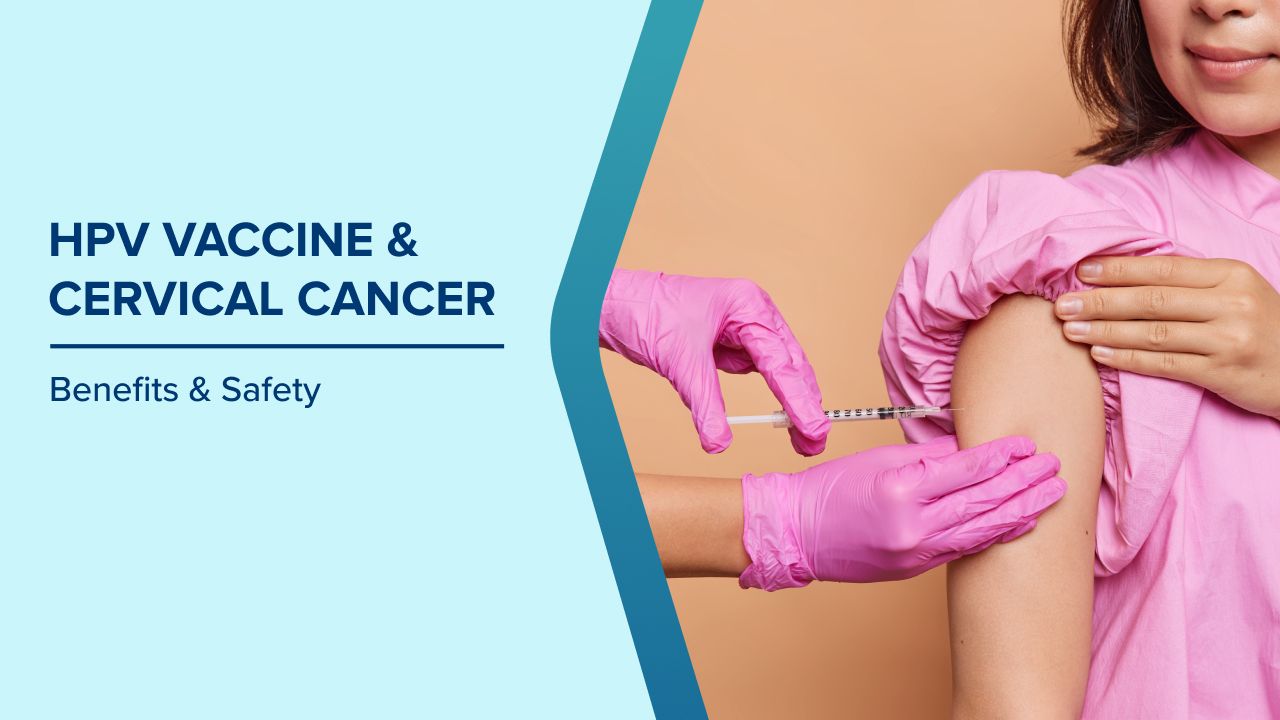
The HPV vaccine is designed to protect against the most common high-risk HPV types responsible for cervical cancer.
It works by preparing the body’s immune system to recognise and respond quickly if exposed to the virus in the future.
Key ways the vaccine contributes to prevention:
- Prevents initial infection from high-risk HPV types
- Reduces the chances of abnormal cell development in the cervix
- Lowers long-term cancer risk when taken before exposure
- Provides lasting immune protection over time
Instead of treating a disease after it develops, the vaccine acts early by stopping the root cause.
Why Prevention Through Vaccination Matters
Cervical cancer often develops silently in its early stages. Symptoms may not appear until the condition has progressed, which makes prevention even more important.
Vaccination offers a proactive approach by reducing risk before any damage begins.
Benefits of focusing on prevention:
- Avoids the need for invasive treatments later
- Reduces the emotional and physical burden of cancer care
- Supports long-term reproductive and overall health
- Helps lower the overall disease burden in the population
Preventive healthcare is always more effective and less stressful than managing advanced conditions.
Understanding the Safety of the HPV Vaccine
One of the most common concerns people have is whether the HPV vaccine is safe.
The vaccine has been widely used across different age groups and is considered safe when administered as recommended.
What You Can Expect After Vaccination
Most individuals experience mild and short-lived reactions, such as:
- Slight pain or swelling at the injection site
- Mild fever
- Temporary fatigue
- Headache or general discomfort
These effects usually settle within a day or two and are a normal sign that the body is building immunity.
Addressing Common Safety Concerns
There is often hesitation around vaccines due to misconceptions or incomplete information.
Concern: Does the vaccine affect fertility?
There is no evidence to suggest that the HPV vaccine affects fertility. In fact, preventing cervical disease helps preserve reproductive health.
Concern: Is the vaccine too strong for younger individuals?
The vaccine is designed to be well-tolerated across recommended age groups and works best when given earlier.
Concern: Can the vaccine cause serious side effects?
Serious reactions are extremely rare. Most people tolerate the vaccine without complications.
Understanding these points helps reduce unnecessary fear and supports confident decision-making.
Who Benefits Most from the HPV Vaccine
The vaccine offers maximum benefit when given before exposure to HPV. However, it can still provide protection later, depending on individual circumstances.
Those who benefit include:
- Individuals who have not yet been exposed to HPV
- Young adults seeking preventive protection
- People looking to reduce long-term cancer risk
- Individuals prioritising proactive health management
The earlier the protection begins, the stronger the long-term benefit.
The Role of Regular Screening Alongside Vaccination
While the HPV vaccine provides strong protection, it does not eliminate the need for regular health check-ups.
Screening plays an essential role in detecting any early changes that may still occur.
A combined approach offers the best protection:
- Vaccination reduces the risk of infection
- Screening helps detect any changes early
- Timely care ensures better outcomes
This balanced strategy supports both prevention and early detection.
Long-Term Benefits of HPV Vaccination
The impact of HPV vaccination goes beyond immediate protection.
Over time, it contributes to:
- Reduced incidence of cervical cancer
- Lower need for complex medical treatments
- Improved quality of life
- Greater awareness around preventive healthcare
Emotional and Psychological Reassurance
Health-related uncertainty can create anxiety, especially when it comes to conditions like cancer. Choosing preventive measures such as vaccination provides a sense of control and reassurance.
Knowing that a proactive step has been taken can reduce worry and support overall well-being.
Making an Informed Decision
Deciding whether to take the HPV vaccine should be based on a clear understanding rather than fear or assumptions.
Points to consider:
- Personal health priorities
- Long-term risk reduction
- Preventive versus reactive care
- Medical guidance and individual suitability
Consulting a healthcare professional can help clarify what is right for each individual.
Conclusion
The HPV vaccine plays a significant role in reducing the risk of cervical cancer by addressing its primary cause before it leads to complications.
It is not just about protection in the present but about safeguarding long-term health. With a strong safety profile and clear preventive benefits, the vaccine offers a reliable way to reduce future health risks.
Understanding its role allows individuals to move from uncertainty to informed action. Prevention begins with awareness, and awareness leads to better health decisions.
Frequently Asked Questions
1. Can the HPV vaccine still be useful if someone is already an adult?
Yes, adults can still benefit from the vaccine depending on their exposure risk and health profile. A doctor can guide suitability.
2. How long does the protection from the HPV vaccine last?
The vaccine provides long-lasting protection and supports sustained immunity over many years.
3. Is there a need to repeat the vaccine later in life?
Routine booster doses are not commonly required, but recommendations may evolve based on individual health needs.
4. Can the vaccine be taken alongside other vaccinations?
Yes, it can usually be administered with other vaccines, but spacing may be advised in certain cases.
5. Does the vaccine protect against all types of HPV?
It protects against the most high-risk types linked to cervical cancer, though not every single strain.
Written and Verified by:

Related Blogs

Dr. S. VEDA PADMA PRIYA In Surgical Oncology , Cancer Care / Oncology
May 16 , 2016 | 2 min read

Dr. Kanika Batra Modi In Surgical Oncology , Cancer Care / Oncology
May 26 , 2016 | 4 min read
Blogs by Doctor

Do You Know Reducing Your Risk of Cancer is Easier than You Think!
Dr. Kanika Gupta In Cancer Care / Oncology
Nov 28 , 2017 | 1 min read

Most read Blogs


Related Blogs
Dr. S. VEDA PADMA PRIYA In Surgical Oncology , Cancer Care / Oncology
May 16 , 2016 | 2 min read
Dr. Kanika Batra Modi In Surgical Oncology , Cancer Care / Oncology
May 26 , 2016 | 4 min read
Blogs by Doctor
Do You Know Reducing Your Risk of Cancer is Easier than You Think!
Dr. Kanika Gupta In Cancer Care / Oncology
Nov 28 , 2017 | 1 min read
Most read Blogs