 WhatsApp Us (24/7)
 +91 926 888 0303 (24/7)


To Book an Appointment
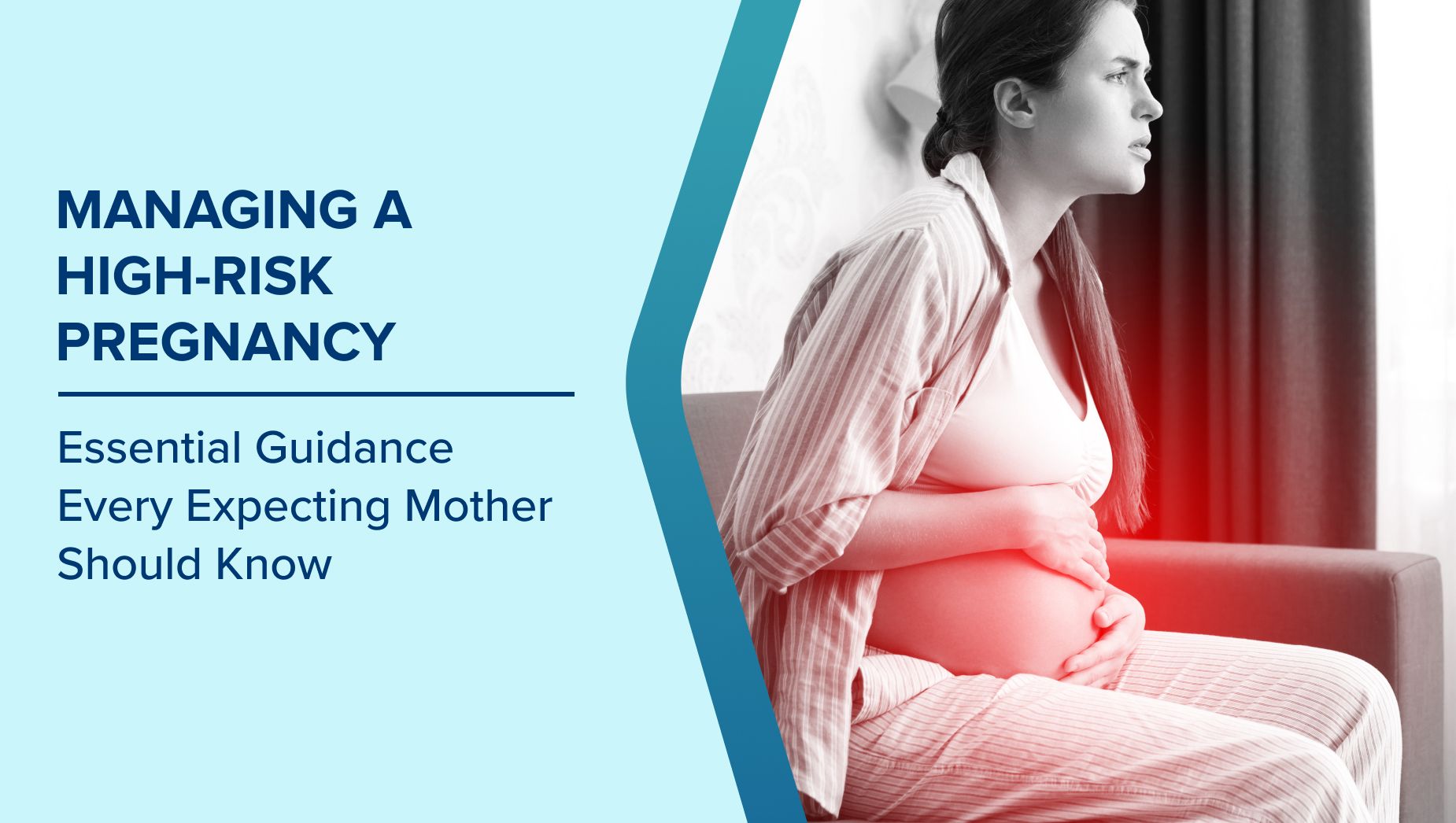
Call Us+91 926 888 0303Managing a High-Risk Pregnancy: Essential Guidance Every Expecting Mother Should Know
By Dr. Reenu Jain in Obstetrics And Gynaecology
Jan 06 , 2026 | 7 min read

A pregnancy that needs extra care can bring mixed emotions. Many expectant mothers feel joy and hope, but there can also be moments of worry when complications arise. A high-risk pregnancy does not mean something will definitely go wrong. It simply means your doctor wants to monitor you more closely to keep you and your baby as safe as possible. With timely support, the right knowledge, and a steady approach, many women with high-risk pregnancies go on to have healthy births.
Understanding the nature of a high-risk pregnancy helps mothers feel more in control. It removes unnecessary fear and encourages informed decisions. Every pregnancy is unique, so the experience varies from person to person. What remains constant is the importance of early awareness, consistent care, and a lifestyle that supports each step of the journey.
What Makes a Pregnancy High-Risk
A pregnancy becomes high-risk when certain conditions make it more likely that the mother or baby will need additional attention. These conditions may already exist before conception or appear during pregnancy. Each factor has its own challenges, but the goal of antenatal care is to track these changes early and maintain stability.
Some women enter pregnancy with concerns like high blood pressure, thyroid disorders, or diabetes. Others may face complications such as bleeding, anaemia, or limited growth of the baby. Age can also influence risk. Very young mothers and women who conceive later in life may require closer follow-up. Carrying twins or multiples adds its own demands on the body, which is why such pregnancies are monitored carefully.
Although these factors may sound overwhelming at first, medical guidance aims to identify them promptly. When care starts early, most issues can be managed calmly and effectively.
Listening to Your Body and Recognising Early Changes
Your body often sends signals when something needs attention. Learning to understand these signals can make a significant difference. Severe headache, sudden swelling, reduced foetal movement, or unexpected discomfort are examples of symptoms that should not be ignored. They may appear mild at first, but they indicate that your body is asking for rest, hydration, or medical evaluation.
Mothers often hesitate to report concerns because they worry about sounding anxious. In a high-risk pregnancy, every question matters. Being open about physical or emotional changes helps your doctor make informed decisions.
The Role of Regular Prenatal Visits
Prenatal appointments take on added importance in a high-risk pregnancy. These visits are not only for tests. They also help mothers stay updated about their progress. Your doctor may monitor your blood pressure, check the baby’s heartbeat, assess your weight, or track growth patterns. These steps allow healthcare professionals to adjust your care plan whenever needed.
Frequent visits can sometimes feel tiring, especially if you are balancing work, home responsibilities, or travel. Think of these appointments as reassurance rather than obligation. They help detect changes early and offer a chance to talk about anything that feels unclear.
Maintaining Emotional Wellbeing During a High-Risk Pregnancy
Emotional health plays a central role in physical well-being. Many mothers feel stressed when they are told that their pregnancy needs additional monitoring. It is common to feel uncertain about the future or worry about possible outcomes.
Creating a calming environment can support your mental balance. Gentle activities like reading, listening to soft music, or spending time with supportive people can help you relax. Mindfulness routines such as deep breathing or journaling often provide a peaceful outlet.
You do not have to handle everything alone. Speaking openly with your doctor, partner, or a trusted friend allows you to release emotional pressure. When your feelings are acknowledged, your mind becomes lighter and your body responds more positively.
Nutrition That Supports a High-Risk Pregnancy
Food choices carry significant weight during pregnancy. When complications are present, balanced nutrition becomes even more important. A high-risk pregnancy often requires a diet that maintains steady energy, supports foetal development, and prevents sudden spikes in blood sugar or blood pressure.
Fresh vegetables, fruits, whole grains, and lean proteins form the base of a supportive diet. Adequate hydration helps regulate your body’s functions and reduces strain. Healthy snacks such as nuts, yoghurt, or fruit can help maintain stability between meals.
Every pregnancy has different nutritional needs. Some women require iron-rich foods, while others may need to limit salt or sugary items. Always follow a personalised plan recommended by your doctor or dietitian. Tailored nutrition helps you stay strong and improves your comfort throughout the pregnancy.
Gentle Activity to Keep Your Body Supported
Movement can be beneficial as long as it is done safely and with medical approval. Light stretching, slow walking, and guided prenatal exercises support blood circulation and reduce stiffness. These routines also help you maintain good posture as the body adapts to a growing baby.
Avoid activities that cause strain or risk of injury. If you notice breathlessness or discomfort, pause and rest immediately. Being active in small, steady ways keeps your body flexible without putting pressure on your pregnancy.
Always check with your doctor before starting any activity. Each high-risk condition requires its own guidelines. What is safe for one person may not be suitable for another.
Creating a Supportive Environment at Home
A strong support system can make a powerful difference. Family members, partners, or close friends can help reduce your workload and encourage healthy routines. Small gestures, such as helping with groceries or accompanying you to appointments, can ease stress.
If you are working, you may need adjustments in your schedule or responsibilities. Having open conversations with your employer allows you to create a balanced routine that supports your health. Adequate rest should be part of your daily plan, especially if you experience fatigue.
Household tasks may need to be shared differently during this period. It is important to remember that asking for help is not a sign of weakness. It is a step toward ensuring your well-being.
Planning for Your Baby’s Arrival
Preparing early for delivery reduces anxiety. Women with high-risk pregnancies benefit from knowing what to expect in the final weeks. Your doctor may guide you about the safest mode of birth based on your health and the baby’s growth.
Keep essentials ready well before your due date. This includes clothing, personal items, documents, and contact numbers. When everything is organised, you feel more confident and calm.
Your birth plan should be flexible. Sometimes, unexpected changes require quick decisions. A flexible mindset helps you adjust smoothly when the moment arrives.
Understanding When to Seek Urgent Help
High-risk pregnancies require quick attention if certain symptoms appear. Severe abdominal pain, persistent headache, changes in vision, sudden swelling, or bleeding should be reported immediately. Reduced movement of the baby also needs prompt evaluation.
Do not wait to see if symptoms go away on their own. Early action ensures safety. Keep important numbers accessible at all times so you can reach help without delay.
How Family Members Can Offer Meaningful Support
Your support system plays an essential role in your journey. Many families want to help but may not know how. Encouraging them to understand your needs is a good starting point.
They can provide support by offering emotional comfort, helping with appointments, or preparing meals. Creating a peaceful environment gives you the strength to focus on your well-being. Regular communication ensures everyone remains aware of your progress and any concerns.
Conclusion
A high-risk pregnancy may require extra steps, but it is still a journey filled with the potential for joy and fulfilment. Many women experience healthy outcomes with the right combination of care, support, and awareness. Trusting your medical team and staying informed brings comfort during uncertain moments.
Your body is capable of remarkable strength. With patience, consistency, and the correct guidance, you can navigate your pregnancy with confidence and optimism.
Frequently Asked Questions
How should I choose the right hospital for a high-risk pregnancy?
Choose a hospital that has a dedicated maternal care unit, round-the-clock emergency services, and neonatal support. A facility with obstetric specialists available at all times ensures quick evaluation if any complications arise.
Is it safe to travel during a high-risk pregnancy?
Travel is usually discouraged when complications are present. If travel is unavoidable, choose short distances and keep medical documents with you. Always check with your doctor before making any travel plans.
How can I prepare an emergency plan for unexpected situations?
Keep a list of emergency contacts, hospital details, and transportation options ready. Share this information with a family member or friend. Preparing your hospital bag early ensures you are not rushed during urgent moments.
Are there any common nutrition myths I should avoid during a high-risk pregnancy?
One common myth is that eating for two means doubling portion sizes. Focus on nutrient-rich foods rather than extra quantity. Another misconception is that certain fruits must be avoided. Most fruits are safe unless your doctor advises otherwise.
What type of exercise is usually safe during a high-risk pregnancy?
Gentle movements like slow walking or guided stretching can be safe if your doctor approves. Activities that involve jumping, heavy lifting, or sudden movements should be avoided. Always follow personalised guidelines based on your specific condition.
Written and Verified by:

Related Blogs

Dr. Manju Khemani In Obstetrics And Gynaecology
Oct 27 , 2020 | 3 min read

Dr. Neera Aggarwal In Obstetrics And Gynaecology , Nutrition And Dietetics
Nov 07 , 2020 | 7 min read
Blogs by Doctor

Conceiving with one Fallopian Tube
Dr. Reenu Jain In Obstetrics And Gynaecology
Mar 07 , 2024 | 1 min read

Importance of Gynecologist in Women Health
Dr. Reenu Jain In Obstetrics And Gynaecology
Jul 13 , 2020 | 2 min read
Most read Blogs

Related Blogs
Dr. Manju Khemani In Obstetrics And Gynaecology
Oct 27 , 2020 | 3 min read
Dr. Neera Aggarwal In Obstetrics And Gynaecology , Nutrition And Dietetics
Nov 07 , 2020 | 7 min read
Blogs by Doctor
Conceiving with one Fallopian Tube
Dr. Reenu Jain In Obstetrics And Gynaecology
Mar 07 , 2024 | 1 min read
Importance of Gynecologist in Women Health
Dr. Reenu Jain In Obstetrics And Gynaecology
Jul 13 , 2020 | 2 min read
Most read Blogs