 WhatsApp Us (24/7)
 +91 926 888 0303 (24/7)


To Book an Appointment
Call Us+91 926 888 0303Cold Air & Your Lungs: Why Winter Is Tougher With COPD
By Dr Kamanasish Das in Pulmonology
Nov 26 , 2025 | 5 min read

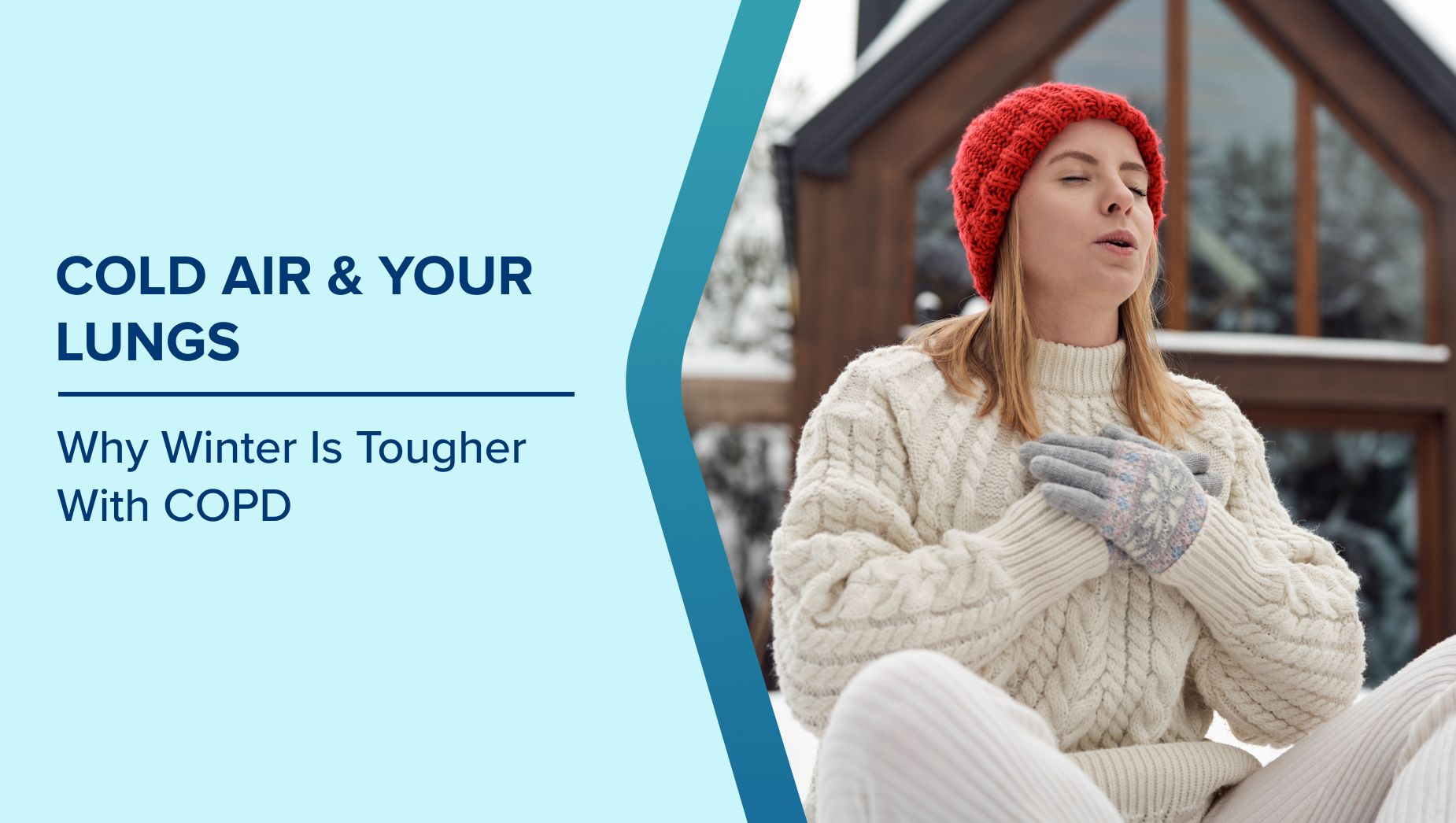
Winter brings cosy sweaters, hot drinks, and holiday cheer, but for people living with Chronic Obstructive Pulmonary Disease (COPD), the cold season can be especially challenging. The drop in temperature, combined with dry indoor air and seasonal irritants, can significantly impact lung health and breathing comfort. Understanding why cold air affects COPD and learning practical strategies can help you manage symptoms and stay active throughout the winter months.
How Cold Air Affects COPD
For those with COPD, the lungs are already sensitive and inflamed, making it harder to filter air and exchange oxygen efficiently. When cold air enters the airways, it can cause:
- Bronchial constriction: The tiny muscles around your airways tighten in response to cold, making breathing more difficult.
- Drying of airway surfaces: Cold air often has low humidity, which dries out the respiratory tract and can trigger coughing or throat irritation.
- Increased mucus production: In response to cold air, the lungs may produce extra mucus to protect the airways, which can worsen congestion and make it harder to breathe.
Many people with COPD notice they start coughing, wheezing, or feel short of breath faster in winter compared to other seasons. Even short walks outside in chilly weather can trigger these reactions, making daily routines more exhausting.
Common Winter Triggers for COPD Flare-Ups
While cold air is a primary concern, several other winter-specific factors can worsen COPD symptoms:
Dry Indoor Air
Heaters and indoor fireplaces dry out the air, which can irritate the lungs. Dry air may also cause tiny cracks in the airway lining, increasing the risk of infection and inflammation.
Seasonal Viruses
Flu, cold viruses, and respiratory infections are more common during winter. For people with COPD, these infections can quickly escalate into bronchitis or pneumonia, requiring medical attention.
Sudden Temperature Changes
Moving from a warm indoor environment to cold outdoor air or vice versa can stress the lungs. These rapid changes may trigger coughing, wheezing, or chest tightness.
Airborne Irritants
Winter brings additional irritants such as smoke from fireplaces, wood stoves, and outdoor heaters. Even indoor cooking smoke or scented candles can trigger COPD flare-ups in sensitive lungs.
Reduced Physical Activity
Shorter daylight hours and cold weather often reduce activity levels. Lack of exercise can weaken the lungs and muscles, increasing breathlessness during routine activities.
Practical Tips to Manage COPD During Winter
While winter presents unique challenges, there are ways to protect your lungs and reduce flare-ups:
Dress in Layers and Protect Your Airway
Wearing a scarf or mask over your nose and mouth helps warm and humidify the air before it enters your lungs. This reduces irritation and the chance of bronchial constriction.
Maintain Indoor Humidity
Using a humidifier can help maintain moisture in heated indoor spaces. Aim for a humidity level of 40–50 per cent to reduce dryness without encouraging mould growth.
Plan Outdoor Activities Wisely
- Avoid outdoor activity during extremely cold or windy days.
- If you need to go outside, take short breaks indoors to allow your lungs to adjust.
- Consider light indoor exercise like yoga, stretching, or stationary cycling to stay active without exposure to cold air.
Stay Ahead of Infections
- Wash your hands frequently and avoid crowded places during the peak cold and flu season.
- Ensure your flu and pneumonia vaccinations are up to date to minimise the risk of respiratory infections.
- If you notice early signs of infection, contact your doctor promptly.
Manage Your Medications Effectively
- Ensure you are using inhalers or nebulisers as prescribed.
- Keep rescue medications handy in case of sudden shortness of breath.
- Discuss with your healthcare provider if adjusting doses during winter is necessary.
Nutrition and Hydration
- Warm fluids, like soups or herbal teas, help keep mucus thin and easier to clear.
- A well-balanced diet rich in fruits, vegetables, and omega-3 fatty acids supports overall lung health and immunity.
Long-Term Strategies for Winter Lung Health
Winter lung protection requires more than seasonal precautions. Long-term strategies include:
- Regular exercise: Strengthening respiratory muscles helps improve endurance and reduce breathlessness.
- Air quality monitoring: Use indoor air purifiers and check outdoor air quality levels to avoid high-pollution days.
- Breathing exercises: Techniques such as pursed-lip breathing or diaphragmatic breathing can ease airflow and reduce coughing.
- Emergency preparedness: Keep your doctor’s contact information, medications, and an action plan ready in case symptoms worsen.
- Family and caregiver support: Inform those around you about COPD triggers and warning signs so they can assist if needed.
Warning Signs That Require Medical Attention
Even with precautions, certain symptoms signal that immediate medical care is necessary:
- Severe or persistent shortness of breath
- Wheezing or chest tightness that does not improve with rescue inhalers
- High fever or chills
- Bluish lips or fingers
- Confusion or fatigue beyond usual levels
Prompt attention can prevent serious complications and keep winter flare-ups from becoming severe.
Conclusion
Winter can be a challenging season for people living with COPD, but understanding how cold air and seasonal factors affect your lungs helps you take proactive measures. By protecting your airways, staying active indoors, managing medications, and maintaining good nutrition, you can significantly reduce the risk of winter flare-ups. Awareness, preparation, and careful daily habits allow you to enjoy winter while keeping your lungs healthy and resilient.
FAQs
Can breathing exercises prevent winter flare-ups?
Yes, regular breathing exercises improve airflow and strengthen the lungs, making it easier to cope with cold air.
Is it safe to use a scarf or mask indoors?
Yes, wearing a scarf or mask helps trap warmth and moisture, which protects sensitive airways from cold drafts.
Can humidifiers cause infections?
Humidifiers are safe if cleaned regularly. Avoid excessive humidity, which can promote mould growth that may worsen COPD symptoms.
How do I know if my winter cough is serious?
If coughing is persistent, produces green or yellow mucus, or is accompanied by fever, chest pain, or shortness of breath, it should be evaluated by a healthcare provider.
Are there alternative indoor exercises for COPD patients?
Yes, low-impact activities such as stationary cycling, resistance bands, gentle yoga, or tai chi help maintain fitness without exposing the lungs to cold air.
How can I reduce exposure to seasonal irritants?
Avoid burning wood or scented candles indoors, use exhaust fans while cooking, and maintain clean indoor air with regular dusting and air purifiers.
Should I adjust my medications during winter?
Only under guidance from your doctor. Winter may increase flare-ups, so a physician may recommend temporary adjustments or preventive medications.
Can winter weather affect sleep for COPD patients?
Yes, cold, dry air can worsen nighttime coughing and congestion. Using a humidifier and keeping the bedroom warm can improve sleep quality.
Written and Verified by:

Related Blogs

Medical Expert Team
Jun 06 , 2015 | 2 min read

Blogs by Doctor
Most read Blogs


Related Blogs
Medical Expert Team
Jun 06 , 2015 | 2 min read
Blogs by Doctor
Most read Blogs