 WhatsApp Us (24/7)
 +91 926 888 0303 (24/7)


To Book an Appointment
Call Us+91 926 888 0303Air Pollution and Pregnancy Risks: Early Symptoms You Shouldn’t Ignore
By Dr. Parinita Kalita in Obstetrics And Gynaecology
Nov 07 , 2025 | 11 min read
2

The air quality in many Indian cities has reached worrying levels, with thick smog and high pollutant concentrations now a part of daily life. In Delhi and several other cities, the air quality index often crosses the hazardous mark, and fine particulate matter (PM2.5) levels remain far above safe limits. For most people, this causes irritation and breathing discomfort, but for expecting mothers, the risks are more serious. Polluted air can carry harmful particles that enter the bloodstream, reach the placenta, and affect the baby’s oxygen supply, increasing the chances of complications. As pollution levels continue to stay high, recognising early symptoms linked to poor air quality has become important for pregnant women. This blog takes a closer look at those warning signs and ways to stay safe during pregnancy. Let’s start by understanding how air pollution affects pregnancy.
How Air Pollution Affects Pregnancy
Air pollution can have a direct impact on both the mother and the developing baby. When pollutants such as fine particulate matter (PM2.5), nitrogen dioxide, and carbon monoxide are inhaled, they enter the lungs and then pass into the bloodstream. From there, these harmful particles can reach the placenta, the organ that supplies oxygen and nutrients to the baby. This exposure can reduce the amount of oxygen reaching the foetus and may also cause inflammation in the mother’s body, affecting how the placenta functions. Over time, these changes can increase the chances of pregnancy-related complications, including restricted foetal growth and high blood pressure.
Early Symptoms You Shouldn’t Ignore
Exposure to polluted air can cause early warning signs that indicate the body is under stress. During pregnancy, these symptoms may appear subtle but should never be overlooked, as they can signal complications developing over time. Some of the most common signs include:
- Breathing discomfort: Shortness of breath, frequent coughing, or chest tightness, often worsening on days with high pollution levels.
- Persistent fatigue or weakness: Feeling unusually tired or dizzy due to reduced oxygen levels caused by pollutants like carbon monoxide.
- Frequent headaches: Continuous or throbbing headaches that intensify after outdoor exposure, linked to decreased oxygen flow and toxin buildup.
- Nausea or light-headedness: Increased feelings of nausea or dizziness unrelated to morning sickness, especially in polluted or congested environments.
- Irritated eyes and throat: Burning, watering eyes or a dry, scratchy throat due to prolonged exposure to smog or fine particulate matter.
- Worsening of existing respiratory issues: Aggravation of asthma, sinus congestion, or shortness of breath in women with pre-existing breathing problems.
If these symptoms occur frequently, especially during periods of poor air quality, it is important to seek medical guidance.
Common Pregnancy Risks Linked to Air Pollution
Prolonged exposure to polluted air during pregnancy can increase the risk of several complications that affect the pregnancy and/or its outcomes. Below are some of the most common pregnancy risks associated with poor air quality.
Preterm Birth
Air pollution has been strongly linked to early delivery, where the baby is born before 37 weeks of pregnancy. Pollutants like PM2.5 can trigger inflammation and hormonal imbalances that may cause the uterus to contract prematurely. Women exposed to high levels of pollution, especially during the later stages of pregnancy, are more likely to experience preterm labour. This condition increases the likelihood of complications during delivery and may require hospital monitoring or medical intervention.
Stillbirth Risk
Severe and prolonged exposure to polluted air can increase the risk of stillbirth. Pollutants such as carbon monoxide can interfere with oxygen transport in the bloodstream, while fine particles may damage placental tissues. These changes can restrict oxygen and nutrient flow, affecting the pregnancy’s continuation. Regular air quality checks and early prenatal consultations are important preventive measures, particularly for women living in highly polluted urban areas.
Low Birth Weight
Continuous exposure to air pollutants can interfere with the baby’s growth inside the womb, resulting in low birth weight at delivery. Pollutants can affect the placenta’s efficiency, reducing the amount of oxygen and nutrients reaching the baby. Low birth weight is often an indicator of growth restriction during pregnancy and may require medical monitoring both before and after birth to ensure healthy development.
Restricted Growth (Intrauterine Growth Restriction)
Intrauterine growth restriction (IUGR) occurs when the baby grows slower than expected for gestational age. Pollutants entering the bloodstream can reduce placental blood flow and limit nutrient transfer, slowing foetal growth. This condition increases the risk of complications during delivery and may lead to health challenges for the baby in early life. Regular prenatal scans can help detect such growth issues early and allow doctors to monitor the pregnancy closely.
Gestational Diabetes
Research suggests that air pollution may increase the risk of gestational diabetes. Certain pollutants can disrupt insulin regulation, leading to higher blood sugar levels during pregnancy. When combined with other risk factors such as obesity or family history of diabetes, polluted environments can make glucose control more difficult. Early screening and regular blood sugar monitoring are recommended for women exposed to high pollution levels.
Effects on Air Pollution on Pregnant Women’s Health
Exposure to polluted air during pregnancy is linked to several complications that can affect both maternal health and foetal development. The effects depend on factors such as the level of exposure, duration, and the type of pollutants in the air. Below are some of the major pregnancy-related risks associated with air pollution.
Preeclampsia and High Blood Pressure
Exposure to pollutants like fine particulate matter (PM2.5) and nitrogen dioxide can lead to inflammation in the blood vessels, which may raise blood pressure levels. Pregnant women exposed to poor air quality for extended periods are at higher risk of developing preeclampsia, a condition characterised by high blood pressure and potential organ stress. This condition requires close medical attention, as it can lead to complications during delivery if not managed properly.
Breathing Difficulties and Reduced Lung Function
Pregnant women already experience changes in breathing due to increased oxygen needs. When combined with air pollution, these changes can cause frequent coughing, chest tightness, or shortness of breath. Polluted air irritates the respiratory tract, making it harder for the lungs to function efficiently. This can cause fatigue and make it more difficult to perform daily activities comfortably during pregnancy.
Increased Fatigue and Weakness
Polluted air often contains carbon monoxide and other toxins that can lower oxygen levels in the bloodstream. This may result in constant tiredness, dizziness, or weakness. For pregnant women, who already require higher oxygen levels, this effect can be more noticeable. Prolonged fatigue can also make it harder to maintain regular prenatal routines or stay active during pregnancy.
Weakened Immunity
Pollution can also lower immune resistance, making pregnant women more susceptible to infections. Fine particulate matter can trigger inflammatory responses in the body, weakening immune defences and increasing the risk of respiratory or viral infections. Maintaining a healthy diet, staying hydrated, and avoiding polluted outdoor environments can help reduce this risk.
Anaemia and Reduced Oxygen Levels
Some pollutants, particularly carbon monoxide, can bind to haemoglobin in red blood cells, reducing the amount of oxygen that reaches the tissues. This can increase the risk of anaemia or worsen existing anaemia in pregnant women. Symptoms such as tiredness, pale skin, and shortness of breath may become more noticeable in polluted environments.
Effects of Air Pollution on the Developing Foetus
Air pollution not only affects a pregnant woman’s health but also influences how the baby develops inside the womb. Below are some of the key effects of air pollution on foetal health:
Growth Restriction and Underdeveloped Organs
One of the most concerning effects of maternal exposure to air pollution is restricted foetal growth. Pollutants such as fine particulate matter (PM2.5) and carbon monoxide can reduce oxygen delivery to the baby, slowing the development of vital organs like the lungs, heart, and kidneys. This may result in intrauterine growth restriction (IUGR), where the baby’s weight and size are smaller than expected for gestational age. Babies born with growth restrictions are more likely to face difficulties maintaining body temperature, feeding, and fighting infections after birth.
Respiratory Problems After Birth
Babies exposed to air pollution in the womb may have weaker lungs at birth. Pollutants can cause inflammation and affect lung tissue formation, increasing the risk of breathing difficulties in newborns. Later in childhood, these babies may be more prone to respiratory illnesses such as asthma, bronchitis, or frequent chest infections, especially in areas with continued poor air quality.
Neurological and Developmental Delays
Toxic substances like nitrogen dioxide, lead, and polycyclic aromatic hydrocarbons (PAHs) can interfere with brain development. These pollutants may disrupt nerve cell formation and communication pathways, potentially leading to slower cognitive development, attention problems, or behavioural issues in early childhood. The effects can vary depending on the timing and level of exposure during pregnancy.
Long-term Immune or Metabolic Effects
Exposure to polluted air before birth can also influence how a child’s immune and metabolic systems develop. Research suggests that such exposure may increase the risk of allergies, autoimmune conditions, or metabolic disorders like obesity and diabetes later in life. This happens because pollutants can trigger changes in gene expression, altering how the body responds to infections and processes nutrients even years after birth.
Ways to Reduce Exposure to Air Pollution During Pregnancy
With rising pollution levels, taking preventive steps becomes essential for expectant mothers. Even though completely avoiding polluted air is difficult, small changes in daily habits can significantly reduce exposure and protect both maternal and foetal health. Some practical measures include:
- Monitor air quality levels: Check the Air Quality Index (AQI) regularly using reliable apps or websites. Try to stay indoors when the AQI is poor, especially during peak traffic hours or early mornings when pollution is usually higher.
- Keep indoor air clean: Use air purifiers at home and keep windows closed during high-pollution days. Avoid activities that add to indoor pollution, such as burning incense sticks, using aerosol sprays, or smoking indoors.
- Stay hydrated and eat well: A diet rich in antioxidants found in fruits, vegetables, and nuts can help the body fight the harmful effects of pollutants. Staying hydrated supports healthy blood circulation and helps flush out toxins.
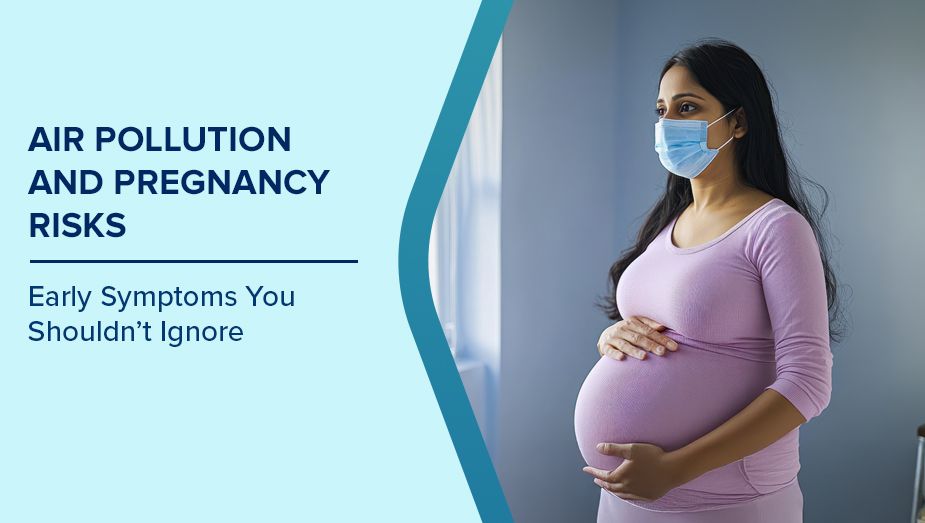
- Wear a protective mask outdoors: When going out is unavoidable, wear a well-fitted N95 or N99 mask that can filter fine particles like PM2.5.
- Limit outdoor activities: Avoid walking or exercising near busy roads or industrial areas. Choose early mornings or evenings when traffic and pollution levels are lower, provided the air quality is safe.
- Ventilate smartly: On days with better air quality, open windows for a short period to let in fresh air, but keep them closed when pollution levels rise.
- Avoid exposure to secondhand smoke: Tobacco smoke contains many of the same toxins found in polluted air and can worsen respiratory and cardiovascular stress during pregnancy.
- Consult a doctor regularly: Regular prenatal check-ups help track any pollution-related symptoms such as shortness of breath, high blood pressure, or unusual fatigue. Early intervention can prevent complications.
Taking small but consistent steps to reduce air pollution exposure can go a long way in supporting a safer pregnancy and healthier development for the baby.
Consult Today
Living in areas with poor air quality doesn't mean you have to compromise on your pregnancy health. What matters most is staying informed, being proactive about protection, and maintaining regular communication with your healthcare provider. If you're experiencing any pollution-related symptoms during pregnancy, feel concerned about your air quality exposure, or simply want expert guidance on protecting your baby's health in polluted environments, contact the specialists at Max Hospital. Our experienced obstetricians are here to provide personalised care and support throughout your pregnancy.
Frequently Asked Questions
Can wearing a mask during pregnancy really help against air pollution?
Yes. Wearing a high-quality mask such as an N95 or N99 can block fine particles like PM2.5, reducing how much-polluted air you inhale when stepping outdoors.
Are air purifiers safe to use throughout pregnancy?
Absolutely. Air purifiers with HEPA filters are safe and effective in keeping indoor air cleaner. Just make sure to avoid ones that produce ozone, as it can irritate the lungs.
Which stage of pregnancy is most affected by air pollution?
The first trimester is critical for organ development, and the third trimester carries a higher risk of complications like high blood pressure or early labour. So, limiting exposure throughout pregnancy is ideal, but extra care during these stages is especially important.
Can air pollution cause complications even if I don’t have breathing issues?
Yes. Even without existing respiratory conditions, exposure to polluted air can affect oxygen levels, blood pressure, and overall energy. Prolonged exposure may also impact placental function.
Does staying indoors protect completely from pollution?
Not entirely. Indoor air can contain pollutants from cooking fumes, dust, and cleaning products. Using an air purifier, ensuring proper ventilation, and keeping windows closed during high-pollution hours can help maintain better indoor air quality.
Can poor air quality affect breastfeeding later on?
Generally, it does not affect milk supply, but long-term exposure to certain toxins can pass into breast milk. Maintaining a clean indoor environment can lower this risk.
How can I protect myself if I live in a highly polluted city?
Try to stay indoors during peak pollution hours, wear a proper mask when stepping out, and use air purifiers at home. Including foods rich in antioxidants, such as berries and leafy greens, can also help the body fight the effects of pollution.
Is it safe to exercise outdoors during pregnancy in polluted areas?
It’s best to avoid outdoor exercise when air quality is poor. Opt for indoor workouts or light activities at home, and check the Air Quality Index before heading out.
Can regular medical check-ups detect pollution-related issues early?
Yes. Routine prenatal visits can help your doctor track symptoms like high blood pressure, breathing issues, or unusual fatigue that may be linked to pollution exposure. Early care can prevent complications.
Should I consider moving temporarily if air pollution levels are extremely high?
If it’s an option, spending time in areas with cleaner air during pregnancy can be beneficial. However, discuss it with your doctor before making such a decision to ensure it aligns with your health needs and comfort.
Can household plants help improve indoor air quality during pregnancy?
Yes. Plants like peace lily, snake plant, and areca palm can help filter toxins and refresh indoor air naturally. Just ensure good airflow and regular maintenance.
Written and Verified by:

Related Blogs

Dr. Manju Khemani In Obstetrics And Gynaecology
Oct 27 , 2020 | 3 min read

Dr. Neera Aggarwal In Obstetrics And Gynaecology , Nutrition And Dietetics
Nov 07 , 2020 | 7 min read
Blogs by Doctor

What to Expect When you are Expecting
Dr. Parinita Kalita In Obstetrics And Gynaecology
Apr 18 , 2016 | 2 min read

What are Postpartum Periods: Essential Facts & Tips for New Moms
Dr. Parinita Kalita In Obstetrics And Gynaecology , Robotic Surgery , Gynaecologic Laparoscopy
Jul 31 , 2023 | 4 min read
Most read Blogs

Related Blogs
Dr. Manju Khemani In Obstetrics And Gynaecology
Oct 27 , 2020 | 3 min read
Dr. Neera Aggarwal In Obstetrics And Gynaecology , Nutrition And Dietetics
Nov 07 , 2020 | 7 min read
Blogs by Doctor
What to Expect When you are Expecting
Dr. Parinita Kalita In Obstetrics And Gynaecology
Apr 18 , 2016 | 2 min read
What are Postpartum Periods: Essential Facts & Tips for New Moms
Dr. Parinita Kalita In Obstetrics And Gynaecology , Robotic Surgery , Gynaecologic Laparoscopy
Jul 31 , 2023 | 4 min read
Most read Blogs