 WhatsApp Us (24/7)
 +91 926 888 0303 (24/7)


To Book an Appointment
Call Us+91 926 888 0303What is Hepatitis? Everything You Need to Know
By Dr. Nikhil Anil Nadkarni in Gastroenterology, Hepatology & Endoscopy
Jan 05 , 2026 | 8 min read

Hepatitis often goes unnoticed in its early stages as many people don’t experience any symptoms. Over time, untreated hepatitis can lead to serious problems such as liver damage, cirrhosis, or even liver failure. Since early signs are easy to miss, regular check-ups and awareness are important. This blog will cover everything you need to know about hepatitis, including its types, symptoms, causes, and treatments. Let’s begin by exploring what hepatitis is and how it affects health.
What is Hepatitis?
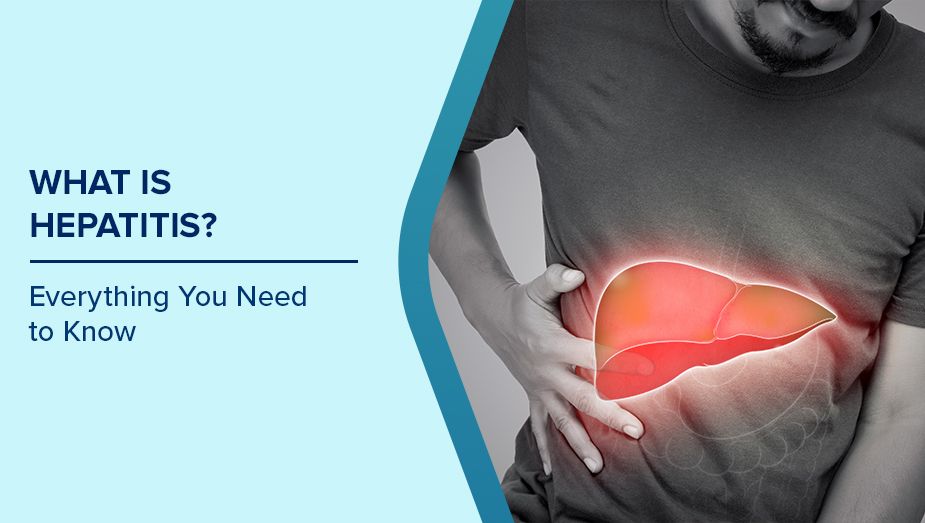
Hepatitis is a condition that causes inflammation of the liver, affecting its ability to process nutrients, filter toxins, and store energy. It can develop due to viral infections, excessive alcohol consumption, autoimmune diseases, or certain medications. Some types of hepatitis are short-term and resolve on their own, while others can become chronic and lead to serious complications such as liver scarring (cirrhosis), liver failure, or even liver cancer. The severity of hepatitis depends on its cause, how early it is detected, and the treatment received.
What are the Types of Hepatitis?
Hepatitis is classified into different types based on its cause. The most common types include:
1. Viral Hepatitis
This is the most widespread form, caused by different hepatitis viruses. The main types are:
- Hepatitis A (HAV): A short-term infection usually transmitted through contaminated food or water. It does not cause chronic liver disease and often resolves on its own. Vaccination is available for prevention.
- Hepatitis B (HBV): Can be acute (short-term) or chronic (long-term). It spreads through contact with infected blood, unprotected sexual contact, or from mother to baby during childbirth. Chronic hepatitis B can lead to serious complications like cirrhosis and liver cancer. A vaccine is available.
- Hepatitis C (HCV): Primarily spread through infected blood, often due to shared needles or unsafe medical procedures. It usually becomes chronic and can cause severe liver damage if untreated. Unlike hepatitis A and B, there is no vaccine, but antiviral treatments can cure it.
- Hepatitis D (HDV): Occurs only in people already infected with hepatitis B. It makes the infection more severe and increases the risk of complications. The hepatitis B vaccine can help prevent it.
- Hepatitis E (HEV): Mostly found in regions with poor sanitation, spreading through contaminated water. It is usually short-term but can be dangerous for pregnant women. No widely available vaccine.
2. Alcoholic Hepatitis
Excessive alcohol consumption over time damages liver cells, causing inflammation. This can lead to liver scarring (cirrhosis) and liver failure if alcohol use continues. Stopping alcohol consumption can help slow disease progression.
3. Autoimmune Hepatitis
This occurs when the immune system mistakenly attacks liver cells, leading to long-term inflammation. The exact cause is unknown, but genetic and environmental factors may play a role. Without treatment, it can cause cirrhosis and liver failure. Medications like corticosteroids and immunosuppressants can help manage the condition.
4. Toxic Hepatitis
Certain medications, chemicals, or toxins can damage the liver and cause inflammation. Overuse of drugs like paracetamol, long-term exposure to industrial chemicals, or certain herbal supplements can trigger this condition. Identifying and avoiding the harmful substances is key to recovery.
What are the Symptoms of Hepatitis?
The symptoms of hepatitis can vary depending on the type and severity of the condition. In some cases, especially during the early stages, hepatitis may not cause any noticeable symptoms. However, when symptoms do appear, they often include:
- Fatigue: Feeling unusually tired or weak.
- Jaundice: Yellowing of the skin and eyes, a common sign of liver problems.
- Dark urine: Urine may appear darker than usual.
- Abdominal pain: Discomfort or pain in the upper right side of the abdomen, where the liver is located.
- Nausea and vomiting: Feeling sick or being sick.
- Loss of appetite: A reduced desire to eat.
- Pale stools: Stools may become lighter in colour.
- Fever: A mild fever may occur in some cases.
These symptoms can appear in both acute (short-term) and chronic (long-term) hepatitis. In chronic cases, symptoms may develop gradually and be less obvious, making it harder to detect the condition early. If any of these symptoms persist or worsen, it’s important to seek medical advice for proper diagnosis and treatment.
How is Hepatitis Diagnosed?
Hepatitis is diagnosed through a combination of medical history, physical examination, and various tests to assess liver function and identify the underlying cause. Early and accurate diagnosis is important to prevent complications and start appropriate treatment.
Medical History and Physical Examination
A doctor may ask about symptoms, lifestyle habits, travel history, and potential exposure to hepatitis viruses. During the physical examination, they may check for signs of liver damage, such as jaundice, abdominal swelling, or tenderness in the upper right side of the abdomen.
Blood Tests
Blood tests help assess liver function, detect infections, and determine the severity of liver inflammation. Common tests include:
- Liver Function Tests (LFTs): Measure levels of liver enzymes (ALT, AST), bilirubin, and proteins (albumin) to check how well the liver is functioning. Elevated enzyme levels indicate liver inflammation or damage.
- Viral Hepatitis Panel: Identifies specific hepatitis viruses (A, B, C, D, or E) and determines whether the infection is recent or chronic.
- Antibody and Antigen Tests: Detect the body’s immune response to the virus and confirm the presence of viral proteins. For example:
- Hepatitis B surface antigen (HBsAg) indicates an active hepatitis B infection.
- Anti-HCV antibodies show exposure to the hepatitis C virus.
- Complete Blood Count (CBC): Helps detect signs of infection, anaemia, or reduced platelet levels, which may indicate liver disease.
Imaging Tests
Imaging scans help evaluate liver size, structure, and any signs of damage or disease. These include:
- Ultrasound: Provides a basic assessment of liver health, detecting fatty deposits, fluid buildup, or abnormalities such as tumours.
- CT Scan or MRI: Produces more detailed images of the liver to check for fibrosis (scarring), cirrhosis, or liver cancer.
- FibroScan (Transient Elastography): A specialised ultrasound that measures liver stiffness to assess the extent of fibrosis or cirrhosis.
Liver Biopsy (If Needed)
In some cases, a liver biopsy is performed to get a more detailed understanding of liver damage. A small tissue sample is taken using a needle and examined under a microscope to determine the severity of inflammation, fibrosis, or cirrhosis. This test is usually recommended if other tests do not provide enough information about the condition.
How is Hepatitis Treated?
The treatment for hepatitis depends on its type, cause, and severity. Some forms of hepatitis resolve on their own, while others require long-term medical care to prevent liver damage. The main goals of treatment are to reduce liver inflammation, manage symptoms, and prevent complications such as cirrhosis or liver failure.
Treatment for Acute Hepatitis
Acute hepatitis, which is usually caused by hepatitis A, E, or short-term infections of hepatitis B or C, often does not require specific medical treatment. Instead, supportive care helps the liver recover naturally.
- Rest and Hydration: Getting enough rest and drinking plenty of fluids supports the body's ability to fight the infection. Dehydration can worsen fatigue and other symptoms.
- Nutritional Support: A healthy, well-balanced diet rich in fruits, vegetables, and whole grains provides essential nutrients to support liver function. Fatty and processed foods should be limited, as they can put extra strain on the liver.
- Avoiding Harmful Substances: Alcohol, certain over-the-counter pain relievers, and unnecessary medications should be avoided, as they can worsen liver inflammation and increase the risk of complications.
Most cases of acute hepatitis improve within a few weeks to months. However, severe cases may require hospitalisation if complications such as dehydration, excessive vomiting, or liver failure develop.
Treatment for Chronic Hepatitis
Chronic hepatitis, which occurs when the infection lasts for more than six months, requires long-term management to prevent liver damage. Hepatitis B and C are the most common causes of chronic viral hepatitis, but autoimmune and metabolic conditions can also lead to ongoing liver inflammation.
- Regular Monitoring: Routine blood tests and imaging scans help assess liver health and track the progression of the disease. If liver function worsens, additional treatment may be required.
- Lifestyle Adjustments:
- Dietary changes: Eating a diet rich in nutrients and avoiding processed foods, excessive sugar, and saturated fats can support liver health.
- Limiting alcohol intake: Alcohol can accelerate liver damage in chronic hepatitis and should be avoided.
- Weight management: Maintaining a healthy weight can help reduce the risk of fatty liver disease, which can further harm the liver.
- Managing Complications: Chronic hepatitis can lead to complications such as liver scarring (fibrosis) or cirrhosis. If liver damage progresses, additional treatments may be required to manage symptoms such as fluid buildup, jaundice, or bleeding disorders.
Treatment for Autoimmune and Metabolic Hepatitis
Some forms of hepatitis occur when the immune system mistakenly attacks the liver or when metabolic disorders lead to excess fat buildup in liver cells.
- Autoimmune Hepatitis: Treatment focuses on reducing immune system activity to lower liver inflammation. Regular medical check-ups are needed to monitor the condition.
- Metabolic-Related Hepatitis: In conditions such as non-alcoholic fatty liver disease (NAFLD), managing weight, controlling blood sugar levels, and following a healthy diet can help slow disease progression and reduce liver stress.
Treatment for Severe or Advanced Liver Disease
If hepatitis leads to significant liver damage, additional treatments may be needed to manage complications.
- Hospital Care: In cases of severe liver inflammation or acute liver failure, hospitalisation may be required for close monitoring and supportive treatment.
- Liver Transplant: If the liver becomes too damaged to function properly, a liver transplant may be considered. This involves replacing the diseased liver with a healthy donor liver. Liver transplants are generally reserved for life-threatening cases.
Can Hepatitis be Prevented?
Hepatitis can often be prevented by taking simple precautions and making healthy lifestyle choices. The key measures include:
- Vaccination: Hepatitis A and B vaccines provide long-term protection and are highly effective in preventing infection.
- Good Hygiene Practices: Washing hands thoroughly, especially before eating or preparing food, helps prevent the spread of hepatitis A and E.
- Safe Food and Water: Avoiding contaminated food and drinking clean, safe water reduces the risk of hepatitis A and E.
- Practising Safe Sex: Using protection during sexual activity lowers the risk of hepatitis B and C transmission.
- Avoiding Sharing Needles or Razors: Hepatitis B and C are spread through infected blood, so personal hygiene items should never be shared.
- Screening Blood Donations: Proper blood screening helps prevent the transmission of hepatitis B and C through transfusions.
Consult Today
Hepatitis can affect health in many ways, but early diagnosis and proper medical care can make a significant difference. If there are concerns about symptoms, risk factors, or vaccination, seeking medical advice is the next step. Hepatologists and gastroenterologists at Max Hospital provide specialised care for liver-related conditions, offering guidance on diagnosis, treatment, and prevention. Schedule a consultation at Max Hospital and get the right support to help protect Liver Health.
Written and Verified by:

Related Blogs

Dr. Nivedita Pandey In Gastroenterology, Hepatology & Endoscopy , Liver Transplant and Biliary Sciences
Nov 07 , 2020 | 2 min read

Dr. Nivedita Pandey In Gastroenterology, Hepatology & Endoscopy , Liver Transplant and Biliary Sciences
Nov 07 , 2020 | 2 min read
Blogs by Doctor

Hepatitis: Debunking Myths and Misconceptions
Dr. Nikhil Anil Nadkarni In Gastroenterology, Hepatology & Endoscopy
Jul 29 , 2024 | 1 min read
Most read Blogs


Related Blogs
Dr. Nivedita Pandey In Gastroenterology, Hepatology & Endoscopy , Liver Transplant and Biliary Sciences
Nov 07 , 2020 | 2 min read
Dr. Nivedita Pandey In Gastroenterology, Hepatology & Endoscopy , Liver Transplant and Biliary Sciences
Nov 07 , 2020 | 2 min read
Blogs by Doctor
Hepatitis: Debunking Myths and Misconceptions
Dr. Nikhil Anil Nadkarni In Gastroenterology, Hepatology & Endoscopy
Jul 29 , 2024 | 1 min read
Most read Blogs