 WhatsApp Us (24/7)
 +91 926 888 0303 (24/7)


To Book an Appointment
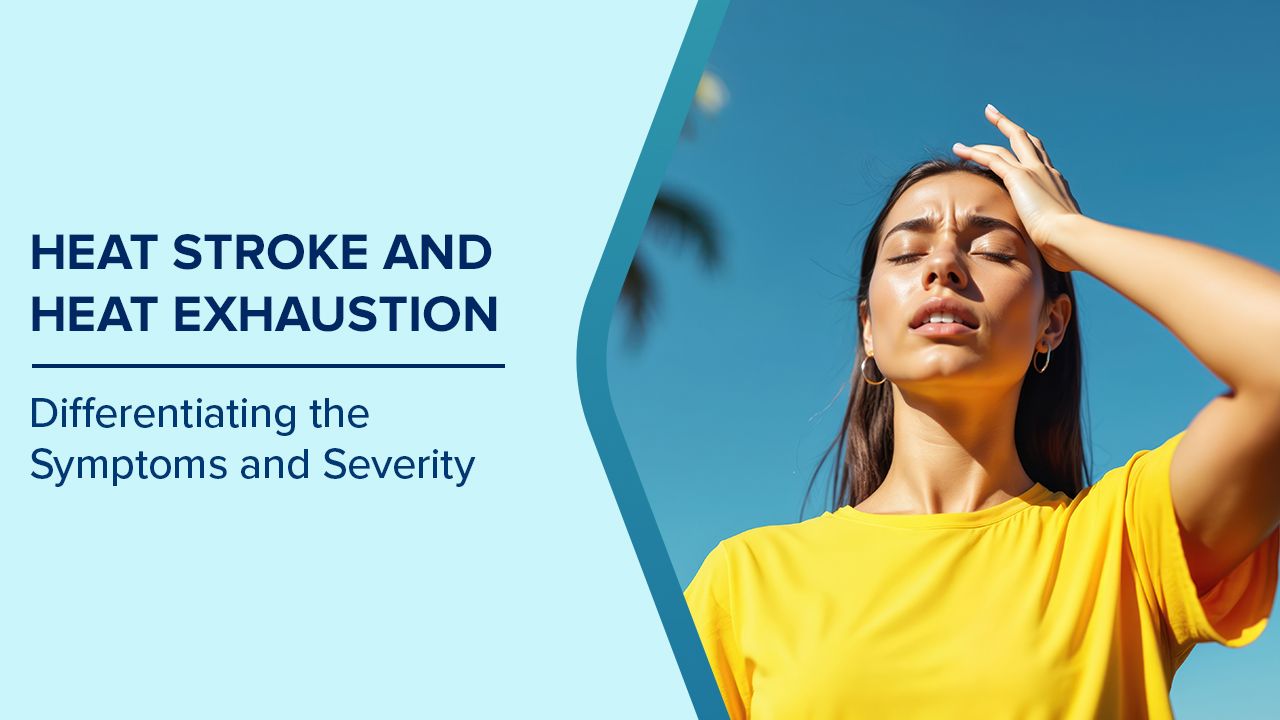
Call Us+91 926 888 0303Heat Stroke and Heat Exhaustion: Differentiating the Symptoms and Severity
By Dr. Pankaj Chaudhary in Internal Medicine
Apr 15 , 2026 | 9 min read
7

This summer, with temperatures breaking all historic records, it has become more important than ever to protect yourself from the wrath of the summer heat. Two of the most common conditions resulting from excessive heat exposure are heat exhaustion and heatstroke. While both conditions share similar triggers, they differ significantly in severity and required interventions, and understanding these differences is crucial for effective prevention and timely treatment. To shed more light on the subject, in this article, we explore the symptoms, causes, and treatments of both of these potentially life-threatening situations.
What are Heatstroke and Heat Exhaustion?
Heat exhaustion
Heat exhaustion is a mild form of heat-related illness that typically occurs due to prolonged exposure to high temperatures combined with inadequate fluid intake. It serves as a warning that the body's mechanisms for dealing with heat are becoming overwhelmed.
Heat stroke
Heatstroke, on the other hand, is a more severe and life-threatening condition that occurs when the body's temperature regulation fails, leading to a rapid rise in body temperature, often above 104°F (40°C). Given the seriousness, it requires immediate medical attention.
Symptoms of Heatstroke and Heat Exhaustion
Recognising the symptoms of heat-related illnesses early can make a big difference. Although heat exhaustion and heatstroke may start with similar signs, the severity and risks associated with each are very different. Here's a detailed look at how the symptoms of both conditions present:
Symptoms of Heat Exhaustion
Heat exhaustion often develops gradually after prolonged exposure to heat or strenuous activity in hot environments. Heat exhaustion symptoms include:
- Heavy sweating: A noticeable increase in sweating as the body tries to cool down.
- Fatigue or weakness: Feeling unusually tired or lacking energy.
- Dizziness or fainting: Feeling light-headed or experiencing brief loss of consciousness.
- Nausea or vomiting: A sick feeling in the stomach, which may lead to vomiting.
- Muscle cramps: Painful spasms, especially in the legs or abdomen.
- Cool, moist skin: Skin may feel damp and cool, even in the heat.
- Rapid, weak pulse: A faster but weak heartbeat.
- Headache: Mild to moderate discomfort or pressure in the head.
Symptoms of Heatstroke
Heatstroke is a medical emergency that can set in quickly and result in serious complications if not treated immediately. Heatstroke symptoms include:
- Very high body temperature: A core temperature of 104°F (40°C) or more.
- Altered mental state: Confusion, agitation, irritability, or slurred speech.
- Seizures: Involuntary muscle movements or convulsions.
- Hot, flushed, dry skin: Skin may feel hot and look red, often without sweating (except in exertional cases).
- Rapid, strong pulse: A fast and forceful heartbeat.
- Rapid breathing: Breathing may become shallow and quick.
- Nausea and vomiting: Similar to heat exhaustion but usually more intense.
- Headache: A severe, persistent headache.
- Loss of consciousness: Fainting or becoming unresponsive.
Being able to tell the difference between these symptoms is essential, especially during extreme temperatures, so that prompt and appropriate action can be taken.
What Causes Heat Stroke and Heat Exhaustion?
Both heat stroke and heat exhaustion happen when the body gets too hot and can’t cool itself down properly. Normally, your body keeps a steady temperature by sweating. But in very hot weather or during intense physical activity, your body can struggle to cool down, especially if you're dehydrated.
Heat exhaustion is usually caused by:
- Prolonged exposure to high temperatures, especially in humid conditions
- Strenuous physical activity in the heat
- Not drinking enough fluids, leading to dehydration
- Wearing clothes that don’t allow sweat to evaporate
Heat stroke is more severe and happens when:
- Heat exhaustion is not treated in time
- The body temperature rises rapidly (usually above 40°C or 104°F)
- Sweating stops and the body can no longer cool itself
This condition is a medical emergency and needs immediate treatment to prevent damage to the brain, heart, or other organs.
Read more- Understanding Heatwaves: Their Effects on the Body and Who is at Risk
Risk Factors for Heatstroke and Heat Exhaustion
Certain factors can increase the likelihood of developing heat-related illnesses like heatstroke and heat exhaustion. Understanding these risk factors can help in preventing these conditions and ensuring timely intervention.
Heat exhaustion risk factors
- High temperatures and humidity: Prolonged exposure to hot and humid weather increases the risk.
- Physical activity: Engaging in strenuous activities, especially in the heat, can lead to heat exhaustion.
- Dehydration: Inadequate fluid intake makes it difficult for the body to regulate temperature.
- Age: The very young and the elderly are more susceptible due to their bodies' less efficient temperature regulation mechanisms.
- Clothing: Wearing heavy, tight, or non-breathable clothing can hinder the body’s ability to cool down.
- Medications: Certain medications, such as diuretics, antihistamines, and beta-blockers, can affect the body's heat regulation.
- Health conditions: Chronic illnesses like heart disease, lung disease, and obesity can increase susceptibility.
- Sudden temperature changes: Rapid changes from cooler to hotter environments can put stress on the body’s ability to adapt.
- Alcohol consumption: Alcohol can lead to dehydration and impair the body's ability to regulate temperature.
Heatstroke risk factors
- Prolonged exposure to extreme heat: Extended time spent in high temperatures, especially with high humidity, can overwhelm the body's cooling mechanisms.
- Strenuous activity in heat: Vigorous physical activity in hot weather can lead to rapid body temperature increases.
- Age: Infants, children under 4, and adults over 65 are at higher risk due to their bodies’ less efficient heat regulation.
- Chronic illnesses: Conditions such as cardiovascular disease, respiratory disease, diabetes, and obesity increase the risk.
- Medications: Certain drugs can interfere with the body's ability to stay hydrated and respond to heat, including diuretics, antihistamines, stimulants, and psychiatric medications.
- Previous heat-related illness: Having had heat exhaustion or heat stroke before can increase susceptibility.
- Lack of acclimatisation: Individuals not accustomed to high temperatures, such as tourists or new residents in hot climates, are more vulnerable.
- Poor hydration: Inadequate intake of fluids can lead to dehydration, reducing the body’s ability to sweat and cool down.
- Environmental factors: Living in urban areas with less green space and more concrete (which retains heat) can increase the risk.
- Alcohol and drug use: Excessive alcohol consumption and use of certain drugs can impair the body’s heat regulation mechanisms.
By being aware of these risk factors, individuals can take preventative measures to reduce their likelihood of developing heat exhaustion or heatstroke, especially during periods of extreme heat.
How are Heat Exhaustion and Heat Stroke Diagnosed?
Heat exhaustion
Clinical evaluation
- Medical history: The healthcare provider will take a detailed medical history, including recent activities, exposure to high temperatures, fluid intake, and symptoms.
- Physical examination: The provider will assess vital signs (temperature, heart rate, blood pressure), look for signs of dehydration (dry mucous membranes, reduced skin turgor), and check for other symptoms like heavy sweating, muscle cramps, and weakness.
Diagnostic tests
- Blood Tests: These may be done to check for electrolyte imbalances, dehydration, and kidney function.
- Urine Tests: Urine analysis can help assess hydration status and kidney function.
Heatstroke
Clinical evaluation
- Medical history: Similar to heat exhaustion, the provider will review recent activities, exposure to heat, and symptom history. More emphasis is placed on changes in mental status or behaviour.
- Physical examination: Vital signs are crucial, particularly body temperature (often above 104°F or 40°C). The provider will also check for neurological symptoms like confusion, seizures, and unconsciousness.
Diagnostic tests
- Core body temperature measurement: This is often done with a rectal thermometer to get an accurate reading.
- Blood tests: These are more extensive than for heat exhaustion. Tests will check for electrolyte imbalances, liver and kidney function, muscle damage (creatine kinase levels), and coagulation issues.
- Urine tests: Urine analysis helps evaluate hydration status and can detect muscle breakdown (myoglobin).
- Imaging tests: In severe cases, imaging like a CT scan may be done to assess for brain damage or other internal complications.
By using these diagnostic methods, healthcare providers can accurately differentiate between heat exhaustion and heatstroke and determine the appropriate treatment to ensure the best outcomes for the patient.
Read more- Understanding Heatstroke: Causes, Symptoms, and Treatment
What to do: Heat Exhaustion and Heatstroke
Knowing how to respond to heat exhaustion and heatstroke can help prevent the conditions from worsening and save lives. Here are the steps to take for each condition:
Heat exhaustion
Immediate actions
- Move to a cooler place: Get the person out of the heat and into a cool or shaded area, preferably an air-conditioned environment.
- Rest: Have the person lie down and rest.
- Hydrate: Encourage drinking cool water or sports drinks to replenish lost fluids and electrolytes. Avoid alcohol or caffeinated beverages.
- Cool the body: Use cool, wet clothes, or take a cool bath or shower. Apply cold packs to the armpits, neck, and groyne areas.
- Loosen clothing: Remove tight or unnecessary clothing to help the body cool down.
Monitor symptoms
If symptoms improve within 30 minutes, continue to rest and hydrate. However, if symptoms do not improve or worsen, seek medical attention immediately as it may progress to heatstroke.
Heatstroke
Immediate actions
- Call emergency services: Heatstroke is a medical emergency. Dial emergency services immediately.
- Move to a cooler place: Get the person out of the heat and into a cool or shaded area.
- Rapid cooling: Use any available method to cool the person:
- Immerse in cool water (bath, tub, or lake).
- Apply ice packs to the armpits, neck, groyne, and back.
- Use a cool shower, garden hose, or sponge with cold water.
- Loosen clothing: Remove excess clothing to facilitate cooling.
Hydration
If the person is conscious and able to drink, provide cool water or sports drinks. However, if the person is unconscious, do not attempt to give any fluids.
Monitor symptoms
Keep a close eye on the person's condition, checking for changes in consciousness and breathing. If the person loses consciousness and shows no signs of breathing, start CPR if trained to do so, or contact emergency services immediately.
Understanding and acting promptly on these steps can prevent the escalation of heat-related illnesses and ensure the well-being of individuals affected by extreme heat.
Preventing Heatstroke and Heat Exhaustion
Preventing heat-related illnesses involves taking proactive measures to avoid excessive heat exposure and ensuring the body can effectively regulate its temperature. Here are some key strategies:
Stay hydrated
- Drink plenty of fluids: Consume water regularly, especially in hot weather or when exercising. Avoid alcohol and caffeinated beverages, which can contribute to dehydration.
- Electrolyte replacement: Use sports drinks to replenish electrolytes lost through sweat during prolonged physical activity.
Dress appropriately
- Wear lightweight, loose-fitting clothing: Choose clothes that allow your body to breathe and help sweat evaporate.
- Go for light-coloured clothing: Light colours reflect, rather than absorb, the heat.
Limit sun exposure
- Stay indoors during peak heat: Avoid outdoor activities during the hottest parts of the day, typically between 10 a.m. and 4 p.m.
- Seek shade: When outside, stay in shaded areas as much as possible.
- Use sunscreen: Apply sunscreen to protect your skin from sunburn, which can hinder your body’s ability to cool itself.
Plan physical activities wisely
- Schedule workouts and outdoor activities: Perform strenuous activities during cooler parts of the day, such as early morning or late evening.
- Take frequent breaks: Rest in a cool place to prevent overheating.
Acclimate to the Heat
- Gradually Increase Exposure: Allow your body to adapt to high temperatures by gradually increasing the time spent in the heat over several days.
- Conditioning: If you are new to a hot climate, give yourself time to adjust before engaging in strenuous activities.
Use cooling techniques
- Use fans and air conditioning: Keep indoor spaces cool using fans, air conditioning, or evaporative coolers.
- Take cool showers or baths: Use water to help lower your body temperature.
Recognize warning signs
- Know the symptoms: Be aware of the symptoms of heat exhaustion and heatstroke, such as heavy sweating, dizziness, nausea, rapid pulse, confusion, and high body temperature.
- Act quickly: If you or someone else shows signs of heat-related illness, take immediate action to cool down and seek medical attention if necessary.
Be cautious with medications
- Check medication side effects: Some medications can affect the body’s ability to regulate temperature. Consult with your healthcare provider about any potential risks.
By taking these preventative measures, you can significantly reduce the risk of heat exhaustion and heatstroke, ensuring you stay safe and healthy during periods of extreme heat.
When to see a Healthcare Provider?
For heat exhaustion, see a healthcare provider if symptoms like heavy sweating, weakness, dizziness, nausea, or headache persist or worsen after 30 minutes of cooling down and rehydration. If severe symptoms develop, such as confusion, vomiting, or fainting, or if the person has pre-existing conditions like heart disease or diabetes, seek medical advice promptly.
For heatstroke, seek emergency medical attention immediately if the person has a body temperature of 104°F (40°C) or higher, shows an altered mental state, experiences severe symptoms like rapid, shallow breathing or a racing heart rate, or stops sweating. Immediate action is crucial for severe cases to ensure prompt and effective treatment.
Final words
Recognizing and promptly addressing heat-related illnesses can save lives and prevent serious complications. If you or someone you know experiences symptoms of heat exhaustion or heatstroke, don't hesitate to seek professional medical help. Max Hospitals is equipped with specialised care and expert medical staff to provide the necessary treatment for heat-related conditions. Consulting a specialist at Max Hospitals ensures you receive comprehensive care tailored to your needs, helping you recover safely and swiftly. Stay vigilant, stay hydrated, and prioritise your health by trusting the experts at Max Hospitals for all your medical concerns.
Frequently Asked Questions
Can heat exhaustion cause diarrhoea?
Yes, heat exhaustion can sometimes lead to diarrhoea, although it’s not one of the most common symptoms. When the body overheats, it may respond in various ways, including gastrointestinal upset. Diarrhoea may occur along with other signs like nausea, dizziness, and heavy sweating. If diarrhoea is severe or persistent, it can increase the risk of dehydration and worsen the condition.
Are heat stroke and hyperthermia the same?
Not exactly. Hyperthermia is a general term that refers to any condition where the body temperature rises above normal due to failed heat regulation. Heatstroke is the most severe form of hyperthermia and is considered a medical emergency. So, while all heatstroke cases are forms of hyperthermia, not all hyperthermia cases are classified as heatstroke.
Can heat stroke cause seizures?
Yes, heatstroke can cause seizures. When the body temperature becomes dangerously high (above 104°F or 40°C), it can affect brain function and lead to neurological symptoms like confusion, agitation, loss of consciousness, and seizures. Seizures are a sign that the brain is under serious stress and immediate medical attention is required.
How to reduce internal body heat?
To lower internal body heat, especially during hot weather or after physical activity, you can try the following:
- Drink plenty of water or oral rehydration solutions
- Rest in a shaded or air-conditioned area
- Apply cool, damp cloths to the skin or take a cool shower
- Avoid spicy foods, caffeine, and alcohol, which can raise body temperature
- Wear lightweight, breathable clothing
- Eat hydrating foods like watermelon, cucumber, and citrus fruits
These steps can help your body cool down naturally and prevent heat-related illnesses.
What is the first aid for heat stroke?
Heatstroke is a medical emergency. Here’s what to do while waiting for help:
- Call emergency services immediately.
- Move the person to a cool, shaded area—preferably indoors or under a fan.
- Remove excess clothing to help the body cool faster.
- Cool the person down with cold compresses, wet towels, or a cool bath.
- Fan the person to increase evaporative cooling.
- Avoid giving fluids if the person is unconscious or confused, as it may cause choking.
- Monitor breathing and consciousness continuously until medical help arrives.
Quick action can prevent organ damage and save a life.
How does humidity affect the risk of heat exhaustion and heatstroke?
Humidity plays a major role because it affects how effectively your body can cool down through sweating. When humidity is high, sweat doesn't evaporate as quickly, which limits the body’s ability to release heat. This can cause your core temperature to rise faster, increasing the risk of heat-related illnesses even if the temperature itself doesn’t seem extreme.
Is it possible to get heatstroke indoors?
Yes, heatstroke can occur indoors, especially in poorly ventilated or non-air-conditioned spaces during heatwaves. Older adults, people with chronic illnesses, and individuals without access to cooling systems are particularly at risk. It's important to stay hydrated, use fans or air conditioning, and avoid heavy exertion even indoors during extreme heat.
Can heat-related illnesses develop gradually over several days?
Absolutely. Heat exhaustion can build up over time if a person is repeatedly exposed to high temperatures without proper hydration or rest. This gradual onset can make it harder to notice until symptoms worsen. Monitoring for early signs like fatigue, increased thirst, or mild dizziness across several days of heat exposure is crucial to avoid escalation into heatstroke.
What’s the difference between classic and exertional heatstroke?
Classic heatstroke usually affects vulnerable populations—like the elderly or those with chronic illnesses—during prolonged heat exposure without physical activity. Exertional heatstroke, on the other hand, occurs in healthy individuals (often athletes or workers) during intense physical activity in high heat. The symptoms can be similar, but exertional heatstroke may also include organ dysfunction due to extreme strain on the body.
How can children be protected from heat-related illnesses?
Children are more susceptible to heat-related illnesses because their bodies may not regulate temperature as efficiently as adults. To keep them safe, ensure they drink plenty of fluids, avoid outdoor activities during the hottest parts of the day, wear lightweight, breathable clothing, and take frequent breaks in shaded or air-conditioned areas.
Can certain medications increase the risk of heat-related illnesses?
Yes, some medications can impair the body’s ability to regulate temperature. Diuretics, antihistamines, beta-blockers, and medications for mental health conditions, for example, can contribute to dehydration or make it harder for the body to cool down. If you're taking these medications, be extra cautious in the heat and consult your doctor if you have concerns.
Can air conditioning prevent heat-related illnesses?
Yes, air conditioning is one of the most effective ways to prevent heat-related illnesses, especially during heatwaves. It helps lower the temperature indoors and increases air circulation, which allows the body to cool down more efficiently. For those without air conditioning, visiting public places like shopping malls, libraries, or community centres during the hottest times of the day can provide relief.
Written and Verified by:

Related Blogs


Dr. Vandana Boobna In Internal Medicine
Nov 08 , 2020 | 2 min read
Most read Blogs


Related Blogs
Dr. Vandana Boobna In Internal Medicine
Nov 08 , 2020 | 2 min read
Most read Blogs