 WhatsApp Us (24/7)
 +91 926 888 0303 (24/7)


To Book an Appointment
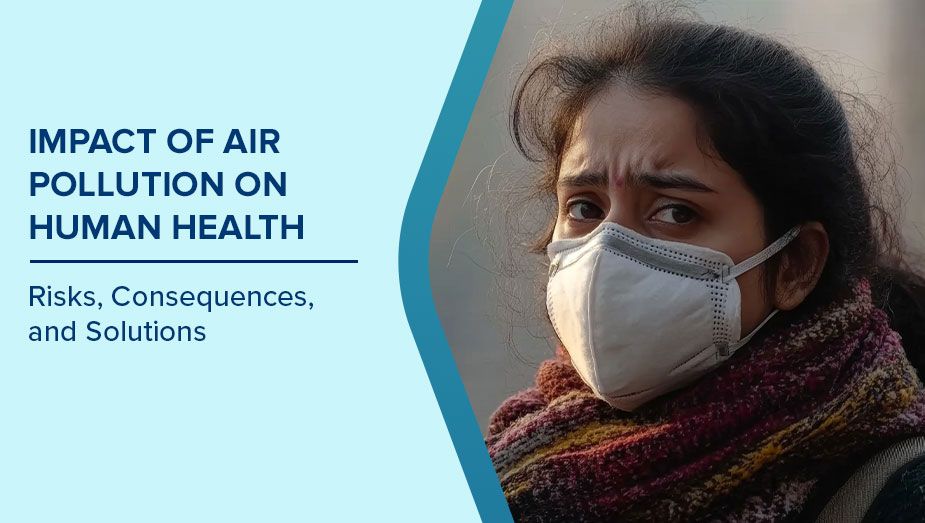
Call Us+91 926 888 0303Impact of Air Pollution on Human Health: Risks, Consequences, and Solutions
By Dr. Shivanshu Raj Goyal in Pulmonology
Jan 05 , 2026 | 7 min read
1

Air pollution is a pressing concern that goes beyond the visible haze that often shrouds our cities. While it's widely acknowledged that air pollution adversely affects the respiratory system, its hidden impact on health encompasses a wide array of conditions, including diabetes, respiratory disorders, blood-related issues, cognitive decline, mental health, gastrointestinal problems, skin conditions, reproductive health and cardiovascular health. In this comprehensive exploration, we delve into the less-discussed facets of air pollution's influence on our health. But first, let’s cover some basics.
What is Air Pollution?
Air pollution can be described as the presence of pollutants such as smoke, dust, etc., which are known to have an adverse impact on the health of humans and other living beings, and can also cause damage to the climate or materials. Common air pollutants include:
- Particulate matter (PM10 and PM2.5)
- Carbon monoxide (CO)
- Nitric oxide (NO)
- Nitrogen dioxide (NO2)
- Ozone (O3)
- Sulphur dioxide (SO2)
- Volatile organic compounds (VOC)
- Ammonia
How does Air Pollution Affect Human Health?
Air pollution has a far-bearing impact on human health. Here are some short- and long-term effects of air pollution on human health:
Respiratory Disorders
Pollutants in the air can irritate the airways, leading to inflammation and exacerbating asthma, chronic bronchitis, and chronic obstructive pulmonary disease (COPD), leading to reduced lung function and increased hospitalisation for respiratory issues.
Blood-related Issues
Exposure to air pollution has been linked to anaemia, characterised by a lower-than-normal red blood cell count.Elevated blood pressure is another consequence, increasing the risk of hypertension and related cardiovascular problems.
Cognitive Decline
Air pollution may contribute to cognitive decline through mechanisms involving inflammation, oxidative stress, and the promotion of neurotoxicity. Especially in older adults and can lead to Alzheimer’s disease and dementia.
Gastrointestinal Problems
While less studied than respiratory and cardiovascular issues. The mechanisms involved may include the inhalation of pollutants and their interaction with the gut microbiome.
Skin Conditions
Pollutants in the air can lead to skin irritation and exacerbate conditions like eczema. Particulate matter and other airborne pollutants can contribute to skin inflammation, oxidative stress, and premature skin ageing.
Reproductive Health
Emerging evidence suggests that air pollution may affect fertility and reproductive health. Air pollution can influence reproductive hormones and affect sperm quality, ovarian function, and menstrual regularity.
Cardiovascular Health
Air pollution is a major risk factor for heart attacks and strokes. Fine particulate matter and pollutants can promote atherosclerosis. This narrowing of arteries increases the risk of heart attacks and strokes, making air pollution a significant contributor to cardiovascular diseases.
Read more - Unveiling the Impact of Air Pollution on the Lungs and Heart
Diabetes
Individuals residing in areas with higher air pollution levels may have a heightened risk of developing diabetes.
Read more - Air Pollution and Its Link to Diabetes
Air Pollution and Smoking
For individuals who smoke, the combined effects of smoking and air pollution can have a compounding impact on health.
Cancers in Non-smokers
The rapid surge in Air Quality Index (AQI) and increasing pollution levels in recent times have led to a concerning health issue: a significant rise in cancer cases among non-smokers. The World Health Organization (WHO) identifies outdoor air pollution as a leading environmental cause of cancer. Particulate matter, volatile organic compounds, nitrogen dioxide, and other pollutants present in the air have been linked to lung cancer, as well as an increased risk of bladder, breast, and other forms of cancer among non-smokers. The concerning aspect is that these individuals, not engaging in smoking habits, are nonetheless experiencing higher incidences of cancer due to their prolonged exposure to polluted air.
Air Pollution and the Impact of Smog
Smog, characterised by high levels of ground-level ozone and particulate matter, is a severe form of air pollution often found in urban areas. Prolonged exposure to smog can lead to severe health implications, including respiratory problems and cardiovascular issues.
Read more - Care for Eyes Against Smog & Pollution!
Effects of Air Pollution on Vulnerable Groups
While air pollution is harmful for everyone, certain groups are more vulnerable to its impacts. Here’s how air pollution affects specific groups:
Children and Infants
Children’s lungs are still developing, and exposure to pollutants can stunt their development, which can lead to reduced lung function and higher risk of respiratory diseases. Moreover, as their immune systems are not yet fully developed, children are at a higher risk of contracting respiratory infections and illnesses.
Older Adults
Older adults, being exposed to pollutants for a longer period, have a higher risk of developing respiratory conditions such as asthma and COPD. Moreover, prolonged exposure to pollutants increases the risk of heart attacks and strokes. Lastly, as the immune system weakens with age, just like children, the elderly are at a higher risk of contracting infections and illnesses.
Pregnant Women and Unborn Children (Foetuses)
Exposure to high levels of air pollution during pregnancy can cause low birth weight, premature birth, and developmental delays. It is noteworthy that many air pollutants can cross the placenta, directly affecting the developing foetus and impeding the development. Lastly, air pollution can worsen the symptoms of any allergies, impacting mother’s and foetal’s health.
People with Pre-existing Respiratory Conditions
Air pollution is particularly harmful for those with pre-existing respiratory conditions such as asthma and bronchitis, as it can aggravate the symptoms, often leading to emergencies, requiring immediate medical intervention and/or hospitalisation. If the symptoms are not effectively managed, they can impact the person’s quality of life.
Athletes and Sportspersons
Athletes and sportspersons, especially runners and cyclists, have to breathe more deeply and frequently to fulfil their body’s oxygen requirements. As a result, they may inhale more pollutants than regular people, which puts them at a higher risk of developing respiratory and cardiovascular issues. Moreover, prolonged exposure to air pollution can decrease lung capacity and exercise tolerance over time.
Steps to Reduce the Impact of Air Pollution
There are various steps that you can take to reduce the exposure to air pollution and its impact on your health. These include:
- Keep an Eye on Air Quality Levels: There are many air quality apps or websites that allow you to check pollution levels in your area. Use any such app or website and avoid outdoor activities when pollution levels are high.
- Stay Indoors during Peak Pollution Hours: Air pollution generally peaks during rush hours and in the early morning or evening. It is, therefore, advisable to plan your outdoor activities during midday, when pollution levels are generally lower.
- Use Protective Masks: When stepping out, wear a high-quality protective mask, preferably an N95 or N99, to filter out pollutants. When buying a mask, make sure it fits you well, so that it offers effective filtration.
- Use Air Purifiers: Air purifiers can be particularly helpful when it comes to limiting your exposure to air pollution. Invest in high-quality air purifiers with HEPA filters, and place them in different parts of your home, especially those areas where you spend most of your time.
- Natural Ventilation: When outdoor pollution is low, open the windows to let fresh air in. You can also use exhaust fans in kitchens and bathrooms to eliminate indoor pollutants.
- Choose Low-Pollution Routes: When travelling, especially when walking or biking, avoid taking main roads that generally have heavy traffic and high levels of air pollution. Instead, choose routes with less traffic, if available.
- Air Purifying Indoor Plants: Certain indoor plants, such as Peace lilies, spider plants, snake plants, golden pothos, and bamboo palms are known to filter air and improve the quality of indoor air. You can plant some of these species inside your home.
When To See A Doctor?
While exposure to air pollution often produces temporary issues such as cough and congestion, if the symptoms persist, it is advisable to consult a doctor. Here are some such scenarios that call for a consultation with a doctor:
- Persistent Respiratory Problems: If you experience a cough, sore throat, wheezing, or shortness of breath, and the condition doesn’t improve after a few days, it could be a sign of respiratory conditions such as asthma or bronchitis. In such cases, it’s advisable to consult a doctor.
- Frequent Headaches or Watery Eyes: Persistent headaches or watery eyes (often associated with irritation) could be caused by prolonged exposure to air pollutants. A doctor can assess whether these symptoms are linked to pollution or an underlying health condition.
- Chest Pain or Tightness: Persistent chest pain, pressure, or tightness can be a sign of an underlying heart problem, which can be worsened by polluted air. In such cases, it is important to consult a doctor as soon as possible.
- Severe Allergic Reactions: Symptoms such as swelling, difficulty breathing, or a rash could indicate a severe reaction to pollutants or allergens. If the symptoms persist, waste no time in consulting a doctor.
- Constant Fatigue and Weakness: If you feel unusually tired, weak, or have a general sense of malaise, and the feeling persists, it is advisable to consult a doctor to find out whether the culprit is pollution or any underlying health condition.
- Changes in. Mental Health: Exposure to air pollutants can also impact your mental health. If you experience anxiety, mood swings, or any other unusual changes in your mental health, it is advisable to consult a doctor.
- Worsening of Chronic Conditions: If you have asthma, COPD, or any respiratory or cardiovascular condition, and the symptoms are worsening, it is important to consult a doctor as soon as possible.
Conclusion
Increasing air pollution is a concern all over the world, but it is a much bigger concern in developing countries due to a variety of factors, ranging from rampant construction activities to less-than-perfect implementation of environmental laws. That’s why it is all the more important for people in such places to keep their guards up, and consult a doctor if they experience any worrying symptoms that won't go away on their own. Remember, the sooner a problem is diagnosed, the better are the outcomes. So, don’t delay consulting a doctor.
Written and Verified by:

Related Blogs

Medical Expert Team
Jun 06 , 2015 | 2 min read

Blogs by Doctor

Climate Change and Tuberculosis: Risks, Challenges & Solutions
Dr. Shivanshu Raj Goyal In Pulmonology
Apr 02 , 2025 | 3 min read
Smoking and Vaping: How They Damage Your Lungs Over Time
Dr. Shivanshu Raj Goyal In Pulmonology
Sep 02 , 2025 | 2 min read
Most read Blogs


Related Blogs
Medical Expert Team
Jun 06 , 2015 | 2 min read
Blogs by Doctor
Climate Change and Tuberculosis: Risks, Challenges & Solutions
Dr. Shivanshu Raj Goyal In Pulmonology
Apr 02 , 2025 | 3 min read
Smoking and Vaping: How They Damage Your Lungs Over Time
Dr. Shivanshu Raj Goyal In Pulmonology
Sep 02 , 2025 | 2 min read
Most read Blogs