 WhatsApp Us (24/7)
 +91 926 888 0303 (24/7)


To Book an Appointment
Call Us+91 926 888 0303H3N2 Influenza: Here's What You Should Know to Protect Yourself
By Dr. Rommel Tickoo in Internal Medicine
Jan 05 , 2026 | 14 min read
2

The cases of H3N2 influenza are rising rapidly in Delhi and nearby regions with patients experiencing persistent fevers, severe coughs, body aches, and fatigue. The symptoms are lasting longer than usual, making recovery slower, and sometimes leading to complications, particularly in elderly, young children, and people with pre-existing health conditions. With a steep increase in cases, knowing how H3N2 spreads and recognising early warning signs is more important than ever. In this blog, we’ll cover everything you need to know about H3N2 influenza, from its causes and symptoms to practical steps to protect yourself and your loved ones.
What is H3N2 Influenza?
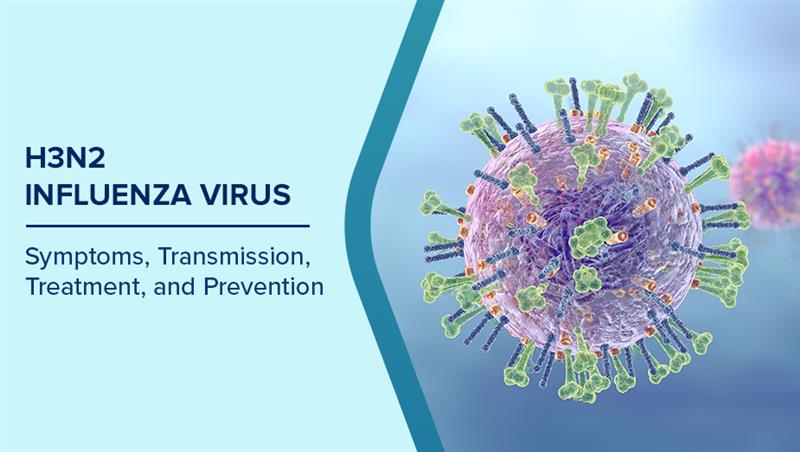
H3N2 influenza is a type of seasonal flu caused by the influenza A virus. It is one of the several strains of the flu virus that circulate every year, but H3N2 is known for causing more severe illness and faster spread compared to some other strains. This virus primarily attacks the respiratory system, leading to symptoms such as fever, cough, sore throat, and body aches. While anyone can contract H3N2, older adults, young children, and people with chronic health conditions are more likely to experience complications. Each flu season, the virus can undergo small changes, which is why annual vaccination and preventive measures are important to reduce infection risk.
How Does H3N2 Spread?
H3N2 influenza spreads easily and quickly, and understanding the ways it transmits can help reduce your risk. Key modes of transmission include:
- Respiratory droplets: The virus is released into the air when an infected person coughs, sneezes, or talks. These droplets can be inhaled by people nearby, causing infection.
- Direct contact with infected individuals: Shaking hands, hugging, or other close contact with someone who has H3N2 can spread the virus.
- Contaminated surfaces: The virus can survive on surfaces such as door handles, mobile phones, keyboards, and shared objects. Touching these surfaces and then your face (especially eyes, nose, or mouth) can lead to infection.
- Crowded places: Public transport, markets, offices, or events with large gatherings increase exposure risk due to close proximity to infected individuals.
- Household transmission: Family members living in the same home as someone infected are at higher risk, especially if precautions like masks or hand hygiene are not followed.
- Airborne spread in enclosed spaces: In poorly ventilated areas, the virus can linger in the air longer, increasing the chance of inhalation and infection.
- Asymptomatic carriers: Some individuals may carry and spread the virus even before showing symptoms, making vigilance important even around seemingly healthy people.
Who is Most at Risk of H3N2?
Although H3N2 influenza can affect anyone, certain groups are more vulnerable to severe illness or complications. Groups more at-risk of contracting the disease include:
- Older adults (60 years and above): Immune function tends to weaken with age, making it harder to fight infections. Older adults are more likely to experience prolonged illness, severe respiratory symptoms, and complications such as pneumonia.
- Young children (especially under 5 years): Children’s immune systems are still developing, which increases their susceptibility. Infants and toddlers are particularly at risk of severe flu, dehydration, and secondary infections.
- People with chronic health conditions: Individuals with diabetes, heart disease, asthma, chronic lung disease, or kidney disorders may face more severe symptoms and higher chances of complications. Flu can worsen underlying conditions, making early care critical.
- Pregnant women: Pregnancy can alter the immune response, making women more prone to severe flu infections. H3N2 during pregnancy may also increase the risk of complications for the unborn baby.
- Immunocompromised individuals: People undergoing treatments like chemotherapy, taking steroids, or with conditions that weaken the immune system are at higher risk. They may experience prolonged illness and slower recovery.
- Residents of crowded or enclosed environments: Those living in nursing homes, hostels, or shared accommodation are more likely to be exposed to the virus due to close contact and limited ventilation.
- Healthcare workers and caregivers: Frequent exposure to sick individuals increases the likelihood of contracting the virus. Proper protective measures are essential to prevent infection.
People with lifestyle factors that weaken immunity, Poor nutrition, lack of sleep, high stress, or smoking, can reduce the body’s ability to fight the virus, increasing vulnerability to severe flu symptoms.
What are the Symptoms of H3N2?
H3N2 influenza can affect people differently, and symptoms may range from mild to severe. Early recognition is important for prompt treatment and preventing complications:
- Fever and chills: High fever (often 38–40°C) is a common early symptom. Fevers may persist longer than a regular flu, sometimes lasting several days. Chills often accompany the fever.
- Persistent cough: Usually dry, but can become productive in some cases. The cough may lead to chest discomfort or mild pain and can last longer than typical flu-related coughs.
- Sore throat and nasal congestion: A sore throat may make swallowing painful, while congestion or a runny nose can make breathing through the nose difficult.
- Body aches and muscle pain: Widespread muscle soreness, joint aches, and fatigue are frequent, making everyday activities more tiring.
- Headaches: Moderate to severe headaches, sometimes accompanied by light or sound sensitivity.
- Fatigue and weakness: Prolonged tiredness can last even after other symptoms have eased, affecting work, school, or daily routines.
- Sneezing and runny nose: Often more common in mild cases, but contribute to the spread of the virus to others.
- Gastrointestinal symptoms: Nausea, vomiting, or mild diarrhoea may occur, particularly in children, and can increase the risk of dehydration.
- Shortness of breath or difficulty breathing: Can indicate complications such as pneumonia, especially in older adults or people with chronic respiratory conditions.
- Worsening of chronic conditions: Existing illnesses like asthma, heart disease, or diabetes can flare up, leading to more severe illness.
- Loss of appetite: Reduced desire to eat or drink, which may contribute to weakness and slower recovery.
- Sweating and chills alternation: Some patients experience alternating episodes of sweating and chills, a sign of fluctuating fever.
How is H3N2 Infection Diagnosed?
Diagnosing H3N2 influenza requires a combination of clinical judgment and laboratory confirmation in some cases. Doctors usually start with a detailed discussion about symptoms and medical history before ordering tests (if needed).
Clinical Evaluation: The first step is often a thorough review of symptoms such as high fever, persistent cough, sore throat, fatigue, and body aches. Doctors also ask about the duration of these symptoms, recent contact with people showing flu-like illness, or any link to regions currently experiencing a rise in H3N2 cases. This initial assessment helps them decide whether the illness is likely influenza or another respiratory infection.
Physical Examination: A careful physical examination follows, where doctors check the chest and lungs for signs of congestion, wheezing, or abnormal breathing. They may also monitor oxygen saturation levels, heart rate, and overall physical condition. These checks are particularly important to detect signs of pneumonia or other complications that may require immediate attention.
Rapid Influenza Diagnostic Tests (RIDTs): RIDTs are often used when a quick answer is needed. A nasal or throat swab is collected and tested for influenza antigens, with results available in about 15 to 30 minutes. These tests are convenient but not always fully reliable, as their sensitivity is lower compared to advanced methods. A negative test does not always rule out influenza, especially in the presence of strong clinical signs.
RT-PCR Test: The reverse transcription polymerase chain reaction (RT-PCR) test is the most accurate method to confirm influenza infection. It can detect and differentiate between various influenza strains, including H3N2. The test requires specialised equipment and is usually performed in hospital laboratories. Although results take longer than RIDTs, they provide high accuracy, which is valuable in severe cases, outbreaks, or when treatment decisions depend on precise identification.
Viral Culture: Viral culture is rarely used for routine diagnosis due to the time it takes, often several days. However, it remains an important tool for public health laboratories and research, as it helps in studying the virus in detail and monitoring its behaviour over time.
Chest X-ray: In patients showing severe symptoms such as breathing difficulty or chest pain, doctors may recommend a chest X-ray. This imaging test helps detect complications like pneumonia or bronchitis and guides further treatment, especially in elderly patients or those with pre-existing respiratory or heart conditions.
What are the Treatment Options?
H3N2 influenza does not have a single cure, but several treatment approaches help manage the illness, reduce severity, and prevent complications. These include:
Antiviral Therapy: Antiviral medicines are the main targeted treatment for influenza, including H3N2. They work by limiting the virus’s ability to multiply inside the body, which can ease symptoms and prevent them from worsening. These medicines are most effective when started within 48 hours of the first signs of illness. Doctors usually consider them for patients who are at higher risk, such as the elderly, young children, pregnant women, and those with chronic medical conditions. Even if started later, antivirals may still be useful in reducing complications in severe cases.
Supportive Care at Home: For most people, H3N2 can be managed at home with supportive measures. Adequate rest allows the immune system to fight off the virus more effectively. Staying hydrated is also crucial because fever, sweating, and reduced appetite can quickly lead to fluid loss. Warm fluids, steam inhalation, and simple soothing remedies can help ease throat irritation, congestion, and cough. Pain relievers or fever reducers may be advised by doctors to make patients more comfortable, though these do not treat the virus itself.
Hospital-Based Management: Some patients, especially those with breathing difficulties, very high fever, or other complications, may need hospital treatment. In these situations, medical teams provide oxygen therapy for patients with low oxygen levels, intravenous fluids for dehydration, and medicines to stabilise vital signs. Patients with severe respiratory problems may require ventilatory support in intensive care. This level of management is particularly important for elderly patients and those with underlying illnesses such as asthma, diabetes, or heart disease.
Management of Secondary Infections: Influenza weakens the body’s defences, which can sometimes lead to secondary bacterial infections such as pneumonia, bronchitis, or sinusitis. When this happens, antibiotics may be prescribed, but they are not used against the H3N2 virus itself. Doctors usually decide on this after examining the patient or confirming the infection with tests. Treating these secondary complications promptly is key to preventing worsening illness.
How Can You Prevent H3N2 Infection?
Prevention plays the most important role in controlling H3N2 influenza. Since the virus spreads easily through droplets and contaminated surfaces, a combination of vaccination, hygiene practices, and healthy lifestyle measures can significantly reduce the risk of infection.
- Vaccination Against Influenza: The seasonal flu vaccine is one of the most effective ways to lower the chances of contracting H3N2. Although vaccines may not always give complete protection, they reduce the severity of symptoms and lower the risk of complications. Annual vaccination is recommended because influenza viruses frequently change their strains. High-risk groups such as children, elderly, pregnant women, and people with chronic illnesses benefit the most from vaccination.
- Good Hand Hygiene: Regular handwashing with soap and water for at least 20 seconds helps remove virus particles that may be picked up from surfaces. Alcohol-based sanitisers are useful when soap and water are not available. Touching the face, especially the nose, eyes, and mouth, should be avoided after contact with public surfaces, as this is a common route for the virus to enter the body.
- Wearing Masks in Crowded Places: Since H3N2 spreads mainly through droplets released when an infected person coughs or sneezes, wearing a mask in crowded or poorly ventilated areas provides an added layer of protection. Masks also reduce the chances of spreading the virus if someone is already infected.
- Practising Respiratory Etiquette: Covering the mouth and nose with a tissue or elbow when coughing or sneezing prevents the spread of virus-laden droplets. Used tissues should be disposed of immediately, and hands should be cleaned right after. These simple habits reduce the risk of infecting others at home, school, or work.
- Maintaining Physical Distance: During flu surges, keeping a safe distance from people who show symptoms such as coughing, sneezing, or fever can lower the risk of exposure. Staying at home when feeling unwell is equally important to avoid transmitting the virus to others.
- Strengthening Immunity: A strong immune system improves the body’s ability to fight off infections, including H3N2. Eating a balanced diet rich in fruits, vegetables, and proteins, staying hydrated, and getting adequate sleep are vital. Regular physical activity also boosts immunity and overall respiratory health.
- Keeping Indoor Spaces Ventilated: Good airflow in homes, offices, and schools reduces the concentration of virus particles in the air. Opening windows or using air purifiers can help maintain cleaner indoor air, especially during seasonal outbreaks.
- Avoiding Self-Medication: Taking antibiotics or over-the-counter drugs without medical advice should be avoided, as these do not prevent influenza and may cause side effects. Instead, focusing on preventive measures and seeking medical guidance at the first sign of illness is safer and more effective.
When Should You See a Doctor?
Most people recover from H3N2 influenza with rest, fluids, and supportive care. However, in some cases, the infection can worsen and lead to complications such as pneumonia or breathing difficulties. Seeking medical attention at the right time is important to prevent serious outcomes. You should consult a doctor if you notice any of the following:
- High and persistent fever: A fever that does not come down with basic treatment or lasts more than three days may indicate complications.
- Breathing difficulties: Shortness of breath, chest tightness, or wheezing should be taken seriously, as they may signal lung involvement.
- Severe weakness or confusion: Extreme tiredness, dizziness, or changes in alertness require prompt medical care.
- Persistent cough with chest pain: A cough that worsens or produces coloured sputum could point to a secondary bacterial infection.
- Dehydration: Signs such as dry mouth, low urine output, or dizziness suggest that the body is not getting enough fluids.
Timely consultation helps in early diagnosis and treatment, which lowers the risk of severe illness and hospitalisation.
Consult Today
H3N2 can present more serious risks than the common flu and it’s best to not ignore any signs. If you’ve been noticing flu-like symptoms that don’t seem to ease up, the next step is to get checked by a pulmonologist at Max Hospital. They deal with lung and respiratory infections every day and can guide you on the right treatment before things get complicated. Book an appointment today and make sure you’re not taking unnecessary chances with your health.
Frequently Asked Questions
Can H3N2 influenza come back after recovery?
Yes, it is possible to get infected with H3N2 again after recovery. Unlike some illnesses that provide long-term immunity, influenza viruses change frequently through mutations. This means your body may not fully recognise the virus during a future outbreak. As a result, even if you have already had H3N2, you may still be vulnerable in the next flu season.
Is H3N2 influenza the same as swine flu or seasonal flu?
H3N2 is a subtype of the influenza A virus and is different from swine flu (H1N1) or other seasonal flu strains. While all of these are influenza viruses, each subtype behaves slightly differently. H3N2 is known for causing more severe and longer-lasting symptoms compared to some other strains, and outbreaks often put added pressure on hospitals during flu season.
How long does H3N2 influenza usually last?
In most people, symptoms of H3N2 influenza last around 7 to 10 days. However, recovery can sometimes feel slower because fatigue, cough, and weakness may continue for two weeks or more. The duration depends on a person’s age, general health, and immune strength. Those with weaker immunity may take longer to fully recover.
Can children take the flu vaccine for H3N2?
Yes, children older than six months can receive flu vaccines, which often include protection against H3N2. Doctors usually recommend flu shots every year for children, as they are more prone to severe complications from influenza. Annual vaccination helps reduce both the risk of infection and the chances of spreading the virus to others in the family.
Can home remedies cure H3N2 influenza?
Home remedies such as drinking warm fluids, inhaling steam, and resting can provide relief from discomfort, but they cannot cure the infection. These measures help in easing congestion and soothing symptoms, but medical advice is essential to ensure the infection does not worsen. For people in high-risk groups, relying only on home remedies can be risky.
Does H3N2 influenza spread through food or water?
H3N2 spreads through respiratory droplets that are released when an infected person coughs, sneezes, or talks. It does not spread through food or drinking water. However, practising good hygiene, such as washing hands before eating and avoiding shared utensils, remains important because the virus can survive on surfaces for short periods.
How is H3N2 different from COVID-19 symptoms?
H3N2 influenza and COVID-19 share common signs such as fever, cough, and body aches, which can make it difficult to distinguish between them without testing. However, loss of taste or smell is more strongly associated with COVID-19. On the other hand, H3N2 often causes more intense chest congestion, wheezing, and a lingering cough that may last longer than other flu strains.
Can H3N2 influenza lead to complications if untreated?
Yes, untreated H3N2 influenza can lead to complications such as pneumonia, bronchitis, ear infections, or worsening of chronic conditions like asthma, diabetes, and heart disease. These complications are more common in children, older adults, and people with weak immunity. Seeking timely treatment reduces the risk of serious illness and hospitalisation.
Written and Verified by:

Related Blogs


Dr. Vandana Boobna In Internal Medicine
Nov 08 , 2020 | 2 min read
Blogs by Doctor


Dengue Fever: Risk Factors, Variants, Vaccine & Latest Trends
Dr. Rommel Tickoo In Internal Medicine
Aug 25 , 2024 | 2 min read
Most read Blogs


Related Blogs
Dr. Vandana Boobna In Internal Medicine
Nov 08 , 2020 | 2 min read
Blogs by Doctor
Dengue Fever: Risk Factors, Variants, Vaccine & Latest Trends
Dr. Rommel Tickoo In Internal Medicine
Aug 25 , 2024 | 2 min read
Most read Blogs