 WhatsApp Us (24/7)
 +91 926 888 0303 (24/7)


To Book an Appointment
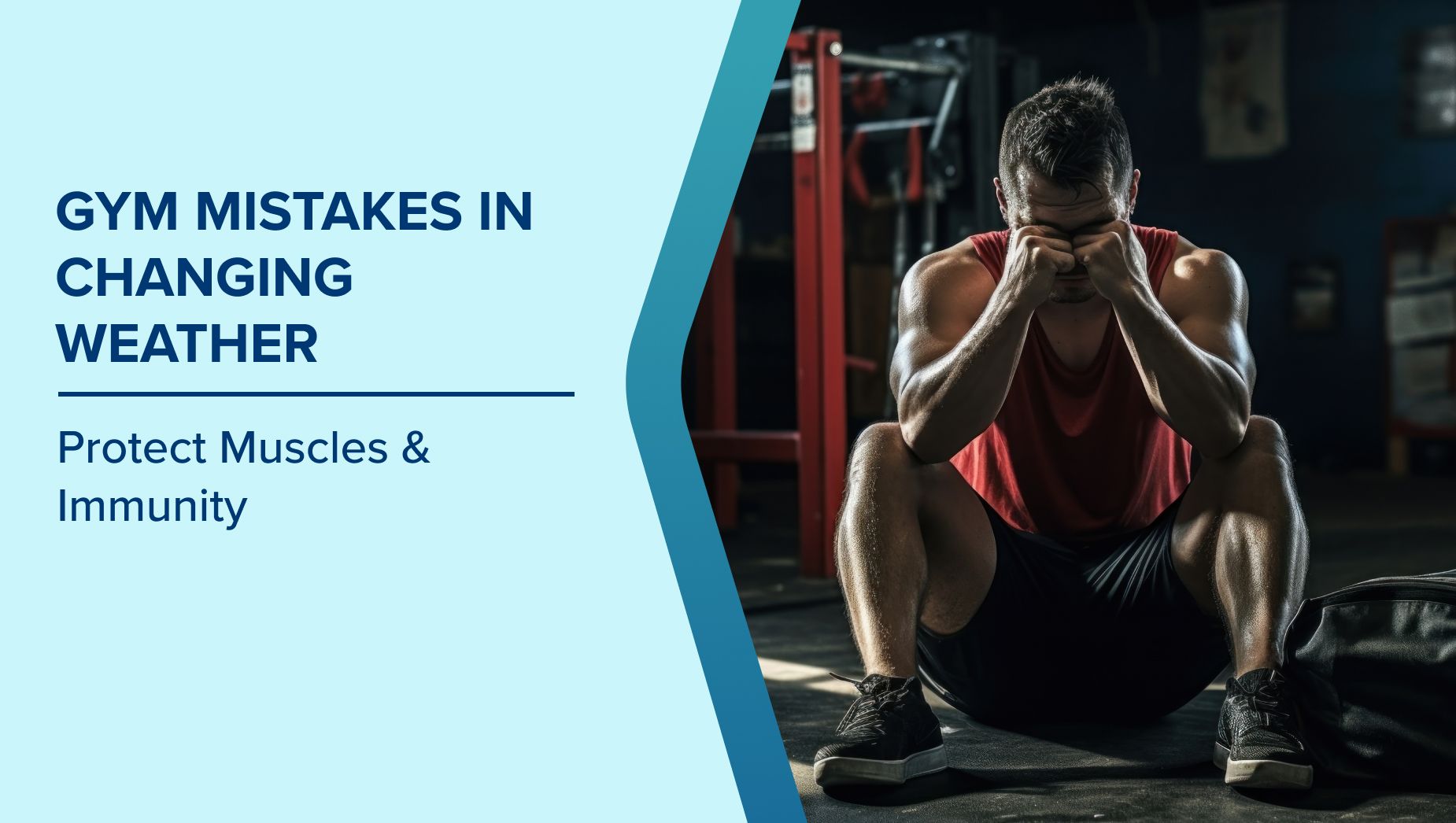
Call Us+91 926 888 0303Gym Mistakes in Changing Weather: Protect Muscles & Immunity
By Dr. Lakshay Goel in Orthopaedics & Joint Replacement , Arthroscopy & Sports Injury , Robotic Surgery
Dec 29 , 2025 | 5 min read
1

Seasonal transitions bring a sudden shift in temperature, humidity, and air quality. These changes affect how your body performs, how your muscles recover, and how your immune system responds to physical stress. While regular exercise is important for health, many people unknowingly push their bodies in unsafe ways during weather changes. These mistakes can slow progress, weaken immunity, trigger injuries, and make gym workouts feel harder than they should.
Why Does Weather Change Affect Your Gym Performance
The weather has a direct impact on your body’s internal balance. A sudden drop or rise in temperature affects blood flow, hydration, breathing rate, joint mobility, and energy levels. As your body spends extra energy adapting to environmental changes, it becomes more sensitive to workout errors.
Common reasons your body reacts differently during weather transitions include:
- A shift in body temperature regulation
- Slower muscle warm-ups due to colder mornings
- Dry air that affects breathing and hydration
- Sudden fatigue because of rising humidity
- Increased risk of joint stiffness
- Higher susceptibility to infections affecting stamina
Because of these factors, even minor mistakes during workouts can lead to discomfort, reduced progress, and injuries.
Gym Mistake 1: Skipping Proper Warm-Up During Weather Change
Warmups are often ignored, especially when people are in a hurry. During weather change, this becomes a major problem. Colder or fluctuating temperatures make muscles tighten and joints less flexible. When you start lifting weights or running without preparing your body, the chances of muscle strain and joint pain increase.
What to do instead
Start with a gradual warm-up that increases heart rate and boosts circulation. Light jogging, brisk walking, mobility drills, and dynamic stretches help your muscles become more responsive. A proper warmup prepares your body to adapt to the workout and the changing weather.
Gym Mistake 2: Overtraining Because You Feel Sluggish
Weather change often makes people feel tired or dull. Many gym goers push themselves harder to compensate for this low energy. Overtraining during seasonal transition is risky because your body is already adjusting to environmental changes. Excessive exercise forces your muscles and immune system to work harder, which leads to fatigue and slower recovery.
What to do instead
Balance intensity with adequate rest. Plan your workouts according to how your body feels. Allow at least one to two rest days every week. Your progress improves when your body gets time to repair muscle tissue.
Gym Mistake 3: Ignoring Hydration When the Weather Is Cool
People often drink less water in cooler weather because they do not feel thirsty. However, the body still loses fluids through sweat and breathing. Dry or cool air increases water loss, which leads to dehydration. When hydration drops, muscle cramps become common, stamina reduces, and recovery slows.
What to do instead
Drink water before, during, and after your workout. Keep a bottle with you and take small sips regularly. Coconut water or electrolyte-rich drinks may help if you sweat heavily.
Gym Mistake 4: Wearing the Wrong Workout Clothes
During weather shifts, people either overdress or underdress for the gym. Heavy clothing traps heat and makes you dehydrated faster. Thin clothing during colder days can cause chills and muscle tightness.
What to do instead
Choose breathable, flexible gym wear. Use one light layer that you can remove after warming up. When the weather turns cold, keep your joints covered until your body temperature rises.
Gym Mistake 5: Not Adjusting Workout Intensity to Weather Conditions
Heat and humidity increase heart rate quickly. Cold temperatures reduce muscle elasticity. Doing the same high intensity routine without considering weather changes puts extra stress on the body.
What to do instead
Modify your workout intensity. Reduce the weight you lift on days when your body feels tight or tired. Increase breaks between sets. Gradually increase intensity when your body feels more adaptable.
Read More:- Fit & Proper: Don't ignore the injured muscle
Gym Mistake 6: Poor Breathing Practices During Humidity or Dry Air
Humidity makes breathing feel heavy. Dry air irritates the nasal and throat passages. Many people hold their breath during exercises without realising it. Poor breathing affects performance and makes workouts feel more tiring.
What to do instead
Focus on steady breathing. Inhale through your nose and exhale through your mouth. Synchronise your breath with your movements. This helps improve oxygen flow and enhances stamina.
Gym Mistake 7: Using Cold Water Immediately After Workout in Winter
Many people drink chilled water immediately after exercising. During colder weather, this can cause throat irritation and discomfort in the chest. It may also slow digestion and make your body feel uneasy.
What to do instead
Drink water at room temperature after your workout. It keeps your throat comfortable and helps your body return to a normal state without sudden temperature shocks.
Gym Mistake 8: Rushing Through Recovery After Intense Workouts
Weather changes affect how your muscles respond to effort. They may feel more sore than usual. When people skip cool-down or stretching sessions, the tightness becomes worse. This leads to stiffness, reduced flexibility, and increased injury risk.
What to do instead
End your workout with gentle stretches and slow cooling movements. This helps your muscles relax and recover faster. Recovery is just as important as the workout.
Gym Mistake 9: Ignoring Sleep During Seasonal Changes
Weather changes often disturb sleep patterns. Poor sleep affects muscle recovery, energy levels, concentration, and immune strength. When people continue training with low sleep quality, their bodies become more prone to injury.
What to do instead
Maintain a regular sleep routine. Keep your room comfortable. Avoid heavy meals before bedtime. Good sleep improves workout performance and keeps your immunity strong.
Read More:- Understanding Myositis: Symptoms, Causes, Diagnosis, Treatment
Gym Mistake 10: Using Indoor Heating or Cooling Without Considering Air Quality
Many gyms use heaters or strong air conditioning during seasonal shifts. This can dry the air or reduce ventilation. Poor indoor air quality affects breathing and increases fatigue.
What to do instead
Choose workout spots with better airflow. Avoid staying too close to heaters or AC vents. Step outside for fresh air after your session whenever possible.
FAQs
Does weather change affect how often I should go to the gym?
Yes, you may need to adjust your workout frequency based on how your body responds to temperature and humidity shifts.
Can weather change reduce motivation to exercise?
Seasonal changes can influence mood and energy levels, which may make workouts feel harder to start.
Is it normal to feel more hungry during weather transitions while working out?
Many people notice an increase in appetite because the body uses more energy to maintain temperature balance.
Can indoor gym environments affect skin during weather changes?
Yes, low humidity, heaters, and air conditioning can make the skin feel dry or irritated.
Should beginners follow a different approach to gym training during weather changes?
Beginners may benefit from shorter sessions, slower progressions, and more guidance when the weather shifts, as their bodies take longer to adapt.
Written and Verified by:

Related Blogs


Dr. Ashish Jain In Orthopaedics & Joint Replacement
Nov 07 , 2020 | 1 min read
Blogs by Doctor


ACL Injury Recovery: A Guide to Safely Returning to Sports
Dr. Lakshay Goel In Orthopaedics & Joint Replacement , Robotic Surgery
Dec 10 , 2024 | 4 min read
Most read Blogs


Related Blogs
Dr. Ashish Jain In Orthopaedics & Joint Replacement
Nov 07 , 2020 | 1 min read
Blogs by Doctor
ACL Injury Recovery: A Guide to Safely Returning to Sports
Dr. Lakshay Goel In Orthopaedics & Joint Replacement , Robotic Surgery
Dec 10 , 2024 | 4 min read
Most read Blogs