 WhatsApp Us (24/7)
 +91 926 888 0303 (24/7)


To Book an Appointment
Call Us+91 926 888 0303Food To Relieve Menstrual Cramps: Lifestyle Tips & Prevention
By RD Geeta Buryok in Dietetics , Nutrition And Dietetics
Jan 05 , 2026 | 4 min read

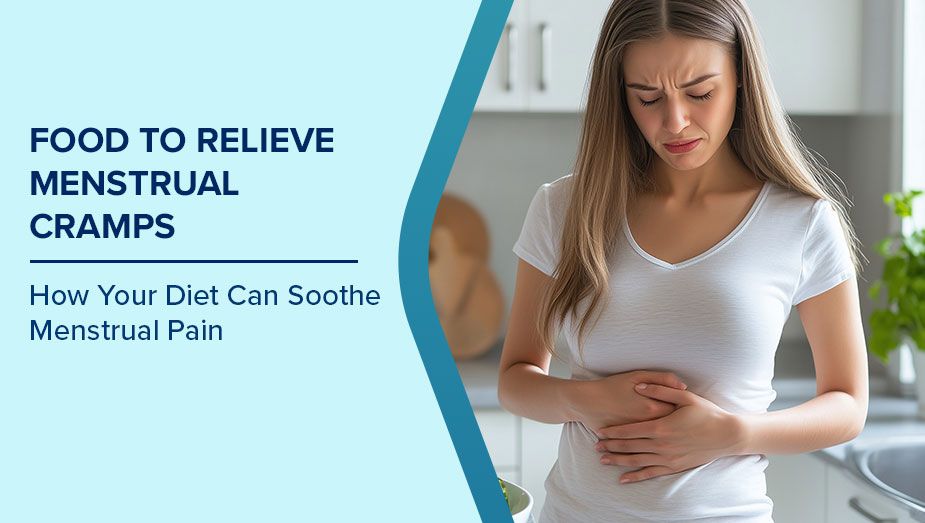
Menstrual cramps, also known as dysmenorrhea, are common among women during their periods. They occur when the uterus contracts to expel its lining, leading to pain in the lower abdomen, back, and thighs. While mild cramps are normal, severe cramps can interfere with daily activities and overall well-being. Factors like hormonal imbalances, poor diet, and stress can worsen menstrual cramps. However, adjusting your diet and lifestyle can help reduce period pain and make your menstrual cycle more manageable. Let’s explore the best foods and nutrients that can help ease menstrual cramps and improve your overall health.
Foods That Help Relieve Menstrual Cramps
Eating nutrient-rich foods can help relax muscles, reduce inflammation, and balance hormones, making your period more comfortable. Here are some of the best foods for period pain relief:
Bananas
- Bananas are high in potassium, which helps relax muscles and reduce bloating.
- They also contain vitamin B6, which helps balance hormones and reduce mood swings.
Avocados
- High in magnesium and potassium, avocados help relax the uterine muscles and prevent cramps.
- They also provide healthy fats that support overall hormonal balance.
Watermelon
- Watermelon is high in water and electrolytes, which help prevent dehydration and reduce bloating.
- It also provides natural sugars for quick energy.
Leafy Greens (Spinach, Kale)
- Rich in magnesium and calcium, which help regulate muscle contractions and reduce cramping.
- Leafy greens also provide iron, which helps replenish blood loss during your period.
Nuts and Seeds
- Almonds, walnuts, and pumpkin seeds provide an excellent source of magnesium and vitamin E.
- These nutrients reduce inflammation and relax muscle tension.
Sweet Potatoes
- High in potassium and magnesium, sweet potatoes help balance muscle contractions and provide lasting energy.
- They are also rich in vitamin A, which supports overall reproductive health.
Fatty Fish (Salmon, Mackerel, Tuna)
- Fatty fish are rich in omega-3 fatty acids that help lower inflammation and ease menstrual discomfort.
- They are also high in vitamin D and magnesium for muscle health and relaxation.
Oranges and Citrus Fruits
- High in vitamin C, which improves iron absorption and reduces muscle inflammation.
- Citrus fruits also provide potassium and hydration to relieve cramps.
Greek Yogurt
- Contains calcium and probiotics that help regulate muscle contractions and improve gut health.
- Calcium also supports nerve function and reduces muscle tension.
Nutrients That Help Prevent Menstrual Cramps
Certain nutrients are essential for muscle relaxation and hormone balance. Including them in your diet can reduce the intensity and frequency of period cramps:
Magnesium
- Magnesium helps relax the uterine muscles and reduces muscle spasms.
- Low magnesium levels are linked to increased period pain and muscle tension.
- Best sources: Leafy greens, nuts, seeds, whole grains, and avocados.
Potassium
- Potassium regulates muscle contractions and prevents muscle cramps.
- It also helps maintain fluid balance and reduces bloating.
- Best sources: Bananas, sweet potatoes, oranges, and spinach.
Calcium
- Calcium is important for helping muscles contract and relax properly.
- Low calcium levels can lead to more intense cramps.
- Best sources: Dairy products, leafy greens, and fortified plant-based milk.
Omega-3 Fatty Acids
- Omega-3 fatty acids possess anti-inflammatory effects that help alleviate period pain and relieve muscle tension.
- They also improve mood and hormone balance.
- Best sources: Fatty fish, flaxseeds, and walnuts.
Hydration
- Dehydration can make cramps worse by increasing muscle stiffness and discomfort.
- Staying hydrated helps remove excess sodium from the body and reduces bloating.
- Best sources: Water, coconut water, and water-rich fruits like watermelon and cucumbers.
Read More:- Menstrual Cycle: All You Need to Know
Foods to Avoid That May Worsen Cramps
Certain foods can worsen period cramps by increasing inflammation, causing bloating, or disrupting hormone balance. Try to limit or avoid these:
Processed and Fast Foods
- High in sodium and trans fats, which can cause bloating and inflammation.
- Processed meats, chips, and ready-to-eat snacks can worsen muscle tension.
Sugary Drinks and Snacks
- Excess sugar can cause rapid rises and drops in blood sugar levels, causing mood swings and tiredness.
- Excess sugar can also cause water retention and bloating.
Caffeine
- Caffeine can cause dehydration and muscle stiffness since it acts as a diuretic.
- It can also increase anxiety and irritability during your period.
Alcohol
- Alcohol dehydrates the body and increases muscle tension.
- It also disrupts sleep patterns and hormone balance, making cramps worse.
Other Lifestyle Tips to Reduce Menstrual Cramps
In addition to eating the right foods, a few lifestyle changes can further ease menstrual cramps and improve overall health:
Stay Hydrated
- Drink 8–10 glasses of water daily to prevent dehydration and bloating.
- Coconut water and herbal teas are also good for staying hydrated.
Stretch and Exercise
- Light exercises like yoga and stretching help improve blood flow and reduce muscle tension.
- Walking, swimming, and cycling can also ease period discomfort.
Eat Balanced Meals
- Add a mix of carbohydrates, proteins, and healthy fats to each meal.
- Balanced meals provide steady energy and prevent sugar crashes.
Get Enough Sleep
- Poor sleep increases stress hormones and muscle tension.
- Try to get 7 to 8 hours of quality sleep each night.
Apply Heat
- Using a warm compress or heating pad can help soothe uterine muscles and ease the discomfort of cramps.
- A warm bath with Epsom salt can also help ease muscle tension.
Read More: Delayed Periods: Causes, Symptoms, Diagnosis and Treatment
Conclusion
Menstrual cramps can be uncomfortable, but adjusting your diet and lifestyle can make a difference. Eating foods rich in magnesium, potassium, calcium, and omega-3s helps reduce muscle tension and inflammation. Avoiding processed and sugary foods, staying hydrated, and getting enough sleep can further prevent and ease cramps. Consulting with a gynaecologist can provide personalized guidance on managing menstrual discomfort. By understanding your body’s needs and making simple dietary changes, you can experience a more comfortable and balanced menstrual cycle.
Frequently Asked Questions
Can drinking more water help reduce menstrual cramps?
Yes, staying hydrated helps prevent muscle stiffness and reduces bloating, making cramps less intense.
Are bananas good for period cramps?
Yes, bananas are rich in potassium, which helps prevent muscle contractions and reduces bloating.
How does magnesium help with period cramps?
Magnesium relaxes the uterine muscles and prevents spasms, reducing the severity of cramps.
Are there any natural remedies for cramps besides food?
Yes, applying heat, stretching, and practising relaxation techniques like yoga can help relieve cramps.
What foods should I avoid to prevent cramps?
Avoid processed foods, sugary snacks, caffeine, and alcohol, as they can increase inflammation and worsen cramps.
Written and Verified by:

Related Blogs

Medical Expert Team
Jun 30 , 2014 | 2 min read

Blogs by Doctor

Sit Down While You Eat. It Makes A Big Difference.
RD Geeta Buryok In Dietetics , Nutrition And Dietetics
Nov 08 , 2020 | 3 min read

What Should Be the Nutrition During Pregnancy?
RD Geeta Buryok In Dietetics , Nutrition And Dietetics
Nov 08 , 2020 | 1 min read
Most read Blogs


Related Blogs
Medical Expert Team
Jun 30 , 2014 | 2 min read
Blogs by Doctor
Sit Down While You Eat. It Makes A Big Difference.
RD Geeta Buryok In Dietetics , Nutrition And Dietetics
Nov 08 , 2020 | 3 min read
What Should Be the Nutrition During Pregnancy?
RD Geeta Buryok In Dietetics , Nutrition And Dietetics
Nov 08 , 2020 | 1 min read
Most read Blogs