 WhatsApp Us (24/7)
 +91 926 888 0303 (24/7)


To Book an Appointment
Call Us+91 926 888 0303Fever Test – Accurate Diagnosis for Dengue, Malaria, Typhoid & Viral Fever
By Dr. Rommel Tickoo in Internal Medicine
Jun 12 , 2025 | 4 min read

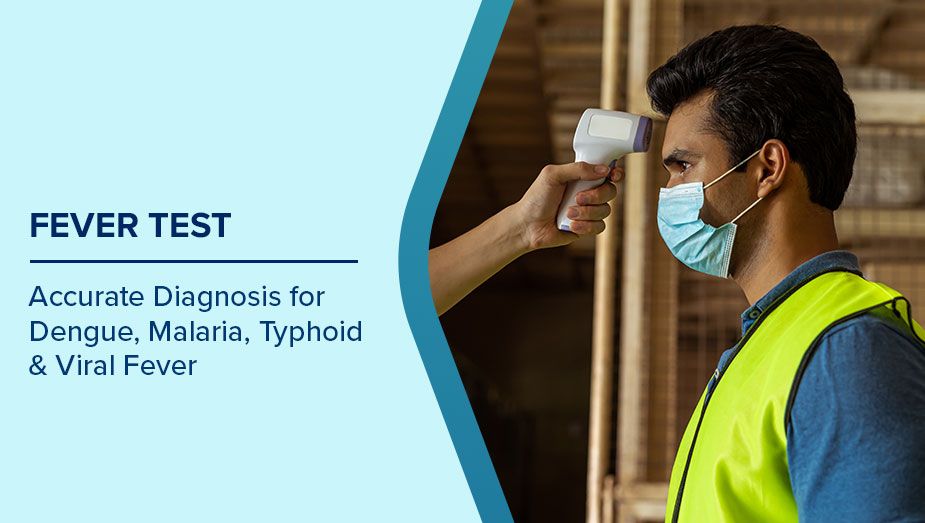
A fever test is a medical procedure used to determine the underlying cause of a fever. Since fever can result from various conditions, such as infections, inflammation, or other medical issues, these tests help diagnose whether the fever is caused by a bacterial or viral infection, or another health condition. A fever test is not just a single test but a combination of diagnostic investigations depending on the symptoms. The goal is to determine what is causing your elevated body temperature.
Common tests included under fever evaluation are:
- Complete Blood Count (CBC)
- Typhoid Test (Widal or Typhidot)
- Malaria Test
- Dengue NS1 Antigen or IgM/IgG Antibody Test
- COVID-19 Test (RT-PCR or Rapid Antigen)
- Urine Routine and Microscopy
- Liver and Kidney Function Tests
- Blood Tests for infection and inflammation markers
- Culture Test to identify the exact pathogen in prolonged or unclear fever cases
These tests help rule out or confirm bacterial, viral, and parasitic infections.
What Does a Fever Test Check For?
A fever test checks for:
- Signs of Infection (Viral, Bacterial, Parasitic): Infections can cause symptoms like fever, fatigue, and pain. The type of infection (viral, bacterial, or parasitic) can affect the treatment approach.
- Abnormalities in White Blood Cells: High or low white blood cell counts can indicate an infection or a blood disorder. They are key in fighting off infections and inflammation.
- Platelet Count in Cases Like Dengue: Low platelet count is common in dengue fever, which can cause bleeding or bruising. It requires close monitoring to avoid serious complications.
- Inflammatory Markers: Tests like CRP and ESR measure inflammation in the body. High levels can indicate conditions like infections or autoimmune disorders.
- Liver and Kidney Function: Blood tests for liver and kidney function check how well these organs are working. Abnormal results may suggest liver disease, kidney failure, or other health issues.
- Culture Test: In cases where the cause of fever is unclear, culture tests (blood, urine, or sputum) may be performed to detect the presence of bacteria, fungi, or viruses and help guide the most effective treatment.
What is FT4 Normal Range?
Although not directly linked to fever, some cases require thyroid evaluation. The Free Thyroxine (FT4) test may be done to rule out hyperthyroidism as a cause of unexplained fever.
Normal FT4 range: 0.8 to 1.8 ng/dL (may vary slightly by lab)
Fever Test Price in India At Max Hospital, patients receive a comprehensive fever panel based on clinical evaluation.
- Includes sample collection, reporting, and doctor review
- International patients can avail customized fever panels
Max Hospital offers accurate and timely testing with access to advanced labs and experienced specialists.
What Diseases Can a Fever Test Detect?
Fever testing helps in diagnosing multiple conditions, including:
- Dengue Fever
- Malaria
- Typhoid
- COVID-19
- Influenza
- Urinary Tract Infection (UTI)
- Pneumonia
- Hepatitis
- Septicemia
Early detection of these conditions can lead to quicker treatment and recovery.
Fever Test Results: What to Expect
Most fever test results are available within 24 to 48 hours. Your doctor will review:
- White blood cell counts (infection markers)
- Platelets (for dengue/malaria)
- Liver/kidney markers (organ damage)
- Antibodies or antigens (infection-specific diagnosis)
- Culture Test reports if applicable (for identifying specific organisms)
Composition and Ingredients of the Fever Test Panel Though a test isn't a medicine, here's what is typically included in a fever test panel:
- CBC – checks infection and inflammation
- Malaria Parasite/Antigen – detects malaria
- Widal Test – confirms typhoid
- Dengue NS1 & IgM/IgG – identifies dengue
- COVID-19 RT-PCR or Rapid Antigen – checks for coronavirus
- Urine Routine – detects urinary tract infections
- LFT/KFT – assesses liver and kidney function
- Blood Test – helps detect overall health changes, infection markers, and organ function
- Culture Test – isolates pathogens in persistent or unclear cases of fever
Each of these components plays a role in identifying the root cause of fever.
Uses of Fever Test
Approved Uses in India
- Fever of unknown origin (FUO)
- Monitoring infectious diseases
- Evaluating suspected dengue, typhoid, or malaria
- Post-travel illness assessment
Off-label Uses
- Pre-employment medical check-ups
- Annual health screening
Specific Conditions It Helps Treat
- High-grade fever
- Recurring fever
- Fevers accompanied by chills, rashes, body pain
Benefits of Fever Test
- Accurate and timely diagnosis
- Customized test panels
- Quick reporting
- Detects infections before complications
Side Effects or Risks of Fever Test There are no major side effects of fever testing. Risks include:
- Minor pain or bruise from blood sample collection
- False positives/negatives in early infections (hence follow-up tests may be needed)
Book Your Fever Test at Max Hospital If you're experiencing symptoms of fever or have recently traveled and are feeling unwell, don’t delay. Max Hospital offers:
- Full fever panel under one roof
- Walk-in or appointment-based testing
- NABL-accredited labs
- Personalized care for both Indian and international patients
Book your fever test now at Max Hospital for accurate results and expert consultation.
Frequently Asked Questions (FAQs)
What are the signs seen in a fever test?
The test ₹may reveal:
- High white blood cell count
- Low platelet count (common in dengue)
- Presence of malaria parasite
- Positive antigen or antibody for infections
Is a fever test done before surgery?
Yes, if a patient has fever symptoms before a scheduled surgery, a fever test is conducted to ensure safety.
How long does a fever test take?
Most results are available within 24–48 hours. Rapid tests may give results in 15–30 minutes.
Is fasting required before a fever test?
Not usually. Most fever tests do not require fasting unless combined with other panels like blood sugar.
Can I take a fever test without a doctor’s prescription?
Yes, especially at private hospitals like Max Hospital. Walk-in testing is available.
Is the fever test safe for children and elderly?
Yes. Fever tests are routinely done across all age groups.
Will insurance cover fever test charges?
In most cases, yes. Check with your provider or hospital billing desk.
Can I get a printed or online report?
Yes. Max Hospital offers both printed and digital reports.
What should I do if my fever test is abnormal?
Follow up with your physician for treatment and, if needed, additional tests for confirmation.
Written and Verified by:

Related Blogs


Dr. Vandana Boobna In Internal Medicine
Nov 08 , 2020 | 2 min read
Blogs by Doctor


Dengue Fever: Risk Factors, Variants, Vaccine & Latest Trends
Dr. Rommel Tickoo In Internal Medicine
Aug 25 , 2024 | 2 min read
Most read Blogs


Related Blogs
Dr. Vandana Boobna In Internal Medicine
Nov 08 , 2020 | 2 min read
Blogs by Doctor
Dengue Fever: Risk Factors, Variants, Vaccine & Latest Trends
Dr. Rommel Tickoo In Internal Medicine
Aug 25 , 2024 | 2 min read
Most read Blogs