 WhatsApp Us (24/7)
 +91 926 888 0303 (24/7)


To Book an Appointment
Call Us+91 926 888 0303Response Time in Medical Emergencies: Why Every Minute Matters
By Dr Camelia Nongrum in Emergency Medicine
Feb 04 , 2026

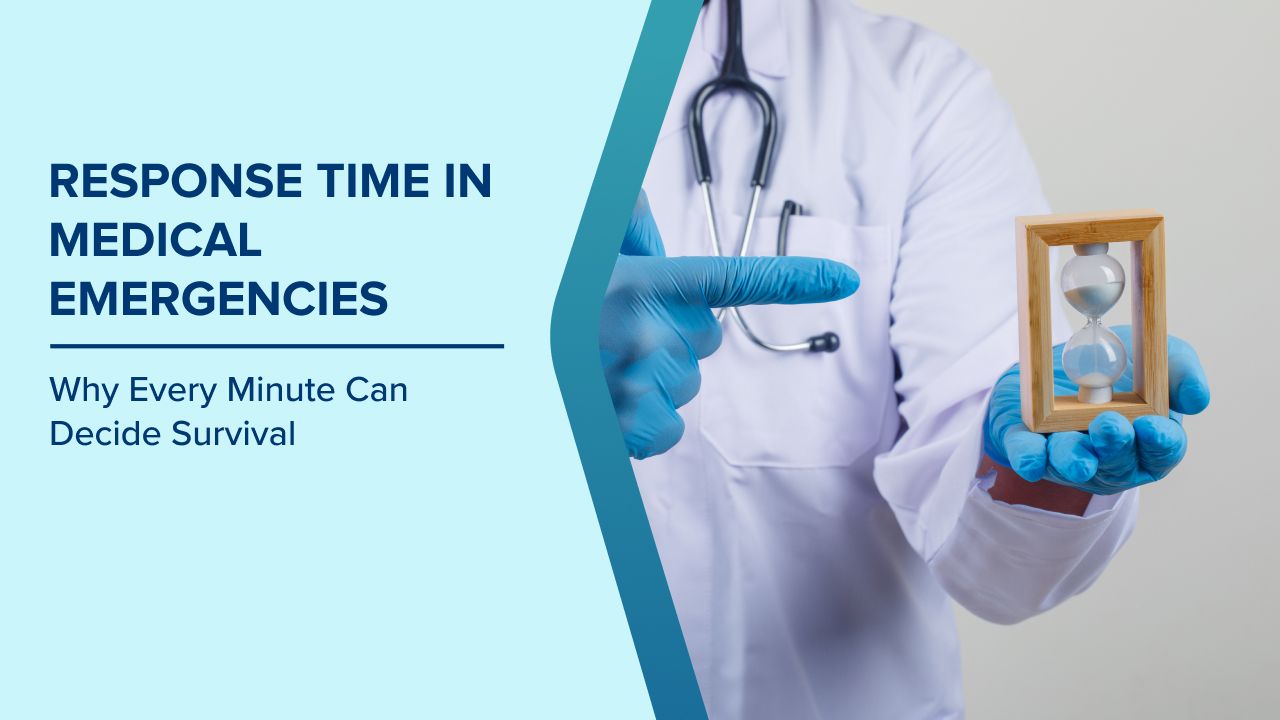
Response time in medical emergencies refers to how quickly a person receives appropriate medical care from the moment symptoms begin or an incident occurs. In conditions such as heart attack, stroke, severe trauma, allergic reactions, or respiratory failure, every minute of delay increases the risk of permanent damage or death. Across the world, emergency medicine consistently shows that faster response time improves survival rates, reduces complications, lowers treatment costs, and shortens recovery periods. Many people underestimate early symptoms, wait for them to pass, or try home remedies first. This delay often turns a manageable emergency into a life-threatening crisis. Understanding why response time matters in medical emergencies helps individuals, families, and communities act decisively, seek timely help, and prevent avoidable loss of life. Quick action saves organs, preserves brain function, and gives doctors the best chance to deliver effective treatment.
What Is Response Time In Medical Emergencies
Response time includes several critical phases that together determine patient outcomes.
- Symptom recognition time: This is the time taken by a person or caregiver to identify that something is wrong. Misjudging symptoms like chest discomfort, sudden weakness, or breathing difficulty is a common cause of delay.
- Decision-making time: This is the period spent deciding whether to seek medical help. Many emergencies worsen because people hesitate, hoping symptoms will improve on their own.
- Emergency access time: This includes the time taken to call emergency services, reach a hospital, or receive ambulance care.
- Medical / Surgical intervention time: This refers to how quickly doctors and emergency teams can diagnose and start treatment once the patient arrives and if any surgical intervention is required.
Each minute lost across these stages increases medical risk, especially in time-sensitive conditions.
Why Response Time Is Critical For Survival And Recovery
The human body can tolerate only short periods of oxygen deprivation or uncontrolled bleeding. Delays allow damage to progress silently.
- Oxygen deprivation and organ damage: The brain begins to suffer irreversible injury within minutes of oxygen loss. Delayed response during stroke or cardiac arrest leads to permanent neurological damage.
- Uncontrolled bleeding: In trauma cases, internal or external bleeding can become fatal within minutes if not controlled.
- Rapid spread of infection: In conditions like sepsis, bacteria and toxins spread quickly through the bloodstream. Early treatment dramatically improves survival.
- Progression of inflammation: Allergic reactions and asthma attacks worsen rapidly if treatment is delayed, leading to airway closure or respiratory failure.
Medical Emergencies Where Response Time Matters The Most
Some conditions are highly time-sensitive and require immediate action.
Heart Attack
- Blocked blood flow damages the heart muscle every minute.
- Early treatment can restore circulation and limit heart damage.
- Delayed care increases the risk of heart failure and death.
Stroke
- Brain cells begin dying within minutes.
- Early clot removal or medication improves recovery.
- Delays lead to paralysis, speech loss, or death.
Cardiac Arrest
- Survival drops sharply without immediate CPR and defibrillation.
- Response time directly determines the recovery of the brain and heart.
Severe Trauma And Accidents
- Early bleeding control saves lives.
- Delays increase the risk of shock and organ failure.
Severe Allergic Reactions
- Rapid airway swelling can cause sudden breathing failure.
- Immediate treatment prevents fatal outcomes.
Why People Delay Seeking Emergency Care
Understanding delays helps prevent them.
- Misinterpreting symptoms: Many people mistake serious symptoms for acidity, anxiety, muscle strain, or fatigue.
- Fear and denial: Fear of hospitals, diagnosis, or cost often leads to life-threatening delays.
- Over-reliance on home remedies: Trying painkillers or rest first wastes valuable time in emergencies.
- Lack of awareness: People often do not know the warning signs of a heart attack, stroke, or sepsis.
- Accessibility issues: Traffic, distance, or lack of transport can delay care if emergency services are not used promptly.
Conclusion
Response time matters in medical emergencies because the body has limited tolerance for injury, oxygen loss, and infection. Delays, even short ones, can turn survivable conditions into fatal outcomes. Recognising warning signs early, seeking immediate medical help, and trusting emergency services improve survival, reduce complications, and protect long-term health. Acting fast is not panic, it is prevention. When in doubt, it is always safer to seek emergency care than to wait.
Frequently Asked Questions
Is response time the most important factor in medical emergencies?
Response time is one of the most critical factors. Early treatment prevents organ damage, reduces complications, and improves survival. While medical expertise matters, delayed care often limits what doctors can do.
How many minutes are critical during a heart attack or stroke?
For stroke, treatment within the first few hours greatly improves recovery. For a heart attack, damage begins within minutes. The earlier treatment starts, the better the outcome.
Should I go to the emergency room even if symptoms seem mild?
Yes. Many life-threatening emergencies begin with mild symptoms. It is safer to be evaluated early than risk worsening of a serious condition.
Can calling an ambulance be faster than driving to the hospital?
In most cases, yes. Ambulances provide immediate care, navigate traffic efficiently, and prepare hospitals before arrival, reducing treatment delays.
What should I do if I am unsure whether it is an emergency?
If symptoms are sudden, severe, or unusual, seek emergency care. When in doubt, calling emergency services is the safest option.
Written and Verified by:

Related Blogs

Max Team In Emergency Medicine , Emergency & Trauma
Feb 14 , 2022 | 1 min read

Medical Expert Team
Jan 31 , 2024 | 1 min read
Blogs by Doctor
Most read Blogs


Related Blogs
Max Team In Emergency Medicine , Emergency & Trauma
Feb 14 , 2022 | 1 min read
Medical Expert Team
Jan 31 , 2024 | 1 min read
Blogs by Doctor
Most read Blogs