 WhatsApp Us (24/7)
 +91 926 888 0303 (24/7)


To Book an Appointment
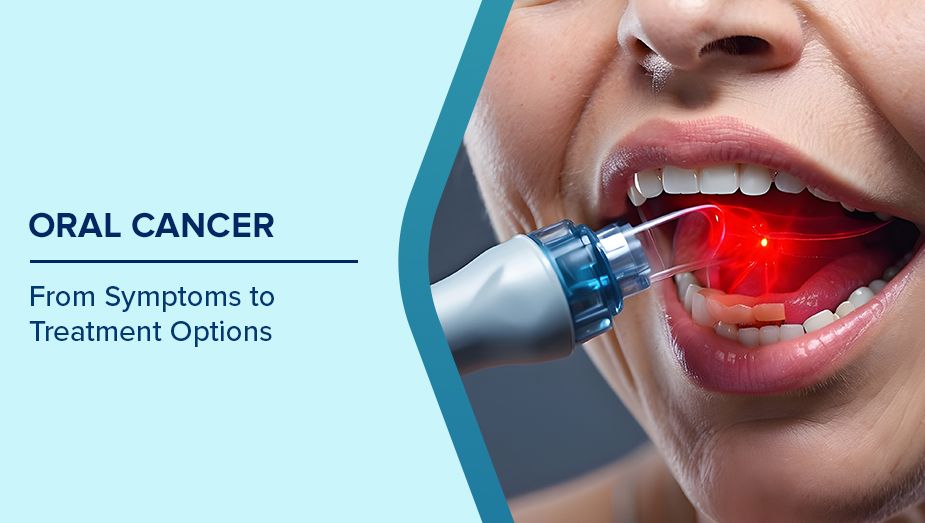
Call Us+91 926 888 0303Oral Cancer: From Symptoms to Treatment Options
By Medical Expert Team
Jan 05 , 2026 | 12 min read

Oral cancer is a growing health concern, with nearly 77,000 new cases diagnosed in India every year, making it one of the most commonly diagnosed cancers in the country. Early signs such as ulcer that doesn’t heal, a persistent red or white patch, or a lump in the mouth can seem minor, and many people assume these symptoms will go away on their own, but they might indicate the onset of oral cancer. The challenge is that early-stage oral cancer often doesn’t cause severe symptoms, making it even harder to detect. As early detection and timely medical intervention can make a significant difference in treatment outcomes, in this blog, we’ll cover the symptoms, risk factors, diagnostic methods, and treatment options for oral cancer, helping you take proactive steps to safeguard your health. Let’s start with the basics.
What is Oral Cancer?
Oral cancer refers to the uncontrolled growth of abnormal cells in the mouth. It can develop in various parts of the mouth, including the lips, tongue, gums, inner cheeks, the roof and floor of the mouth, and the throat. These abnormal cells can form tumours, which may invade surrounding tissues and, in advanced cases, spread to other parts of the body. Oral cancer often starts as a small lesion or patch, which can be easy to miss in its early stages. Early detection is crucial because treatment is more effective before the disease spreads.
What are the Risk Factors for Oral Cancer?
Oral cancer can affect anyone, but certain factors increase the likelihood of developing the disease. These include:
- Tobacco Use: Smoking cigarettes, cigars, pipes, or using smokeless tobacco products such as chewing tobacco or snuff is the single biggest risk factor for oral cancer. Tobacco contains harmful chemicals that can damage the cells in the mouth and lead to abnormal growth. The risk increases with the duration and frequency of use.
- Alcohol Consumption: Frequent and excessive alcohol intake can irritate and damage the tissues in the mouth. When combined with tobacco use, the risk of oral cancer rises significantly, as alcohol can help harmful chemicals from tobacco penetrate oral tissues more easily.
- Human Papillomavirus (HPV) Infection: Certain strains of HPV, particularly HPV-16, are linked to oral cancers. HPV infection is often transmitted through intimate contact and can affect the tissues of the mouth and throat, increasing the risk of malignant changes.
- Prolonged Sun Exposure: Extended exposure to sunlight, especially without protection, increases the risk of lip cancer. UV radiation can damage the delicate skin of the lips, making them more susceptible to cancerous changes.
- Poor Oral Hygiene and Chronic Irritation: Chronic irritation from dental problems such as rough teeth, ill-fitting dentures, or untreated infections can increase the risk. Additionally, a diet low in fruits and vegetables may reduce the intake of protective nutrients, contributing to vulnerability.
- Family History of Cancer: Genetic predisposition can play a role. Individuals with a family history of cancer may have a higher risk due to inherited genetic factors that make their oral tissues more susceptible to malignant changes.
- Age and Gender: Oral cancer is more commonly diagnosed in individuals over 40, and men are at a higher risk than women, largely due to higher rates of tobacco and alcohol use.
What are the Symptoms of Oral Cancer?
Early detection is crucial, as oral cancer often starts subtly. Watch out for the following signs:
- Persistent Mouth Sores: A sore or ulcer in the mouth that doesn’t heal within two weeks. These can appear on the lips, tongue, gums, or inner cheeks and may bleed occasionally.
- Lumps or Thickened Areas: Any unusual lump, bump, or thickened patch in the mouth or on the lips. These may be painless at first but can indicate abnormal cell growth.
- Red or White Patches: Red (erythroplakia) or white (leukoplakia) patches on the tongue, gums, or inner cheeks. They may gradually grow in size.
- Pain or Difficulty Swallowing: Persistent pain in the mouth, throat, or tongue, or trouble chewing or swallowing, can signal deeper tissue involvement.
- Changes in Voice or Speech: Hoarseness, slurred speech, or changes in voice may occur if the cancer affects the tongue or throat.
- Numbness or Loss of Sensation: Tingling, numbness, or loss of feeling in the lips, tongue, or other parts of the mouth may indicate nerve involvement.
- Unexplained Bleeding or Discharge: Spontaneous bleeding or persistent discharge without a clear cause can be a warning sign.
- Loose Teeth or Denture Problems: Oral cancer affecting the jawbone can cause loose teeth or changes in how dentures fit.
- Persistent Bad Breath: Chronic bad breath that doesn’t improve with normal oral hygiene could be a subtle symptom.
- Ear Pain: Pain in the ear without an infection may sometimes be referred from the oral cavity or throat.
Any of these symptoms that persist for more than two weeks should be evaluated by a healthcare professional promptly.
How is Oral Cancer Diagnosed?
Accurate diagnosis is the first step in managing oral cancer effectively. Diagnosis typically involves a combination of clinical evaluation, laboratory tests, imaging, and tissue examination.
Clinical Examination: A thorough oral examination is usually the first step. Doctors or dentists inspect the lips, tongue, gums, cheeks, roof and floor of the mouth, and the throat for abnormalities such as sores, lumps, red or white patches, and thickened areas. They also feel the neck and jaw for swollen lymph nodes, which may indicate that cancer has begun to spread. This hands-on assessment helps identify areas that need further investigation.
Review of Medical and Lifestyle History: Doctors gather detailed information about the patient’s symptoms, habits, and medical background. Questions typically cover:
- Duration and persistence of oral sores or lumps
- History of tobacco or alcohol use
- Previous oral health issues or infections
- Family history of cancer or other serious diseases
This information helps assess risk factors and guides the selection of diagnostic tests.
Biopsy: A biopsy is essential for confirming oral cancer. A small tissue sample from the suspicious area is removed and examined under a microscope to detect abnormal or malignant cells. There are different types of biopsies:
- Incisional Biopsy: A portion of the lesion is taken when it is large or potentially invasive.
- Excisional Biopsy: The entire lesion is removed, often used for smaller growths that can be fully excised for testing.
The biopsy not only confirms the presence of cancer but can also reveal the type and aggressiveness of the tumour, which is important for planning treatment.
Imaging Tests: Imaging provides a detailed view of the tumour, surrounding tissues, and potential spread:
- CT (Computed Tomography) Scan: Produces cross-sectional images to evaluate tumour size and bone involvement.
- MRI (Magnetic Resonance Imaging): Gives detailed images of soft tissues, helping assess depth of invasion and nearby structures.
- PET (Positron Emission Tomography) Scan: Detects cancer cells that may have spread beyond the mouth and throat.
- X-rays: Particularly useful for assessing jawbone involvement and dental structures.
Imaging helps doctors determine the stage of cancer and plan surgical or non-surgical treatments accordingly.
Endoscopy: An endoscope, a thin flexible tube with a camera, may be used to examine areas of the throat or larynx that are difficult to view during a standard oral examination. This allows doctors to identify any hidden lesions or early signs of cancer in connected regions.
Laboratory Tests: Laboratory tests are conducted to assess overall health, organ function, and suitability for treatment. They also help monitor the patient during and after therapy. Common tests include:
- Complete Blood Count (CBC): Evaluates overall health and detects issues such as anemia or infection.
- Liver Function Tests (LFTs): Checks liver health, especially important if medications or treatments may affect liver function.
- Kidney Function Tests (KFTs): Assess kidney health to ensure safe administration of certain drugs or treatments.
- Blood Chemistry Panel: Monitors electrolytes and metabolic function to support overall treatment planning.
- Viral Screening: Tests for infections such as hepatitis or HIV, which may influence treatment decisions.
- Tumour Marker Tests (if applicable): Certain markers may be measured to help track the cancer or assess response to treatment.
These tests give doctors a comprehensive picture of the patient’s health and help guide safe, effective treatment.
What are the Treatment Options for Oral Cancer?
The treatment of oral cancer depends on the stage of the disease, the location of the tumour, and the patient’s overall health. A multidisciplinary team of specialists, including oncologists, surgeons, and radiologists, usually manages the treatment plan. Common treatment options include:
Surgery: Surgery is often the first line of treatment, especially for early-stage oral cancers. The goal is to remove the tumour along with a margin of healthy tissue to ensure complete removal. Types of surgical procedures include:
- Tumour wide excision: Removal of the tumour and surrounding tissue for margins.
- Glossectomy: Partial or total removal of the tongue if involved.
- Mandibulectomy or maxillectomy: Removal of affected jawbone sections.
- Neck dissection: Removal of lymph nodes if cancer has spread.
Surgery may be followed by reconstructive procedures to restore appearance and function. If feasible, dental rehabilitation may also be considered.
Radiation Therapy: Radiation therapy uses high-energy beams to destroy cancer cells. It is often used:
- As the primary treatment for small tumours.
- After surgery to decrease chances of recurrence.
- When surgery is not possible due to tumour location or health conditions.
Advanced techniques like Intensity-Modulated Radiation Therapy (IMRT) target the tumour precisely while minimising damage to surrounding healthy tissue.
Chemotherapy: Chemotherapy uses drugs to kill or stop the growth of cancer cells. It is commonly combined with surgery or radiation therapy for:
- Advanced-stage cancers.
- Tumours that cannot be completely removed surgically.
- Cases where cancer has spread to other parts of the body.
Chemotherapy can be administered orally, intravenously, or both, depending on the treatment plan.
Targeted Therapy: Targeted therapies focus on specific molecules or pathways that cancer cells rely on for growth. These drugs are often used alongside chemotherapy or radiation in advanced cancers, improving effectiveness while reducing damage to normal cells.
Immunotherapy: Immunotherapy helps the body’s immune system recognise and attack cancer cells. This is generally considered for advanced oral cancers that do not respond well to standard treatments.
Supportive and Rehabilitation Care: Treatment for oral cancer can affect speech, chewing, and swallowing. Supportive care aims to restore function and improve quality of life, including:
- Speech and swallowing therapy
- Nutritional support and dietary counselling
- Pain management and oral care
Can Oral Cancer be Prevented?
Although not all cases of oral cancer can be completely prevented, adopting certain habits and lifestyle changes can significantly lower the risk:
- Avoid Tobacco Use: Smoking cigarettes, cigars, pipes, and using smokeless tobacco products like chewing tobacco or snuff are the leading causes of oral cancer. Quitting or never starting tobacco use greatly reduces your risk.
- Limit Alcohol Consumption: Frequent and excessive alcohol intake can damage the tissues of the mouth and increase susceptibility to cancer. Reducing alcohol consumption or avoiding it altogether lowers risk, especially when combined with avoiding tobacco.
- Avoid Chronic Irritation: Avoid habits that cause long-term irritation to the mouth, such as biting the inside of the cheeks, poorly fitting dentures, or rough teeth, as persistent irritation may increase risk over time.
- Maintain Good Oral Hygiene: Regular brushing and flossing, along with routine dental check-ups, help prevent chronic irritation, infections, and inflammation in the mouth, which can contribute to cancer development.
- Protect Lips from Sun Exposure: Prolonged exposure to ultraviolet (UV) rays can increase the risk of lip cancer. Using a lip balm with SPF and avoiding long periods in direct sunlight can help protect the lips.
- Eat a Balanced Diet: Diets rich in fruits, vegetables, and whole grains provide vitamins, minerals, and antioxidants that protect cells from damage. Limiting processed foods and maintaining a healthy diet supports oral health and lowers cancer risk.
- HPV Vaccination: Certain strains of human papillomavirus (HPV), particularly HPV-16, are linked to oral cancers. Vaccination can reduce the risk of virus-related oral cancers.
- Regular Self-Examination: Check the mouth periodically for any unusual sores, lumps, red or white patches, or changes in tissue. Early detection of abnormalities allows for prompt medical evaluation.
- Routine Dental Visits: Dentists can identify early warning signs of oral cancer during routine check-ups. Professional screenings complement self-examinations and help catch potential issues before they progress.
Consult Today
Oral cancer requires timely attention, and getting a thorough evaluation from the right specialists can make a real difference. At Max Hospital, our Head & Neck Oncologists, oral and maxillofacial surgeons, and radiation therapists work together to provide a comprehensive approach to diagnosis and treatment. If you have concerns about your oral health or notice any unusual changes, connecting with our team early ensures you get the guidance and care you need. Consult our specialists today and take a proactive step toward safeguarding your health.
Frequently Asked Questions
1. How quickly can oral cancer develop?
The progression of oral cancer varies from person to person. Some lesions may develop slowly over months or even years, while others can progress rapidly. Factors such as tobacco use, alcohol consumption, HPV infection, and overall health can influence the speed of development. Regular check-ups and self-examinations are essential for early detection.
2. Is oral cancer hereditary?
While most oral cancers are linked to lifestyle factors, having a family history of cancer may slightly increase risk. Genetic predisposition can make some individuals more susceptible, but it is usually the combination of genetics and environmental or lifestyle factors that contributes to the development of oral cancer.
3. Can oral cancer occur in non-smokers and non-drinkers?
Yes, although tobacco and alcohol are major risk factors, oral cancer can also occur in people without these habits. In such cases, causes may include infection with high-risk HPV strains, chronic irritation from dental issues, nutritional deficiencies, or genetic predisposition.
4. Are early signs always visible during routine dental visits?
Dentists are trained to detect early warning signs such as persistent sores, red or white patches, and unusual lumps. However, very small lesions or subtle tissue changes can sometimes be missed, which is why self-monitoring between visits is also important.
5. How long after treatment should I be monitored?
Follow-up care is a long-term process. Doctors usually recommend regular check-ups for several years after treatment to monitor for recurrence, manage side effects, and maintain oral health. The frequency of visits may decrease over time but should remain consistent.
6. Are there lifestyle changes I can make after treatment to lower the risk of recurrence?
Yes, avoiding tobacco and alcohol, maintaining good oral hygiene, eating a nutrient-rich diet, protecting lips from sun exposure, and attending regular dental and medical check-ups all contribute to reducing the risk of recurrence.
7. Can oral cancer be painless?
Many early-stage oral cancers do not cause pain, which is why they can go unnoticed. Pain usually appears only when the tumour grows and affects nerves or surrounding tissues. This is why attention to subtle signs like persistent sores, patches, or lumps is critical.
8. Does oral cancer only affect the mouth?
Oral cancer primarily affects the lips, tongue, gums, cheeks, and roof or floor of the mouth. However, in advanced cases, it can spread to nearby tissues, lymph nodes, and, rarely, other parts of the body. Early detection limits the risk of spread.
9. Is there a connection between oral cancer and HPV vaccination?
Certain high-risk strains of HPV, particularly HPV-16, are linked to oral cancers. Vaccination against these strains can reduce the risk of HPV-related oral cancers, which have been increasingly observed in younger adults.
10. Can oral cancer be prevented entirely?
While complete prevention isn’t always possible, the risk can be significantly lowered through lifestyle changes such as avoiding tobacco and alcohol, practising good oral hygiene, maintaining a balanced diet, protecting lips from sun exposure, and getting vaccinated against HPV.
Related Blogs

Dr. Kanika Batra Modi In Cancer Care / Oncology
Nov 07 , 2020 | 3 min read

Dr. R.Ranga Rao In Medical Oncology , Cancer Care / Oncology , Thoracic Oncology
Nov 07 , 2020 | 2 min read
Blogs by Doctor
Oral Cancer: All You Need to Know
Dr. Akshat Malik In Surgical Oncology , Cancer Care / Oncology , Head & Neck Oncology
Mar 28 , 2024 | 10 min read

Oral Cavity Cancer: Symptoms, Causes & Treatment
Dr. Akshat Malik In Surgical Oncology , Cancer Care / Oncology , Head & Neck Oncology
Feb 17 , 2025 | 3 min read
Most read Blogs


Related Blogs
Dr. Kanika Batra Modi In Cancer Care / Oncology
Nov 07 , 2020 | 3 min read
Dr. R.Ranga Rao In Medical Oncology , Cancer Care / Oncology , Thoracic Oncology
Nov 07 , 2020 | 2 min read
Blogs by Doctor
Oral Cancer: All You Need to Know
Dr. Akshat Malik In Surgical Oncology , Cancer Care / Oncology , Head & Neck Oncology
Mar 28 , 2024 | 10 min read
Oral Cavity Cancer: Symptoms, Causes & Treatment
Dr. Akshat Malik In Surgical Oncology , Cancer Care / Oncology , Head & Neck Oncology
Feb 17 , 2025 | 3 min read
Most read Blogs