 WhatsApp Us (24/7)
 +91 926 888 0303 (24/7)


To Book an Appointment
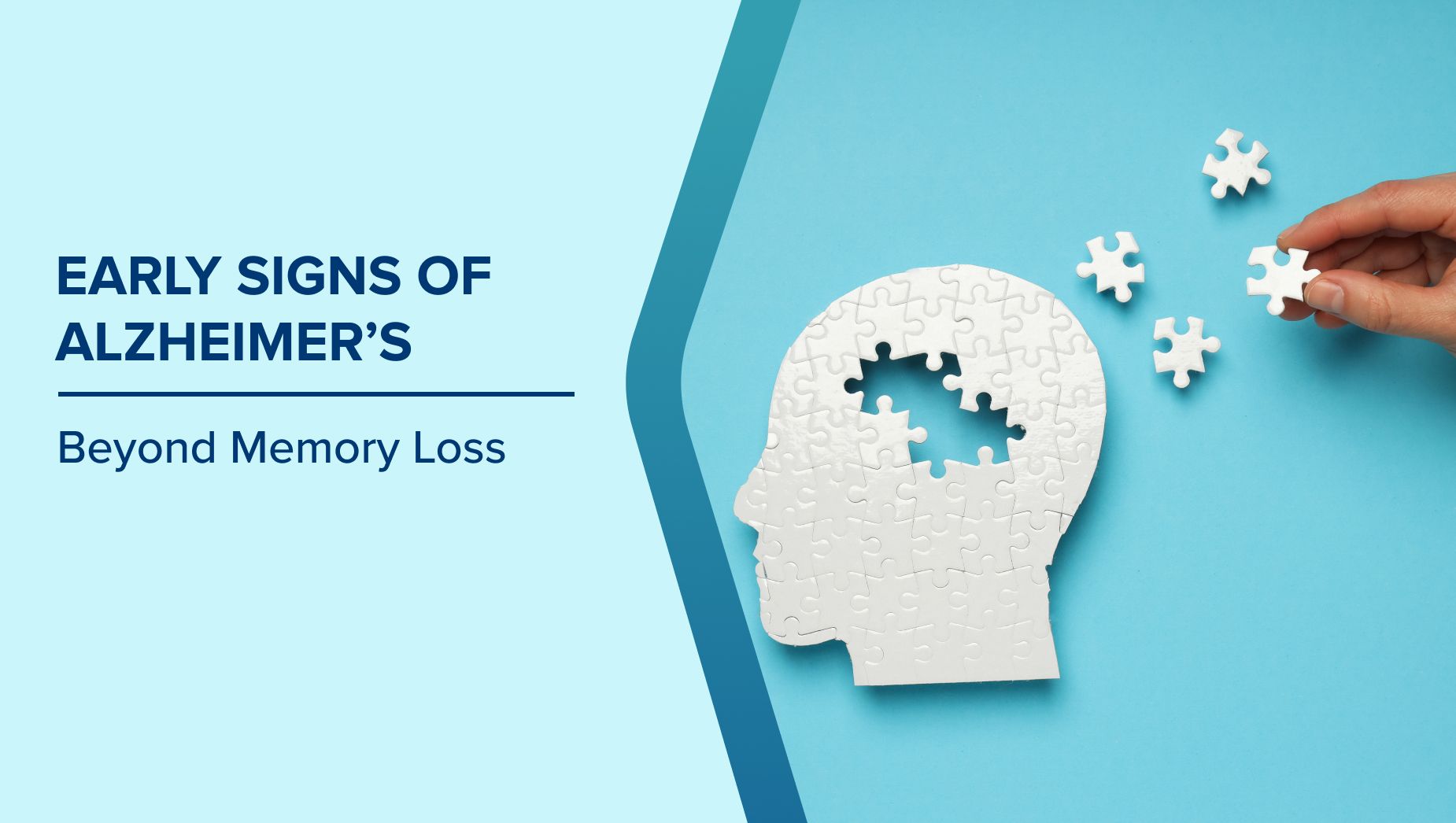
Call Us+91 926 888 0303Early Signs of Alzheimer’s Beyond Memory Loss
By Medical Expert Team
Oct 01 , 2025 | 3 min read
2

When people think about brain health, the first thing that often comes to mind is memory loss. Forgetting names, appointments, or daily routines is usually linked to conditions like dementia or Alzheimer’s. However, brain-related illnesses often start much earlier with subtle signs that many people overlook.
The early signs, apart from memory loss, are largely comprised of 3 domains:
- Cognitive: Word-finding difficulty, navigation difficulty in unfamiliar places; abandoning challenging hobbies
- Psychiatric symptoms: Mild anxiety, depression, irritability and social withdrawal
- Non-neuropsychiatric: Sleep maintenance problems, like fragmented sleep
Doctors use different terms to describe the very first signs of memory or thinking problems. These include words like early Alzheimer’s disease, mild cognitive impairment (MCI), or cognitive changes without dementia.
The main difference between these labels is whether doctors can figure out what’s causing the problem, whether it’s due to a brain disease like Alzheimer’s, or something else (like stress, depression, or another medical issue). Finding the cause is important because it indicates whether the problem is likely to worsen over time.
When someone shows mild changes in memory or thinking, or beyond these, as stated above, doctors try to answer four key questions:
- Is this a clear indication of a change from how the person used to think or remember?
- Is the problem persistent and ongoing, or is it a one-time issue?
- Does it interfere with daily life (like managing money, cooking, or remembering appointments)?
- Does a memory or thinking test show real difficulties?
Understanding these early warning signals is crucial because timely detection enables better management, lifestyle adjustments, and more effective treatment options.
Disease Course of Alzheimer’s
Alzheimer’s disease doesn’t happen overnight. The damage in the brain starts many years, often 10 to 20, before memory problems become obvious. During this time, brain cells and their connections gradually weaken and die.
By the time symptoms like memory loss clearly show up, the disease is already in its later stage and will keep getting worse. On average, people live about 7 to 10 years after symptoms begin.
There is also an earlier “silent” stage when brain function is only mildly affected. At this point, symptoms may come and go, or be so mild they’re hard to notice.
Sleep Issues as an Early Indicator of Brain Changes
Sleep problems are among the most common early warning signs of neurological disorders. Many people notice sleep disturbances years before memory-related symptoms develop.
Common Sleep-Related Symptoms
- Insomnia or difficulty staying asleep: Frequent nighttime awakenings without a clear reason
- Circadian rhythm disorders: Alteration in the day-night cycle appears early in the course of the disease
Why Does Sleep Get Affected Early In The Disease Course?
The sleep problems arise from the degeneration of the hypothalamus, a structure often referred to as the “control centre” of the brain.
If you or a loved one is consistently struggling with sleep, it’s important to keep a sleep diary and seek medical advice. A doctor may recommend a sleep study to diagnose conditions such as sleep apnea or neurological-related sleep disturbances.
Why These Early Signs Should Not Be Ignored
Ignoring sleep problems, early cognitive and newly developing psychiatric problems, can delay important diagnoses. Detecting these symptoms early allows for:
- Timely diagnosis: Doctors can perform neurological tests, brain imaging, or sleep studies
- Lifestyle modifications: Exercise, nutrition, and sleep hygiene can protect brain health
- Identification of reversible factors: Some of the modifiable factors, like uncontrolled hypertension, diabetes, dyslipidemia, and correction of nutritional deficiencies
Strengthening Brain Health in Everyday Life
Even if you notice these early symptoms, taking proactive steps to support brain health can make a difference.
- Stay physically active: Regular exercise improves circulation and protects nerve cells.
- Eat a brain-friendly diet: Include omega-3 fatty acids, leafy greens, nuts, and foods rich in antioxidants.
- Prioritise sleep: Aim for 7–9 hours of restorative sleep daily
- Challenge your brain: Reading, puzzles, and learning new skills keep neural pathways strong.
- Manage stress: Meditation, deep breathing, and relaxation techniques protect brain function.
Conclusion
Memory loss is often the most recognised symptom of brain disorders, but it is far from the only one. Persistent sleep issues, newly arising psychiatric problems, changes in behaviour and personality may serve as silent warnings that the brain is changing. Paying attention to these early signs and seeking medical advice can lead to earlier diagnosis, effective treatment, and a healthier future.
Protecting your brain health means being aware, proactive, and informed. Small changes today may make a big difference tomorrow.
Frequently Asked Questions
Can sleep issues alone indicate a neurological disorder?
Not always. Stress, lifestyle, and sleep apnea can also cause sleep problems. However, a thorough neurological evaluation is required, as there may be early signs of brain changes.
Can lifestyle changes reverse these early symptoms?
They may not fully reverse the underlying cause, but healthy lifestyle habits can strengthen brain resilience and slow progression.
Should younger people worry about these early warning signs?
Yes, because neurological disorders can begin years before symptoms become severe. Recognising these signs early allows for prevention and monitoring, even in younger adults.
Related Blogs

Dr. Chandril Chugh In Neurosciences , Interventional Neurology
Nov 08 , 2020 | 1 min read

Dr. Chandril Chugh In Neurosciences , Interventional Neurology
Nov 08 , 2020 | 2 min read
Most read Blogs


Related Blogs
Dr. Chandril Chugh In Neurosciences , Interventional Neurology
Nov 08 , 2020 | 1 min read
Dr. Chandril Chugh In Neurosciences , Interventional Neurology
Nov 08 , 2020 | 2 min read
Most read Blogs