 WhatsApp Us (24/7)
 +91 926 888 0303 (24/7)


To Book an Appointment
Call Us+91 926 888 0303Parkinson’s Disease Day 2026: Symptoms and Treatment Options
By Dr. Puneet Agarwal in Neurosciences
Apr 03 , 2025 | 11 min read

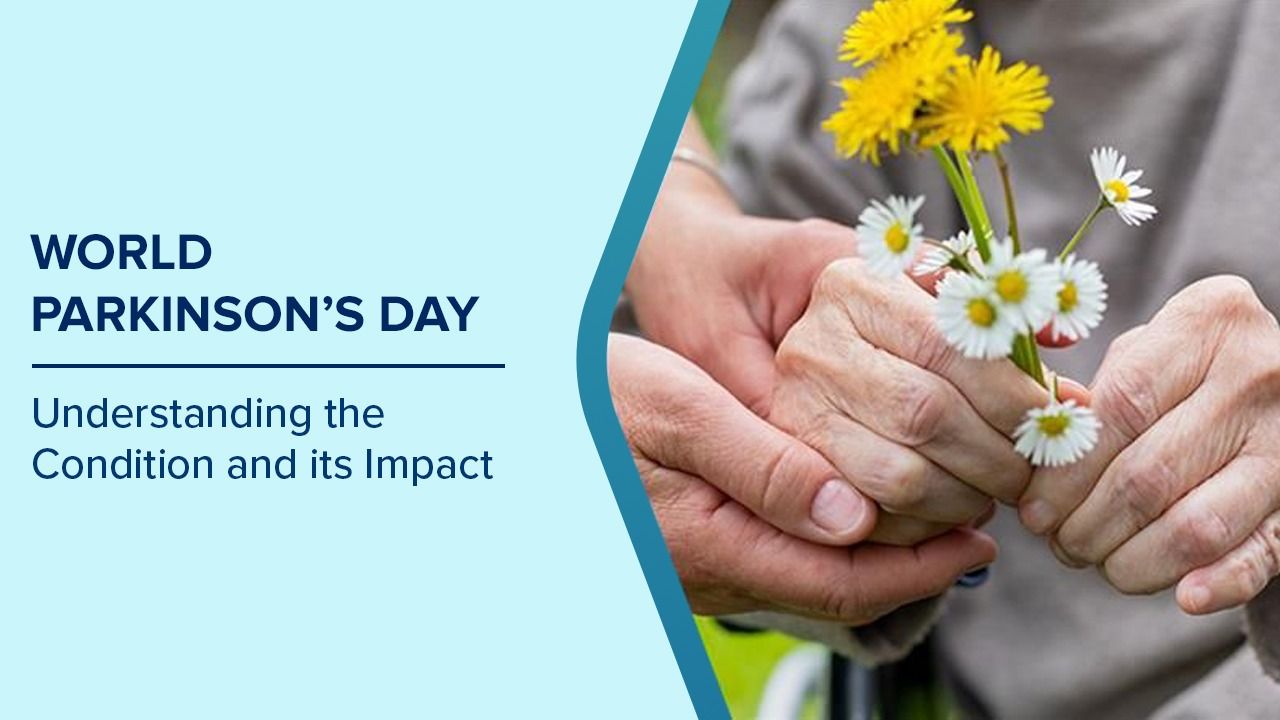
Parkinson’s disease is a progressive neurological condition that affects movement, balance, and coordination, making everyday activities such as walking, writing, dressing, or even holding objects increasingly difficult. Beyond physical symptoms, it can also impact mood, sleep, and cognitive functions, affecting both patients and their families on a daily basis. To raise awareness about the challenges faced by those living with Parkinson’s and to encourage early detection and support, World Parkinson’s Day was established. In line with this goal, this blog will provide a detailed overview of Parkinson’s disease, including the importance of awareness and timely intervention to help improve quality of life for patients and caregivers. But first, let us understand the importance of World Parkinson’s Day.
History and Significance of World Parkinson’s Day
World Parkinson’s Day is observed every year on April 11, the birthday of James Parkinson, the English physician who first described the condition in 1817 as “Shaking Palsy.” The day was established to raise global awareness about Parkinson’s disease and the challenges faced by the millions living with it. It serves as a reminder of the importance of early diagnosis, ongoing research, and public education to improve the quality of life for patients. Beyond spreading knowledge about symptoms and treatments, World Parkinson’s Day highlights the role of caregivers, healthcare providers, and communities in supporting those affected. Campaigns and events held on this day aim to reduce stigma, encourage timely medical attention, and promote understanding, creating a platform for solidarity and hope.
What is Parkinson’s Disease?
Parkinson’s disease is a progressive neurological disorder that primarily affects movement. It occurs when certain nerve cells in the brain, responsible for producing dopamine, begin to deteriorate or die. Dopamine is a chemical that plays a key role in controlling movement, coordination, and balance. As dopamine levels decrease, patients may experience tremors, stiffness, slowness of movement, and difficulties with balance. In addition to these motor symptoms, Parkinson’s disease can also lead to non-motor issues such as sleep disturbances, mood changes, fatigue, and problems with memory or concentration. The condition is chronic and gradually worsens over time, impacting a person’s ability to perform everyday tasks and affecting their overall quality of life.
What are the Stages of Parkinson’s Disease?
Parkinson’s disease progresses gradually, and symptoms usually worsen over time. Doctors often describe its progression in five stages:
- Stage 1: Mild Symptoms – Symptoms are usually mild and may only affect one side of the body. Tremors, slight stiffness, or minor changes in posture may occur, but daily activities are largely unaffected.
- Stage 2: Both Sides Affected – Symptoms start affecting both sides of the body. Movements may become slower, facial expressions may reduce, and everyday tasks can take longer to complete.
- Stage 3: Mid-Stage – Balance and coordination begin to decline, increasing the risk of falls. Movements are noticeably slower, and daily activities may require help.
- Stage 4: Advanced Symptoms – Symptoms become severe, making it difficult to live independently. Patients may need significant assistance for daily activities, although they may still be able to stand or walk with help.
- Stage 5: Severe or Late Stage – Patients may become wheelchair-bound or bedridden. Constant care is usually required, and complications such as infections or other health issues can arise.
Common Symptoms of Parkinson’s Disease
Parkinson’s disease affects both movement and other aspects of daily life. Its symptoms often develop gradually and can vary from person to person. Common signs include:
- Tremors: Involuntary shaking or trembling, often starting in the hands, fingers, or sometimes the legs and jaw. Tremors usually occur when the affected limb is at rest and may worsen with stress or fatigue.
- Slowness of Movement (Bradykinesia): Movements become slower, making everyday tasks such as walking, dressing, or eating take longer. This can lead to reduced physical activity over time.
- Muscle Stiffness (Rigidity): Muscles may feel tight or inflexible, causing discomfort and limiting the range of motion. Stiffness can make movements appear jerky or strained.
- Balance and Coordination Problems: Difficulty maintaining posture and coordination can increase the risk of falls and make walking, turning, or climbing stairs challenging.
- Changes in Speech and Writing: Speech may become soft, slurred, or monotone. Writing may shrink in size and become cramped, a condition called micrographia.
- Facial Expression Changes: Reduced blinking and facial movement can make expressions appear stiff or emotionless, sometimes referred to as a “masked face.”
- Non-Motor Symptoms: These include sleep disturbances, fatigue, depression, anxiety, constipation, and difficulty with memory or concentration. Non-motor symptoms can have a significant impact on daily life and well-being.
- Loss of Automatic Movements: Reduced ability to perform unconscious movements such as swinging arms while walking, smiling, or blinking regularly. This can make daily interactions feel more effortful.
Causes and Risk Factors
The exact cause of Parkinson’s disease is still not fully understood, but it is believed to result from a combination of genetic, environmental, and biological factors.
- Loss of Dopamine-Producing Cells: Parkinson’s occurs when nerve cells in a part of the brain called the substantia nigra gradually break down or die. These cells produce dopamine, a chemical crucial for controlling movement. Reduced dopamine levels lead to the characteristic motor symptoms of Parkinson’s.
- Genetic Factors: Certain gene mutations can increase the risk of developing Parkinson’s, especially in families with a history of the condition. However, genetic cases are relatively rare, and most cases occur without a clear hereditary link.
- Environmental Factors: Exposure to certain toxins, pesticides, or chemicals may increase the likelihood of developing Parkinson’s. Head injuries and repeated exposure to environmental pollutants have also been suggested as contributing factors.
- Age: Parkinson’s is more common in people over 60, although younger adults can also develop the disease.
- Gender: Men are slightly more likely than women to develop Parkinson’s.
- Other Health Factors: Certain conditions, lifestyle factors, and overall brain health may influence susceptibility, although research is ongoing to clarify these links.
While these factors may increase the risk, having one or more does not guarantee that a person will develop Parkinson’s.
How Parkinson’s Disease Impacts Daily Life
Parkinson’s disease affects not only movement but also many aspects of a person’s daily life, making even simple tasks challenging. Motor symptoms like tremors, stiffness, and slow movements can make activities such as walking, dressing, eating, writing, or using household appliances time-consuming and physically exhausting. Reduced balance and coordination increase the risk of falls, which can limit independence and create anxiety around daily activities.
Non-motor symptoms also play a significant role in daily challenges. Sleep disturbances, fatigue, depression, anxiety, and cognitive changes can affect energy levels, motivation, and social interactions. Difficulty with memory or concentration may make work, managing finances, or keeping up with appointments more demanding. Emotional and social impacts can strain relationships, leaving patients and their families feeling isolated or stressed.
Treatment Options for Parkinson’s Disease
While Parkinson’s disease has no known cure, various treatments can help manage symptoms, improve mobility, and maintain quality of life. These include:
- Medications: The most common treatments involve medicines that help replace or mimic dopamine in the brain, improving movement and reducing stiffness and tremors. Doctors may adjust medications over time to find the most effective combination and dosage.
- Physiotherapy: Regular physical therapy helps maintain flexibility, strength, and balance. Exercises can improve posture, coordination, and overall mobility, reducing the risk of falls.
- Occupational Therapy: Occupational therapists assist patients in adapting daily tasks and activities to maintain independence, offering tools or techniques for easier movement and self-care.
- Speech Therapy: Speech and language therapy can help with changes in voice, speech clarity, and swallowing difficulties, improving communication and reducing frustration.
- Surgical Options: In advanced cases, procedures like Deep Brain Stimulation (DBS) may be considered. DBS involves implanting electrodes in specific areas of the brain to help control motor symptoms when medications are less effective.
- Lifestyle and Supportive Care: Regular exercise, a balanced diet, proper sleep, and stress management can complement medical treatments. Support groups and counselling can also help patients and families cope with the emotional and social challenges of Parkinson’s disease.
Importance of Early Diagnosis and Management
Recognising Parkinson’s disease early and starting treatment promptly can make a significant difference in a patient’s quality of life. Key benefits include:
- Better Symptom Control: Early detection allows medications and therapies to manage motor and non-motor symptoms more effectively.
- Slows Progression: Timely treatment can help reduce the pace at which the disease affects daily life.
- Maintains Independence: Patients can continue performing daily tasks and stay active for longer.
- Reduces Complications: Early intervention lowers the risk of falls, stiffness, and emotional or cognitive challenges.
- Supports Families and Caregivers: Awareness from the beginning helps families prepare, offer support, and access resources.
Raising Awareness and Providing Support on World Parkinson’s Day
World Parkinson’s Day serves as a platform to educate the public, promote understanding, and provide support for those affected by the condition. Its significance can be seen in several ways:
- Spreading Knowledge: The day highlights the symptoms, causes, and progression of Parkinson’s disease, helping the public recognise early signs and better understand its impact on daily life.
- Encouraging Early Detection: Awareness campaigns motivate individuals and families to pay attention to subtle symptoms, leading to timely medical consultations and earlier interventions.
- Supporting Patients and Families: Resources, guidance, and community programmes are shared to help patients and caregivers manage challenges, maintain independence, and improve overall quality of life.
- Reducing Stigma and Misconceptions: Public education helps break myths about Parkinson’s, fostering empathy, understanding, and acceptance in society.
- Promoting Research and Innovation: The day draws attention to ongoing research, clinical trials, and new treatment options, inspiring hope for better therapies in the future.
- Building Community Engagement: Events, discussions, social campaigns, and volunteer activities bring together patients, families, healthcare providers, and advocates, creating a supportive network.
- Highlighting the Role of Caregivers: The day recognises the emotional and physical effort of caregivers, emphasising the importance of their wellbeing and support.
By participating in these initiatives, communities can help improve awareness, reduce isolation, and offer practical and emotional support to those living with Parkinson’s disease.
Final Words
World Parkinson’s Day is a reminder that awareness, understanding, and support can make a real difference for those living with the condition. You can play a part by learning more, sharing information, and offering encouragement to someone you know who is affected. If you or a loved one are experiencing symptoms or challenges related to Parkinson’s, reach out to a neurologist at Max Hospital. Connecting with a specialist not only helps in managing the condition but also ensures you have guidance, resources, and support every step of the way.
Frequently Asked Questions
Can Parkinson’s disease cause memory or thinking problems?
Yes, some people with Parkinson’s may experience cognitive changes, including difficulty with memory, attention, or problem-solving, especially as the disease progresses.
Is Parkinson’s disease hereditary?
While most cases are not directly inherited, certain genetic mutations can increase the risk. Having a family member with Parkinson’s slightly raises the likelihood, but it does not guarantee development of the condition.
Do Parkinson’s symptoms progress at the same rate for everyone?
No, the progression varies widely. Some people experience slow changes over many years, while others may notice faster development of symptoms.
Can exercise really help with Parkinson’s symptoms?
Yes, regular physical activity can improve flexibility, balance, strength, and mobility. Activities like walking, swimming, yoga, and stretching are often recommended alongside medical treatment.
Are there non-motor symptoms of Parkinson’s disease?
Yes, Parkinson’s can cause sleep problems, mood changes, fatigue, constipation, and reduced sense of smell, in addition to the more well-known movement-related symptoms.
Can diet influence Parkinson’s disease management?
A balanced diet rich in fibre, fruits, vegetables, and protein can support overall health and help manage symptoms. Staying hydrated and timing protein intake with medications may also be beneficial.
What community resources are available for people living with Parkinson’s?
Many organisations offer educational programs, patient support networks, online forums, and local events to connect patients and families with guidance and peer support.
Can awareness campaigns actually improve patient care?
Yes, increased awareness can lead to earlier diagnosis, better understanding from the public, more research funding, and stronger community support for those affected.
Written and Verified by:

Related Blogs

Dr. Chandril Chugh In Neurosciences , Interventional Neurology
Nov 08 , 2020 | 1 min read

Dr. Chandril Chugh In Neurosciences , Interventional Neurology
Nov 08 , 2020 | 2 min read
Blogs by Doctor


Motor Neurone Disease: Understanding the Causes, Types, Symptoms and Treatment
Dr. Puneet Agarwal In Neurosciences , Neurology
Apr 03 , 2024 | 12 min read
Most read Blogs


Related Blogs
Dr. Chandril Chugh In Neurosciences , Interventional Neurology
Nov 08 , 2020 | 1 min read
Dr. Chandril Chugh In Neurosciences , Interventional Neurology
Nov 08 , 2020 | 2 min read
Blogs by Doctor
Motor Neurone Disease: Understanding the Causes, Types, Symptoms and Treatment
Dr. Puneet Agarwal In Neurosciences , Neurology
Apr 03 , 2024 | 12 min read
Most read Blogs