 WhatsApp Us (24/7)
 +91 926 888 0303 (24/7)


To Book an Appointment
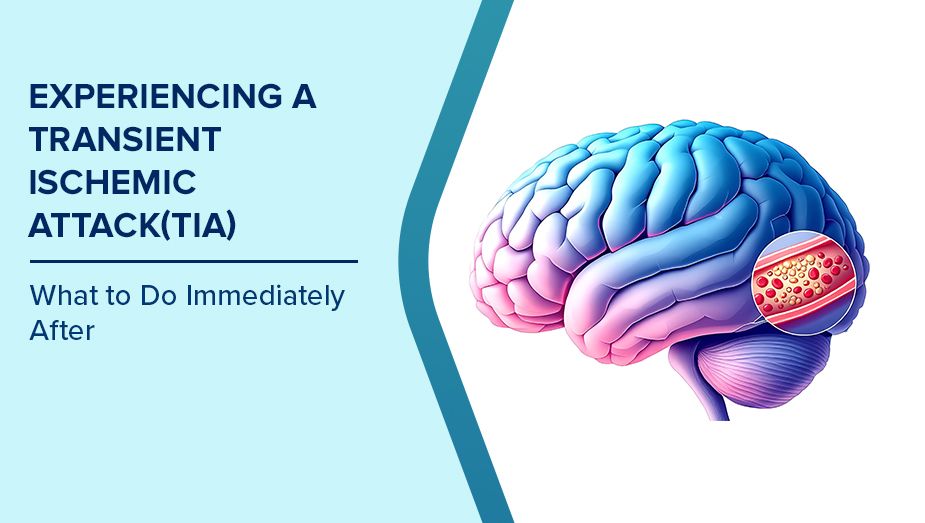
Call Us+91 926 888 0303Experiencing a Transient Ischemic Attack(TIA): What to Do Immediately After
By Dr. Rajneesh Kummar in Neurosciences
Jan 05 , 2026 | 4 min read

A transient ischemic attack, often referred to as a TIA or mini-stroke, is a serious warning signal that something is amiss in your cardiovascular system. While a TIA may resolve quickly, often within minutes or hours, it is not a condition to be ignored.
Acting promptly after a TIA can significantly reduce the risk of a full-blown stroke, which can have life-altering consequences. Knowing the appropriate actions to take right away can help you protect your health effectively and prevent future complications.
Recognising a TIA: Early Warning Signs
The first step in responding effectively to a TIA is recognising its symptoms. TIAs often resemble stroke symptoms but last only a short time and do not cause permanent damage. Common signs include:
- Sudden numbness or weakness in the face, arm, or leg, usually on one side of the body
- Difficulty speaking or understanding speech
- Sudden vision changes in one or both eyes
- Loss of balance, dizziness, or sudden severe headache
- Confusion or difficulty concentrating
Even if these symptoms resolve within minutes, they signal a critical health risk and require urgent attention. Recognising a TIA quickly allows timely medical evaluation and preventive care.
Immediate Actions to Take After a TIA
If you or someone around you experiences a TIA, taking immediate and decisive steps can save lives:
Call Emergency Services
Dial your local emergency number immediately. TIAs can precede a major stroke, and urgent assessment is necessary.
Do Not Ignore Symptoms
Avoid waiting to see if symptoms resolve. A TIA is a medical emergency, even if the signs disappear quickly.
Sit or Lie Down Safely
Reduce the risk of falls or injury. Resting in a safe position helps maintain stability and prevents accidents.
Avoid Driving or Operating Machinery
Neurological changes may impair coordination or reaction time. Have someone else assist with transportation to medical facilities.
Note the Time Symptoms Started
Recording the onset and duration of symptoms helps healthcare professionals make informed decisions about treatment.
Do Not Self-Medicate
Avoid taking blood thinners or other medications without professional guidance. Improper medication can be harmful.
Medical Evaluation and Diagnostic Tests
Upon arrival at a hospital or clinic, doctors will conduct a thorough assessment. Common steps include:
- Physical and Neurological Examination: Evaluates strength, reflexes, coordination, and speech to determine areas affected.
- Imaging Tests: CT scans or MRIs provide a detailed view of the brain and help identify blockages or abnormalities.
- Blood Tests: Assess cholesterol, blood sugar, clotting factors, and other indicators of cardiovascular risk.
- Heart and Vascular Assessments: ECGs or ultrasounds check for irregular heart rhythms or narrowing of blood vessels.
Prompt evaluation allows physicians to identify the cause of the TIA and implement measures to prevent a major stroke.
Lifestyle Adjustments to Reduce Future Risk
Preventing a recurrent TIA or stroke involves adopting heart-healthy habits. Essential lifestyle changes include:
- Balanced Diet: Focus on fruits, vegetables, whole grains, lean proteins, and healthy fats. Reduce salt, sugar, and processed foods.
- Regular Physical Activity: Moderate exercise like walking, swimming, or cycling strengthens the cardiovascular system.
- Weight Management: Maintaining a healthy body weight reduces strain on the heart and blood vessels.
- Smoking Cessation: Tobacco damages arteries and increases clotting risk. Quitting significantly lowers stroke risk.
- Moderate Alcohol Intake: Excessive alcohol can raise blood pressure and trigger cardiovascular events.
- Stress Management: Include calming practices like deep breathing exercises, meditation, or yoga to promote cardiovascular and brain well-being.
Medications and Ongoing Care
Medical treatment after a TIA aims to reduce the risk of a subsequent stroke. Depending on your condition, doctors may prescribe:
- Antiplatelet Medications: Help in reducing the formation of blood clots within the arteries.
- Anticoagulants: Reduce the risk of clotting, particularly in patients with irregular heart rhythms.
- Blood Pressure Management Drugs: Control hypertension, which is a major stroke risk factor.
- Cholesterol-Lowering Medications: Maintain healthy lipid levels to reduce artery plaque buildup.
Adherence to prescribed medications, regular check-ups, and monitoring vital signs are key to long-term protection.
Emotional Wellbeing After a TIA
Experiencing a TIA can cause anxiety, fear, and stress about future strokes. Supporting mental health is just as important as physical recovery:
- Seek Support: Talk to family, friends, or support groups about your experience.
- Mindfulness and Relaxation: Techniques like meditation or deep breathing help manage stress levels.
- Professional Help: Seeking counselling or therapy can help manage persistent anxiety that affects everyday activities.
Supporting emotional wellbeing also improves commitment to lifestyle changes and medical care.
Role of Family and Caregivers
Family members play a crucial role in recognising TIAs, seeking emergency care, and supporting recovery:
- Monitor for Recurring Symptoms: Early recognition of repeated TIAs can prevent a stroke.
- Ensure Medication Compliance: Assist with reminders and management of prescribed medications.
- Support Healthy Habits: Encourage heart-healthy meals, physical activity, and stress reduction at home.
- Provide Emotional Support: Listening and offering reassurance can reduce anxiety and promote recovery.
Conclusion
A TIA is a critical warning sign that should never be ignored. Immediate response, prompt medical evaluation, and lifestyle adjustments are essential to prevent a major stroke. By recognising symptoms, seeking help without delay, and following medical guidance, you can reduce risks and support long-term brain and cardiovascular health. Empower yourself and your loved ones by being proactive and vigilant in responding to TIAs.
Frequently Asked Questions
Can TIAs occur without noticeable symptoms?
Yes, some TIAs may be silent or very mild, making awareness of subtle changes in speech, vision, or coordination important.
How soon should I resume daily activities after a TIA?
Activity resumption depends on medical advice. Gentle movements may be encouraged, but avoid strenuous exertion until cleared by your doctor.
Are there dietary changes that specifically reduce TIA risk?
Focusing on a balanced diet rich in vegetables, fruits, whole grains, and healthy fats while reducing salt and processed foods supports cardiovascular health.
Can TIAs be a warning for heart problems as well?
Yes, TIAs can indicate underlying heart conditions such as irregular rhythms or arterial blockages, requiring a full cardiovascular evaluation.
Is it safe to drive immediately after a TIA?
Driving is generally not advised until cleared by a physician, as symptoms may recur or impair alertness and coordination.
Written and Verified by:

Related Blogs

Dr. Chandril Chugh In Neurosciences , Interventional Neurology
Nov 08 , 2020 | 1 min read

Dr. Chandril Chugh In Neurosciences , Interventional Neurology
Nov 08 , 2020 | 2 min read
Blogs by Doctor

What is Stroke: Types, Symptoms & Risk Factors
Dr. Rajneesh Kummar In Neurosciences , Neurology
Nov 21 , 2024 | 6 min read

What is Headaches: Causes, Preventions & How to Find Relief
Dr. Rajneesh Kummar In Neurosciences , Neurology
Jan 10 , 2025 | 4 min read
Most read Blogs


Related Blogs
Dr. Chandril Chugh In Neurosciences , Interventional Neurology
Nov 08 , 2020 | 1 min read
Dr. Chandril Chugh In Neurosciences , Interventional Neurology
Nov 08 , 2020 | 2 min read
Blogs by Doctor
What is Stroke: Types, Symptoms & Risk Factors
Dr. Rajneesh Kummar In Neurosciences , Neurology
Nov 21 , 2024 | 6 min read
What is Headaches: Causes, Preventions & How to Find Relief
Dr. Rajneesh Kummar In Neurosciences , Neurology
Jan 10 , 2025 | 4 min read
Most read Blogs