 WhatsApp Us (24/7)
 +91 926 888 0303 (24/7)


To Book an Appointment
Call Us+91 926 888 0303A Diet Plan for Diabetes: What to Eat and Avoid
By Ms. Kalpana Gupta in Nutrition And Dietetics
Jun 05 , 2026
6

India has over 77 million people living with diabetes, making it the country with the highest number of cases in the world. With so many people affected, it is clear that managing this condition cannot rely on medicine alone, and daily lifestyle choices, especially diet, become essential for keeping blood sugar under control. What you eat directly influences your glucose levels, so including the right foods and avoiding the wrong ones can help prevent dangerous spikes and support health. This blog will guide you through practical steps for a diabetes-friendly diet, covering foods to eat, foods to avoid, a 7 day diet plan, and easy ways to enjoy balanced meals every day.
Foods to Include in a Diabetes Diet
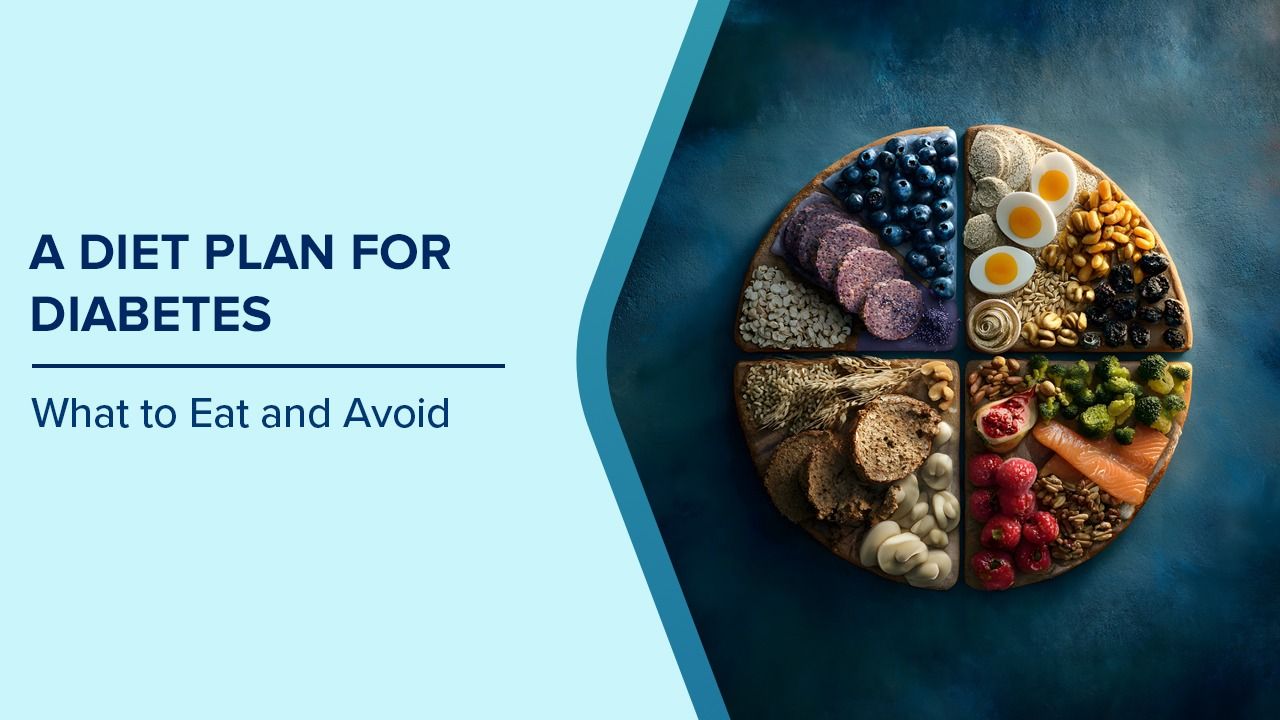
Choosing the right foods helps keep blood sugar steady and provides essential nutrients for overall health. Here are some key food groups that are beneficial for people with diabetes:
1. Whole grains
Whole grains such as brown rice, oats, quinoa, barley, and whole wheat contain complex carbohydrates that are digested slowly, helping prevent rapid spikes in blood sugar. They are also rich in fibre, which supports digestive health, keeps you full for longer, and can improve cholesterol levels. Replacing refined grains like white rice and white bread with whole grains is a simple but effective step for stabilising glucose.
2. Non-starchy vegetables
Vegetables including spinach, kale, broccoli, cauliflower, bell peppers, zucchini, and carrots are low in calories and carbohydrates but high in vitamins, minerals, and antioxidants. They are excellent for adding bulk and fibre to meals without causing significant increases in blood sugar. Including a variety of colourful vegetables ensures a wide range of nutrients that support heart health and overall wellness.
3. Fruits
Low-glycemic fruits such as berries, apples, pears, oranges, peaches, and plums provide natural sweetness without causing major spikes in blood sugar. They are rich in fibre, vitamins, and antioxidants, which help protect cells and reduce inflammation. Eating fruits in their whole form is better than fruit juices, as the fibre slows down sugar absorption.
4. Protein sources
Lean proteins including skinless chicken, fish, eggs, tofu, lentils, chickpeas, and beans help maintain muscle mass and keep you full, which can reduce overeating. Protein has little direct effect on blood sugar, making it an important component of meals and snacks. Including a mix of plant-based and animal-based proteins can provide variety while supporting heart and kidney health.
5. Healthy fats
Healthy fats such as nuts, seeds, avocado, olive oil, and fatty fish like salmon provide essential fatty acids that support heart health, reduce inflammation, and help improve blood sugar control. Fats slow digestion, which can prevent sudden spikes in blood sugar when eaten with carbohydrates. Portion control is key, as fats are calorie-dense, so a small handful of nuts or a teaspoon of oil per meal is sufficient.
6. Low-fat dairy
Milk, yogurt, and cheese are good sources of protein and calcium, which support bone health and overall nutrition. Choosing low-fat or skim options helps limit saturated fat intake while still providing essential nutrients. Unsweetened yogurt, in particular, can also supply probiotics that support gut health, which may have an indirect benefit on blood sugar regulation.
Foods to Avoid or Limit
Certain foods can cause quick spikes in blood sugar or add empty calories with little nutritional value, making diabetes harder to manage over time. The following food groups are best limited or avoided to maintain better glucose control and reduce the risk of complications:
1. Sugary foods and drinks
Sweets such as candies, cakes, pastries, and desserts, along with sugary beverages like soft drinks and packaged fruit juices, contain high amounts of simple sugars that are quickly absorbed into the bloodstream. This leads to rapid increases in blood sugar levels and provides little nutritional benefit. Regular intake can also contribute to weight gain, which can further affect glucose control.
2. Refined carbohydrates
Foods made from refined flour, such as white bread, white rice, pasta, and many bakery products, lack fibre and are digested quickly. This rapid digestion causes a sharp rise in blood sugar levels soon after eating. Replacing these with whole grain alternatives can help maintain more stable glucose levels throughout the day.
3. Processed and fried foods
Packaged snacks, fast food, and deep-fried items are often high in unhealthy fats, salt, and refined carbohydrates. These foods can increase the risk of heart disease, which is already higher in people with diabetes. They also tend to be calorie-dense, making weight management more difficult.
4. High-sodium foods
Foods such as chips, canned soups, ready-to-eat meals, and processed meats contain high levels of salt. Excess sodium intake can raise blood pressure, which, when combined with diabetes, increases the risk of heart and kidney problems. Choosing fresh, home-cooked meals can help control salt intake more effectively.
5. Full-fat dairy and trans fats
Butter, cream, high-fat cheese, and foods containing trans fats can raise cholesterol levels and increase the risk of cardiovascular disease. Since diabetes already affects heart health, limiting these foods is important. Opting for low-fat alternatives can help reduce this risk.
6. Excess alcohol
Alcohol can affect blood sugar levels in unpredictable ways, sometimes causing sudden drops or spikes depending on the amount consumed and whether it is taken with food. It can also interfere with medications and add extra calories. Limiting alcohol intake or avoiding it altogether is a safer choice for better diabetes management.
7-Day Diet Plan for Diabetic Patients
A well-planned daily menu can help maintain steady blood sugar levels and ensure balanced nutrition. The following diabetic diet plan includes simple, familiar foods that combine fibre, protein, and healthy fats for better glucose control.
| Day | Breakfast | Mid-Morning Snack | Lunch | Evening Snack | Dinner |
| Day 1 | Oats porridge with nuts | Apple | Whole wheat roti, mixed vegetable curry, dal | Roasted chana | Grilled fish, sautéed vegetables |
| Day 2 | Vegetable poha | Guava | Brown rice, rajma, salad | Buttermilk | Paneer bhurji, 1 roti, salad |
| Day 3 | Boiled eggs with whole wheat toast | Pear | Quinoa, chicken curry, vegetables | Handful of nuts | Vegetable soup, stir-fried tofu |
| Day 4 | Upma with vegetables | Orange | 2 rotis, chana dal, sabzi | Sprouts salad | Grilled chicken, sautéed greens |
| Day 5 | Smoothie with spinach and unsweetened yogurt | Apple | Brown rice, fish curry, salad | Roasted makhana | Mixed vegetable curry, 1 roti |
| Day 6 | Besan chilla with vegetables | Papaya | 2 rotis, paneer curry, salad | Coconut water | Lentil soup, sautéed vegetables |
| Day 7 | Idli with sambar | Handful of almonds | Vegetable pulao with raita | Boiled corn | Light chicken stew, salad |
Tips for Meal Planning
Planning meals in advance can make it easier to maintain stable blood sugar levels and avoid last-minute unhealthy choices. The following tips can help create balanced meals that support better diabetes management:
- Focus on balanced plates: Each meal should include a mix of carbohydrates, protein, and healthy fats. This balance slows digestion and helps prevent sudden spikes in blood sugar, keeping energy levels steady throughout the day.
- Control portion sizes: Even healthy foods can affect blood sugar if eaten in large amounts. Keeping portions moderate, especially for carbohydrate-rich foods, can help maintain better glucose control.
- Choose the right carbohydrates: Opt for whole grains and high-fibre foods instead of refined options. These are digested more slowly and have a gentler effect on blood sugar levels.
- Do not skip meals: Regular meal timings help prevent sudden drops or spikes in blood sugar. Eating at consistent intervals also helps the body use insulin more effectively.
- Include healthy snacks: Small, balanced snacks between meals can prevent hunger and reduce the chances of overeating. Pairing protein with fibre, such as nuts with fruit, can keep blood sugar stable.
- Stay hydrated: Drinking enough water supports overall health and helps the body manage blood sugar levels more effectively. Sugary drinks should be avoided as they can cause rapid spikes.
- Plan ahead: Preparing meals in advance or deciding menus for the week can reduce reliance on processed or convenience foods. Keeping healthy ingredients readily available makes it easier to stick to a diabetes-friendly diet.
Following these tips can make daily meal planning more practical and help maintain consistent blood sugar control over time.
Consult Today
Making changes to your diet can feel like a lot at first, but once you begin to understand what works for your body, it becomes easier to build meals that keep your blood sugar steady and your energy levels balanced through the day. If there is still uncertainty about what to eat or need a proper diet plan for diabetic patients, consulting a registered dietitian can provide the personalized guidance needed to manage blood sugar effectively. You can consider speaking with a dietitian or nutritionist at Max Hospital, who can help you create a practical eating plan that fits your lifestyle and supports better blood sugar control over time.
Frequently Asked Questions
How do the foods I eat affect my blood glucose levels?
Carbohydrates break down into glucose and raise blood sugar. Refined carbs and sugar cause sharp spikes, while fiber, protein, and healthy fats slow the rise and keep levels more stable.
What is a good diabetic breakfast?
Opt for high-fiber, high-protein options like scrambled eggs with vegetables, Greek yogurt with nuts, steel-cut oats with berries, or whole grain toast with avocado. Avoid sugary cereals, white bread, and packaged juices.
Are eggs good for diabetics?
Yes. Eggs are low in carbs and high in protein, making them a great choice for blood sugar control. Stick to boiled, poached, or scrambled preparations and consult your doctor if you have cholesterol concerns.
What are the powerful habits that reverse diabetes?
Eating a whole-food, low-glycemic diet, exercising regularly, losing excess weight, managing stress, sleeping well, and monitoring blood sugar consistently are the most impactful habits for reversing Type 2 diabetes.
What should a prediabetic woman eat?
Focus on non-starchy vegetables, whole grains, lean proteins, healthy fats, and low-sugar fruits. Avoid refined carbs, sugary drinks, and processed snacks. Eating at regular intervals also helps prevent blood sugar swings.
How many carbs should a diabetic diet have?
A general guideline is 45 to 60 grams per meal and 15 to 30 grams per snack. Quality matters as much as quantity, so prioritize fiber-rich complex carbs over refined ones. Always consult your dietitian for a personalized target.
What are the first signs of prediabetes?
Common signs include increased thirst, frequent urination, fatigue, blurred vision, slow-healing wounds, and darkened skin patches around the neck or armpits. Many people, however, show no symptoms at all, making regular screening essential.
How can I control my blood sugar during pregnancy?
Eat balanced meals with controlled carb portions, choose low-glycemic foods, avoid sugary drinks, exercise lightly, monitor blood glucose regularly, and work closely with your doctor and dietitian throughout your pregnancy.
Written and Verified by:

Related Blogs


Dr. Neera Aggarwal In Obstetrics And Gynaecology , Nutrition And Dietetics
Nov 07 , 2020 | 7 min read
Blogs by Doctor

Impact of Heat Waves on Children’s Health
Ms. Kalpana Gupta In Nutrition And Dietetics
Jun 21 , 2022 | 1 min read

5 Benefits of Probiotics You Should be Aware of!
Ms. Kalpana Gupta In Nutrition And Dietetics
Sep 12 , 2022 | 2 min read
Most read Blogs

Related Blogs
Dr. Neera Aggarwal In Obstetrics And Gynaecology , Nutrition And Dietetics
Nov 07 , 2020 | 7 min read
Blogs by Doctor
Impact of Heat Waves on Children’s Health
Ms. Kalpana Gupta In Nutrition And Dietetics
Jun 21 , 2022 | 1 min read
5 Benefits of Probiotics You Should be Aware of!
Ms. Kalpana Gupta In Nutrition And Dietetics
Sep 12 , 2022 | 2 min read
Most read Blogs