 WhatsApp Us (24/7)
 +91 926 888 0303 (24/7)


To Book an Appointment
Call Us+91 926 888 0303What is Creatinine: Normal, High & Low Values Explained
By Dr. Mandeep Kr. Dhanda in Urology , Kidney Transplant , Robotic Surgery
Mar 09 , 2026
1

When you receive a blood test report, one number that often raises concern is the creatinine level. Many patients ask, “Is my creatinine too high?” or “What does a low creatinine level mean?” At Max Hospital Gurugram, we believe understanding your reports helps reduce fear and empowers you to take better care of your health.
What Is Creatinine?
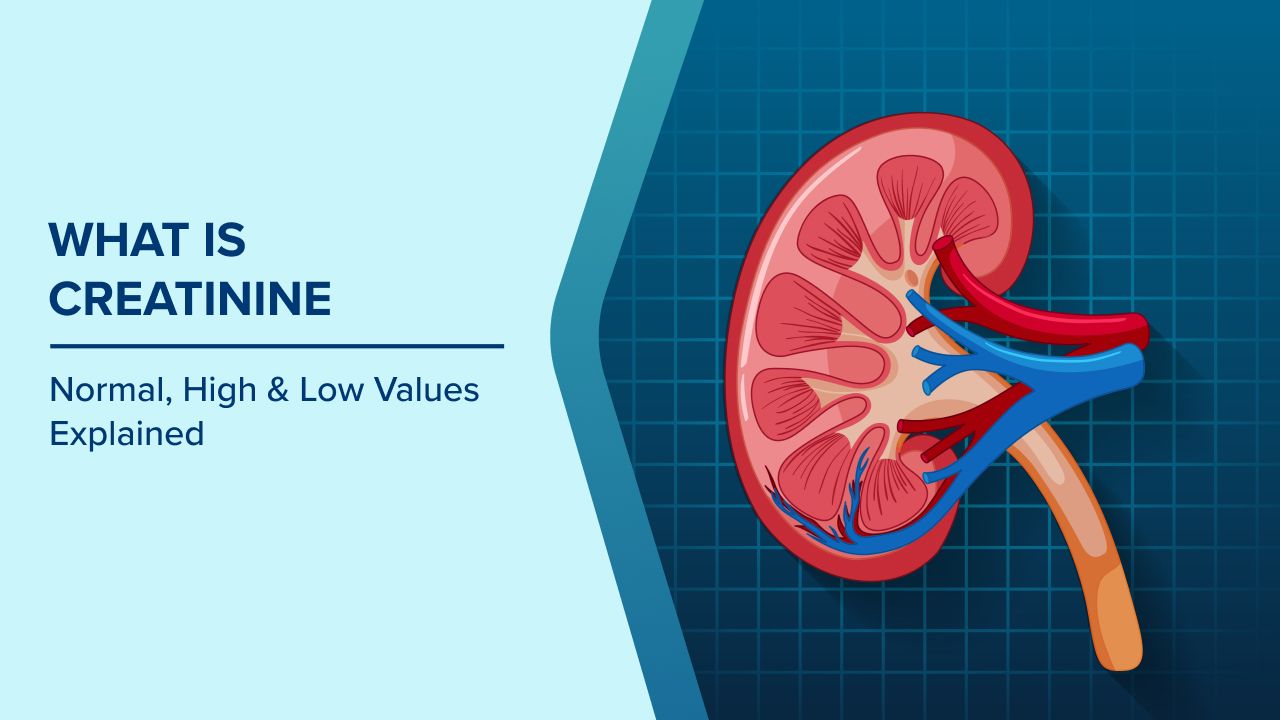
Creatinine is a waste product formed when muscles use energy. Healthy kidneys filter creatinine from the blood and excrete it in the urine.
Because creatinine is cleared almost entirely by the kidneys, its level in the blood gives doctors an important clue about kidney function.
What Are Normal Creatinine Levels?
Creatinine levels can vary depending on:
- Age
- Gender
- Muscle mass
- Overall health
In general:
- Adult men: ~0.7 to 1.3 mg/dL
- Adult women: ~0.6 to 1.1 mg/dL
Your doctor may also look at eGFR (estimated Glomerular Filtration Rate) along with creatinine to get a more accurate picture of kidney health.
What Does High Creatinine Mean?
High creatinine levels usually suggest that the kidneys are not filtering waste effectively. Common causes include:
- Dehydration
- Kidney infections
- Kidney stones
- Long-standing diabetes or high blood pressure
- Chronic kidney disease (CKD)
- Certain medications
- Urinary blockage
A temporary rise may occur during illness or dehydration, but a persistently high creatinine level needs medical evaluation.
Symptoms That May Be Linked to High Creatinine
Some patients may not notice symptoms early. Others may experience:
- Swelling in the feet, face, or ankles
- Reduced urine output
- Fatigue or weakness
- Loss of appetite
- Nausea or vomiting
- Shortness of breath
Early detection helps prevent further kidney damage.
What Does Low Creatinine Mean?
Low creatinine levels are usually less concerning and often related to reduced muscle mass rather than kidney problems. Possible reasons include:
- Low muscle mass
- Older age
- Poor nutrition
- Prolonged illness
- Pregnancy
In most cases, low creatinine is not harmful, but your doctor may assess overall nutrition and muscle health if levels are very low.
Can Creatinine Levels Be Controlled?
Yes, in many cases, creatinine levels can be managed with the right care. Helpful steps include:
- Staying well hydrated (unless fluid-restricted)
- Controlling blood sugar and blood pressure
- Following a kidney-friendly diet
- Avoiding overuse of painkillers
- Taking medicines as prescribed
- Regular monitoring through blood tests
At Max Hospital Gurugram, nephrologists and urologists focus on treating the cause, not just the number.
Diet Tips for Healthy Creatinine Levels
Diet plays an important role in kidney health. General dietary advice may include:
- Moderate protein intake (as advised by your doctor)
- Limiting salt to control blood pressure
- Reducing processed and packaged foods
- Managing potassium and phosphorus if kidney disease is present
Our renal dietitians provide personalised diet plans based on test results and lifestyle.
When Should You See a Doctor?
You should consult a doctor if:
- Creatinine levels are rising over time
- You have symptoms like swelling or fatigue
- You have diabetes, hypertension, or a family history of kidney disease
- Your report shows abnormal eGFR values
Early medical guidance can prevent long-term kidney damage.
Expert Kidney Care at Max Hospital, Gurugram
At Max Hospital Gurugram, we offer:
- Advanced kidney function testing
- Experienced nephrologists and urologists
- Early detection and prevention programs
- Dialysis and transplant support
- Holistic patient education and counselling
Our goal is to protect kidney health and improve quality of life.
Written and Verified by:

Related Blogs

Dr. Anant Kumar In Urology , Kidney Transplant , Uro-Oncology
Nov 08 , 2020 | 8 min read

Dr. Shailendra Kumar Goel In Urology , Kidney Transplant , Uro-Oncology
Nov 08 , 2020 | 4 min read
Blogs by Doctor

Prostate Gland: Function, Disorders and Treatment Options
Dr. Mandeep Kr. Dhanda In Urology
Feb 21 , 2024 | 10 min read

Most read Blogs


Related Blogs
Dr. Anant Kumar In Urology , Kidney Transplant , Uro-Oncology
Nov 08 , 2020 | 8 min read
Dr. Shailendra Kumar Goel In Urology , Kidney Transplant , Uro-Oncology
Nov 08 , 2020 | 4 min read
Blogs by Doctor
Prostate Gland: Function, Disorders and Treatment Options
Dr. Mandeep Kr. Dhanda In Urology
Feb 21 , 2024 | 10 min read
Most read Blogs