 WhatsApp Us (24/7)
 +91 926 888 0303 (24/7)


To Book an Appointment
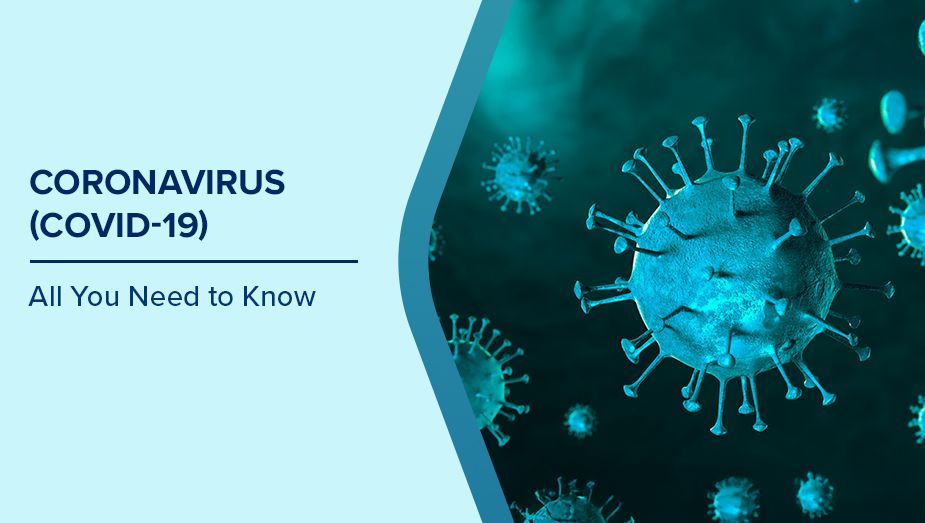
Call Us+91 926 888 0303Coronavirus (COVID-19): All You Need to Know
By Dr. Shovana Veshnavi in Internal Medicine
Jan 05 , 2026 | 6 min read

The COVID-19 pandemic has had a lasting impact on people around the world, but once it was over, many people stopped taking necessary precautions. Unfortunately, over the last couple of weeks, new cases of Coronavirus infection, caused by a new strain of the virus - JN.1, highlighting the importance of awareness, personal hygiene, and public health preparedness. This comprehensive guide outlines essential information about Coronavirus (COVID-19), including its symptoms, modes of transmission, prevention tips, workplace safety, treatment approaches, vaccine information, and post-COVID care strategies.
Understanding Coronavirus (COVID-19)
Coronaviruses are a large family of viruses known to cause illnesses ranging from the common cold to more severe conditions such as Middle East Respiratory Syndrome (MERS) and Severe Acute Respiratory Syndrome (SARS). COVID-19 is a respiratory illness caused by a new strain called SARS-CoV-2, first detected in Wuhan, China, in 2019. However, new cases being reported lately are causes by the JN.1 variant.
Types of Coronavirus
Coronaviruses are a large family of viruses, some of which infect humans. Human coronaviruses are generally classified into two categories:
1. Common Human Coronaviruses (usually cause mild respiratory illnesses):
- 229E (alpha coronavirus)
- NL63 (alpha coronavirus)
- OC43 (beta coronavirus)
- HKU1 (beta coronavirus)
These strains are responsible for seasonal colds and are widespread globally.
2. Severe Human Coronaviruses (can cause more serious illness):
- SARS-CoV: Caused the 2002–2003 outbreak of Severe Acute Respiratory Syndrome
- MERS-CoV: Responsible for the Middle East Respiratory Syndrome outbreak in 2012
- SARS-CoV-2: The novel coronavirus responsible for the current COVID-19 pandemic
Note: New variants of SARS-CoV-2 continue to emerge globally, including in India. While many behave similarly to earlier strains, ongoing research and public health monitoring are essential to understand their impact on transmissibility and severity.
Read more- JN.1 Variant of COVID-19: Symptoms, Treatment and Prevention
Corona Symptoms to Watch For
Symptoms of COVID-19 can vary from mild to severe. Many people recover at home with rest and supportive care, but early recognition is crucial. Common COVID-19 symptoms include:
- Fever or chills
- Dry cough
- Shortness of breath
- Fatigue or body ache
- Headache
- Loss of smell or taste
- Sore throat or nasal congestion
- Digestive issues such as diarrhoea
Latest symptoms of COVID may also include skin rash, red eyes, and dizziness in some individuals.
How Coronavirus Spreads
COVID-19 primarily spreads through respiratory droplets when an infected person coughs, sneezes, or speaks. It can also be contracted by touching contaminated surfaces and then touching the face (eyes, nose, or mouth).
Modes of transmission:
- Close contact with an infected person
- Airborne droplets in crowded or enclosed spaces
- Contact with contaminated surfaces or objects
- Limited evidence of transmission through faecal matter and aerosols in poorly ventilated spaces
Preventive Measures
Adopting simple yet effective preventive steps can significantly reduce the risk of infection and protect individuals and communities. Key ways to prevent coronavirus infection:
- Wash hands frequently with soap and water for at least 20 seconds
- Use alcohol-based hand sanitisers (with 60% or more alcohol) when outdoors
- Wear masks in public and crowded settings
- Maintain physical distancing (minimum 1 metre)
- Avoid handshakes and opt for contactless greetings like Namaste
- Disinfect commonly touched surfaces regularly
- Avoid touching the face with unwashed hands
- Stay home when unwell and seek medical advice if symptoms appear
Read More:- Omicron: Overview, Statistics, Symptoms, Diagnosis, Vaccination and Prevention
Workplace Safety During COVID-19
Employers and organisations can help reduce the spread of infection by promoting hygiene, flexible policies, and clear communication. Recommended Actions for Businesses and Offices include:
- Regularly disinfect workstations, doorknobs, phones, and communal spaces
- Promote frequent handwashing and provide sanitiser stations
- Encourage mask use and respiratory hygiene
- Approve sick leaves promptly and allow remote work wherever possible
- Avoid biometric attendance systems during outbreaks
- Display posters promoting hygiene and health practices
- Isolate unwell individuals and contact health authorities if needed
Home Quarantine Guidelines
When advised by health professionals, home quarantine can help prevent community spread. Home quarantine instructions for exposed individuals:
- Stay in a well-ventilated single room, ideally with a separate bathroom
- Avoid contact with family members, especially elderly or high-risk individuals
- Wear a surgical mask at all times and dispose of used masks safely
- Use personal utensils, towels, and bedding
- Disinfect high-touch surfaces and wash clothes separately
- Monitor for symptoms and seek immediate care if they appear
Home quarantine period: 14 days from the last exposure or as advised by health authorities
CoronaVirus Vaccine and Side Effects
COVID-19 vaccines have proven essential in reducing infection risk and preventing severe illness.
Benefits of coronavirus vaccines:
- Boost immunity against the virus
- Reduce the risk of severe symptoms and hospitalisation
- Help prevent community transmission
Common side effects of the vaccine may include:
- Mild fever
- Headache or fatigue
- Soreness at the injection site
- Chills or muscle aches
These effects are usually short-lived and a sign that the body is building protection.
Read More:- Monoclonal Antibodies: Breakthrough treatment to prevent severe COVID-19 illness
Post Corona Effects and Recovery
Even after recovering from COVID-19, some individuals experience ongoing health concerns. This is known as post-COVID syndrome or long COVID.
Common post-COVID effects:
- Persistent fatigue
- Shortness of breath
- Joint or chest pain
- Brain fog and memory issues
- Mood changes or insomnia
Seeking medical advice, staying active, eating a balanced diet, and managing stress can support recovery.
Coronavirus Treatments and Remedies
Currently, there is no specific cure for COVID-19. Most mild cases are managed at home with rest and supportive care.
General Treatment Options
- Fever reducers (paracetamol)
- Hydration and balanced nutrition
- Monitoring oxygen levels using a pulse oximeter
- Antiviral or steroid medications for severe cases (as prescribed by a doctor)
- Hospitalisation for breathing support, if needed
Corona Remedies for Mild Cases:
- Steam inhalation
- Salt water gargles
- Herbal teas for throat relief
- Adequate rest and sleep
Protecting Healthcare Workers
Medical personnel must take extra care to protect themselves and their families. Here are some of the safety tips for healthcare workers:
- Change into scrubs immediately upon arrival
- Avoid carrying unnecessary items (wallets, handbags, watches)
- Disinfect mobile phones, keys, and glasses
- Shower immediately after returning home
- Keep distance from elderly or high-risk family members
- Use hospital-issued PPE and masks correctly
Frequently Asked Questions
What is the newest variant of COVID?
The newest COVID-19 variant is JN.1, a subvariant of Omicron. It is more transmissible but currently not linked to increased severity.
How to treat COVID symptoms in 2025?
Mild symptoms can be treated with rest, hydration, and over-the-counter medicines. High-risk individuals may need antivirals like Paxlovid, under medical supervision.
How long is JN.1 contagious?
People infected with JN.1 are typically contagious from 1–2 days before symptoms appear to about 5–7 days after symptoms begin.
Is the new COVID variant less severe?
Yes, current data shows that JN.1 causes mostly mild symptoms, similar to other Omicron variants.
What are the early symptoms of COVID-19?
Common early symptoms include fever, dry cough, fatigue, body ache, and loss of taste or smell. Some may also experience sore throat or mild respiratory issues.
What are the different types of coronaviruses?
Coronaviruses include strains such as SARS-CoV, MERS-CoV, and SARS-CoV-2 (responsible for COVID-19). Some cause mild colds, while others can lead to severe respiratory illness.
How long do coronavirus symptoms usually last?
Mild symptoms may last about 7 to 10 days, while moderate to severe cases can take several weeks to resolve. Post-recovery effects may persist longer in some individuals.
What are the common side effects of the coronavirus vaccine?
Most side effects of corona vaccine are mild and temporary, such as fever, soreness at the injection site, body ache, and fatigue. Serious side effects are rare and should be reported to a healthcare provider.
What are post-COVID or post-corona effects?
Some individuals experience fatigue, breathlessness, joint pain, brain fog, or sleep disturbances even after recovering. This condition is sometimes referred to as long COVID or post-COVID syndrome.
Are antibiotics effective in treating COVID-19 or other coronavirus infections?
No. Antibiotics treat bacterial infections and are not effective against viruses. They may be used if there’s a secondary bacterial infection, as advised by a doctor.
Is coronavirus a retrovirus?
No. Coronaviruses are RNA viruses but are not classified as retroviruses. Retroviruses (such as HIV) replicate differently by integrating into the host’s DNA.
What are the key ways to prevent COVID-19?
- Regular hand hygiene
- Wearing masks in crowded spaces
- Maintaining physical distance
- Staying home when unwell
- Getting vaccinated
How accurate are PCR tests for COVID-19 detection?
PCR tests are highly sensitive and considered the gold standard for detecting active COVID-19 infection. However, no test is 100% accurate.
When was the coronavirus outbreak first reported?
The COVID-19 outbreak caused by SARS-CoV-2 was first reported in December 2019 in Wuhan, China.
Written and Verified by:

Related Blogs


Dr. Vandana Boobna In Internal Medicine
Nov 08 , 2020 | 2 min read
Blogs by Doctor

Clear Up Acne By Healing Your Gut - Tips To Improve Your Digestive Health
Dr. Shovana Veshnavi In Dermatology , Internal Medicine
Jul 20 , 2023 | 1 min read

Why You May Feel Dizzy After Eating And How To Manage It
Dr. Shovana Veshnavi In Internal Medicine
May 09 , 2023 | 2 min read
Most read Blogs


Related Blogs
Dr. Vandana Boobna In Internal Medicine
Nov 08 , 2020 | 2 min read
Blogs by Doctor
Clear Up Acne By Healing Your Gut - Tips To Improve Your Digestive Health
Dr. Shovana Veshnavi In Dermatology , Internal Medicine
Jul 20 , 2023 | 1 min read
Why You May Feel Dizzy After Eating And How To Manage It
Dr. Shovana Veshnavi In Internal Medicine
May 09 , 2023 | 2 min read
Most read Blogs