 WhatsApp Us (24/7)
 +91 926 888 0303 (24/7)


To Book an Appointment
Call Us+91 926 888 0303Epilepsy Myths & Facts: Awareness and Daily Life Impact
By Dr. Amit Shrivastava in Neurology
Feb 17 , 2026

Epilepsy is one of the most misunderstood neurological conditions. Despite being widely known, it is still surrounded by fear, stigma, and incorrect beliefs. Many people form opinions based on movies, hearsay, or outdated information, which often leads to unnecessary anxiety for patients and families. These misunderstandings can affect education, employment, relationships, and overall quality of life.
Understanding what epilepsy truly is, and what it is not, plays a major role in creating a more supportive and informed society.
Understanding Epilepsy Beyond the Label
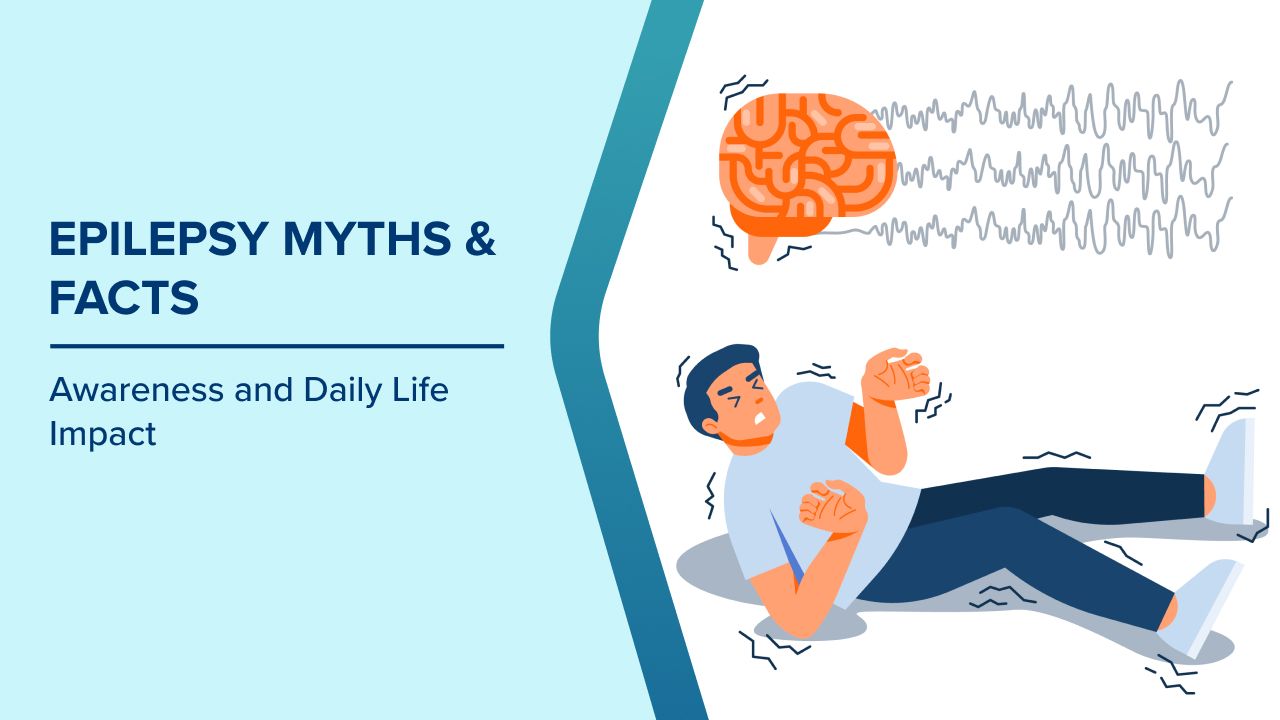
Epilepsy is a neurological condition in which a person has a tendency to experience recurrent seizures. A seizure happens due to sudden, abnormal electrical activity in the brain. The experience of epilepsy varies widely from person to person. Some may have occasional seizures that are well-controlled, while others may need ongoing medical care and lifestyle adjustments.
Epilepsy is not a mental illness, not contagious, and not a sign of intellectual disability. Yet many people living with epilepsy still face judgment because of persistent myths.
Why Myths About Epilepsy Still Exist
Several factors contribute to the spread of misinformation:
- Lack of awareness about brain disorders
- Fear of seizures due to their sudden nature
- Cultural beliefs passed down over generations
- Inaccurate portrayals in films and media
- Limited open conversations about neurological health
Clearing these myths is essential, not only for patients but also for families, schools, workplaces, and communities.
Common Myths and the Real Facts About Epilepsy
Myth 1: Epilepsy Is a Mental Illness
Fact: Epilepsy is a neurological condition, not a psychiatric disorder. It originates in the brain’s electrical activity and is unrelated to a person’s mental health, intelligence, or emotional stability. People with epilepsy can think, learn, work, and make decisions just like anyone else.
Myth 2: All Seizures Look the Same
Fact: Seizures can appear very different depending on the part of the brain involved. Not all seizures involve shaking or loss of consciousness. Some may look like brief staring spells, sudden confusion, unusual movements, or momentary changes in sensation. Because many seizures are subtle, epilepsy often goes unnoticed or is misunderstood.
Myth 3: People With Epilepsy Cannot Live Normal Lives
Fact: With proper treatment and support, many people with epilepsy lead full and active lives. They study, work, marry, travel, and participate in hobbies and sports. While certain precautions may be needed, epilepsy does not automatically limit personal or professional potential.
Myth 4: Epilepsy Is Always Inherited
Fact: While genetics can play a role in some cases, many people with epilepsy have no family history of the condition. Epilepsy can also develop due to brain injury, infections, complications at birth, or unknown causes.
Myth 5: You Should Put Something in the Mouth During a Seizure
Fact: Never put anything into a person’s mouth during a seizure. Doing so can cause choking, broken teeth, or jaw injuries. A person cannot swallow their tongue during a seizure. The correct response is to keep them safe, turn them on their side if possible, and allow the seizure to pass.
Myth 6: Epilepsy Cannot Be Treated
Fact: Epilepsy is a manageable condition. Many people achieve good seizure control with medication. Others may benefit from lifestyle adjustments, specialised therapies, or surgical options depending on the cause and seizure type.
Myths and Facts About Epilepsy in Women
Women with epilepsy often face additional stigma and societal pressure, particularly around marriage, pregnancy, and motherhood.
Myth: Women with epilepsy cannot lead independent lives
Fact: Most women with epilepsy can study, work, build relationships, and live independently with appropriate treatment and support.
Myth: Epilepsy makes pregnancy unsafe
Fact: Many women with epilepsy have healthy pregnancies and deliver healthy babies with proper medical supervision.
Myth: Women with epilepsy should avoid motherhood
Fact: Epilepsy does not automatically limit a woman’s ability to be a mother. With informed care and support, women can manage both health and parenting responsibilities.
How Myths Impact Daily Life
People with epilepsy may face:
- Unfair discrimination at work or school
- Overprotection from family members
- Social isolation
- Delayed medical care
- Reduced confidence and self-esteem
Conclusion
Epilepsy is a medical condition, not a limitation on a person’s worth or ability. By separating myths from reality, we replace fear with understanding and stigma with support.
Frequently Asked Questions
Can epilepsy affect emotional health even when seizures are controlled?
Yes. Living with a long-term condition can affect stress levels and confidence. Psychological support may help alongside medical care.
Is it safe for someone with epilepsy to exercise?
In most cases, yes. Exercise improves overall health and mood. Some activities may require medical guidance depending on seizure control.
Can epilepsy appear later in adulthood?
Yes. It can develop at any age and may be linked to injury, stroke, infection, or other neurological causes.
Does epilepsy require lifelong treatment?
Not always. Some individuals may reduce or stop medication under medical supervision if seizures remain controlled.
How should others support someone with epilepsy?
Stay informed, remain calm during seizures, avoid overprotection, and treat the person with respect and normalcy.
Written and Verified by:

Related Blogs


Oct 27 , 2020 | 3 min read
Blogs by Doctor
Tingling in Hands or Feet? Possible Causes Explained
Dr. Amit Shrivastava In Neurology
Jul 16 , 2025 | 9 min read
Alzheimer’s Prevention: Lifestyle Habits for Memory & Brain Health
Dr. Amit Shrivastava In Neurology
Sep 17 , 2025 | 3 min read
Most read Blogs


Related Blogs
Oct 27 , 2020 | 3 min read
Blogs by Doctor
Tingling in Hands or Feet? Possible Causes Explained
Dr. Amit Shrivastava In Neurology
Jul 16 , 2025 | 9 min read
Alzheimer’s Prevention: Lifestyle Habits for Memory & Brain Health
Dr. Amit Shrivastava In Neurology
Sep 17 , 2025 | 3 min read
Most read Blogs