 WhatsApp Us (24/7)
 +91 926 888 0303 (24/7)


To Book an Appointment
Call Us+91 926 888 0303Colposcopy After Abnormal Pap Smear: Procedure & Care
By Dr. Suman Lal in Obstetrics And Gynaecology , Robotic Surgery , Gynaecologic Laparoscopy
Apr 27 , 2026

Routine cervical cancer screening through a Pap smear plays a vital role in detecting early changes in cervical cells. Sometimes, the test results may show abnormal cells. While this can be concerning for many women, an abnormal Pap smear does not necessarily mean cancer. In many cases, doctors recommend a colposcopy to examine the cervix more closely and determine the cause of the abnormal result.
Understanding what a colposcopy involves can help reduce anxiety and prepare patients for the next steps in their care.
What Does an Abnormal Pap Smear Mean?
A Pap smear checks for abnormal or precancerous cells on the cervix. When the test result is abnormal, it simply means that some cervical cells look different from normal cells under a microscope. These changes can occur for several reasons, including:
- Human Papillomavirus (HPV) infection
- Mild cervical cell changes
- Inflammation or infection
- Hormonal changes
In many cases, these changes are temporary and not serious. However, further evaluation with a colposcopy helps doctors determine whether treatment or monitoring is needed.
What Is a Colposcopy?
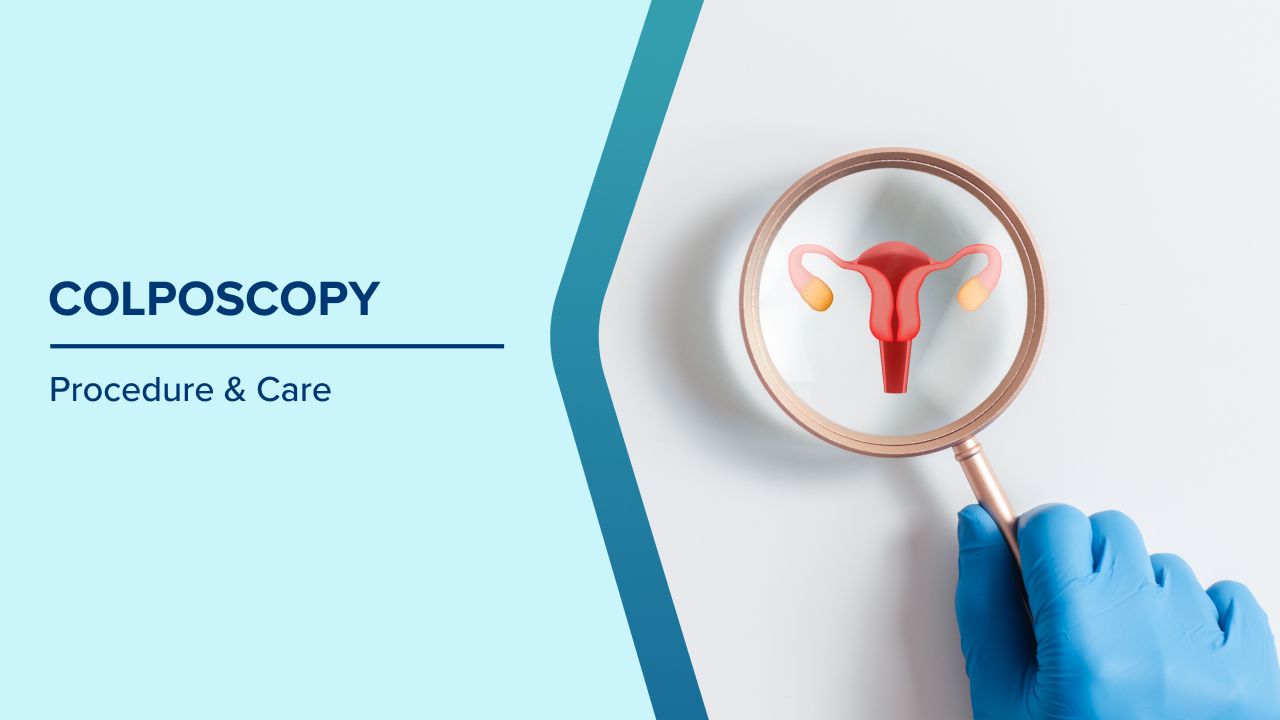
A colposcopy is a diagnostic procedure that allows doctors to closely examine the cervix, vagina, and vulva using a special magnifying device called a colposcope.
The colposcope does not enter the body. Instead, it stays outside the vagina and magnifies the tissues, helping doctors identify areas that may require further examination.
This procedure is commonly recommended after an abnormal Pap smear or a positive HPV test. It usually takes about 10–20 minutes and is performed in an outpatient setting.
How Should Patients Prepare for a Colposcopy?
Preparing for a colposcopy is simple and usually does not require special arrangements. However, doctors may recommend the following:
- Avoid sexual intercourse for 24 hours before the test
- Do not use tampons, vaginal creams, or medicines before the procedure
- Schedule the test when you are not menstruating, if possible
- Inform your doctor if you are pregnant
Some patients prefer to take a mild pain reliever before the appointment to reduce potential discomfort.
What Happens During the Procedure?
The colposcopy procedure is similar to a routine pelvic exam. Here is what typically happens:
- The patient lies on an examination table with the feet supported, similar to a Pap test.
- A speculum is gently inserted into the vagina so the doctor can see the cervix clearly.
- The doctor applies a mild solution (such as vinegar or iodine) to the cervix. This helps highlight abnormal cells.
- The doctor examines the cervix using the colposcope for a magnified view.
- If an abnormal area is seen, a small tissue sample (biopsy) may be taken for laboratory testing.
Patients may feel mild pressure during the exam and a brief pinching sensation during a biopsy.
What to Expect After the Colposcopy
Most patients can return to their normal activities shortly after the procedure. If no biopsy is taken, there is usually little to no recovery time. However, if a biopsy is performed, patients may experience:
- Mild cramping
- Light vaginal bleeding or spotting
- Dark discharge caused by the medication used to stop bleeding
Doctors may advise avoiding tampons, sexual intercourse, and douching for a few days if a biopsy was performed.
Understanding Colposcopy Results
The results of a colposcopy help doctors decide the next steps in care. Possible outcomes include:
- Normal findings: No abnormal cells detected
- Low-grade changes: Minor cell changes that may only require monitoring
- High-grade changes: More significant abnormalities that may require treatment
If a biopsy is taken, the results usually become available within a few days to about a week.
When Should Patients Contact Their Doctor?
Although complications are uncommon, patients should contact their doctor if they experience:
- Heavy bleeding
- Severe abdominal pain
- Fever or chills
- Foul-smelling vaginal discharge
These symptoms may indicate an infection or other issues requiring medical attention.
Early Detection Helps Prevent Cervical Cancer
Receiving an abnormal Pap smear result can feel stressful, but it is important to remember that most abnormal results do not mean cancer. Colposcopy allows doctors to identify and treat cervical changes early, long before they become serious.
At Max Hospital, Gurugram, experienced gynaecologists use advanced diagnostic tools and personalised care to guide patients through screening, diagnosis, and treatment, ensuring the best possible outcomes for women’s health.
Written and Verified by:

Related Blogs

Dr. Manju Khemani In Obstetrics And Gynaecology
Oct 27 , 2020 | 3 min read

Dr. Neera Aggarwal In Obstetrics And Gynaecology , Nutrition And Dietetics
Nov 07 , 2020 | 7 min read
Blogs by Doctor

Complete Guide to A Healthy Pregnancy
Dr. Suman Lal In Obstetrics And Gynaecology
Aug 29 , 2019 | 3 min read

The Role of Nutrition in Women’s Health: Key Insights
Dr. Suman Lal In Obstetrics And Gynaecology , Nutrition And Dietetics
Jan 22 , 2024 | 6 min read
Most read Blogs

Related Blogs
Dr. Manju Khemani In Obstetrics And Gynaecology
Oct 27 , 2020 | 3 min read
Dr. Neera Aggarwal In Obstetrics And Gynaecology , Nutrition And Dietetics
Nov 07 , 2020 | 7 min read
Blogs by Doctor
Complete Guide to A Healthy Pregnancy
Dr. Suman Lal In Obstetrics And Gynaecology
Aug 29 , 2019 | 3 min read
The Role of Nutrition in Women’s Health: Key Insights
Dr. Suman Lal In Obstetrics And Gynaecology , Nutrition And Dietetics
Jan 22 , 2024 | 6 min read
Most read Blogs