 WhatsApp Us (24/7)
 +91 926 888 0303 (24/7)


To Book an Appointment
Call Us+91 926 888 0303Cold Weather Joint Pain and Knee Stiffness: Why It Happens and How to Feel Better
By Dr. Rishabh Jaiswal in Orthopaedics & Joint Replacement
Dec 11 , 2025 | 6 min read

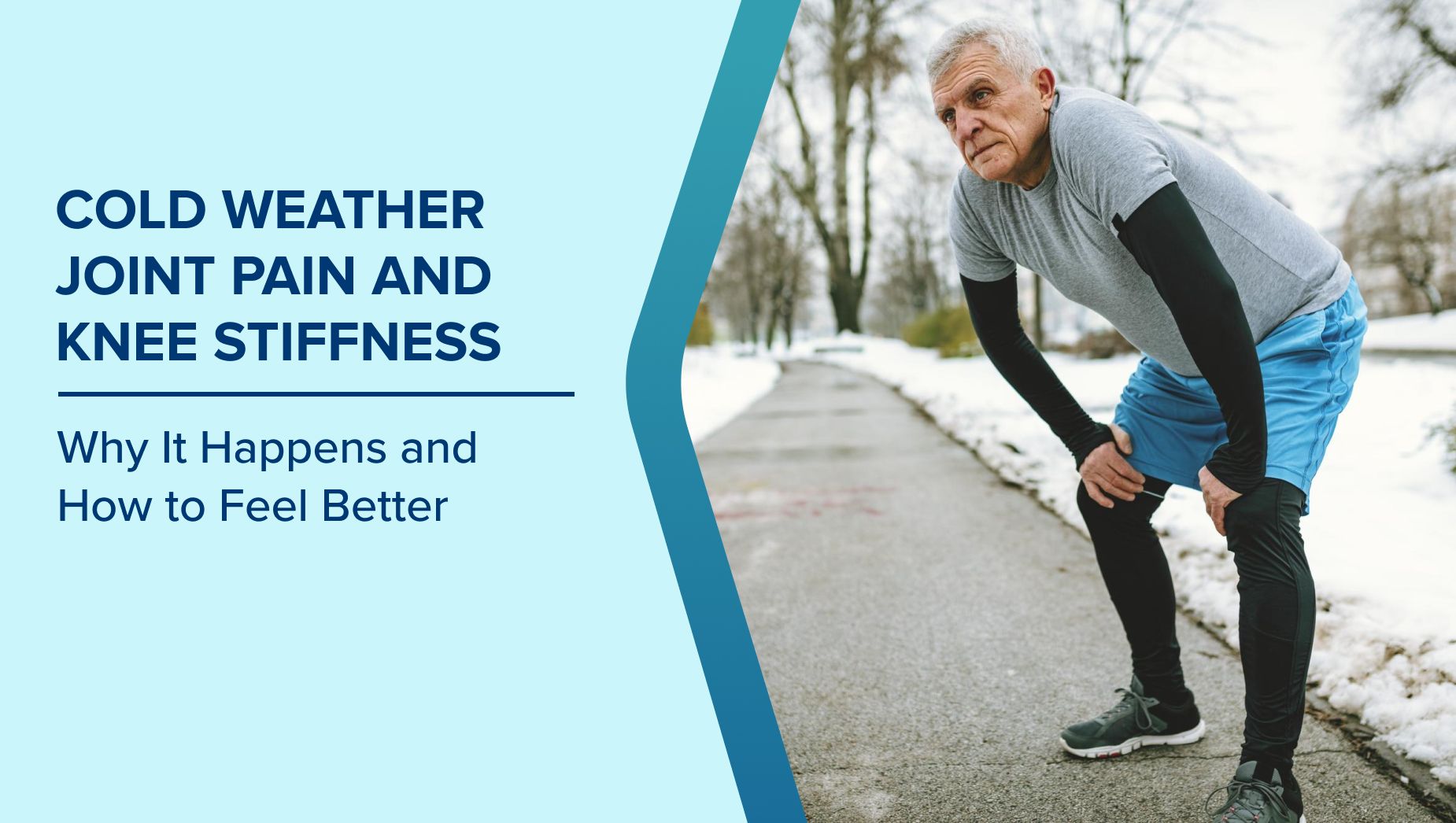
Many people notice that their joints feel stiffer, heavier, or more painful as temperatures drop. Knees, in particular, seem to complain more during early mornings and late evenings. This is a common winter concern and often leaves people wondering why their joints hurt more when the weather turns cold.
Cold-weather joint pain is not limited to people with arthritis. Even young adults, athletes, and individuals who sit for long hours can experience discomfort. Understanding why this happens and learning simple habits to protect your joints can help you stay active and comfortable throughout the winter months.
Why Cold Weather Triggers Joint and Knee Pain
Cold temperatures affect almost every part of the musculoskeletal system. Many people describe winter joint stiffness in phrases like “my knees feel tight” or “my joints feel dry”. These sensations are real and have clear physiological explanations.
When the temperature drops, the body attempts to preserve heat by narrowing blood vessels in the skin and limbs. This change reduces blood flow around joints and muscles. Less blood flow means less warmth, which increases stiffness and slows down the smooth movement of joints. People who already have joint sensitivity notice this more sharply.
Cold weather also affects pain receptors. Nerves become more reactive in low temperatures, so mild pressure or stiffness may feel stronger than usual. This is one reason why winter joint pain can feel more intense.
How Temperature Drops Affect Bones, Muscles, Cartilage, and Synovial Fluid
To understand winter arthritis pain and knee stiffness, it helps to look at what happens inside your joints when the weather becomes cold.
- Bones: Bones expand and contract slightly with temperature changes. Cold weather can cause micro-tightening around the joint area, leading to a dull, achy feeling.
- Muscles: Muscles tend to tighten in chilly weather. This tension limits movement and places added strain on the surrounding joints. Tight thigh muscles can worsen knee pain.
- Cartilage: Cartilage usually acts like a smooth cushion between bones. Cold temperatures may reduce its elasticity, making movements feel jerky or stiff.
- Synovial Fluid: Synovial fluid is the natural lubrication inside joints. When temperatures drop, this fluid becomes thicker. Thick fluid moves more slowly, which can increase joint stiffness in winter.
Connection Between Cold Weather and Arthritis Flare-Ups
People with arthritis often report that winter aggravates their symptoms. This is not just a feeling. Cold weather can influence inflammation and joint behaviour.
Lower temperatures may:
- slow blood circulation around the inflamed joints
- increase joint pressure due to fluid changes
- heighten nerve sensitivity around affected areas
For those with osteoarthritis, knee pain in winter may feel sharper because already worn cartilage becomes less flexible. Rheumatoid arthritis may flare because the immune system becomes more reactive during seasonal shifts.
Not everyone experiences the same level of discomfort, but the pattern of winter arthritis pain is widely recognised.
Why Some People Experience More Knee Pain in Winter
Knees carry most of the body’s weight, so they are often the first joints to signal discomfort during colder months. Some reasons include:
- Past injuries, such as ligament strains or cartilage tears, become more noticeable in cold temperatures.
- Less physical activity decreases blood flow and tightens supporting muscles.
- Weight gain during winter adds extra stress to knee joints.
- Weak quadriceps and hamstrings make knees work harder.
Common Winter Joint Problems
Winter can increase the risk of several joint-related symptoms, including:
- Stiffness: One of the most common complaints. It often appears in the morning or after sitting for long periods.
- Inflammation: Cold temperatures can amplify inflammatory signals, leading to swollen or tender joints.
- Reduced Mobility: Thicker synovial fluid and tight muscles can limit smooth movement.
- Aching Knees: Knee joints are highly active and sensitive to temperature shifts, leading to winter knee pain.
- Slower Warm-Up Time: It takes longer for muscles and joints to become flexible in the cold.
How Lifestyle, Indoor Heating, and Reduced Activity Make Pain Worse
Cold-weather joint pain is not caused only by outdoor temperature. Every day, winter habits also play a role.
- Less Movement: People tend to stay indoors, sit more, and move less. Long hours of inactivity stiffen joints and weaken muscles.
- Indoor Heating: Indoor heaters dry the air. Dry air can reduce the body’s natural moisture levels and contribute to a sense of dryness around joints.
- Poor Posture: Working from home, sitting with legs crossed, or lounging for long periods can strain joints.
- Reduced Hydration: People drink less water in cold weather. Dehydration affects cartilage and synovial fluid, increasing joint stiffness.
- Heavy Winter Clothing: Bulky clothing may reduce joint mobility, leading to awkward movements and strain.
How to Protect Your Joints and Knees in Winter
You can reduce discomfort by adopting simple habits to keep your joints warm, flexible, and well-supported.
- Keep Your Body Warm: Dress in layers that trap heat. Warm joints move better and hurt less. Focus on covering knees and lower legs.
- Stay Active Daily: Regular movement increases blood flow and nourishes cartilage. Gentle walks, stretching, or home exercises can help.
- Strengthen Supporting Muscles: Strong muscles around your knees reduce stress on the joints. Focus on:
- quadriceps
- hamstrings
- calf muscles
- hip stabilisers
- Stay Hydrated: Adequate hydration helps maintain healthy synovial fluid.
- Maintain a Healthy Weight: Even small weight changes can affect knee pressure. Managing weight reduces strain on load-bearing joints.
- Protect Your Joints from Sudden Temperature Changes: Avoid sitting near cold windows or walking barefoot on cold floors.
Daily Habits That Reduce Winter Joint Pain
You can incorporate these habits into your routine:
- Do light stretching in the morning
- Avoid sitting for long periods
- Use warm compresses on stiff joints
- Choose supportive footwear
- Maintain a regular sleep schedule
- Increase your intake of warm, nourishing foods
Natural Home Remedies That Provide Comfort
People often look for easy home remedies to ease knee stiffness in cold weather. Some effective methods include:
- Warm Baths: Warm water relaxes muscles and improves joint movement.
- Gentle Oil Massage: Light massage improves circulation and reduces tension.
- Heating Pads: Provides quick relief for stiff or painful joints.
- Turmeric and Ginger: These ingredients have natural anti-inflammatory properties when taken in food or warm drinks.
- Omega-3 Rich Foods: Fatty fish, walnuts, and flaxseeds support joint health.
When to See a Doctor
You should seek medical advice if you notice:
- severe or persistent joint pain
- swelling that does not improve
- sudden increase in knee pain in winter
- difficulty walking or bending the knee
- locking, catching, or giving way of the knee
- pain accompanied by fever
Conclusion
Cold-weather joint pain is common, but it does not have to limit your daily life. Understanding why your knees and joints hurt in winter helps you manage symptoms better. With regular movement, good hydration, warm clothing, and simple home remedies, you can keep your joints flexible and comfortable even in the coldest months.
If pain persists or affects your daily routine, speaking with a healthcare professional is the best step. Early evaluation can prevent long-term joint issues and improve your overall quality of life.
Frequently Asked Questions
Can diet affect winter joint pain?
Yes, eating foods rich in antioxidants, healthy fats, and minerals supports joint health. Processed foods may increase inflammation and worsen discomfort.
Are supplements useful for cold-weather joint discomfort?
Some people benefit from vitamin D, calcium, magnesium, and omega-3 supplements, especially during months with limited sunlight. Always check with a doctor before starting supplements.
Why do young adults also get knee pain in winter?
Young adults may experience joint pain due to reduced physical activity, poor posture, previous injuries, or muscle stiffness caused by cold temperatures.
Can cold weather impact people without arthritis?
Yes, even healthy joints can feel stiff or achy in cold weather due to fluid thickening, reduced blood flow, and muscle tightening.
Does winter make recovery from injuries slower?
Cold conditions can slow circulation, which may delay healing. Warmth, gentle activity, and proper care can support faster recovery.
Written and Verified by:

Related Blogs


Dr. Ashish Jain In Orthopaedics & Joint Replacement
Nov 07 , 2020 | 1 min read
Blogs by Doctor


Joint Pain (Arthralgia): Common Causes and Treatment Options
Dr. Rishabh Jaiswal In Orthopaedics & Joint Replacement
Oct 14 , 2025 | 7 min read
Most read Blogs


Related Blogs
Dr. Ashish Jain In Orthopaedics & Joint Replacement
Nov 07 , 2020 | 1 min read
Blogs by Doctor
Joint Pain (Arthralgia): Common Causes and Treatment Options
Dr. Rishabh Jaiswal In Orthopaedics & Joint Replacement
Oct 14 , 2025 | 7 min read
Most read Blogs