 WhatsApp Us (24/7)
 +91 926 888 0303 (24/7)


To Book an Appointment
Call Us+91 926 888 0303Endoscopic Treatment for Pancreatitis: Managing Symptoms and Treating Complications
By Dr. Ajay Yadav in Cancer Care / Oncology , Gastrointestinal & Hepatobiliary Oncology , Gastrointestinal Surgery , Robotic Surgery
Dec 11 , 2025 | 6 min read

Living with chronic pancreatitis can feel overwhelming. The pain, digestive discomfort and frequent flare-ups can affect every part of daily life, including eating habits, sleep and overall energy levels. Many people spend years trying to manage symptoms without real relief. As the condition progresses, the inflammation inside the pancreas can disrupt its functions and lead to complications that require more targeted care.
Thanks to major progress in digestive health treatment, endoscopic therapy now offers a minimally invasive option for managing symptoms and treating complications linked with chronic pancreatitis. These advanced endoscopic procedures allow doctors to treat internal issues through natural openings rather than open surgery, which reduces discomfort and allows faster recovery.
Understanding Chronic Pancreatitis and Its Impact
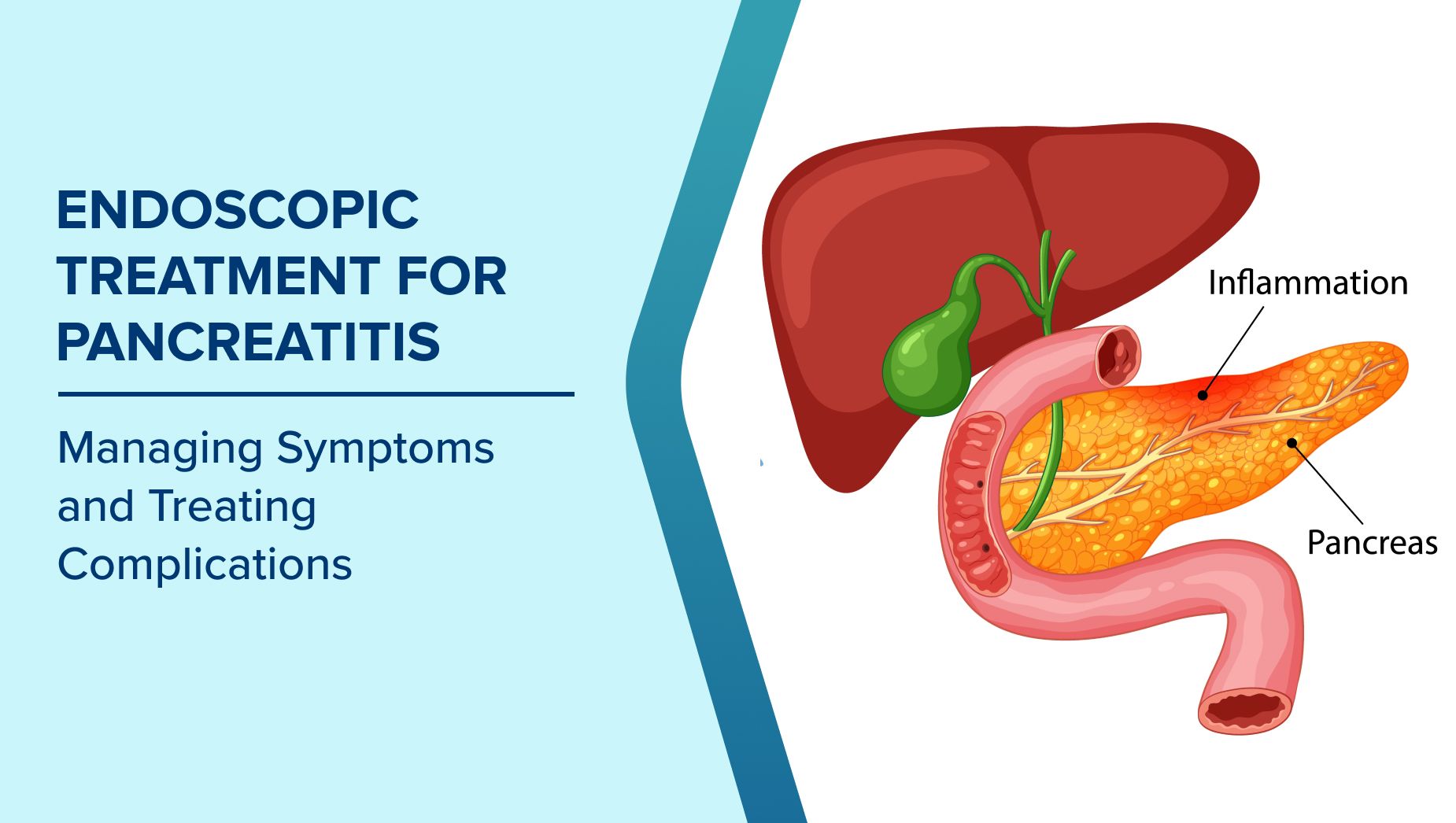
Chronic pancreatitis is a long-lasting inflammatory condition of the pancreas. Over time, the tissue becomes damaged, the ducts may narrow and the normal flow of digestive enzymes is disrupted. These enzymes are essential for breaking down food, so any interference affects digestion and nutrient absorption.
The pancreas is also responsible for producing hormones that regulate blood sugar. Persistent damage may disturb this balance, making it harder to maintain stable glucose levels. This is why people with chronic pancreatitis often experience digestive symptoms along with fatigue, poor appetite, unintended weight changes and unpredictable pain.
As the inflammation continues, the structure of the pancreas changes. Scar tissue may develop, which further blocks the ducts. This makes it difficult for the pancreas to drain its secretions, leading to pressure buildup and more pain.
Common Complications That Develop Over Time
Chronic pancreatitis does not follow a predictable path. Some individuals have mild symptoms for years, while others experience complications earlier. The most frequent complications include:
Pancreatic Duct Narrowing
Ongoing inflammation can cause the ducts to thicken or become narrowed. This stops enzymes from flowing smoothly into the intestine and results in pain or digestive issues. When the blockage is significant, endoscopic treatment becomes a valuable option.
Pancreatic Stones
Stones may develop inside the ducts due to changes in the concentration and flow of pancreatic secretions. These stones cause severe pain and can obstruct the duct completely, which worsens inflammation.
Fluid Collections
Some individuals develop fluid-filled pockets, which can grow larger and press on surrounding organs. When these collections interfere with digestion or cause repeated discomfort, they may require drainage.
Bile Duct Obstruction
The bile duct passes close to the pancreas. Inflammation can compress it, which leads to jaundice, itching, nausea and dark urine. Early intervention prevents these symptoms from worsening.
Digestive Problems and Malabsorption
Inadequate enzyme flow affects the ability to break down food, which results in bloating, greasy stools and nutrient deficiencies. Treatment focuses on improving the movement of enzymes and restoring better digestive function.
When Doctors Recommend Endoscopic Treatment
Endoscopic treatment becomes a key option when medicines and lifestyle changes are no longer enough to control symptoms. Doctors also suggest it when complications begin affecting daily activities or create risks for long-term damage.
Typical reasons for recommending endoscopic therapy include:
- Persistent or severe pain caused by blocked ducts
- Presence of stones that cannot be passed naturally
- Recurrent fluid collections that need controlled drainage
- Obstruction of the bile duct leading to jaundice
- Narrowing inside the pancreatic duct that prevents normal enzyme flow
- Poor quality of life despite regular treatment
How Endoscopic Treatment Works
Endoscopic procedures use a flexible tube fitted with a camera and specialised tools. This tube enters the digestive system through the mouth and travels down to the area requiring treatment. The camera helps the doctor see the inside of the body clearly, while the tools allow precise correction of the problem.
Key Endoscopic Treatments for Chronic Pancreatitis
Endoscopic Duct Stenting
When the pancreatic duct is narrowed or blocked, a small stent is placed to keep it open. This restores the flow of secretions and reduces pressure inside the pancreas. The stent may need replacement after a certain period, depending on the patient’s response.
This technique is commonly used when pain stems from obstruction. Many patients notice improvement soon after the duct is reopened.
Stone Removal using Endoscopic Tools
If stones form inside the pancreatic duct, they can be removed using specialised devices passed through the endoscope. In some cases, larger stones may be broken into smaller pieces to ease their removal. Clearing these stones helps reduce repeated flare-ups and improves enzyme drainage.
Endoscopic Drainage of Fluid Collections
Fluid-filled pockets are drained using an endoscope equipped with a small device that creates a pathway for the fluid to exit. This prevents infection, reduces pressure and relieves symptoms such as abdominal fullness or discomfort.
This method is especially helpful for people who develop recurrent collections that affect their appetite or cause nausea.
Treatment for Bile Duct Compression
When chronic pancreatitis compresses the bile duct, a stent can be placed to maintain an open passage. This allows bile to flow normally and relieves jaundice. It also prevents long-term complications such as persistent itching or liver strain.
Balloon Dilatation of Narrowed Areas
Some strictures respond well to balloon dilatation, which uses a small balloon introduced through the endoscope. Once positioned at the narrowed segment, the balloon is gently inflated to widen the duct. This can provide relief by improving enzyme movement.
Benefits of Choosing Endoscopic Therapy
Some of the key benefits include:
- Minimal cuts or stitches since the procedure uses natural openings
- Shorter hospital stay and quicker return to routine activities
- Targeted treatment focused only on the affected area
- Lower risk of complications in suitable patients
- Reduced need for extensive surgery
- Better control of pain caused by obstructed ducts
- Improved digestive comfort once enzyme flow is restored
What Recovery Looks Like
Recovery depends on the specific procedure performed, but most patients resume basic activities soon after treatment. Doctors usually recommend resting for a short period and gradually returning to regular routines. Some discomfort is expected initially, but it improves as the treated ducts begin functioning better.
Food intake may need temporary adjustments. Many patients prefer lighter meals for a few days until digestion feels more comfortable. Hydration is important and enzyme supplements may continue as per medical advice.
In some cases, follow-up appointments are required to monitor ducts, check stent position or plan further sessions if needed. These visits are essential for long-term improvement.
When to Seek Urgent Medical Support
Although most people recover smoothly, certain symptoms need prompt attention. Patients should contact a doctor immediately if they notice:
- Increasing abdominal pain that does not improve
- Persistent vomiting or inability to keep fluids down
- Fever or chills
- Yellowing of eyes or skin
- Sudden swelling of the abdomen
- Severe weakness or dizziness
Conclusion
Endoscopic treatment offers a reliable and minimally invasive solution for people living with chronic pancreatitis and its complications. By allowing direct access to the ducts and removing obstructions, these procedures improve comfort, reduce flare-ups and restore better digestive function. With proper guidance and follow-up care, patients can experience meaningful improvement and regain better control of their health.
FAQs
Can endoscopic treatment prevent future flare-ups of chronic pancreatitis?
Endoscopic therapy helps reduce flare-ups by improving the flow of pancreatic secretions and removing obstructions, but lifestyle changes and regular monitoring also play an important role in long-term control.
Will I need enzyme supplements even after endoscopic treatment?
Some people continue to need enzyme supplements depending on how well their pancreas functions. Your doctor will advise based on digestive symptoms and test results.
How long does an endoscopic stent stay inside the duct?
Stent duration varies according to the patient’s condition and the type of stent used. Follow-up visits help determine when it should be removed or replaced.
Is endoscopic therapy painful?
Most procedures are done under sedation, which keeps the patient comfortable. Some mild soreness may occur afterwards, but it usually settles soon.
Can chronic pancreatitis return even after endoscopic treatment?
Endoscopic therapy addresses complications and improves drainage, but the underlying condition may still require ongoing care. Avoiding triggers, managing diet and regular follow-up help maintain better long-term results.
Are all patients suitable for endoscopic therapy?
Suitability depends on the severity and location of ductal changes. Doctors assess the structure of the pancreas and recommend the most appropriate approach.
How soon can I resume normal eating after the procedure?
Many people return to their usual diet within a short time, although lighter meals are often preferred initially. Your doctor will guide you based on the procedure performed.
Written and Verified by:

Related Blogs

Dr. Kanika Batra Modi In Cancer Care / Oncology
Nov 07 , 2020 | 3 min read

Dr. R.Ranga Rao In Medical Oncology , Cancer Care / Oncology , Thoracic Oncology
Nov 07 , 2020 | 2 min read
Blogs by Doctor
Most read Blogs


Related Blogs
Dr. Kanika Batra Modi In Cancer Care / Oncology
Nov 07 , 2020 | 3 min read
Dr. R.Ranga Rao In Medical Oncology , Cancer Care / Oncology , Thoracic Oncology
Nov 07 , 2020 | 2 min read
Blogs by Doctor
Most read Blogs