 WhatsApp Us (24/7)
 +91 926 888 0303 (24/7)


To Book an Appointment
Call Us+91 926 888 0303A Quick Guide to Cholera: Causes, Symptoms, Treatment and Prevention
By Dr. Rommel Tickoo in Internal Medicine
Jan 05 , 2026 | 10 min read
1

Cholera usually starts with watery diarrhoea that can lead to severe dehydration within hours. This fast progression makes the disease especially dangerous in places where access to drinking water and medical care is limited. It spreads through contaminated water or food, which often occurs due to poor sanitation, overcrowding, or natural disasters. In these settings, infections may go unnoticed at first, allowing outbreaks to grow rapidly. Although cholera is both preventable and treatable, early action is essential to avoid serious complications. In this blog, we’ll explore the causes of cholera, early signs, available treatments, and simple ways to reduce the risk of infection. But first, let’s start with an overview of how the disease affects the body.
What is Cholera?
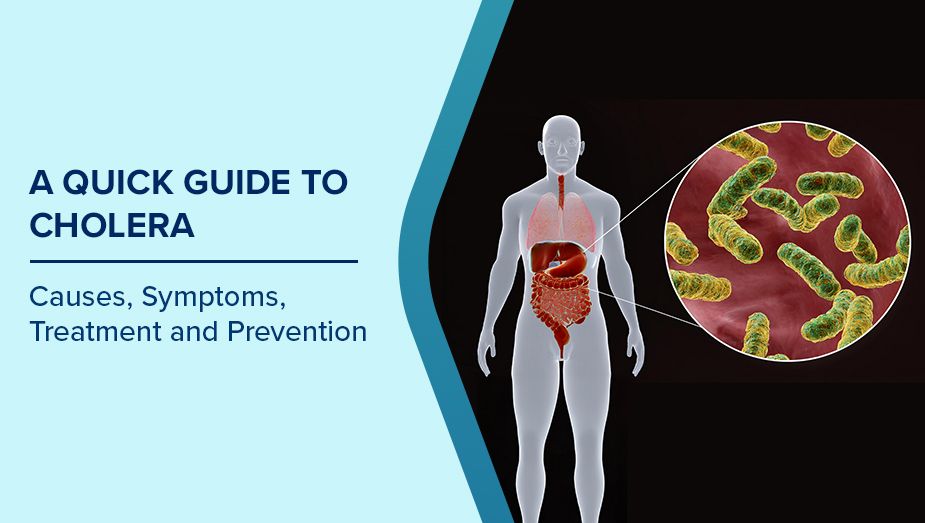
Cholera is a bacterial infection caused by Vibrio cholerae, which affects the small intestine. When a person consumes food or water contaminated with this bacterium, it releases toxins that cause the cells lining the intestine to release large amounts of water and salts. This leads to severe diarrhoea and vomiting, resulting in rapid loss of fluids from the body. If the fluid loss is not replaced quickly, dehydration occurs, which can be life-threatening.
Cholera spreads mainly through drinking water or eating food contaminated with human waste, making it common in areas with poor sanitation and limited access to clean water. Although the infection can affect anyone, children, elderly, and people with weakened immune systems face the highest risk of serious illness.
What Causes Cholera?
Cholera disease is caused by swallowing food or water contaminated with the Vibrio cholerae bacterium. The bacteria are usually present in places where sanitation is poor and clean drinking water is limited. In most cases, the contamination happens when human waste enters water supplies used for drinking, cooking, or washing. Food can also become a source of infection if it is washed with unsafe water, handled with unclean hands, or left uncovered in unhygienic conditions.
Outbreaks are more likely to occur during natural disasters, floods, or in overcrowded areas such as refugee camps, where water systems and sewage treatment may be disrupted. Raw or undercooked seafood from contaminated water sources can also carry the bacteria. Once introduced into a community, the infection can spread quickly, especially when basic hygiene practices are not followed.
Read More:- Water Borne Diseases- List, Risks, and Prevention
What are the Symptoms of Cholera?
Cholera symptoms can appear within hours to a few days after infection. In many cases, the illness begins suddenly and worsens quickly. Some people may experience only mild symptoms or none at all, but others can develop severe, life-threatening dehydration. The most common symptoms include:
- Large amounts of watery diarrhoea, often pale or milky in appearance
- Vomiting
- Muscle cramps
- Weakness or fatigue
As the body loses fluids rapidly, signs of dehydration may also appear, such as:
- Dry mouth and extreme thirst
- Sunken eyes
- Cold or dry skin
- Low blood pressure
- Fast heart rate
- Reduced urine output
In severe cases, dehydration can lead to shock and even death if treatment is delayed. Quick recognition of these symptoms is important to prevent complications.
How is Cholera Diagnosed?
Accurate and timely diagnosis of cholera plays an important role in managing the infection and controlling its spread, especially during outbreaks. The diagnosis is based on a combination of clinical signs and laboratory tests.
Clinical Diagnosis
Doctors often begin by looking at the symptoms and the patient’s background. In areas where cholera is known to occur, the presence of sudden, watery diarrhoea and signs of dehydration is usually enough to suspect cholera. These signs include:
- Frequent, pale or milky diarrhoea
- Vomiting
- Dry mouth and intense thirst
- Low blood pressure
- Little or no urine output
A history of recent exposure to unsafe water or unsanitary conditions may further support the suspicion.
Stool Culture
Stool culture remains the most reliable method for confirming cholera. A fresh stool sample is collected and sent to a laboratory, where it is placed on a special growth medium to isolate Vibrio cholerae. If the bacteria grow, the diagnosis is confirmed. The culture also allows the strain to be identified and tested for antibiotic sensitivity.
Though accurate, stool culture can take between 24 to 48 hours, making it less practical in emergency or field settings. It is more often used in hospitals or during surveillance activities.
Rapid Diagnostic Tests (RDTs)
RDTs are often used during outbreaks to detect cholera quickly. These are simple tests that can be done on-site using a stool sample, with results available in under 30 minutes. Although not as accurate as culture, RDTs are useful for screening large numbers of suspected cases quickly, especially in rural or resource-limited areas
Polymerase Chain Reaction (PCR)
PCR testing is another method used to detect Vibrio cholerae by identifying its genetic material in a stool sample. This method is highly sensitive and can detect even small amounts of bacteria. However, PCR requires specialised equipment and trained staff, making it more common in research labs or central public health laboratories rather than in day-to-day clinical settings.
Read More:- Dysentery: Causes, Symptoms, Treatment and Prevention
How is Cholera Treated?
The main goal of cholera treatment is to quickly replace lost fluids and salts, prevent dehydration, and avoid serious complications. With timely care, even severe cases can recover fully. The treatment approach depends on how much fluid the person has lost and how quickly they need to be stabilised.
Oral Rehydration Therapy (ORT)
In most cases, the first step is to start oral rehydration. Oral Rehydration Salts (ORS) are mixed with clean drinking water to create a balanced solution of sugar and electrolytes. This helps the body absorb fluids more effectively and prevents further dehydration. ORS is usually given in small, frequent sips, even if the patient is vomiting, as some of the fluid will still be absorbed.
ORT can be given at home or at a local health centre, making it the most practical method during outbreaks. It is particularly important for young children and elderly patients, who can lose fluids more quickly.
Intravenous (IV) Fluids
When a person shows signs of severe dehydration — such as extreme weakness, low blood pressure, cold hands and feet, or very little urine — ORS alone may not be enough. In these cases, IV fluids are given directly through a vein to restore fluid levels more rapidly.
The most commonly used IV solution is Ringer’s lactate, as it closely matches the body’s natural fluid balance. In emergency situations or field hospitals, this method is essential for saving lives.
Antibiotic Treatment
Although rehydration is the most important part of treatment, antibiotics may be given to patients with severe diarrhoea to shorten the duration of illness and reduce the amount of fluid loss. They are usually reserved for those who are very ill, at higher risk of complications, or in areas where large outbreaks are ongoing.
Antibiotics also help reduce the spread of the disease by lowering the number of bacteria shed in stools. However, they are not necessary for every case and should only be used under medical supervision to prevent resistance.
Zinc Supplementation
Zinc is often recommended for children with cholera, as it can reduce the length and severity of diarrhoea. It also supports immune function and helps the intestinal lining recover. Zinc is usually given in the form of tablets or syrup for about 10–14 days after the diarrhoea begins.
What are the Complications of Cholera?
Cholera can lead to several serious problems if not treated quickly. Understanding these complications highlights the importance of early care.
- Severe dehydration: Rapid loss of water and essential salts through diarrhoea and vomiting can quickly cause the body’s fluids to drop dangerously low. This disrupts vital bodily functions.
- Shock: When dehydration becomes extreme, the heart may struggle to pump enough blood to organs, leading to a life-threatening condition called shock.
- Kidney failure: Reduced blood flow and fluid loss can cause the kidneys to stop working properly, risking further health issues.
- Muscle cramps and weakness: Loss of electrolytes such as potassium and sodium can cause painful cramps and overall weakness
- Organ damage: If dehydration and shock are not addressed, organs such as the liver and brain may suffer damage due to lack of blood supply.
With prompt treatment and fluid replacement, most people recover without lasting effects.
Read More:- Your Ultimate Guide to Handwashing
How Can Cholera be Prevented?
Cholera prevention focuses on stopping the bacteria from entering the body through contaminated food or water. Since the infection spreads quickly in areas with poor sanitation, the most effective steps involve improving hygiene, ensuring clean water, and practising safe food handling.
Safe Drinking Water
Access to clean drinking water is the most important step in cholera prevention. Water should be boiled, filtered, or treated with chlorine tablets before use. Storing water in clean, covered containers also helps prevent contamination. In areas without piped water, regular disinfection of wells and water tanks is recommended.
Proper Sanitation
Good sanitation stops human waste from entering water sources. Toilets and latrines should be kept clean and used properly. Open defecation increases the risk of cholera, especially in crowded areas. Sewage and waste disposal systems must be maintained to avoid leaks into drinking water supplies.
Handwashing and Personal Hygiene
Regular handwashing with soap and clean water is a simple but highly effective way to prevent infection. Hands should be washed after using the toilet, before preparing food, and before eating. If soap is not available, ash can be used as an alternative.
Safe Food Practices
Food should be cooked thoroughly and eaten hot. Raw or undercooked seafood should be avoided, especially in areas with known outbreaks. Fruits and vegetables must be washed in clean water or peeled before eating. Street food should only be consumed if prepared in clean conditions.
Health Education and Community Awareness
Educating communities about how cholera spreads and how to avoid infection can prevent outbreaks. Local health workers and public messages can help reinforce the importance of safe hygiene practices, clean water storage, and early treatment when symptoms appear.
Vaccination
Oral cholera vaccines are available in many countries and may be used during outbreaks or in high-risk areas. These vaccines provide short-term protection and are often given alongside other preventive measures, not as a replacement for clean water or sanitation.
Consult Today
Cholera can develop quickly, but with prompt care, most people recover fully. At Max Hospital, infectious disease specialists work carefully with patients to provide the right treatment and support. If signs of cholera appear or there is concern about exposure, consulting a healthcare provider without delay ensures the best possible outcome. Max Hospital is here to guide patients every step of the way, offering trusted care when it is needed most.
Frequently Asked Questions
Can cholera be spread from person to person?
Cholera mainly spreads through drinking water or eating food contaminated with faeces from an infected person. It is not usually passed through direct contact like touching or coughing. However, poor hygiene practices, such as not washing hands after using the toilet, can increase the chance of spreading the bacteria within a household or community.
How quickly do symptoms of cholera appear after infection?
Symptoms typically start between a few hours and five days after consuming contaminated water or food. The exact time depends on the amount of bacteria ingested and the person’s immune system. Some people may carry the bacteria without showing symptoms but can still spread it to others.
Is cholera common in all countries?
Cholera is most common in regions where access to clean water and sanitation is limited. It often affects areas experiencing floods, natural disasters, or overcrowding. Countries with good water treatment and sewage systems rarely see cases of cholera.
Can drinking bottled water completely prevent cholera?
Drinking bottled water reduces the risk of cholera but does not completely eliminate it. Contaminated food, unwashed hands, or ice made from unsafe water can still cause infection. It is important to maintain good hygiene and food safety practices alongside drinking safe water.
Can people get cholera more than once?
Yes, it is possible to get cholera more than once. Immunity after infection usually lasts only a few months to a couple of years. People living in or visiting high-risk areas remain vulnerable without ongoing precautions.
Are there any long-term effects after recovering from cholera?
Most people who receive treatment recover fully without lasting health problems. However, severe dehydration caused by cholera can sometimes lead to complications such as kidney damage if treatment is delayed. Nutritional support after recovery is important to regain strength.
Can animals or pets carry cholera?
Cholera primarily affects humans and spreads through contamination of water or food by human waste. Animals and pets are not known to carry or transmit cholera bacteria in a way that affects people.
How can communities prepare to prevent cholera outbreaks?
Communities can reduce the risk of cholera by improving access to clean water and sanitation, promoting regular handwashing with soap, safely disposing of waste, and educating people about hygiene practices. Early detection and treatment of cases also help prevent outbreaks from spreading.
Written and Verified by:

Related Blogs


Dr. Vandana Boobna In Internal Medicine
Nov 08 , 2020 | 2 min read
Blogs by Doctor


Dengue Fever: Risk Factors, Variants, Vaccine & Latest Trends
Dr. Rommel Tickoo In Internal Medicine
Aug 25 , 2024 | 2 min read
Most read Blogs


Related Blogs
Dr. Vandana Boobna In Internal Medicine
Nov 08 , 2020 | 2 min read
Blogs by Doctor
Dengue Fever: Risk Factors, Variants, Vaccine & Latest Trends
Dr. Rommel Tickoo In Internal Medicine
Aug 25 , 2024 | 2 min read
Most read Blogs