 WhatsApp Us (24/7)
 +91 926 888 0303 (24/7)


To Book an Appointment
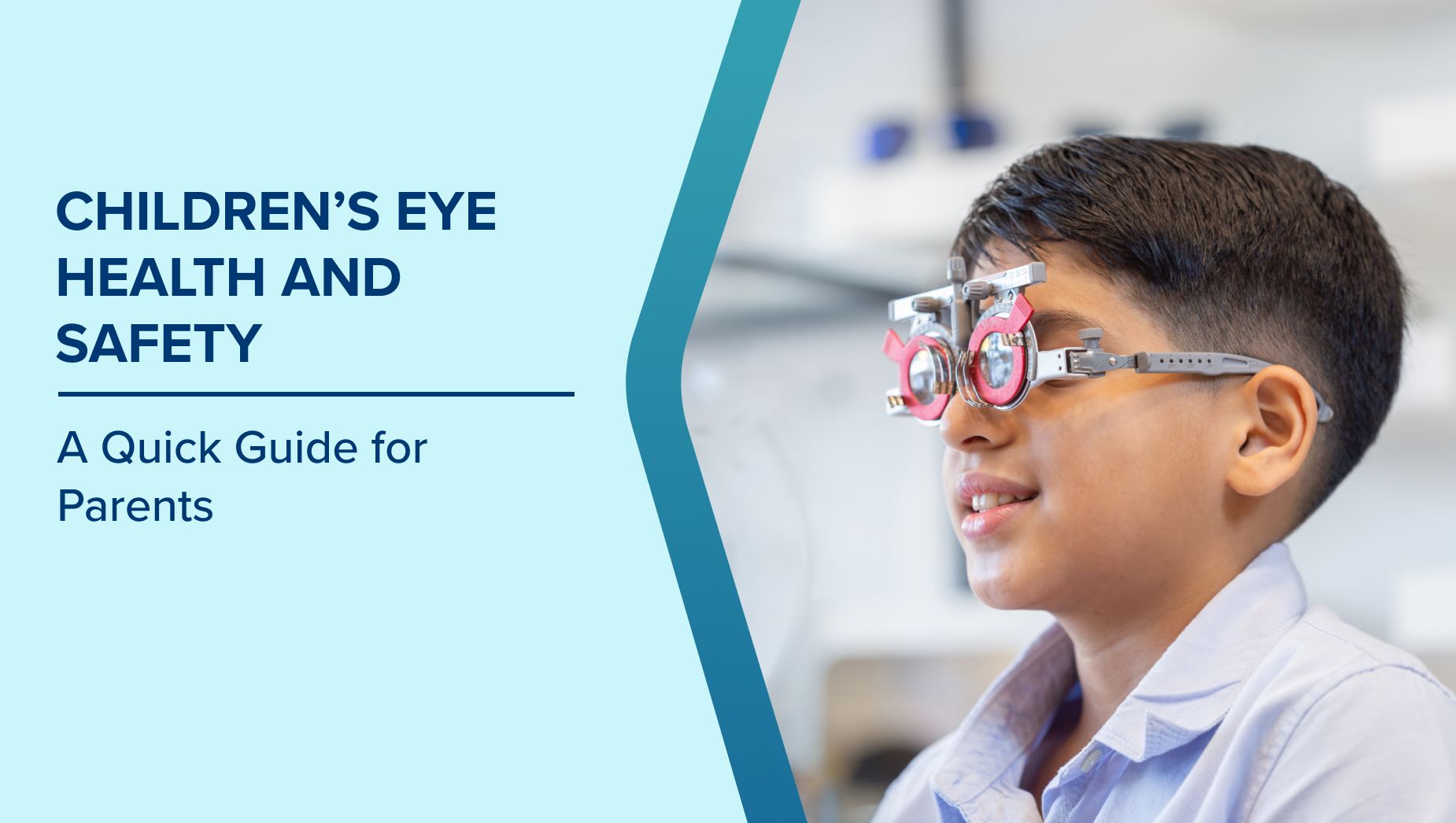
Call Us+91 926 888 0303Children’s Eye Health and Safety: Signs, Common Problems & Vision Screening
By Dr. Sonal Bangwal in Eye Care / Ophthalmology
Sep 01 , 2025 | 4 min read

A child’s eyesight plays a vital role in their learning, development, and overall well-being. Good vision supports school performance, sports participation, and safe exploration of the world around them.
Unfortunately, many vision problems in children remain undetected until they affect daily activities. Early detection and preventive steps are crucial for protecting eye health and ensuring clear, comfortable vision throughout life.
Common Eye Problems in Children
Several eye conditions can occur during childhood. While some are temporary or easily treatable, others require ongoing management. Understanding these helps parents take timely action.
- Refractive errors: These include myopia (short-sightedness), hyperopia (long-sightedness), and astigmatism. They occur when the eye’s shape prevents light from focusing directly on the retina, leading to blurred vision.
- Amblyopia (lazy eye): A condition where one eye has reduced vision because the brain favours the other. If untreated during the early years, the weaker eye may not develop normal sight.
- Strabismus (crossed or misaligned eyes): When the eyes point in different directions, it leads to double vision or poor depth perception.
- Eye infections: Conditions like conjunctivitis (pink eye) cause redness, irritation, and discharge.
- Allergic eye disease: Often triggered by pollen, dust, or pet dander, leading to itching, redness, and watery eyes.
Signs Your Child May Have Vision Problems
Children may not always realise they have a vision issue, so parents need to look for warning signs. These can include:
- Squinting or tilting the head to see clearly
- Holding books or screens too close
- Frequent eye rubbing
- Complaints of headaches or eye strain
- Crossed eye
- Poor school performance
- Avoiding activities that require visual focus, such as reading or drawing
If any of these behaviours are observed, a professional eye examination is recommended promptly.
Vision Screening and Eye Exams
Vision screening and comprehensive eye exams are both important, but serve different purposes.
- Vision screening: Often conducted at schools or clinics, these are quick checks to identify children who may need further testing. They cannot detect all eye problems.
- Comprehensive eye exams: Performed by an ophthalmologist, these involve detailed assessments of visual acuity, eye alignment, depth perception, and eye health.
Recommended schedule for children’s eye check-ups:
- At birth: Basic eye check by an ophthalmologist
- At 3, 6 & 12 months: Comprehensive eye exam
- At age 3–5: Screening for amblyopia and refractive errors — preferably every 6 months thereafter
Eye Safety at Home and School
Protecting children’s eyes involves being proactive in both everyday and high-risk situations.
Preventing injuries during play and sports:
- Use protective sports goggles made of polycarbonate lenses for activities like cricket, football, or badminton.
- Sharp objects and small toys that could cause eye trauma should be kept away from them.
Safe use of digital devices:
- Below 2 years — no screen time
- 2–5 years — less than 1 hour of high-quality screen time
Outdoor eye protection:
- Use sunglasses with UV protection to prevent long-term sun damage to the eyes.
- Ensure hats or caps are worn during peak sunlight hours.
Promoting Healthy Vision Through Lifestyle
A healthy lifestyle supports optimal eye function and can reduce the risk of vision problems.
- Nutrients for eye health: Include foods rich in vitamin A, vitamin C, vitamin E, zinc, and omega-3 fatty acids — seasonal fruits, vegetables, eggs, nuts, etc.
- Outdoor time vs. screen time balance: Spending at least two hours outdoors daily has been linked to reduced risk of myopia progression.
- Good reading habits: Use well-lit spaces and encourage an upright posture when reading or writing.
When to See a Paediatric Eye Specialist
Apart from routine examination as listed before, certain symptoms require urgent attention from an eye specialist:
- Squinting, reading too close, poor school performance
- Sudden loss of vision
- Eye pain or redness
- Eye injury or trauma
- Constant eye crossing or drifting after 6 months of age
- White pupil reflex in photographs (possible sign of serious conditions like retinoblastoma)
Specialised care is also recommended for children with developmental delays, a premature birth history, or a family history of serious eye diseases.
Conclusion
Children’s eye health is a cornerstone of their development, influencing their learning, confidence, and safety. Through regular check-ups, preventive strategies, safe habits, and a supportive home environment, parents can significantly reduce the risk of long-term vision problems. Early detection, combined with professional paediatric eye care, ensures that children have the clear vision they need to thrive at every stage of life.
Frequently Asked Questions
Can screen time cause permanent damage to a child’s eyes?
Excessive screen use does not usually cause permanent damage, but can lead to digital eye strain, dry eyes, and increased risk of myopia progression and behavioural disorders in children. Limiting screen time and taking regular breaks reduces these effects.
Is it normal for a newborn’s eyes to appear crossed sometimes?
Yes, in the first few months of life, occasional eye crossing is common as eye muscles develop. However, persistent misalignment beyond 6 months should be evaluated by an eye specialist.
Can wearing glasses make a child’s eyesight worse?
No, glasses simply correct the child’s current refractive error and do not weaken the eyes. In fact, they help prevent strain and support normal visual development.
Are coloured contact lenses safe for children?
Coloured or cosmetic contact lenses are not recommended for children unless prescribed for medical reasons by an ophthalmologist. Improper use increases the risk of infections and corneal damage.
How can I tell if my child has depth perception issues?
Children with poor depth perception may struggle with catching balls, judging distances, or navigating steps. This often relates to conditions like strabismus and should be assessed by an eye care professional.
Can poor vision affect a child’s academic performance?
Yes, uncorrected vision problems can lead to difficulty reading, poor concentration, and reduced participation in class. Timely detection and correction are crucial for optimal learning outcomes.
Written and Verified by:

Related Blogs

Dr. Parul Sharma In Ophthalmology , Eye Care / Ophthalmology
Jun 27 , 2014 | 1 min read

Dr. Parul Sharma In Ophthalmology , Eye Care / Ophthalmology
Apr 16 , 2015 | 1 min read
Blogs by Doctor
Most read Blogs


Related Blogs
Dr. Parul Sharma In Ophthalmology , Eye Care / Ophthalmology
Jun 27 , 2014 | 1 min read
Dr. Parul Sharma In Ophthalmology , Eye Care / Ophthalmology
Apr 16 , 2015 | 1 min read
Blogs by Doctor
Most read Blogs