 WhatsApp Us (24/7)
 +91 926 888 0303 (24/7)


To Book an Appointment
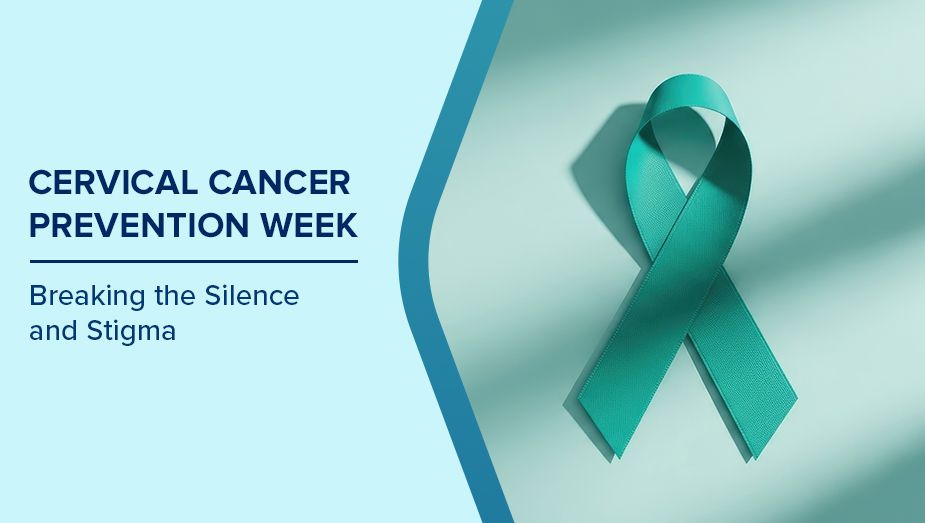
Call Us+91 926 888 0303Cervical Cancer Prevention Week: Breaking the Silence and Stigma Around Cervical Health
By Dr. Sarita Kumari in Surgical Oncology
Jan 16 , 2026
9

Thousands of women avoid crucial conversations about their cervical health, delaying screenings and ignoring symptoms because of embarrassment, fear, or cultural stigma. The consequences of this silence are profound and at times life threatening. One such consequence is cervical cancer, one of the most preventable forms of cancer. It remains a leading cause of cancer deaths among women globally, particularly in communities where open discussions about reproductive and sexual health are taboo. This Cervical Cancer Prevention Week, it's time to break the silence around women's health. In line with that, this blog explores why silence exists, prevention strategies, and most importantly, how each of us can start conversations that matter and encourage the women in our lives to take charge of their cervical health without shame or hesitation. Let’s start by understanding a bit more about this crucial week and why it is observed.
The Importance of Cervical Cancer Prevention Week
Cervical Cancer Prevention Week was established to raise awareness about cervical cancer and the importance of early detection. The week gained attention after the public battle of Jade Goody, a British celebrity, whose story highlighted how serious the disease can be. Organisations like Jo’s Cervical Cancer Trust in the UK use this week to run campaigns, encourage screenings, and promote HPV vaccination. Over time, it has grown into a global effort to educate women and communities about cervical health.
The week, observed in the last week of January every year, is important because it helps break the silence around a topic that is often avoided. Many women delay screenings due to fear, stigma, or lack of information. Cervical Cancer Prevention Week reminds women that early detection and preventive measures can save lives. It also encourages open conversations about women’s health, so more women feel supported and empowered to take care of themselves.
What is Cervical Cancer?
Cervical cancer is a type of cancer that develops in the cells of the cervix, the lower part of the uterus that connects to the vagina. It usually begins with abnormal changes in cervical cells, which can take several years to develop into cancer. In the early stages, cervical cancer often does not cause noticeable symptoms, which makes regular screenings extremely important for early detection and treatment.
The main cause of cervical cancer is infection with the human papillomavirus (HPV), a common virus transmitted through sexual contact. Other factors that increase the risk of developing cervical cancer include:
- Smoking: Tobacco use or exposure to secondhand smoke can damage cervical cells and make them more likely to become cancerous.
- Weakened immune system: Conditions like HIV/AIDS or medications that suppress the immune system reduce the body’s ability to fight off HPV infections.
- Long-term use of certain medications: Extended use of hormonal contraceptives or other medications may slightly increase risk.
- Family history: Having close relatives with cervical or other reproductive cancers may raise susceptibility.
- Sexual and reproductive factors: Early sexual activity, multiple sexual partners, or a partner with a history of HPV infection can increase the likelihood of HPV transmission.
What are the Symptoms to Watch Out For?
Cervical cancer often develops slowly and may not cause noticeable signs in its early stages, which is why regular screenings are so important. As the disease progresses, certain symptoms may appear, and recognising them early can make a significant difference in treatment and outcomes. Common signs to watch for include:
- Unusual vaginal bleeding: This may occur between periods, after sexual intercourse, or post-menopause. Heavier or longer menstrual periods than usual can also be a warning sign.
- Abnormal vaginal discharge: Watery, bloody, or foul-smelling discharge that is different from usual may indicate cervical changes.
- Pelvic or lower back pain: Persistent discomfort or pain in the lower abdomen or back can sometimes signal cervical issues.
- Pain during intercourse: Discomfort or pain during sexual activity may be a symptom of cervical cell changes.
- Changes in urinary or bowel habits: Difficulty urinating, frequent urination, constipation, or blood in urine or stool may occur if the cancer spreads.
- Fatigue and unexplained weight loss: Advanced cervical cancer can sometimes lead to extreme tiredness or unintentional weight loss.
- Leg swelling or pain: In some cases, swelling or pain in the legs may occur if the cancer affects nearby blood vessels or lymph nodes.
It’s important to note that these symptoms can also be caused by infections, hormonal changes, or other conditions.
Why the Silence Exists: Understanding the Barriers
Despite the seriousness of cervical cancer, many women do not talk about it or seek preventive care. Several barriers contribute to this silence:
Cultural and Social Stigma
In many communities, discussions about reproductive health are considered private or taboo. Women may feel embarrassed to talk about symptoms or cervical health, especially with family members or male healthcare providers. Cultural norms can also create pressure to avoid topics related to sexual health. This stigma often leads to delayed screenings and treatment, even when women notice warning signs.
Lack of Education and Awareness
Many women are not familiar with cervical cancer, its risk factors, or the importance of screenings and HPV vaccination. Misconceptions and limited health education mean that abnormal symptoms are often ignored or misunderstood. Without proper knowledge, women may not realise that early detection can prevent serious complications or save lives.
Fear and Anxiety
Fear plays a significant role in preventing women from seeking care. Anxiety about a possible cancer diagnosis, discomfort during medical examinations, or concerns about treatment side effects can discourage women from attending screenings. This fear can be compounded by stories of late-stage diagnoses, making the idea of testing feel overwhelming or frightening.
Socioeconomic Factors
Access to healthcare is not equal for everyone. Financial constraints, lack of nearby medical facilities, and busy work or family schedules can make it difficult for women to prioritise screenings and preventive care. In some regions, the cost of tests, vaccination, or travel to clinics is a major barrier. These socioeconomic factors disproportionately affect women in underprivileged or rural communities.
Breaking the Silence: Starting Conversations About Cervical Health
Breaking the silence around cervical health is essential for prevention. Open conversations can help women understand the importance of screenings, vaccination, and recognising early warning signs.
Talking to Daughters and Young Women
Starting discussions early with daughters and young women helps build awareness before they reach the age for HPV vaccination or regular screenings. Parents and guardians can introduce the topic in a simple, age-appropriate way, focusing on healthy habits, understanding the body, and the importance of medical check-ups. Early education reduces fear and builds confidence to seek care in the future.
Peer-to-Peer Conversations
Friends and colleagues can play a key role in normalising cervical health discussions. Sharing experiences, encouraging screenings, and talking openly about vaccinations can remove stigma and make women feel supported. Peer conversations also create opportunities to correct misconceptions and spread accurate information in a relatable way.
Family Discussions
Family members such as sisters, aunts, and mothers can support women by encouraging regular health check-ups and vaccinations. Open discussions within the family help create a safe space where women can share concerns and seek advice without fear or embarrassment.
Community-Level Conversations
Communities, including schools, workplaces, and local organisations, can help raise awareness on a larger scale. Health camps, awareness programmes, and public discussions can reach women who may not have access to formal education about cervical health. Community engagement also promotes collective support, making women feel that preventive care is normal and encouraged.
Prevention: Vaccination and Lifestyle Choices
Preventing cervical cancer is possible through a combination of medical interventions and healthy lifestyle choices.
1. HPV Vaccination
The HPV vaccine (cervical cancer vaccine) is one of the most effective ways to prevent cervical cancer. It protects against the high-risk strains of HPV that are most commonly linked to the disease. Vaccination is recommended for girls and boys, ideally before they become sexually active, but it can also benefit young adults. Regular vaccination, combined with routine screenings later in life, provides the strongest protection.
2. Regular Screenings
Even with vaccination, regular cervical screenings such as Pap smears and HPV tests are essential. These tests detect abnormal cell changes early, allowing for treatment before cancer develops. Women should follow the recommended screening schedule based on their age and medical history, and consult a gynaecologist if any unusual symptoms occur.
3. Healthy Lifestyle Choices
Adopting a healthy lifestyle can play a key role in reducing the risk of cervical cancer and supporting overall reproductive health. Some important habits include:
- Avoid smoking and tobacco exposure: Smoking weakens the immune system and damages cervical cells, making them more susceptible to HPV infection and cancerous changes. Avoiding cigarettes and secondhand smoke is a simple but powerful preventive step.
- Eat a balanced, nutrient-rich diet: A diet rich in fruits, vegetables, whole grains, and lean proteins supports the immune system and overall cellular health. Vitamins such as A, C, and E, along with folate, have been shown to help the body fight abnormal cell changes. Reducing processed foods and excessive sugar can further support long-term health.
- Maintain a healthy weight: Being overweight or obese may increase the risk of cervical and other reproductive cancers. Regular exercise and portion-controlled meals can help maintain a healthy weight and improve overall wellbeing.
- Practice safe sexual habits: HPV is the main cause of cervical cancer. Using protection during sexual activity, limiting the number of sexual partners, and ensuring both partners are informed about HPV can reduce risk.
- Exercise regularly: Physical activity strengthens the immune system, improves circulation, and helps the body manage hormones and inflammation. Even moderate exercises, like walking, yoga, or cycling, can make a difference.
- Manage stress effectively:Chronic stress can weaken the immune system and reduce the body’s ability to fight infections, including HPV. Mindfulness practices, meditation, adequate sleep, and engaging in hobbies can help reduce stress levels.
- Stay up-to-date with vaccinations and screenings: While not a “lifestyle habit” in the traditional sense, integrating regular check-ups and preventive care into daily life ensures early detection and ongoing protection.
4. Timely Medical Consultations
Seeking medical advice for any unusual symptoms, infections, or concerns related to reproductive health is crucial. Prompt consultation allows for early detection and timely treatment, which can prevent complications.
Do Your Part This Cervical Cancer Prevention Week
Cervical Cancer Prevention Week is the perfect opportunity to take meaningful action for yourself and the women around you. Here are some ways you can make a difference:
- Schedule your cervical screening: Book a Pap smear or HPV test if it has been a while since your last screening. Early detection is the most effective way to prevent cervical cancer.
- Check HPV vaccination status: Ensure you and eligible family members, including teenagers, are up-to-date with HPV vaccination. Vaccination protects against the high-risk HPV strains that cause most cervical cancers.
- Adopt healthy lifestyle habits: Eat a balanced diet rich in fruits, vegetables, and whole grains, exercise regularly, avoid tobacco, and manage stress. A healthy lifestyle strengthens your immune system and reduces risk factors
- Talk openly with daughters and young women: Start age-appropriate conversations about cervical health, the importance of vaccination, and regular screenings. Early education builds confidence and reduces fear of medical procedures later.
- Encourage peers and family members: Share accurate information about cervical cancer prevention, dispel myths, and support women who may feel anxious about screenings or vaccination. Offering guidance or accompanying them to appointments can make a big difference.
- Participate in awareness events: Attend local campaigns, health camps, or educational programmes during Cervical Cancer Prevention Week. These events provide information and resources for women who may have limited access to healthcare.
- Spread awareness online: Use social media to share facts, resources, or personal stories about cervical health. Even simple posts can help reduce stigma and encourage others to take preventive steps.
- Volunteer or collaborate with organisations: Join NGOs, health groups, or community initiatives that promote women’s health. Helping organise awareness activities or supporting outreach programmes can reach women who otherwise might not receive proper guidance
- Promote routine health check-ups: Encourage women to make preventive care a habit, not just a one-time event. Regular visits to a gynaecologist help maintain cervical and reproductive health over time.
By taking small but intentional steps, you can protect your health, raise awareness, and encourage others to prioritise cervical care.
Final Words
Cervical Cancer Prevention Week is your chance to take charge of your health and encourage the women around you to do the same. Use this week to check your screening schedule, get the HPV vaccine if needed, and start important conversations with your daughters, sisters, and friends. If you notice anything unusual or it’s time for a routine check-up, consult a gynaecologist at Max Hospital. They can guide you through screenings, answer your questions, and help you understand the best steps for prevention.
Frequently Asked Questions
Can women who are not sexually active get cervical cancer?
Yes, while HPV infection is the most common cause, other factors such as weakened immunity and other vaginal infections can contribute. However, the risk is significantly lower in women who have not been exposed to HPV.
At what age should HPV vaccination be taken?
HPV vaccination is most effective when given before individuals become sexually active, usually recommended for preteens and teenagers. Some adults may also benefit depending on their risk factors and medical guidance.
How often should cervical screenings be done?
Screening frequency depends on age, medical history, and previous test results. A gynaecologist can recommend the best schedule for you based on your individual health needs.
Can men play a role in cervical cancer prevention?
Yes, men can help by supporting their partners to get screened and vaccinated, practicing safe sexual habits, and spreading awareness about HPV and cervical health.
Are there lifestyle habits that specifically strengthen cervical health?
Apart from diet, exercise, and avoiding tobacco, habits like managing stress, getting adequate sleep, and regular medical check-ups contribute to overall cervical and reproductive health.
Do all abnormal Pap smear results indicate cancer?
No, abnormal results often indicate precancerous changes or infections, not cancer. Follow-up tests and medical guidance are essential to determine the next steps.
Can HPV be completely prevented?
While vaccination and safe sexual practices significantly reduce the risk, no method can guarantee complete prevention. Regular screenings remain important for early detection.
Are cervical cancer symptoms always visible?
Not always. Early-stage cervical cancer often shows no symptoms, which is why preventive screenings are critical even when you feel healthy.
Is a cervical screening (Pap smear) test painful?
Most women feel only mild discomfort during a cervical screening. You may experience a brief pressure or slight cramping when the sample is collected, but the test is usually quick and over within a few minutes. Talking to your gynaecologist and relaxing your muscles can help make the process more comfortable.
What is the difference between a Pap smear and cervical screening?
A Pap smear is one type of cervical screening test that checks for abnormal cervical cells. Cervical screening is a broader term that includes Pap smears as well as HPV tests, which detect the virus that can cause cervical cancer. Both tests aim to catch early changes before they develop into cancer.
Written and Verified by:

Related Blogs

Dr. S. VEDA PADMA PRIYA In Surgical Oncology , Cancer Care / Oncology
May 16 , 2016 | 2 min read

Dr. Kanika Batra Modi In Surgical Oncology , Cancer Care / Oncology
May 26 , 2016 | 4 min read
Blogs by Doctor

Minimally Invasive Gynae-Onco Surgery: Benefits, Recovery & After Tips
Dr. Sarita Kumari In Surgical Oncology , Gynecologic Oncology
Feb 19 , 2025 | 3 min read
Ovarian Cancer: Busting Five Common Myths
Dr. Sarita Kumari In Cancer Care / Oncology , Gynecologic Oncology
Oct 22 , 2025 | 5 min read
Most read Blogs


Related Blogs
Dr. S. VEDA PADMA PRIYA In Surgical Oncology , Cancer Care / Oncology
May 16 , 2016 | 2 min read
Dr. Kanika Batra Modi In Surgical Oncology , Cancer Care / Oncology
May 26 , 2016 | 4 min read
Blogs by Doctor
Minimally Invasive Gynae-Onco Surgery: Benefits, Recovery & After Tips
Dr. Sarita Kumari In Surgical Oncology , Gynecologic Oncology
Feb 19 , 2025 | 3 min read
Ovarian Cancer: Busting Five Common Myths
Dr. Sarita Kumari In Cancer Care / Oncology , Gynecologic Oncology
Oct 22 , 2025 | 5 min read
Most read Blogs