 WhatsApp Us (24/7)
 +91 926 888 0303 (24/7)


To Book an Appointment
Call Us+91 926 888 0303How Sleep Impacts Behavioural Issues in Children
By Dr. Preeti Anand in Paediatrics (Ped) , Paediatric (Ped) Intensive Care
Jul 02 , 2025 | 4 min read

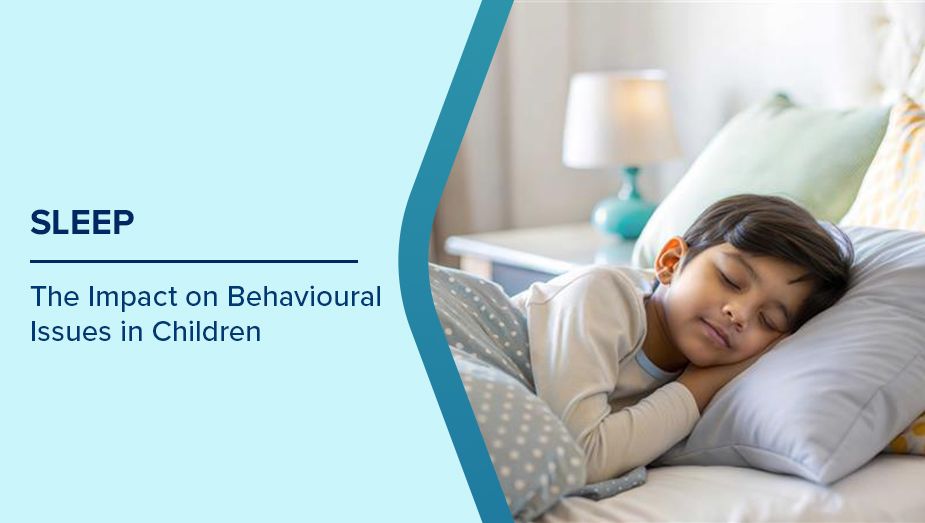
Sleep is one of the most important building blocks of a child's growth and development. It fuels brain function, physical health, and emotional balance. Yet, sleep problems in children are more common than many people realise.
There is a strong connection between sleep and a child's behaviour. From increased tantrums in toddlers to attention problems in school-age children, lack of sleep in children can deeply influence how they think, feel, and react. Understanding this link can help parents take simple steps that make a big difference.
How Sleep Affects a Child's Brain and Emotions
Sleep is not just rest time. It's a period when the brain performs essential functions, such as memory storage, emotional processing, and hormone regulation. For children, whose brains are still developing, sleep is especially important.
When children get enough restful sleep:
- They can regulate their emotions better
- Their attention span and focus improve
- They are more adaptable and less reactive
- They show better impulse control
But when a child is sleep-deprived, their brain struggles to process emotions, making them more prone to mood swings, irritability, and poor judgment. This is why sleep and emotional regulation in children are closely linked. Even a single night of poor sleep can affect a child's ability to manage stress or stay calm in frustrating situations.
Common Behavioural Problems Linked to Poor Sleep in Kids
Sleep deprivation doesn't always look like tiredness in children. Sometimes, it shows up as hyperactivity or anger. Below are some common signs of sleep deprivation and behaviour issues in kids:
In Toddlers and Preschoolers
- Frequent tantrums
- Refusal to follow instructions
- Aggressive behaviour like hitting or biting
- Clinginess or separation anxiety
In School-Age Children
- Difficulty focusing in class
- Mood swings and low patience
- Increased conflicts with peers or siblings
- Poor academic performance
In Teenagers
- Emotional outbursts
- Low motivation or withdrawal from social life
- Impulsive or risky behaviours
- Trouble waking up and daytime sleepiness
These behaviours may be misunderstood as discipline problems or even diagnosed as ADHD. However, child sleep problems and behaviour often go hand in hand, and improving sleep can lead to significant changes.
Causes of Sleep Deprivation in Children
Understanding why a child isn't sleeping well is the first step toward change. Common causes include:
- Irregular routines: Daily changing bedtimes confuse the body's natural sleep rhythm.
- Excess screen time: Watching TV or using phones before bed can delay sleep and reduce melatonin production.
- Anxiety and stress: School pressure, family issues, or even nightmares can disrupt sleep.
- Poor sleep environment: Noise, lights, or uncomfortable bedding can interrupt rest.
- Diet and lifestyle: Sugary foods or caffeine (even in chocolate) before bedtime can keep children alert.
By identifying and adjusting these habits, many families notice improvements not only in their child's sleep but also in their daily behaviour.
Practical Tips to Improve Sleep and Reduce Behavioural Issues
Helping your child sleep better doesn't require drastic changes. Here are simple, proven strategies:
- Stick to a Consistent Sleep Schedule: Even on weekends, maintaining consistent bedtime and wake-up times helps the body's internal clock stay balanced.
- Create a Relaxing Bedtime Routine: Activities such as a warm bath, gentle storytelling, or soft music can help a child unwind and signal to the brain that it's time to sleep.
- Limit Screen Use Before Bed: Try to keep screens off at least 1 hour before bedtime. Encourage quiet activities, such as reading or drawing, instead.
- Optimise the Sleep Environment: Ensure the bedroom is dark, cool, and quiet. Using blackout curtains and white noise machines can help some children sleep better.
- Encourage Physical Activity Throughout the Day: Children who engage in physical activity during the day tend to sleep better at night. However, avoid intense activity right before bedtime.
These changes, though simple, can significantly improve sleep quality and reduce behaviour problems.
When to Seek Professional Help
Sometimes, despite parents' best efforts, a child continues to experience sleep problems. If your child:
- Snores loudly or gasps during sleep
- Frequently wakes up at night and cannot go back to sleep
- Has daily tantrums, attention problems, or mood swings despite good sleep habits
- Sleeps excessively during the day
It may be time to consult a paediatrician or sleep specialist. Sleep disorders like sleep apnea, insomnia, or restless leg syndrome can also be behind a child's behavioural issues. Early intervention can prevent long-term impacts on your child's mental and emotional well-being.
Conclusion
Sleep plays a major role in shaping your child's behaviour, emotions, and mental health. A child who sleeps well is more likely to feel calm, think clearly, and handle challenges with greater ease. As a parent, you have the power to create habits that support healthy sleep and, in turn, healthy behaviour.
Start small: Make bedtime routines a priority, limit screen time, and watch for signs that your child might need help. If you're unsure or concerned, don't hesitate to consult a paediatrician. A good night's sleep could be the missing piece in your child's emotional puzzle.
Frequently Asked Questions
How many hours of sleep does a child need by age?
- Toddlers (1–2 years): 11–14 hours
- Preschoolers (3–5 years): 10–13 hours
- School-age children (6–13 years): 9–12 hours
- Teenagers (14–17 years): 8–10 hours
Ensuring your child gets the recommended amount can prevent many behavior-related issues.
Can poor sleep mimic symptoms of ADHD in children?
Yes, children who are sleep-deprived often show signs like hyperactivity, impulsiveness, and difficulty focusing, which can resemble ADHD. Improving sleep can sometimes reduce or eliminate these symptoms.
Are sleep-tracking devices helpful for monitoring children's sleep?
They can be particularly useful, especially for older children and teenagers. Devices or apps that track sleep duration and quality may help identify poor sleep patterns, but they shouldn't replace professional advice.
How does sleep affect academic performance in children?
Sleep plays a crucial role in enhancing memory, attention, and problem-solving. Children who sleep well perform better in school, concentrate more effectively and show better emotional balance in learning environments.
Can dietary changes improve sleep quality in children?
Yes, limiting sugar and caffeine, avoiding heavy meals at night, and incorporating sleep-supporting nutrients like magnesium (found in bananas and leafy greens) can promote better sleep.
Written and Verified by:

Related Blogs

Dr. Nidhi Rawal In Paediatrics (Ped)
Nov 13 , 2020 | 2 min read

Blogs by Doctor


Growing Up Healthy and Happy: A Complete Guide to Childhood Well-Being
Dr. Preeti Anand In Paediatrics (Ped)
Dec 19 , 2023 | 4 min read
Most read Blogs


Related Blogs
Dr. Nidhi Rawal In Paediatrics (Ped)
Nov 13 , 2020 | 2 min read
Blogs by Doctor
Growing Up Healthy and Happy: A Complete Guide to Childhood Well-Being
Dr. Preeti Anand In Paediatrics (Ped)
Dec 19 , 2023 | 4 min read
Most read Blogs