 WhatsApp Us (24/7)
 +91 926 888 0303 (24/7)


To Book an Appointment
Call Us+91 926 888 0303Primary Immunodeficiency in Children: Signs, Causes & Treatment
By Dr. Preeti Anand in Paediatrics (Ped) , Paediatric (Ped) Intensive Care
Jul 02 , 2025 | 4 min read

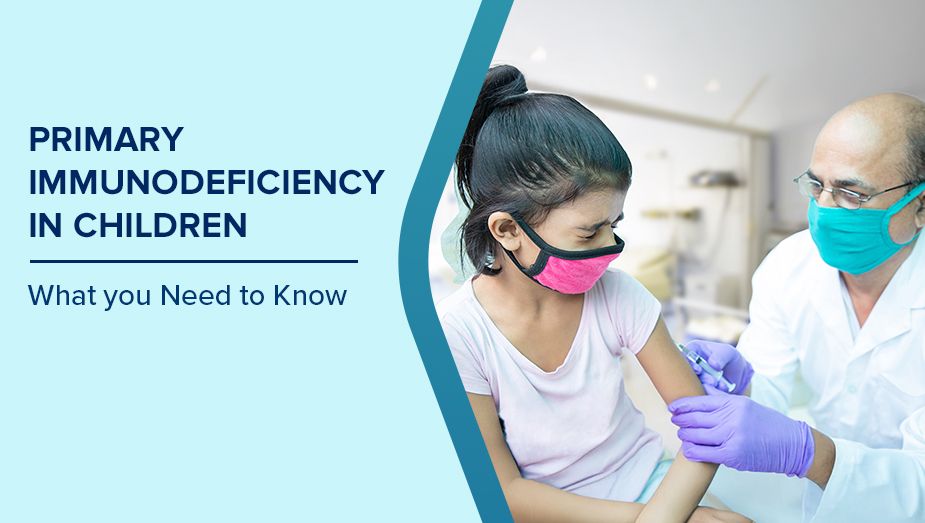
As a parent, it's natural to worry when your child falls sick often. But what if frequent infections are more than just bad luck? Primary immunodeficiency in children is a rare but serious condition that affects the immune system's ability to fight infections. Early detection and proper care can help children lead healthier, more active lives.
What Is Primary Immunodeficiency in Children?
Primary immunodeficiency (PI) refers to a group of disorders where a child's immune system does not work properly from birth. Unlike temporary conditions caused by viruses or malnutrition, these are lifelong genetic disorders.
The immune system protects the body from bacteria, viruses, and other harmful invaders. However, when it's weakened, children may develop infections more frequently, take longer to recover, or experience infections that appear unusually severe.
Causes of Primary Immunodeficiency in Children
Most cases of primary immunodeficiency are inherited, meaning they are passed down through genes. Some children are born with missing or malfunctioning immune cells. There are over 400 types of primary immunodeficiency disorders, each with its own specific genetic cause.
Some key causes include:
- Mutations in immune-related genes
- Problems with antibody production
- Deficiencies in white blood cells or T-cells
- Family history of immune disorders
While rare, early diagnosis is crucial for managing the condition and preventing complications.
Common Signs and Symptoms
Recognising the early signs of immunodeficiency in kids can help you take action sooner. Here are symptoms to watch for:
- Frequent infections such as colds, ear infections, sinusitis, pneumonia, or skin infections
- Infections that don't respond well to treatment
- Slow healing or recurring infections
- Failure to gain weight or grow normally
- Chronic diarrhoea
- Fatigue and general weakness
- Unusual or rare infections
Children with a weakened immune system may appear to get sick more often than their peers or need repeated courses of antibiotics.
How It Affects a Child's Health and Daily Life
Living with childhood immune deficiency can impact various aspects of a child's life. Frequent illness may mean more missed school days, fewer play opportunities, and emotional stress.
Parents may also face challenges in managing medical appointments and medications, as well as creating a safe and protective home environment. However, with proper care and treatment, many children can live active, happy lives.
Diagnosis
If a doctor suspects primary immunodeficiency, they will likely refer your child to a pediatric immunologist for further testing. Early diagnosis is important for managing symptoms and preventing serious infections.
Diagnostic steps may include:
- Blood tests to check immune cell counts and antibody levels
- Genetic testing to identify inherited mutations
- Family medical history review
- Response to vaccines or infections
The process may take time, but accurate diagnosis helps tailor the right treatment plan.
Treatment Options and Long-term Care
Treatment for immunodeficiency in kids depends on the type and severity of the condition. While there's no universal cure, many treatments help strengthen the immune response or prevent infections.
Common treatments include:
- Immunoglobulin therapy (IVIG or SCIG): Provides antibodies through regular infusions
- Antibiotics: Prevent or treat infections
- Bone marrow or stem cell transplant: In select cases, this can offer a long-term solution
- Vaccination schedules: Adjusted to avoid live vaccines and maximise protection
Long-term care involves regular follow-ups, a healthy lifestyle, and prompt treatment of infections.
When to See a Specialist
If your child experiences frequent infections or shows other concerning symptoms, consult your paediatrician. They may refer you to a pediatric immunologist for further evaluation.
Seek medical help if:
- Your child has had more than eight infections in a year
- Antibiotics are not working
- Infections last longer than usual
- There's a family history of immune disorders
Tips for Parents: How to Support a Child with Immunodeficiency
Parenting a child with a chronic health condition can feel challenging. But with the right knowledge and support, you can make a big difference in your child's health.
Helpful tips:
- Follow treatment plans and attend all medical appointments
- Maintain a clean environment without becoming overly restrictive
- Encourage handwashing and personal hygiene
- Limit contact with sick individuals, especially during flu season
- Provide a balanced diet rich in fruits, vegetables, and protein
- Keep vaccination records updated, following your doctor's advice
- Be emotionally supportive and let your child express how they feel
Establishing a stable and positive routine helps children feel secure and supported.
Conclusion
Primary immunodeficiency in children may sound frightening, but early diagnosis and consistent care can greatly improve quality of life. By recognising symptoms, seeking medical help early, and following a structured care plan, parents can help their children stay healthy and happy.
Frequently Asked Questions
Can primary immunodeficiency go away as a child grows?
No, primary immunodeficiency does not go away with age. It is usually a lifelong condition. However, with the right treatment, children can maintain their health and continue to enjoy normal daily activities.
Is primary immunodeficiency contagious?
No, it is not contagious. It's a genetic disorder and cannot be passed from one person to another through contact.
Can children with primary immunodeficiency go to school?
Yes, most children can attend school with precautions in place, such as hygiene measures and quick response to infections.
Are there any dietary changes that can help boost immunity?
A healthy diet rich in vitamins, minerals, and protein supports overall health. However, diet alone cannot cure immunodeficiency. Always follow your doctor's guidance.
How do I explain this condition to my child or their siblings?
Use age-appropriate language. Focus on how the child may require extra care or regular doctor visits, and reassure them that it's manageable with family support and proper treatment.
Written and Verified by:

Related Blogs

Dr. Nidhi Rawal In Paediatrics (Ped)
Nov 13 , 2020 | 2 min read

Blogs by Doctor


Growing Up Healthy and Happy: A Complete Guide to Childhood Well-Being
Dr. Preeti Anand In Paediatrics (Ped)
Dec 19 , 2023 | 4 min read
Most read Blogs


Related Blogs
Dr. Nidhi Rawal In Paediatrics (Ped)
Nov 13 , 2020 | 2 min read
Blogs by Doctor
Growing Up Healthy and Happy: A Complete Guide to Childhood Well-Being
Dr. Preeti Anand In Paediatrics (Ped)
Dec 19 , 2023 | 4 min read
Most read Blogs