 WhatsApp Us (24/7)
 +91 926 888 0303 (24/7)


To Book an Appointment
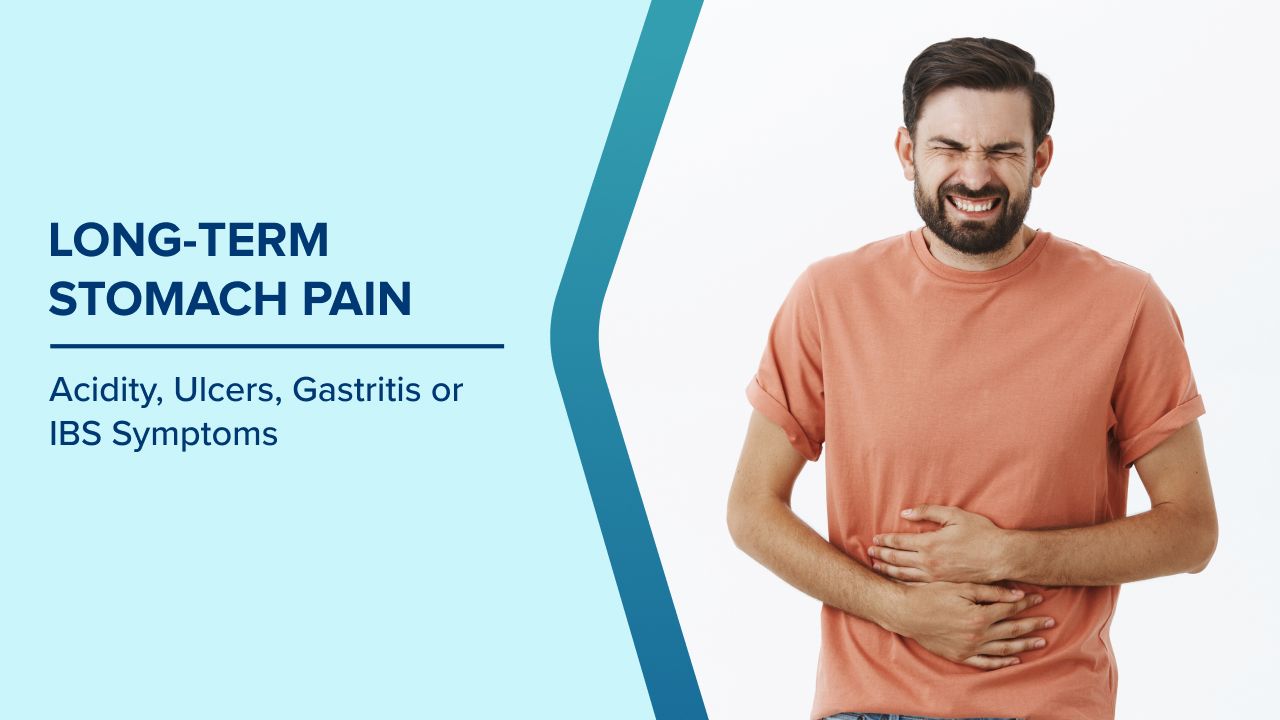
Call Us+91 926 888 0303Long-Term Stomach Pain: Acidity, Ulcers, Gastritis or IBS Symptoms
By Dr Anubhav Jain in Gastroenterology, Hepatology & Endoscopy
Jun 04 , 2026

Occasional stomach discomfort after a heavy meal is common. But when stomach pain keeps returning for weeks or months, it may be a sign that something more than simple indigestion is going on. Persistent abdominal pain can interfere with daily life, disturb sleep, affect appetite, and sometimes point to an underlying digestive condition that needs medical attention.
At Max Hospital, specialists often see patients who initially assume they have "just acidity," only to discover that long-term stomach pain may stem from a range of gastrointestinal conditions. Chronic digestive symptoms deserve proper evaluation, especially when they do not improve with routine remedies.
When Is Stomach Pain Considered Long-Term?
Stomach pain is generally considered long-term or chronic when it lasts for more than 1 Month, keeps recurring, or gradually worsens over time. The discomfort may feel burning, cramping, dull, or sharp, and it may appear before meals, after eating, or even wake a person at night.
The location of pain also offers clues. Pain in the upper abdomen may point to stomach-related causes such as ulcers, gastritis, or acid reflux, while lower abdominal discomfort may sometimes be linked to bowel-related problems.
Common Causes of Long-Term Stomach Pain
Acidity and Acid Reflux (GERD)
One of the most common causes of recurring upper abdominal discomfort is acid reflux, also known as gastro-oesophageal reflux disease (GERD). It occurs when stomach acid repeatedly flows back into the oesophagus. Common symptoms include:
- Burning pain in the upper abdomen or chest
- Sour taste in the mouth
- Bloating after meals
- Symptoms worsening when lying down
Repeated episodes of acid reflux should not be ignored, as long-standing reflux can inflame the food pipe and lead to complications if left untreated.
Gastritis
Gastritis refers to inflammation of the stomach lining. It may develop because of:
- Infection with Helicobacter pylori
- Frequent use of painkillers such as NSAIDs
- Smoking or alcohol use
- Long-term dietary irritation
People with gastritis often describe a gnawing or burning sensation in the upper abdomen, sometimes accompanied by nausea, fullness, or loss of appetite.
Peptic Ulcers
Peptic ulcers are open sores that develop in the stomach or upper part of the small intestine. The most common causes are H. pylori infection and long-term painkiller use. Typical symptoms include:
- Burning pain between the breastbone and navel
- Pain that comes and goes
- Symptoms that may worsen on an empty stomach
- Nausea, bloating, or unexplained weight loss
If untreated, ulcers can lead to bleeding or other serious complications. Black stools or vomiting blood require urgent medical care.
Irritable Bowel Syndrome (IBS)
Not all chronic stomach pain comes from ulcers or acid. Irritable bowel syndrome can also cause long-term abdominal discomfort. IBS may be suspected when stomach pain occurs along with:
- Bloating
- Constipation
- Diarrhoea
- Pain relieved after passing stool
Unlike ulcers, IBS is a functional bowel disorder, meaning symptoms can be significant even when scans or blood tests appear normal.
Gallbladder, Pancreas, or Other Digestive Disorders
Sometimes, persistent abdominal pain may be linked to the gallbladder, pancreas, liver, or other digestive organs. Gallstones, pancreatitis, and inflammatory bowel diseases can all cause recurring pain and digestive disturbances.
Because symptoms may overlap, a specialist assessment is often needed to identify the exact cause.
Warning Signs You Should Not Ignore
Persistent stomach pain should be evaluated sooner if it is associated with:
- Unexplained weight loss
- Vomiting repeatedly
- Blood in vomit or black stools
- Difficulty swallowing
- Severe bloating
- Loss of appetite
- Fatigue or weakness due to possible internal bleeding
These symptoms can sometimes indicate a more serious digestive problem that needs prompt medical attention.
How Doctors Find the Cause
Because long-term stomach pain has many possible causes, diagnosis usually begins with a detailed medical history and physical examination. Depending on symptoms, doctors may recommend:
- Blood tests
- Stool tests
- Ultrasound
- Upper GI endoscopy
An upper endoscopy can directly examine the food pipe, stomach, and upper intestine, helping detect gastritis, ulcers, reflux-related inflammation, or early abnormalities.
When to See a Specialist
If stomach pain keeps coming back despite dietary changes or over-the-counter antacids, it is worth getting evaluated rather than repeatedly treating symptoms at home.
At Max Hospital, gastroenterology specialists evaluate long-standing digestive complaints through detailed assessment and advanced diagnostic testing, helping identify whether symptoms are due to acid reflux, ulcers, gastritis, IBS, or another digestive condition.
Conclusion
Long-term stomach pain is not always "just acidity." While acidity and ulcers are common causes, persistent abdominal discomfort can also be linked to gastritis, bowel disorders, or other digestive diseases.
The key is not to ignore symptoms that keep returning. Early diagnosis often makes treatment simpler, more effective, and helps prevent complications.
Written and Verified by:

Related Blogs

Dr. Nivedita Pandey In Gastroenterology, Hepatology & Endoscopy , Liver Transplant and Biliary Sciences
Nov 07 , 2020 | 2 min read

Dr. Nivedita Pandey In Gastroenterology, Hepatology & Endoscopy , Liver Transplant and Biliary Sciences
Nov 07 , 2020 | 2 min read
Blogs by Doctor
The Hidden Link Between High Cholesterol and Fatty Liver
Dr Anubhav Jain In Gastroenterology, Hepatology & Endoscopy
Sep 12 , 2025 | 3 min read

The Gut-Brain Connection: Managing Stress to Control IBD Symptoms
Dr Anubhav Jain In Gastroenterology, Hepatology & Endoscopy
Sep 19 , 2025 | 2 min read
Most read Blogs


Related Blogs
Dr. Nivedita Pandey In Gastroenterology, Hepatology & Endoscopy , Liver Transplant and Biliary Sciences
Nov 07 , 2020 | 2 min read
Dr. Nivedita Pandey In Gastroenterology, Hepatology & Endoscopy , Liver Transplant and Biliary Sciences
Nov 07 , 2020 | 2 min read
Blogs by Doctor
The Hidden Link Between High Cholesterol and Fatty Liver
Dr Anubhav Jain In Gastroenterology, Hepatology & Endoscopy
Sep 12 , 2025 | 3 min read
The Gut-Brain Connection: Managing Stress to Control IBD Symptoms
Dr Anubhav Jain In Gastroenterology, Hepatology & Endoscopy
Sep 19 , 2025 | 2 min read
Most read Blogs