 WhatsApp Us (24/7)
 +91 926 888 0303 (24/7)


To Book an Appointment
Call Us+91 926 888 0303Leg, Ankle and Foot Swelling: Common Causes and Treatment Options
By Dr. Akshay Kumar Saxena in Orthopaedics & Joint Replacement
Dec 29 , 2025 | 12 min read
6

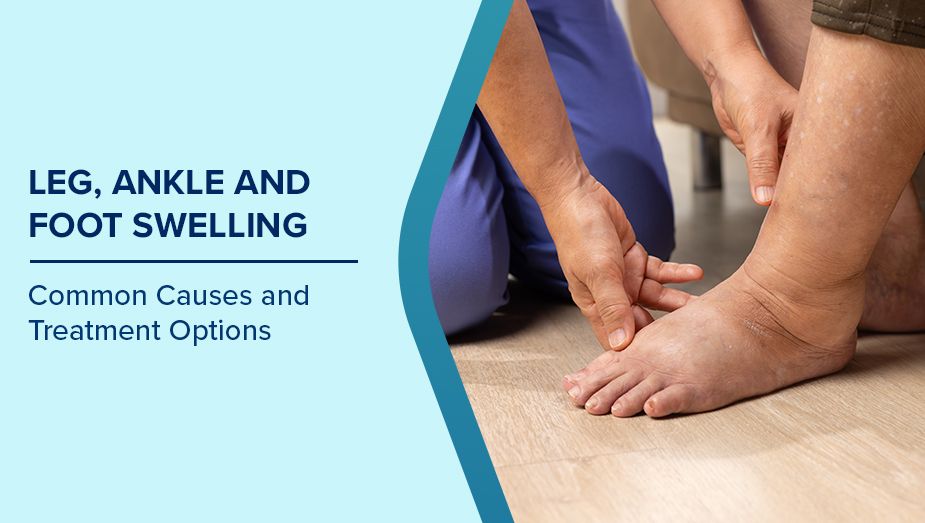
Swelling in the legs, ankles or feet, also known as oedema, occurs when excess fluid collects in the tissues, often due to changes in blood flow or pressure within the blood vessels. In some cases, it is harmless, caused after a long day of standing, or following a minor injury; however, in other cases, it may point towards an underlying medical condition involving the veins, heart, kidneys or liver. If you’re trying to figure out when swelling is minor and when it requires medical attention, continue reading this blog to learn about the common causes of oedema, and the treatment options available.
What are the Common Causes of Leg, Ankle and Foot Swelling?
Swelling in your legs, ankles, and feet is surprisingly common and can happen for many different reasons. The following are some of the causes that lead to fluid buildup in the tissues of the lower body:
1. Injury or Trauma
Injuries such as sprains, strains, fractures, or bruises can damage blood vessels and surrounding tissues, causing fluid to leak into the area and result in swelling. The swelling is often accompanied by pain, tenderness, bruising, or difficulty moving the affected limb. In some cases, repeated minor injuries from sports or overuse can cause persistent swelling.
2. Prolonged Standing or Sitting
Sitting or standing in one position for long periods reduces blood circulation in the legs. Gravity causes fluid to pool in the lower limbs, leading to swelling, heaviness, or a feeling of tightness around the ankles. This type of swelling is usually temporary and improves with movement or leg elevation.
3. Infections
Skin and soft tissue infections, such as cellulitis, trigger inflammation, fluid accumulation, and swelling. Infected areas may appear red, warm, or tender. Swelling due to infection can worsen quickly if untreated and may be accompanied by fever or chills, requiring prompt medical attention.
4. Venous Insufficiency
Venous insufficiency occurs when the leg veins cannot efficiently return blood to the heart, often due to weakened valves. This causes blood to pool in the legs, leading to persistent swelling, heaviness, or aching. Skin may become discoloured, dry, or develop ulcers in chronic cases.
5. Heart, Kidney, or Liver Conditions
- Heart issues:Congestive heart failure can reduce the heart’s efficiency in pumping blood, causing fluid to accumulate in the legs and ankles.
- Kidney problems: Impaired kidney function can lead to fluid retention throughout the body, including the lower limbs.
- Liver disease: Conditions like cirrhosis can cause fluid imbalance and swelling (ascites), often seen in the legs and abdomen.
Swelling from these causes is usually gradual and may be accompanied by other symptoms such as fatigue, shortness of breath, or abdominal bloating.
6. Blood Clots (Deep Vein Thrombosis)
A blood clot in a deep vein blocks blood flow and leads to sudden swelling, usually in one leg. The affected area may feel painful, warm, firm, or red. DVT is a medical emergency because the clot can travel to the lungs, causing a life-threatening pulmonary embolism.
7. Pregnancy
Hormonal changes and increased pressure on leg veins during pregnancy can cause mild swelling in the feet and ankles, especially later in the day. Swelling may worsen in hot weather or after prolonged standing. Although usually harmless, if the leg swelling during pregnancy is sudden or severe, then it should be checked for conditions such as preeclampsia.
8. Medications
Certain medications can cause fluid retention as a side effect. These include some:
- Blood pressure medicines (calcium channel blockers)
- Steroids or anti-inflammatory drugs
- Hormone therapy or contraceptives
- Diabetes medications
Swelling from medication is often symmetrical in both legs and may improve after dosage adjustment under medical guidance.
9. Other Causes
Other leg swelling causes include:
- Obesity: Excess weight can put pressure on veins, slowing circulation and leading to fluid accumulation.
- Lymphatic problems: Blockages in the lymphatic system (lymphedema) prevent fluid drainage, causing chronic swelling.
- Allergic reactions: Severe allergies can trigger sudden swelling (angioedema), sometimes accompanied by itching or redness.
What Other Symptoms are Associated with Swelling in Lower Limbs?
Swelling is rarely an isolated symptom. When fluid accumulates in the tissues of the leg or foot, it often brings about a set of other visible or physical changes. Noticing these accompanying signs can sometimes offer important clues about the underlying problem, helping to distinguish between a simple, temporary issue and one that needs attention.
Associated symptoms often include:
- Shiny or Stretched Skin: The skin covering the swollen area may appear tight, glossy, or stretched thin due to the pressure of the fluid beneath it.
- Pitting: This is a classic sign of oedema. When a finger is pressed firmly into the swollen area for a few seconds and then removed, a temporary dimple or indentation remains in the skin.
- Heaviness or Tightness: A frequent complaint is a feeling of fullness, heaviness, or tightness in the affected limb, making the leg feel burdensome or difficult to move normally.
- Aching or Discomfort: While the swelling itself is often painless, the resulting tension and pressure on the surrounding nerves and muscles can cause a persistent, dull ache.
- Difficulty with Movement: Swelling around a joint, particularly the ankle, can limit its range of motion, making it harder to walk or put on shoes.
It is also vital to observe for signs that suggest inflammation or infection, which would necessitate immediate medical care:
- Warmth and Redness: If the swollen area feels hot to the touch and looks red, this could signal cellulitis (a skin infection) or another inflammatory process.
- Sudden Pain: Severe or sudden, sharp pain accompanying swelling is always a sign that further investigation is needed.
How Can Leg, Ankle and Foot Swelling Be Managed at Home?
If you're experiencing mild to moderate swelling in your legs, ankles, or feet, there are several effective strategies you can try at home. Following are some simple self-care measures that can help reduce fluid build-up, improve circulation, and provide relief:
1. Elevate the Legs
Raising the legs above heart level for 15-20 minutes several times a day allows fluid to flow back toward the upper body, reducing swelling. Elevation is especially helpful after long periods of standing or sitting. Using pillows while lying down or a recliner chair can make this more comfortable.
2. Stay Active and Move Regularly
Gentle exercises such as walking, ankle rotations, or calf raises stimulate blood flow and prevent fluid from pooling in the lower limbs. Even short breaks to move around during work or travel can make a significant difference in reducing swelling.
3. Use Compression Stockings
Compression socks or stockings apply gentle pressure on the legs, improving venous circulation and preventing fluid accumulation. They are particularly useful for people who spend long hours on their feet, have varicose veins, or experience mild chronic swelling. Correct sizing is important to ensure effectiveness and comfort.
4. Maintain a Balanced Diet and Hydration
- Reduce salt intake: High sodium levels can cause water retention and worsen swelling. Limiting processed and salty foods helps control fluid buildup.
- Stay hydrated: Drinking enough water helps the body maintain proper fluid balance.
- Potassium-rich foods: Foods such as bananas, spinach, and avocados can aid in regulating fluid levels and support overall vascular health.
5. Apply Cold or Warm Compresses
- Cold compress: Effective for reducing swelling and inflammation caused by injury or trauma. Apply for 10-15 minutes at a time.
- Warm compress: Can help improve circulation and relieve discomfort from poor blood flow or mild venous insufficiency. Choose the method appropriate for the cause of swelling.
6. Wear Comfortable and well-fitted Footwear
Shoes that fit well and do not constrict the feet or ankles help reduce pressure and allow better movement. Avoid high heels or tight-fitting footwear, which can worsen swelling over time.
What Medical Treatments are Available for Leg, Ankle and Foot Swelling?
When home remedies aren't enough to manage the swelling, or when it is caused by an underlying medical condition, the doctor may recommend specific treatments, including:
Medications
Medications are often the first line of treatment, particularly when swelling is related to heart, kidney, or liver conditions.
- Diuretics: Commonly known as “water pills,” these help the body remove excess fluid through urine, relieving swelling in the lower limbs. The dosage and type depend on the underlying condition and overall health.
- Anti-inflammatory drugs: Swelling caused by injury, trauma, or inflammation can be treated with anti-inflammatory medications to reduce pain and fluid build-up.
- Condition-specific medications: Swelling due to chronic conditions such as heart failure, kidney disease, or venous insufficiency may require medications targeting the specific organ or system involved
Antibiotic Therapy
When swelling is caused by bacterial infections of the skin or soft tissues, prompt antibiotic treatment is essential. Antibiotics help eliminate the infection, reduce inflammation, and prevent complications such as abscess formation or systemic infection.
Anticoagulants (Blood Thinners)
Blood clots, particularly deep vein thrombosis (DVT), can cause sudden and serious swelling. Anticoagulants:
- Prevent further clot formation
- Reduce the risk of the clot travelling to the lungs (pulmonary embolism)
- May be combined with hospital monitoring or procedures to remove or dissolve clots in severe cases.
Compression Therapy
Medical-grade compression stockings, wraps, or bandages apply gentle pressure to the legs, helping veins return blood to the heart more efficiently and reducing fluid accumulation. Compression therapy is particularly useful for:
- Chronic venous insufficiency
- Post-surgical swelling
- Lymphedema (swelling due to lymphatic system issues)
Proper sizing and consistent use are important for effectiveness.
Surgical or Minimally Invasive Procedures
Certain cases require procedures to improve blood or lymph flow:
- Vein procedures: Techniques like sclerotherapy, endovenous laser therapy, or vein ablation treat damaged veins, improve circulation, and reduce swelling caused by venous insufficiency.
- Lymphatic procedures: Specialized surgeries or interventions may be used for lymphedema to enhance lymph drainage and prevent fluid build-up.
Physiotherapy and Rehabilitation
For swelling caused by injury, immobility, or poor circulation, guided physiotherapy can:
- Improve blood flow
- Strengthen muscles that support veins
- Reduce fluid pooling and stiffness
- Restore mobility and prevent long-term complications
Treatment of Underlying Conditions
Persistent swelling may indicate underlying heart, kidney, or liver problems. Treating these conditions is essential to managing oedema:
- Heart conditions: Medications or interventions to improve heart function can reduce fluid retention in the legs.
- Kidney conditions: Treatment focuses on restoring proper kidney function and controlling fluid balance.
- Liver conditions: Managing liver disease, such as cirrhosis, can prevent chronic swelling and fluid accumulation.
Prevention Tips
Preventing leg, ankle, and foot swelling is often easier than treating it once it develops. Whether you've experienced swelling before and want to stop it from returning, or you're simply looking to protect yourself from developing this uncomfortable condition, these practical strategies can make a real difference.
1. Stay Physically Active
Regular exercise, such as walking, cycling, or swimming, improves circulation and prevents fluid from pooling in the lower limbs. Incorporate ankle rotations, calf raises, or short walks during long periods of sitting or standing.
2. Elevate Your Legs Regularly
Raising the legs above heart level for 15-20 minutes a few times a day helps fluid flow back toward the heart and reduces swelling, especially after prolonged activity.
3. Wear Supportive Footwear and Compression Stockings
Properly fitted shoes reduce pressure on the feet and ankles. Compression stockings or socks can help prevent fluid accumulation in people prone to swelling or with mild venous issues.
4. Maintain a Healthy Diet
- Limit salt intake: Excess sodium promotes water retention
- Stay hydrated: Drinking enough water helps regulate fluid balance.
- Include potassium-rich foods: Bananas, spinach, and avocados can help control fluid levels naturally.
5. Avoid Prolonged Sitting or Standing
Take regular breaks to walk or stretch if you spend long hours sitting or standing. This prevents blood and fluid from pooling in the lower limbs.
6. Monitor Your Weight
Maintaining a healthy weight reduces pressure on the veins in the legs and decreases the risk of fluid retention.
7. Regular Health Check-ups
Routine check-ups help detect heart, kidney, or liver problems early, which can prevent swelling caused by underlying medical conditions.
Consult Today
Most of the time, swelling in lower limbs is manageable, and there are plenty of things you can do at home to get relief. That said, trust your instincts. If something doesn't feel right, if the swelling comes on suddenly, if it's only in one leg, or if you're experiencing other symptoms that concern you, don't brush it off. Book a consultation with a specialist at Max Hospital today. They'll get to the bottom of what's causing the swelling and create a treatment plan that's tailored specifically for you.
Frequently Asked Questions
Can dehydration cause leg swelling?
It might sound odd, but yes, not drinking enough water can actually contribute to swelling. When you're dehydrated, your body holds onto fluid as a protective response, which can show up as swelling in your legs and ankles. The solution? Keep yourself well hydrated throughout the day.
Is it normal for only one leg to swell?
No, swelling in just one leg is less common and could indicate something more serious like a blood clot (DVT), an infection, or an injury to that specific leg. If you notice sudden swelling in only one leg, especially with pain or warmth, seek medical attention promptly.
Does leg swelling get worse with age?
Yes, it tends to. As we age, our veins and valves naturally weaken, making it harder for blood to flow back up from the legs. Additionally, older adults are more likely to have conditions like heart disease or take medications that can contribute to swelling. Staying active and maintaining good circulation habits become even more important as you get older.
Can flying make my legs swell even if I'm healthy?
Absolutely. Even if you're perfectly healthy, sitting cramped in an aeroplane seat for hours restricts movement and allows fluid to pool in your lower legs. This is why you might notice your ankles are puffy after a long flight. Wearing compression socks, staying hydrated, and doing ankle exercises during the flight can help prevent this.
Will losing weight help reduce leg swelling?
In many cases, yes. Excess weight puts additional pressure on the veins in your legs, making it harder for blood to circulate properly. Even modest weight loss can significantly reduce swelling and improve overall leg health, especially if you also have venous insufficiency.
Can stress or anxiety cause leg swelling?
Whilst stress itself doesn't directly cause leg swelling, it can lead to behaviours that do, such as sitting for long periods, poor sleep, unhealthy eating (particularly salty foods), or reduced physical activity. Managing stress through exercise, proper sleep, and relaxation techniques can indirectly help prevent swelling.
Is it safe to massage swollen legs?
Gentle massage moving upward from the feet towards the heart can help encourage fluid drainage. However, never massage a leg that's suddenly swollen, painful, or warm, as this could indicate a blood clot, and massage could be dangerous. When in doubt, check with your doctor first.
How long does it take for swelling to go down?
This depends entirely on the cause. Swelling from sitting too long or minor injury might resolve within hours to a day or two with elevation and rest. Swelling from chronic conditions or infections may take longer and require medical treatment. If swelling persists for more than a few days without improvement, it's time to see a doctor.
Can certain foods make leg swelling worse?
Yes, particularly foods high in sodium (salt). Processed foods, takeaways, cured meats, tinned soups, and salty snacks can all cause your body to retain more water. Some people also notice swelling worsens after eating foods they're sensitive to, though this is less common.
Should I be worried if the swelling is painless?
Not necessarily. Painless swelling is often due to benign causes like prolonged standing or hot weather. However, painless swelling can also be a sign of heart, kidney, or liver problems, especially if it's persistent or worsening. The key is whether it improves with simple measures like elevation and rest, or whether it's ongoing despite your efforts.
Written and Verified by:

Related Blogs


Dr. Ashish Jain In Orthopaedics & Joint Replacement
Nov 07 , 2020 | 1 min read
Blogs by Doctor


Most read Blogs


Related Blogs
Dr. Ashish Jain In Orthopaedics & Joint Replacement
Nov 07 , 2020 | 1 min read
Blogs by Doctor
Most read Blogs