 WhatsApp Us (24/7)
 +91 926 888 0303 (24/7)


To Book an Appointment
Call Us+91 926 888 0303Deviated Nasal Septum: When Does It Need Surgery?
By Dr. Sumit Mrig in ENT(Ear Nose Throat)
Sep 08 , 2025 | 3 min read

Breathing freely is something most of us take for granted, until a blocked or stuffy nose makes even simple tasks uncomfortable. While allergies and colds are common reasons, the cause may sometimes lie deeper within the nose. One of the most frequent culprits is a deviated nasal septum.
This condition may seem minor, but for many people, it can have a significant impact on breathing, sleep, and overall quality of life. The important question most patients ask is: when does it actually require surgery? Let’s explore the answer in simple terms.
What is a Deviated Nasal Septum?
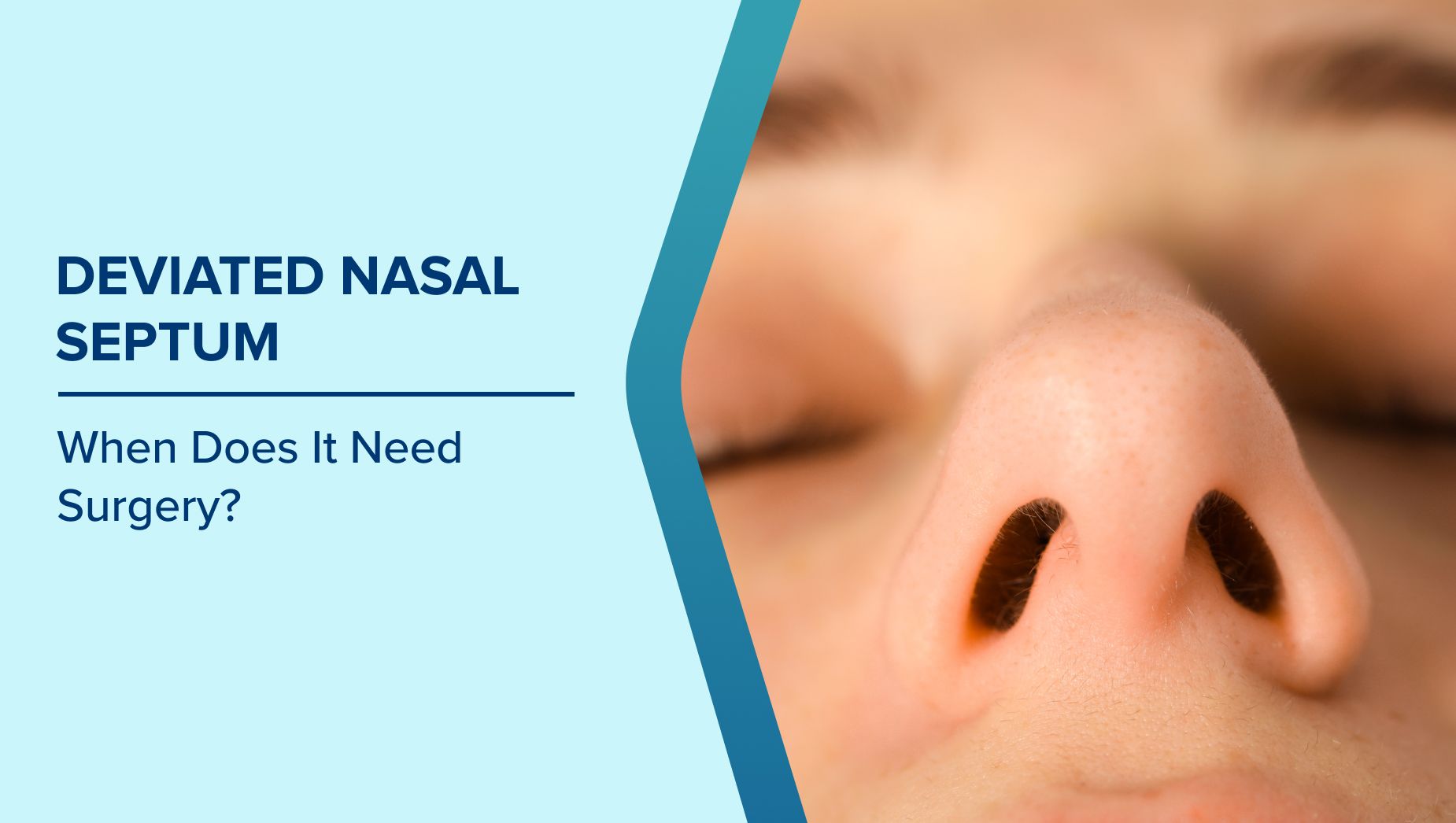
The nasal septum is the thin wall that divides the left and right nasal passages. Ideally, it should sit in the middle, allowing equal airflow through both sides. In reality, many people have some degree of deviation. A deviated nasal septum means this wall is tilted or displaced, making one nasal passage smaller than the other.
Mild cases often go unnoticed. However, when the deviation is severe, it may lead to nose blockage, breathing problems, snoring, and repeated sinus infections.
Common Causes of a Deviated Septum
Several factors can lead to this condition:
- Birth defect: Some people are born with a crooked septum.
- Injury or trauma: Sports accidents, falls, or even minor injuries can shift the septum.
- Age-related changes: As cartilage and bones change over time, symptoms may worsen.
Signs That Point to a Deviated Septum
Not all nasal stuffiness is due to septum problems. However, you might have a deviated septum if you notice:
- Persistent nose blockage on one side
- Difficulty breathing, especially during exercise or sleep
- Frequent sinus infections
- Noisy breathing or snoring
- Nosebleeds that occur often
- Facial pain or headaches without a clear cause
Can a Deviated Septum Be Treated Without Surgery?
Yes, in some cases. For mild deviations, doctors often recommend:
- Nasal sprays to reduce swelling
- Decongestants to relieve blockage
- Antihistamines if allergies are involved
- Steam inhalation to keep the nasal passages clear
When Does a Deviated Septum Need Surgery?
Surgery is usually considered when:
- Breathing problems are persistent and affect sleep or exercise
- You experience repeated sinus infections
- One nostril feels consistently blocked
- Medications provide only temporary relief
- Snoring or sleep disturbances become disruptive
What to Expect from Septoplasty
Septoplasty is performed under anaesthesia and usually takes less than two hours. The surgeon repositions or trims parts of the septum, without changing the shape of the nose. Recovery is relatively quick, and most people return to normal activities within a week.
Unlike cosmetic nose surgery (rhinoplasty), septoplasty focuses purely on function, not appearance. The goal is to restore clear breathing and reduce long-term nasal issues.
Living Better After Surgery
Patients often report that after nasal septum surgery, they sleep more peacefully, breathe more easily, and experience fewer sinus infections. The procedure can greatly improve the quality of life, especially for those who have struggled with chronic nasal blockage for years.
Conclusion
A deviated nasal septum is more common than most people think. While many live with mild cases without needing medical care, others find that symptoms interfere with their health and comfort. If you experience constant nasal blockage, breathing difficulties, or recurring sinus infections, it may be time to consult an ENT specialist about treatment options for a deviated septum.
Surgery is not always the first step, but when needed, septoplasty offers lasting relief and a noticeable improvement in daily life.
Frequently Asked Questions
How long does it take to recover from septoplasty fully?
Most people return to daily activities in about a week, but complete healing of internal tissues may take 6–8 weeks.
Are there any lifestyle changes I should make before surgery?
Yes, avoid smoking, manage allergies, and discuss all medications with your doctor. These steps help reduce complications and support healing.
What happens if I ignore a severe deviated septum?
Untreated cases may worsen over time, leading to chronic sinus infections, sleep disturbances, and a reduced quality of life.
How is septoplasty different from rhinoplasty?
Septoplasty corrects the internal nasal passage for better breathing, while rhinoplasty focuses on reshaping the nose for cosmetic purposes.
Can natural remedies help before considering surgery?
Steam inhalation, saline sprays, and breathing exercises can provide short-term relief, but they cannot fix the structural deviation.
Written and Verified by:

Related Blogs


Dr. Ravinder Gera In ENT(Ear Nose Throat)
Nov 08 , 2020 | 2 min read
Blogs by Doctor

Get Rid Of Tonsils Through Coblation Technique in ENT
Dr. Sumit Mrig In ENT(Ear Nose Throat)
Nov 08 , 2020 | 1 min read

Few Tips to Prevent Ear Wax Blockage
Dr. Sumit Mrig In ENT(Ear Nose Throat)
Aug 01 , 2017 | 1 min read
Most read Blogs


Related Blogs
Dr. Ravinder Gera In ENT(Ear Nose Throat)
Nov 08 , 2020 | 2 min read
Blogs by Doctor
Get Rid Of Tonsils Through Coblation Technique in ENT
Dr. Sumit Mrig In ENT(Ear Nose Throat)
Nov 08 , 2020 | 1 min read
Few Tips to Prevent Ear Wax Blockage
Dr. Sumit Mrig In ENT(Ear Nose Throat)
Aug 01 , 2017 | 1 min read
Most read Blogs