 WhatsApp Us (24/7)
 +91 926 888 0303 (24/7)


To Book an Appointment
Call Us+91 926 888 0303Constipation in Pregnancy: Causes & Simple Ways to Relief
By Dr. Brajendra Prasad Singh in Gastroenterology, Hepatology & Endoscopy
Mar 18 , 2026
1

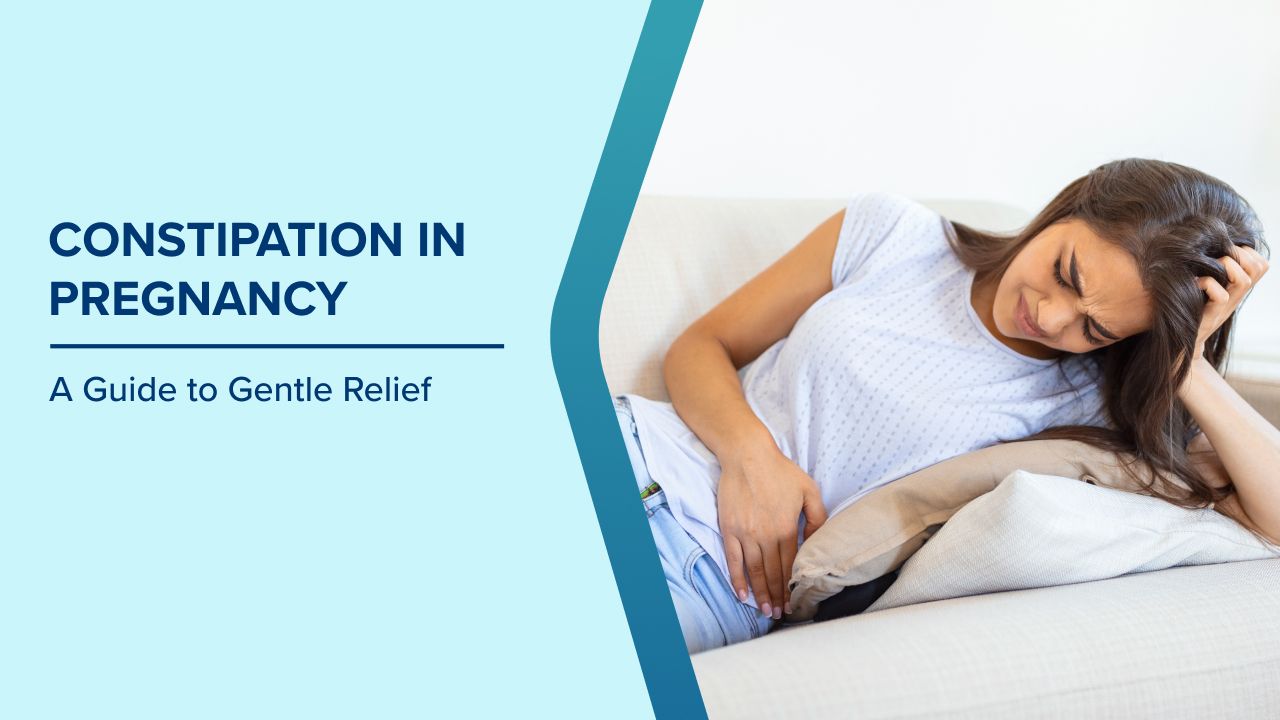
Pregnancy is a time of incredible transformation, bringing a unique set of challenges. One of the less-talked-about but very common pregnancy symptoms is constipation. It can be frustrating and uncomfortable, making you feel sluggish and bloated when you're already navigating so many changes.
Let’s explore the underlying causes of pregnancy constipation, from hormonal shifts to the impact of prenatal vitamins, so that you can have a better understanding of how to manage this common issue and feel more comfortable throughout your pregnancy stages.
What Causes Constipation During Pregnancy?
Constipation is a frequent concern during pregnancy, mainly due to hormonal shifts and the physical changes in your body. Higher levels of progesterone slow digestion, while the growing uterus adds pressure to the intestines, making bowel movements less regular.
The Role of Hormones and Physical Pressure
During pregnancy, your body produces higher levels of progesterone. This hormone is important for maintaining the pregnancy, but it also has a relaxing effect on the muscles throughout your body, including those in your intestines. This slows down the contractions that move waste through your system, leading to a backed-up feeling. As your baby and uterus grow, they put increasing pressure on your intestines, which can also make it harder for waste to pass through. These two factors are the main reasons why constipation is a frequent pregnancy complication.
The Impact of Prenatal Vitamins
Many prenatal vitamins, especially those that are high in iron, can contribute to constipation. While iron is a critical nutrient for a healthy pregnancy, it can have a constipating effect on some people. Medical experts suggest that if your prenatal vitamin seems to be causing issues, you should speak with your doctor about alternatives or other pregnancy care strategies. You may be advised to try a different brand with a lower iron content or a different form of iron that is easier to absorb.
Simple and Effective Ways to Find Relief
Finding relief from constipation is often a matter of making small but impactful adjustments to your daily routine. These are some of the most effective pregnancy tips for improving digestive health.
Dietary Changes to Get Things Moving
What you eat plays a major role in managing constipation. A pregnancy diet that is rich in fibre and fluids is the cornerstone of a healthy digestive system.
- Increase Your Fibre Intake: Fibre adds bulk to your stool, making it easier to pass. Aim to consume at least 25-30 grams of fibre per day.
- Soluble Fibre: Found in foods like oats, barley, apples, citrus fruits, and carrots. It absorbs water, forming a gel-like substance that softens stool.
- Insoluble Fibre: Found in whole-wheat flour, nuts, beans, and vegetables like green beans and potatoes. It adds bulk to the stool and helps food pass more quickly through the stomach and intestines.
- Stay Hydrated: Water is essential for a healthy pregnancy and helps to soften stool. Aim for 8-12 glasses of water a day. You can also include other fluids like natural fruit juices and broths.
- Include Probiotic-Rich Foods: Probiotics are "good" bacteria that can support a healthy gut. It’s commonly recommended to include foods like yoghurt, kefir, and sauerkraut in your diet.
Lifestyle and Exercise
Beyond diet, your daily habits can have a big impact on your digestive system.
- Get Moving: Gentle exercise can stimulate your bowels and help prevent constipation. Even a mild daily walk can make a significant difference. Other safe prenatal exercises include swimming, yoga, and stationary cycling. Always consult with your doctor before starting any new exercise regimen.
- Establish a Routine: Your body often responds to routine. Try to use the bathroom at the same time each day, such as after breakfast, when your digestive system is often more active.
- Listen to Your Body: Do not ignore the urge to have a bowel movement. Postponing can make the stool harder and more difficult to pass later.
- Consider Squatting: When using the toilet, try propping your feet on a small stool or box. This changes the angle of your body to a more natural squatting position, which can make it easier to have a bowel movement.
When to Consider Medication
If lifestyle and dietary changes are not enough to provide relief, your doctor may recommend a safe over-the-counter laxative. It is crucial to consult your doctor before taking any medication during pregnancy.
Safe Over-the-Counter Options
Your doctor may suggest a few types of laxatives that are generally safe for use during pregnancy:
- Fibre Supplements: These are a great first-line treatment. They work in the same way as dietary fibre, adding bulk to the stool.
- Stool Softeners: These medications work by drawing water into the stool, making it softer and easier to pass.
- Osmotic Laxatives: These draw water from the body into the bowel to soften the stool.
You should avoid stimulant laxatives unless your doctor specifically recommends them, as they can cause uterine contractions and other pregnancy complications.
When to Call Your Doctor
While constipation is usually a manageable pregnancy symptom, there are times when you should seek medical advice. If your constipation is followed by severe abdominal pain, nausea, vomiting, or alternating with diarrhoea, you should contact your doctor. These signs may suggest an underlying condition that requires medical attention. Your healthcare provider can assess the situation and recommend a suitable plan to support your prenatal health.
Conclusion
Constipation may be an uncomfortable part of your pregnancy journey, but it is a very common one. By making conscious choices about your diet, staying active, and staying hydrated, you can take control of your digestive health. Remember to be patient with your body as it adapts and changes throughout this incredible time. With a few simple adjustments, you can find the relief you need to feel more comfortable and enjoy every stage of your healthy pregnancy.
Frequently Asked Questions
Is it safe to take a magnesium supplement for constipation?
It is commonly recommended to speak with your doctor before taking any supplement, including magnesium, during pregnancy. While magnesium can help with constipation, your doctor will determine the right dosage for you.
Can prune juice help with constipation?
Yes, prune juice is a classic and effective natural remedy for constipation. It contains sorbitol, a sugar alcohol that has a mild laxative effect.
How soon after taking a fibre supplement will I see results?
Fibre supplements typically take a few days to become fully effective. It's important to drink plenty of water with them to prevent them from causing more bloating.
Is it normal for constipation to come and go?
Yes, it is very common for constipation to fluctuate throughout your pregnancy. It may be worse in some trimesters than others due to changing hormone levels and a growing uterus.
Should I eat fewer bananas?
The effect of bananas on constipation can vary. While some people find that ripe bananas help, others find that unripe bananas can make constipation worse.
What is the best type of tea to drink for constipation?
Herbal teas like chamomile or peppermint tea may help soothe your digestive system. However, it's essential to avoid senna tea or other stimulant laxative teas unless your doctor specifically advises it.
Can dehydration cause constipation?
Yes, dehydration is a leading cause of constipation. When your body is not getting enough fluids, it pulls water from your intestines, making your stool hard and difficult to pass.
Written and Verified by:

Related Blogs

Dr. Nivedita Pandey In Gastroenterology, Hepatology & Endoscopy , Liver Transplant and Biliary Sciences
Nov 07 , 2020 | 2 min read
Dr. Nivedita Pandey In Gastroenterology, Hepatology & Endoscopy , Liver Transplant and Biliary Sciences
Nov 07 , 2020 | 2 min read
Blogs by Doctor

All You Need to Know about Glycogen Storage Disease
Dr. Brajendra Prasad Singh In Gastroenterology, Hepatology & Endoscopy
Feb 13 , 2024 | 7 min read

Gastric Problems: Causes, Symptoms & Treatment
Dr. Brajendra Prasad Singh In Gastroenterology, Hepatology & Endoscopy
Mar 27 , 2024 | 5 min read
Most read Blogs


Related Blogs
Dr. Nivedita Pandey In Gastroenterology, Hepatology & Endoscopy , Liver Transplant and Biliary Sciences
Nov 07 , 2020 | 2 min read
Dr. Nivedita Pandey In Gastroenterology, Hepatology & Endoscopy , Liver Transplant and Biliary Sciences
Nov 07 , 2020 | 2 min read
Blogs by Doctor
All You Need to Know about Glycogen Storage Disease
Dr. Brajendra Prasad Singh In Gastroenterology, Hepatology & Endoscopy
Feb 13 , 2024 | 7 min read
Gastric Problems: Causes, Symptoms & Treatment
Dr. Brajendra Prasad Singh In Gastroenterology, Hepatology & Endoscopy
Mar 27 , 2024 | 5 min read
Most read Blogs