 WhatsApp Us (24/7)
 +91 926 888 0303 (24/7)


To Book an Appointment
Call Us+91 926 888 0303What is Cataract: Symptoms, Early Signs & Treatment
By Dr. Smriti Goel in Eye Care / Ophthalmology
Apr 15 , 2026

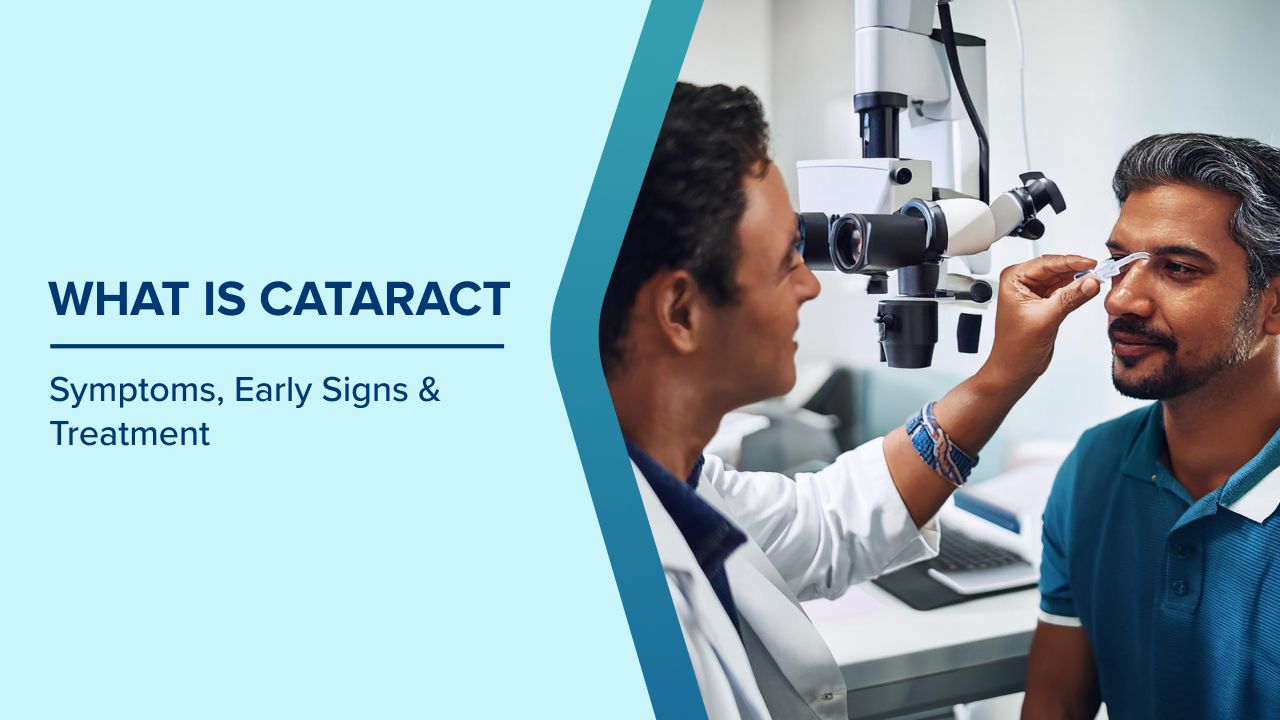
A cataract is a condition where the eye’s natural lens becomes cloudy, leading to gradual vision impairment. It develops slowly and often goes unnoticed in the early stages. Common cataract symptoms include blurred vision, sensitivity to light, glare, and difficulty seeing at night. Recognising the early signs of cataract is essential for timely treatment. Since cataracts are among the leading causes of blurred vision, regular eye check-ups can help detect the condition early and prevent significant vision loss.
What is a Cataract?
A cataract refers to the clouding of the eye’s natural lens, which lies behind the iris and pupil. This lens helps focus light onto the retina, allowing you to see clearly. As cataracts develop:
- The lens gradually becomes opaque
- Light cannot pass through effectively
- Vision becomes blurry or dim
Cataracts typically progress slowly and may affect one or both eyes. While they are most commonly associated with ageing, other factors can also contribute to their development.
Early Signs of Cataract You Should Not Ignore
Recognising early signs of cataract can help you seek timely treatment and prevent worsening vision problems. These symptoms often start subtly and gradually become more noticeable.
Blurred or Cloudy Vision
- One of the most common cataract symptoms
- Vision may appear foggy, hazy, or less sharp
- Reading and recognising faces may become difficult
Difficulty Seeing at Night
- Reduced ability to see clearly in low light
- Night vision problems can make driving dangerous
- Increased sensitivity to oncoming headlights
Sensitivity to Light and Glare
- Bright lights may feel uncomfortable or overwhelming
- Glare from sunlight or indoor lighting may worsen
- You may need sunglasses more often
Seeing Halos Around Lights
- Rings or halos may appear around light sources
- Commonly noticed at night or in dim lighting
- Can interfere with nighttime activities
Frequent Changes in Glasses Prescription
- Vision may fluctuate frequently
- You may need new glasses more often than usual
- Temporary improvement followed by worsening vision
Faded or Yellowed Colours
- Colours may appear dull, faded, or yellowish
- Difficulty distinguishing between similar shades
- Reduced contrast sensitivity
Read More: [block]1[/block]
Why Cataracts Develop
Understanding cataract causes helps in prevention and early detection. The most common reason is ageing, but several other factors contribute. Key causes include:
- Ageing: Natural breakdown of proteins in the lens
- Diabetes: High blood sugar damages the lens over time
- Prolonged UV Exposure: Sunlight accelerates eye lens clouding
- Smoking: Increases oxidative stress in the eye
- Eye Injury or Trauma: Physical damage can lead to cataracts
Who Is at Risk of Cataracts?
Certain individuals are more likely to develop cataracts due to age, health conditions, and lifestyle factors. High-risk groups include:
- People above 40–50 years of age
- Individuals with chronic diseases like diabetes
- Smokers and heavy alcohol consumers
- Those with prolonged sun exposure without protection
- People with a family history of cataracts
When Should You See a Doctor?
Knowing when to see an eye doctor is crucial for preventing severe vision loss. Seek medical attention if you notice:
- Vision problems affecting daily activities like reading or driving
- Sudden or rapid worsening of eyesight
- Difficulty driving at night due to glare or halos
- Frequent changes in vision clarity
Early consultation enables proper diagnosis and timely cataract treatment, significantly improving outcomes.
How Cataracts Are Diagnosed
Cataracts are diagnosed through a comprehensive eye examination performed by an eye specialist. Common diagnostic methods include:
- Vision Tests: Measure how clearly you can see at different distances
- Slit-Lamp Examination: Examines the structures of the eye under magnification
- Retinal Exam: Checks the back of the eye after dilation
These tests help determine the severity and progression of cataract vision problems.
Read More: [block]2[/block]
Treatment Options for Cataracts
Early Stage Management
In the early stages, cataracts may not require surgery. Symptoms can be managed with:
- Updated eyeglasses or contact lenses
- Brighter lighting at home or work
- Anti-glare sunglasses
- Magnifying lenses for reading
Cataract Surgery
When cataracts significantly affect daily life, surgery is recommended.
- The cloudy lens is removed and replaced with an artificial lens
- It is a safe and highly effective procedure
- Usually performed as a day-care surgery
- Recovery is quick, with noticeable improvement in vision
Can Cataracts Be Prevented?
While cataracts cannot always be completely prevented, certain lifestyle changes can reduce the risk. Preventive measures include:
- Wearing sunglasses to protect against UV rays
- Eating a healthy diet rich in antioxidants
- Managing chronic conditions like diabetes
- Avoiding smoking and excessive alcohol consumption
- Scheduling regular eye check-ups
What Happens If Cataracts Are Left Untreated?
Ignoring cataract symptoms can lead to serious complications. Possible consequences include:
- Gradual worsening of vision
- Increased difficulty in daily activities
- Loss of independence
- Higher risk of accidents
- In severe cases, blindness
Early diagnosis and treatment can prevent these outcomes and restore clear vision.
Conclusion
Cataracts are a common yet treatable cause of vision impairment. Recognising the early signs of cataract, such as blurred vision, glare, and night vision problems, can make a significant difference in preserving your eyesight. These symptoms should never be ignored, especially if they begin to affect daily activities. With timely diagnosis and appropriate cataract treatment, including safe surgical options, vision can be effectively restored. Regular eye check-ups and awareness are key to maintaining long-term eye health and quality of life.
Frequently Asked Questions
1. At what age do cataracts usually start?
Cataracts commonly develop after age 40, but noticeable symptoms usually appear after age 60. However, they can occur earlier due to medical conditions or lifestyle factors.
2. Can cataracts develop quickly?
Most cataracts develop slowly over the years. However, certain types, especially those caused by diabetes or eye injury, can progress more rapidly.
3. Is cataract surgery painful?
Cataract surgery is generally painless. It is performed under local anaesthesia, and patients may only feel slight pressure during the procedure.
4. Can cataracts come back after surgery?
No, cataracts do not return after surgery. However, some people may develop a condition called posterior capsule opacity, which can be easily treated with a laser.
5. Are cataracts preventable?
Cataracts cannot be entirely prevented, but healthy lifestyle habits and regular eye check-ups can significantly reduce the risk.
6. Can screen time cause cataracts?
There is no direct evidence that screen time causes cataracts. However, excessive screen use can lead to eye strain and discomfort.
Written and Verified by:

Related Blogs

Dr. Parul Sharma In Ophthalmology , Eye Care / Ophthalmology
Jun 27 , 2014 | 1 min read

Dr. Parul Sharma In Ophthalmology , Eye Care / Ophthalmology
Apr 16 , 2015 | 1 min read
Blogs by Doctor

What is Cataract Surgery: Recognizing Signs & Benefits of Cataract Surgery
Dr. Smriti Goel In Eye Care / Ophthalmology
Aug 13 , 2024 | 2 min read

World Glaucoma Day 2025: Risk Factors and Preventing Vision Loss
Dr. Smriti Goel In Eye Care / Ophthalmology
Mar 17 , 2025 | 5 min read
Most read Blogs


Related Blogs
Dr. Parul Sharma In Ophthalmology , Eye Care / Ophthalmology
Jun 27 , 2014 | 1 min read
Dr. Parul Sharma In Ophthalmology , Eye Care / Ophthalmology
Apr 16 , 2015 | 1 min read
Blogs by Doctor
What is Cataract Surgery: Recognizing Signs & Benefits of Cataract Surgery
Dr. Smriti Goel In Eye Care / Ophthalmology
Aug 13 , 2024 | 2 min read
World Glaucoma Day 2025: Risk Factors and Preventing Vision Loss
Dr. Smriti Goel In Eye Care / Ophthalmology
Mar 17 , 2025 | 5 min read
Most read Blogs