 WhatsApp Us (24/7)
 +91 926 888 0303 (24/7)


To Book an Appointment
Call Us+91 926 888 0303Burning Feet (Grierson-Gopalan Syndrome): Causes, Symptoms & Treatment
By Dr. Puneet Agarwal in Neurology
Feb 17 , 2026
3

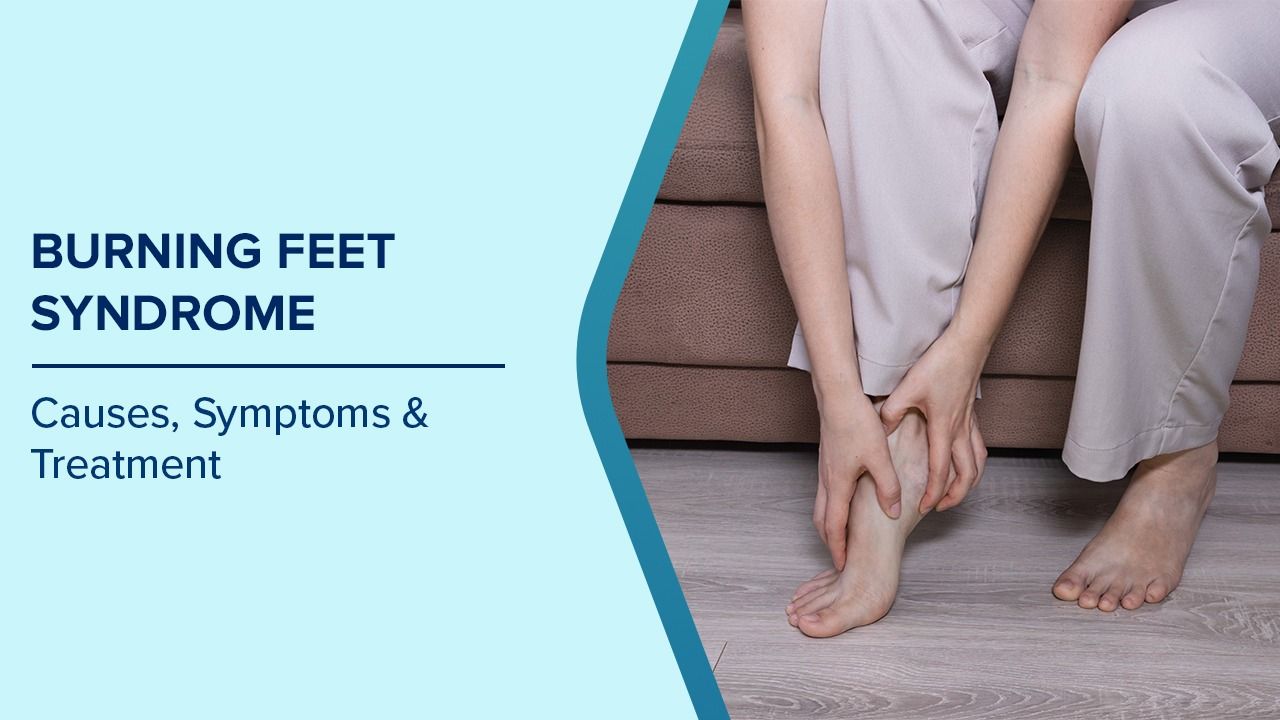
Does the constant burning sensation in your feet keep you awake night after night? And is the burning sensation sometimes accompanied by tingling, and numbness as well? If so, it could be burning feet syndrome, or Grierson-Gopalan Syndrome. For some, it stays limited to the soles, while for others, it spreads up to the ankles or lower legs. To help you understand all about it, this article details the full range of symptoms, investigates the varied root causes, and clearly lays out the treatment strategies available for managing the pain and restoring comfort. Let’s start with the basics.
What is Burning Feet Syndrome (Grierson-Gopalan Syndrome)?
Burning feet syndrome, also known as Grierson-Gopalan Syndrome, is a neurological condition that causes an abnormal burning or tingling feeling in the feet. The sensation arises because the sensory nerves responsible for detecting temperature and pain become overactive or damaged, sending exaggerated signals of heat or discomfort to the brain. This results in a burning sensation even when the feet feel normal to touch. The condition is seen more often in adults over 50, though younger individuals can experience it due to factors such as vitamin deficiencies or hormonal changes. Historically, the condition was first described by Dr. Grierson and later studied in detail by Dr. Gopalan in India, which is why it carries both the doctor’s name.
What Causes Burning Feet Syndrome?
Burning feet syndrome can develop due to a variety of underlying health issues. In most cases, the condition is linked to factors that affect nerve function, circulation, or metabolism. The most common reasons include:
Peripheral Neuropathy
This is one of the most frequent causes of burning feet. Peripheral neuropathy occurs when the nerves that connect the brain and spinal cord to the rest of the body are damaged. Diabetes is the most common reason for this damage, as long-term high blood sugar levels harm the nerves in the legs and feet. People may experience burning, tingling, or sharp pain in the feet, especially at night. Other conditions such as autoimmune diseases, infections, or toxin exposure can also lead to neuropathy.
Vitamin Deficiencies
Low levels of vitamin B12, vitamin B6, or folate can interfere with the protective covering of nerves, leading to nerve irritation. This may cause burning, numbness, or a prickling feeling in the feet and hands. People with poor dietary intake, absorption problems, or anaemia are more prone to developing these symptoms.
Thyroid Disorders
An underactive thyroid, or hypothyroidism, slows down metabolism and causes fluid build-up in body tissues. The swelling may compress surrounding nerves and result in sensations of burning or tingling in the lower limbs. Fatigue, weight gain, and dry skin are also common symptoms of thyroid imbalance.
Kidney Disease
When the kidneys do not function properly, waste products accumulate in the bloodstream. This affects nerve function and may lead to a condition known as uremic neuropathy. People with kidney disease often report burning or painful sensations in the feet, which tend to intensify at night.
Alcohol-Induced Nerve Damage
Regular heavy drinking can damage peripheral nerves and cause alcoholic neuropathy. This condition leads to burning, tingling, or weakness in the feet and legs. Poor nutrition caused by alcohol misuse can worsen the damage, making the symptoms more persistent.
Nerve Compression or Entrapment
In some cases, a burning sensation is caused by pressure on a specific nerve. One common example is tarsal tunnel syndrome, where the posterior tibial nerve near the ankle becomes compressed. This may cause burning, shooting pain, or tingling in the soles and toes that gets worse after walking or standing for long periods.
Infections and Inflammatory Conditions
Certain viral or bacterial infections and autoimmune disorders can damage or inflame peripheral nerves. Conditions such as HIV, Lyme disease, Guillain-Barré syndrome, and chronic inflammatory demyelinating polyneuropathy (CIDP) can lead to nerve irritation, resulting in burning, tingling, or stabbing pain in the feet.
Medication Side Effects
Some medicines, including chemotherapy drugs, antibiotics, and antiretrovirals, can affect nerve function as a side effect. This may cause burning or painful sensations in the feet, which sometimes continue even after the medication has been stopped.
Hormonal and Metabolic Changes
Fluctuations in hormone levels, such as those occurring during menopause, can influence nerve sensitivity and blood flow. Certain metabolic conditions can also alter how nerves respond to pressure or temperature, leading to a burning sensation in the feet.
Idiopathic Causes
In some individuals, no clear underlying condition is found despite detailed evaluation. This is known as idiopathic burning feet syndrome. The symptoms may range from mild to severe and often require long-term management to maintain comfort and mobility.
What are the Common Symptoms?
Burning feet syndrome can manifest in several ways, and the intensity and pattern of symptoms can differ from person to person. Common symptoms include:
- Persistent burning sensation: A deep, uncomfortable heat in the soles or entire foot, sometimes spreading to the ankles or lower legs. The intensity can vary from mild warmth to severe discomfort.
- Tingling or prickling feelings: Often described as pins and needles, this sensation can be constant or intermittent, sometimes triggered by touch or pressure.
- Numbness or reduced sensitivity: Some people notice that their toes or feet feel “asleep,” making it harder to sense temperature or pain properly.
- Sharp, stabbing, or shooting pain: Sudden bursts of pain may occur along with the burning, especially after walking, standing for long periods, or at night.
- Warmth or heat without cause: Feet may feel unusually hot even when the environment is cool, which can be distressing and persistent.
- Sensitivity to touch: Simple pressure from socks or shoes may feel uncomfortable or painful, making daily activities challenging.
- Muscle cramps or weakness: In some cases, the feet may cramp or feel weak due to nerve involvement.
- Night-time worsening: Many people notice that symptoms intensify at night, disrupting sleep and leading to fatigue and irritability the next day.
How is Burning Feet Syndrome Diagnosed?
Diagnosing burning feet syndrome involves a combination of medical history review, physical examination, and specialized tests.
Medical History and Symptom Assessment
The first step involves discussing your symptoms in detail with a healthcare provider. This includes when the burning started, its severity, patterns of occurrence, and whether other sensations such as tingling or numbness are present. Doctors also review personal and family medical history, including diabetes, thyroid disorders, vitamin deficiencies, alcohol consumption, and medications that might affect nerve function.
Physical Examination
A physical exam helps assess sensory nerve function and identify areas of pain, weakness, or reduced sensation. The doctor may check reflexes, muscle strength, and skin condition in the feet and lower legs. Observing circulation and any swelling or redness in the feet can provide clues about underlying causes.
Blood Tests
Blood tests are often used to detect conditions that may contribute to burning feet syndrome. Common tests include:
- Blood sugar levels to check for diabetes or prediabetes
- Vitamin levels, particularly B12, B6, and folate
- Thyroid function tests to detect hypothyroidism
- Kidney and liver function tests to identify metabolic imbalances
Nerve Function Tests (Electrodiagnostic Tests)
Tests such as nerve conduction studies (NCS) and electromyography (EMG) evaluate the health of peripheral nerves and muscles. These tests can detect nerve damage, the severity of neuropathy, and help distinguish peripheral neuropathy from other conditions.
Imaging
Imaging is usually recommended when nerve compression or structural issues are suspected. Common imaging methods include:
- Magnetic Resonance Imaging (MRI): Helps visualize soft tissues, nerves, and surrounding structures to identify any compression or abnormalities.
- Ultrasound: Useful for examining nerves near the ankle and foot and detecting entrapment or swelling.
- X-ray: Sometimes used to rule out bone-related issues that may contribute to nerve pressure.
Other Specialized Tests
Depending on the suspected cause, doctors may recommend additional tests such as:
- Nerve biopsy in rare or complex cases to examine nerve tissue
- Skin biopsy to assess small nerve fibre damage
- Electrolyte and metabolic panels to rule out other systemic issues
What are the Treatment Options for Burning Feet Syndrome?
Managing burning feet syndrome involves treating the underlying cause, relieving symptoms, and supporting nerve health. The treatment plan depends on the severity of symptoms and any associated medical conditions, and often combines multiple approaches for the best results.
Treatment for Underlying Medical Conditions
These interventions focus on correcting the root health issue that is causing the nerve damage or irritation.
- Targeting Nerve Sensitivity: Doctors may use certain classes of medication specifically designed to change how the nerves process pain signals. This type of burning feet treatment works by stabilising nerve activity to reduce the sensation of burning and tingling.
- Nutritional Restoration: If the syndrome is caused by a lack of essential nutrients, such as a Vitamin B deficiency, supplements are prescribed. These are given either as oral tablets or injections to rebuild healthy nerve tissue and stop further deterioration.
- Metabolic Management: For people where the burning is linked to conditions like diabetes, the key treatment is careful control of blood sugar levels. This involves diet changes and non-drug interventions to stop the progression of nerve damage.
- Infection Control: If a skin condition or fungal infection is identified as the cause of the burning, specific creams or systemic treatments are used to clear the infection and relieve the irritation.
Medications for Symptom Relief
Medications can be prescribed to reduce pain and improve daily comfort:
- Pain relievers: Over-the-counter medicines like acetaminophen or NSAIDs help manage mild to moderate discomfort.
- Prescription nerve pain medications: Drugs targeting neuropathic pain can reduce burning, tingling, and improve sleep quality.
- Topical creams: Capsaicin or other medicated creams can provide localized relief and are often useful for people who prefer non-oral treatment options.
Lifestyle and Home Care Measures
Lifestyle changes and daily self-care can play a significant role in symptom control:
- Foot care: Keeping feet clean, moisturized, and protected from injury prevents skin damage and secondary infections.
- Cooling techniques: Soaking feet in cool water or using cold packs can temporarily relieve burning sensations, especially at night.
- Supportive footwear: Wearing cushioned shoes and loose-fitting socks reduces pressure and friction, making walking and standing more comfortable.
- Exercise: Gentle stretches, walking, or low-impact aerobic exercises improve blood circulation and support nerve health, which can help alleviate symptoms over time.
Physical Therapy and Rehabilitation
Structured therapy can address nerve compression, improve circulation, and strengthen muscles in the lower legs:
- Stretching exercises: Target the feet, calves, and ankles to reduce tension and improve flexibility.
- Massage therapy: Stimulates blood flow, relaxes muscles, and helps relieve discomfort caused by nerve irritation.
- Targeted routines: Designed to reduce pressure on nerves, improve mobility, and restore functional movement.
Advanced or Specialized Treatments
For persistent or severe cases, additional interventions may be recommended:
- Nerve blocks or injections: Provide temporary but effective relief from intense burning or neuropathic pain.
- Transcutaneous Electrical Nerve Stimulation (TENS): Uses mild electrical currents to modify pain signals and reduce perceived discomfort.
- Surgical intervention: Rarely required, but may be necessary to relieve nerve entrapment or correct structural abnormalities causing nerve compression.
Consult Today
The constant heat and aching of Burning Feet Syndrome is a deeply frustrating experience. This syndrome, whether it is called Grierson-Gopalan or just "burning feet," is a signal from the body that something needs medical attention. If the burning in the feet continues to disrupt sleep and limit daily life activities, it is time to speak with an expert. To find the right path to a full diagnosis and a tailored treatment plan, you should book an appointment with a Neurologist or a Pain Management Specialist at Max Hospital today.
Frequently Asked Questions
Can burning feet syndrome affect both children and adults?
Yes, while it is more commonly seen in adults, especially those with underlying conditions like diabetes or vitamin deficiencies, children can occasionally experience symptoms if they have metabolic or nerve-related disorders.
Are there any home remedies that can provide relief from burning feet?
Some home practices such as elevating the feet, soaking them in cool water, wearing comfortable footwear, and gentle foot stretches may provide temporary relief, but they do not treat the underlying cause.
How long does it take for symptoms of burning feet syndrome to improve?
Recovery time varies depending on the cause. Symptoms may improve within weeks if an underlying deficiency or metabolic issue is addressed, but nerve damage can take longer to heal, and some symptoms may persist.
Can lifestyle changes prevent burning feet syndrome?
Maintaining healthy blood sugar levels, a balanced diet rich in vitamins, limiting alcohol intake, and regular exercise can reduce the risk, particularly for those with predisposing conditions.
Is burning feet syndrome linked to other neurological conditions?
Yes, it can sometimes be associated with peripheral neuropathy or other nerve disorders. Early detection and treatment are important to prevent further nerve damage.
Do certain foods or supplements help with burning feet?
Ensuring adequate intake of vitamin B complex, especially B12, and a balanced diet that supports nerve health can help. However, supplements should be taken under medical guidance.
When should someone see a doctor for burning feet?
Immediate medical attention is advised if symptoms are severe, worsening, or affecting sleep and mobility. Early consultation helps identify underlying causes and prevent long-term nerve damage.
Can burning feet syndrome lead to permanent nerve damage?
If left untreated, prolonged nerve irritation from conditions like diabetes or vitamin deficiencies can cause lasting nerve damage. Timely treatment can often prevent or minimise this risk.
Can burning feet syndrome be seasonal or triggered by temperature changes?
Some people notice symptoms worsen in hot weather or after prolonged exposure to heat, while others may feel more discomfort at night. Temperature can influence nerve sensitivity and circulation, aggravating the burning sensation.
Can footwear cause or worsen burning feet syndrome?
Tight or poorly cushioned shoes can increase pressure on nerves and worsen burning sensations. Choosing well-fitted, supportive footwear can help manage discomfort.
Is burning feet syndrome linked to other metabolic conditions besides diabetes?
Yes, conditions such as hypothyroidism, kidney problems, or nutritional deficiencies can contribute to nerve irritation and burning sensations in the feet.
Can prolonged standing or walking trigger symptoms?
Yes, extended periods of standing or walking may increase nerve pressure or reduce circulation, which can worsen burning, tingling, or pain.
Written and Verified by:

Related Blogs


Oct 27 , 2020 | 3 min read
Blogs by Doctor


Motor Neurone Disease: Understanding the Causes, Types, Symptoms and Treatment
Dr. Puneet Agarwal In Neurosciences , Neurology
Apr 03 , 2024 | 12 min read
Most read Blogs


Related Blogs
Oct 27 , 2020 | 3 min read
Blogs by Doctor
Motor Neurone Disease: Understanding the Causes, Types, Symptoms and Treatment
Dr. Puneet Agarwal In Neurosciences , Neurology
Apr 03 , 2024 | 12 min read
Most read Blogs