 WhatsApp Us (24/7)
 +91 926 888 0303 (24/7)


To Book an Appointment
Call Us+91 926 888 0303What is a Bunion? All You Need to Know about the Big Toe Deformity
By Dr. Akshay Kumar Saxena in Orthopaedics & Joint Replacement
Dec 09 , 2025 | 10 min read

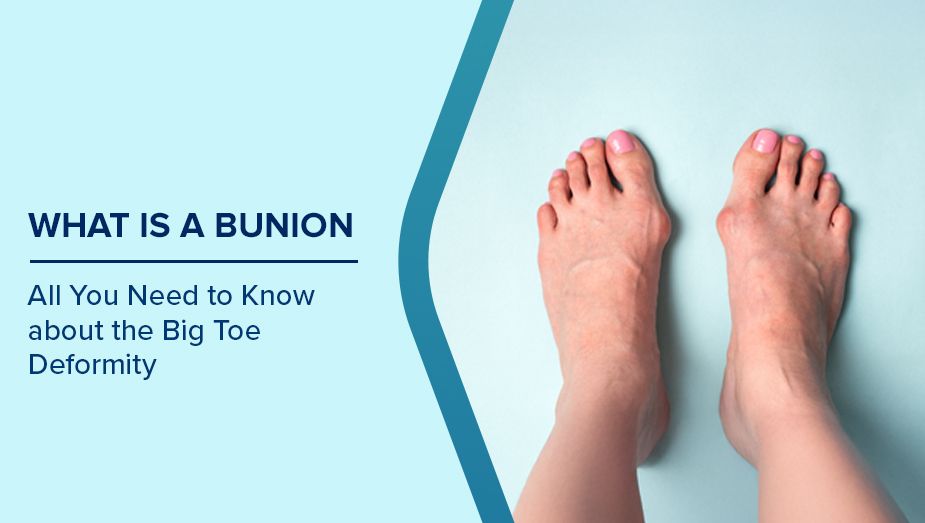
Bunion, medically known as hallux valgus, is a common foot condition wherein the bones in the front of the foot move out of alignment, causing the big toe to lean inward toward the other toes and the joint to stick out. This leads to a visible lump on the side of the foot, often accompanied by pain, swelling, and difficulty wearing certain shoes. At first, it may only cause mild discomfort, but without proper care, it can progress and worsen over time. In this blog, we will discuss what causes bunions, their symptoms, and the treatment options that can help.
What is a Bunion?
A bunion is a structural deformity of the foot, specifically affecting the metatarsophalangeal (MTP) joint at the base of the big toe. Over time, the joint shifts out of its normal alignment, and the metatarsal bone angles outward while the big toe tilts toward the second toe. This misalignment not only changes the shape of the foot but also alters the way weight is distributed while walking or standing.
Bunions develop gradually and can vary in severity. In mild cases, the change in toe position may be barely noticeable, while severe bunions can cause significant pain, limit joint movement, and lead to secondary foot problems such as corns, calluses, or inflammation of surrounding tissues. The progression of a bunion is often influenced by foot structure, gait, and external pressures such as tight or narrow footwear.
What are the Types of a Bunion?
Bunions can differ based on their location, underlying cause, and how flexible the joint remains. The main types include:
1. Tailor’s Bunion (Bunionette)
A Tailor’s bunion forms on the outer side of the little toe rather than the big toe. It occurs when the fifth metatarsal bone angles outward, creating a noticeable bump. People with this type often experience pain, swelling, or redness at the joint, particularly when wearing narrow shoes. The discomfort can affect walking and daily activities if not addressed.
2. Congenital Bunions
Congenital bunions are present from birth, typically due to inherited foot structure. While they may remain subtle in childhood, the deformity can progress with age. Early monitoring, proper footwear, and supportive measures can help slow worsening, although symptoms may appear later in adolescence or adulthood.
3. Arthritic Bunions
These bunions develop from joint damage caused by arthritis, such as osteoarthritis or rheumatoid arthritis. The big toe gradually shifts, often leading to pain, stiffness, and swelling in the joint. Arthritic bunions can make walking difficult and may contribute to additional foot problems if left untreated.
4. Flexible and Rigid Bunions
Flexible bunions allow the big toe joint to move normally and can often be manually realigned. Non-surgical measures, such as orthotics, exercises, and footwear changes, are generally effective at this stage. Rigid bunions, however, involve a stiff joint that cannot be realigned manually. These are typically more painful and may require surgical intervention to restore alignment and relieve discomfort.
What Causes a Bunion?
Bunions form when the big toe joint shifts out of its normal alignment. Several factors can contribute to this change. Some common reasons can increase the likelihood of developing a bunion including:
1. Genetic Factors
Foot structure is often inherited, and certain inherited traits increase the risk of bunions. People with flat feet, low arches, or overly flexible ligaments may be more susceptible. The shape and length of the metatarsal bones can also play a role, making the big toe more likely to drift toward the other toes. If multiple family members have bunions, there is a higher chance that others in the family may develop them over time.
2. Footwear Choices
Shoes that are too tight, narrow, or have high heels place excessive pressure on the toes, especially the big toe. Over time, this constant compression forces the toe inward, pushing the joint out of alignment. High heels shift weight toward the front of the foot, further increasing pressure on the big toe joint. Long-term use of poorly fitting footwear is one of the most preventable contributors to bunion development.
3. Abnormal Foot Mechanics
How a person walks or distributes weight across the foot can influence bunion formation. Overpronation, where the foot rolls inward excessively while walking, can place uneven pressure on the big toe joint. Similarly, an uneven gait or imbalance in weight distribution can accelerate the misalignment of the metatarsophalangeal (MTP) joint. Foot mechanics issues may not cause bunions on their own but can worsen deformities when combined with other risk factors.
4. Medical Conditions
Certain medical conditions, particularly those affecting the joints, increase the risk of bunions. Arthritis, including osteoarthritis and rheumatoid arthritis, weakens the joint structure, causing the big toe to gradually deviate toward the other toes. Inflammatory conditions can also cause swelling, pain, and stiffness in the joint, making bunions more likely to develop or progress.
5. Trauma or Injury
Injuries to the foot, such as fractures or repeated stress to the big toe joint, can trigger bunion formation. Even minor trauma can change the alignment of the bones and ligaments in the foot, leading to a gradual shift of the big toe. Over time, this can result in a noticeable protrusion at the base of the toe, accompanied by pain and discomfort.
What are the Symptoms of a Bunion?
Bunions develop gradually, and symptoms often worsen over time if left untreated. Recognising these signs early can help manage discomfort and prevent further complications. Common symptoms include:
- Visible bump on the side of the foot: A noticeable protrusion forms at the base of the big toe as the metatarsal bone shifts outward. This bump can vary in size and may become more prominent with time, sometimes altering the overall shape of the foot.
- Pain and tenderness: Discomfort typically occurs at the affected joint, especially when walking, standing for long periods, or wearing tight shoes. The pain can range from mild soreness to persistent aching that interferes with daily activities.
- Swelling and redness: The skin around the bunion may appear inflamed, red, or irritated. Prolonged pressure or friction from shoes can aggravate the area. In some cases, bursitis (inflammation of the fluid-filled sac near the joint) can develop, causing additional swelling and discomfort.
- Limited movement of the big toe: As the bunion progresses, the joint can stiffen, restricting toe movement. This stiffness can affect balance, walking, and the ability to wear certain types of shoes comfortably. Severe cases may result in a rigid toe that cannot be manually realigned.
- Corns and calluses: Misalignment of the big toe can lead to friction against the adjacent toes or shoes. Over time, this can cause hardened skin patches, known as corns or calluses, which add to the pain and make wearing footwear more difficult.
- Changes in gait or posture: Persistent discomfort from the bunion may lead to altered walking patterns. Shifting weight to avoid pressure on the big toe can strain other parts of the foot, ankle, or leg, potentially causing secondary pain in these areas.
How is a Bunion Treated?
Bunions can be managed through non-surgical treatments in early stages or surgery in more severe cases. The goal of treatment is to relieve pain, prevent the bunion from worsening, and maintain normal foot function.
Non-Surgical Treatments
Non-surgical measures aim to reduce pain, relieve pressure on the joint, and prevent the bunion from worsening. These include:
- Footwear adjustments: Wearing shoes with a wide toe box, low heels, and soft soles helps reduce pressure on the big toe joint. Avoiding narrow or pointed shoes is crucial.
- Protective pads or cushions: Silicone or foam pads can be placed over the bunion to reduce friction and relieve tenderness.
- Orthotic devices: Custom or over-the-counter inserts help redistribute weight and improve foot alignment, reducing stress on the affected joint.
- Ice and pain relief: Applying ice packs can help reduce swelling and tenderness after activity. Over-the-counter pain medications may also be used to manage discomfort.
- Exercises and physiotherapy: Gentle stretches and strengthening exercises for the toes and foot can maintain flexibility, improve alignment, and reduce strain on the joint.
Surgical Treatments
Surgery may be considered when non-surgical measures fail to provide relief, or when the bunion causes severe pain, limits daily activities, or leads to secondary foot problems. Surgical options vary depending on the severity and type of bunion:
- Bunionectomy: Removal of the bony bump to realign the joint.
- Osteotomy: Cutting and repositioning the metatarsal bone to correct alignment.
- Arthrodesis: Fusing the joint in cases of severe arthritis or rigid bunions.
- Soft tissue repair: Adjusting ligaments, tendons, and other soft tissues around the toe to improve alignment.
Post-surgery, patients may need supportive footwear, rest, and physiotherapy to regain strength and mobility in the foot. Recovery time varies depending on the procedure performed and the individual’s overall health
Tips for Living with a Bunion
Living with a bunion can be uncomfortable, but several measures can help reduce pain, prevent progression, and make daily activities easier. Following tips focus on relieving pressure on the big toe joint and maintaining foot health:
1. Choose Comfortable Footwear
Wearing shoes that provide ample space for the toes is crucial. Look for shoes with a wide toe box, soft soles, and low heels. Avoid tight, narrow, or pointed shoes, as they can increase pressure on the bunion and worsen discomfort.
2. Use Protective Pads or Cushions
Silicone, gel, or foam pads can be placed over the bunion to reduce friction and prevent irritation. These are particularly helpful when wearing shoes that may otherwise rub against the joint.
3. Maintain a Healthy Weight
Excess body weight increases stress on the feet, including the big toe joint. Maintaining a healthy weight can reduce pressure on the bunion, easing discomfort and slowing its progression.
4. Apply Ice for Relief
If the bunion becomes swollen or painful after activity, applying ice packs can help reduce inflammation and soothe soreness. A few minutes at a time is usually sufficient, repeated as needed.
5. Perform Foot Exercises
Gentle exercises can improve flexibility, strengthen muscles around the joint, and reduce stiffness. Simple toe stretches, picking up small objects with the toes, or rolling the foot over a soft ball can help maintain joint mobility.
6. Consider Orthotic Inserts
Custom or over-the-counter orthotic devices can help redistribute weight, correct minor alignment issues, and provide support to the arch and big toe joint. They can make walking and standing more comfortable.
7. Take Breaks When Standing or Walking
Long periods of standing or walking can aggravate a bunion. Taking breaks to rest the feet or elevating them when possible can help reduce pain and swelling.
Consult Today
As we've seen in this blog, bunion is not something you have to live with forever. If the pain, swelling, or changes to your big toe are causing you problems, it's worth getting it checked out. At Max Hospital, our orthopaedic specialists are experienced in assessing bunions, recommending effective non-surgical options, and performing corrective procedures when necessary. Don’t wait for the discomfort to increase, book a consultation with a Max Hospital orthopaedic specialist today.
Frequently Asked Questions
Can bunions affect both feet at the same time?
Yes, bunions can develop on both feet, although the severity may differ between the two. Genetics, foot shape, and walking patterns play a role in whether one or both feet are affected. Even if only one foot shows signs initially, the other foot may develop a bunion over time, especially if risk factors are present.
Are bunions more common in women than men?
Bunions are generally more common in women. This is partly due to footwear choices, such as tight, narrow, or high-heeled shoes, which put extra pressure on the big toe joint. Men can also develop bunions, often due to inherited foot structure, abnormal gait, or medical conditions that affect the joints.
Can children develop bunions?
Yes, bunions can appear in children, usually because of inherited foot structure or congenital conditions. In some cases, symptoms may be mild at first, such as a slight tilt of the big toe or a small bump. Early detection, proper footwear, and monitoring can help slow progression and prevent discomfort later in life.
Do bunions always cause pain?
Not necessarily. Some bunions remain painless for years, especially in the early stages. However, even without pain, the misalignment can lead to changes in foot shape, calluses, or corns due to friction. Pain often develops when the joint is stressed, such as from prolonged standing, walking, or wearing tight shoes.
Will exercises or stretching permanently fix a bunion?
Exercises and stretching can help relieve discomfort, improve flexibility, and slow the progression of the bunion. They cannot, however, permanently correct the deformity. Severe bunions that cause persistent pain or limit daily activities may require surgical intervention to realign the joint.
Can bunions come back after surgery?
Bunions can recur after surgery, although proper surgical technique and post-operative care reduce the likelihood. Recurrence is more likely if underlying factors like abnormal foot mechanics, tight footwear, or untreated arthritis are not addressed. Following a specialist’s guidance after surgery, including wearing supportive shoes and doing recommended exercises, helps maintain results.
Is it safe to walk or run with a bunion?
Walking and light activity are usually safe if the pain is mild. However, high-impact activities or exercises that put repeated pressure on the big toe joint may worsen symptoms. Supportive footwear, cushioned pads, or orthotic inserts can reduce discomfort and allow you to stay active safely.
Can lifestyle changes help prevent bunions from worsening?
Yes, lifestyle modifications can make a significant difference. Wearing wide, comfortable shoes, maintaining a healthy weight, using orthotic inserts if recommended, and performing regular foot exercises can help reduce pressure on the joint, improve foot alignment, and slow progression.
Written and Verified by:

Related Blogs


Dr. Ashish Jain In Orthopaedics & Joint Replacement
Nov 07 , 2020 | 1 min read
Blogs by Doctor


Most read Blogs


Related Blogs
Dr. Ashish Jain In Orthopaedics & Joint Replacement
Nov 07 , 2020 | 1 min read
Blogs by Doctor
Most read Blogs