 WhatsApp Us (24/7)
 +91 926 888 0303 (24/7)


To Book an Appointment
Call Us+91 926 888 0303Role of Breastfeeding: Maternal & Infant Health Advantages
By Dr. Ankita Singh in Laparoscopic / Minimal Access Surgery , Robotic Surgery , Gynaecologic Laparoscopy
Jan 05 , 2026 | 5 min read

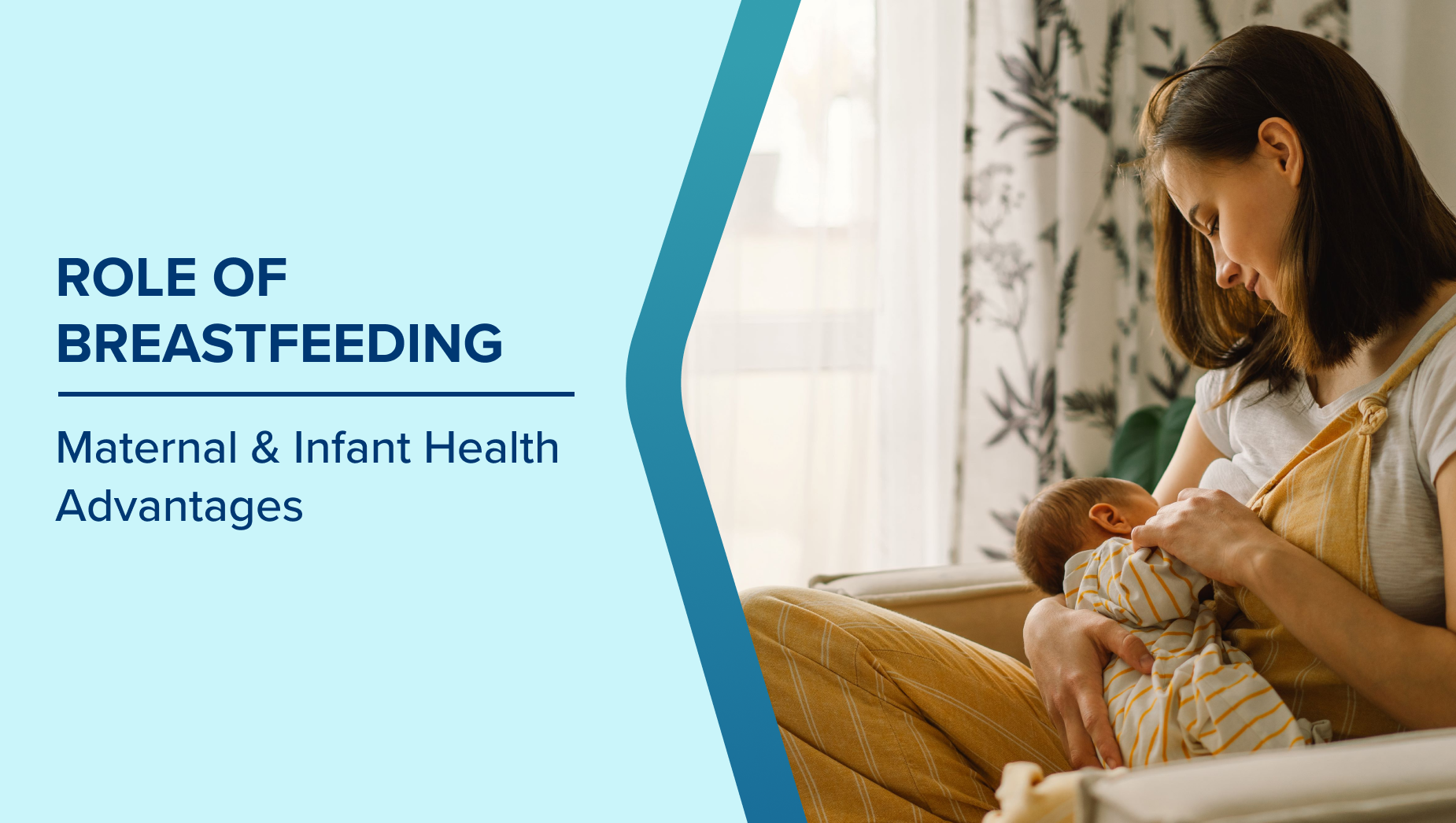
Breastfeeding is one of the most natural and essential aspects of early life and maternal care. More than just a method of feeding, it is a fundamental building block of lifelong health and development for both infants and mothers.
While formula feeding has its place in specific medical scenarios, no manufactured substitute replicates the complexity of breast milk. Understanding its importance is essential for building healthier communities.
Why Breastfeeding Is Essential
Breast milk contains a precise balance of nutrients, antibodies, enzymes, and hormones that cannot be replicated by formula. It acts as a child’s first vaccine, offering protection against many common infections.
The importance of breastfeeding extends far beyond food. It is a vital practice that shapes both short-term and long-term health outcomes for infants and mothers alike.
Benefits for Infants
For babies, breastfeeding offers complete nutrition, strong immune defense, and support for healthy growth. These early health advantages can last a lifetime.
Nutritional Perfection
Breast milk is specifically designed to meet a newborn’s nutritional needs. It changes in composition from day to day, even hour to hour, adjusting to the baby’s developmental stage. The colostrum produced in the early days is rich in protein and antibodies, preparing the newborn’s digestive system and offering protection from disease.
Stronger Immunity
Breastfed babies are generally better protected against illnesses such as respiratory infections, ear infections, diarrhoea, and even chronic conditions like asthma and obesity. Antibodies and bioactive molecules in breast milk help strengthen the baby’s immune system and support the development of healthy gut flora.
Cognitive and Emotional Development
Studies have shown a correlation between breastfeeding and higher IQ scores, improved motor development, and better emotional bonding. The act of breastfeeding fosters close physical and emotional interaction, which contributes to a secure attachment between mother and child.
Benefits for Mothers
Mothers also experience significant health and emotional benefits from breastfeeding. These effects often extend well beyond the breastfeeding period.
Supports Postpartum Recovery
Breastfeeding stimulates the release of oxytocin, a hormone that assists the uterus to contract and return to its pre-pregnancy size and shape. This process often leads to reduced postpartum bleeding. Moreover, because breastfeeding increases calorie expenditure, it may help mothers lose pregnancy weight more steadily.
Reduces Health Risks
The risk of developing breast and ovarian cancers, postpartum depression, and type 2 diabetes is reduced in breastfeeding women. The hormonal changes that occur during breastfeeding provide protective effects that can last well beyond the breastfeeding period.
Strengthens Maternal Bonding
Breastfeeding encourages skin-to-skin contact, which plays a critical role in bonding. The release of hormones like prolactin and oxytocin during nursing helps create a sense of calm and emotional connection between mother and baby.
Exclusive Breastfeeding: The First Six Months
Exclusive breastfeeding means that for the first six months, the infant receives only breast milk and no other foods or liquids, not even water. This practice provides all the necessary nutrients and hydration the baby needs during this period. It also plays a crucial role in protecting infants from malnutrition and infectious diseases, particularly in areas where access to clean water is limited.
Despite the clear benefits, exclusive breastfeeding rates remain low in many regions globally due to misinformation, cultural barriers, or lack of support. Addressing these issues through education and policy can significantly improve breastfeeding outcomes.
Breastfeeding Beyond Six Months
While exclusive breastfeeding is recommended for the first six months, continuing to breastfeed along with complementary foods up to two years of age or beyond offers additional health benefits. Breast milk continues to provide valuable nutrients and immune protection even after the introduction of solid foods.
Prolonged breastfeeding is associated with better health outcomes for children, including reduced risk of infections and improved brain development. For mothers, it continues to offer emotional satisfaction and ongoing health protection.
The Role of Support Systems
Support plays a critical role in breastfeeding success. Healthcare providers, lactation consultants, peer groups, and family members all contribute to a mother’s confidence and capability to breastfeed.
Access to maternity leave, flexible work arrangements, and designated lactation spaces can make a significant difference for working mothers.
Education is equally important. Prenatal classes and postnatal counselling help new mothers understand the benefits of breastfeeding, proper techniques, and how to manage difficulties. Community awareness also fosters an environment where breastfeeding is respected and protected.
Conclusion
Breastfeeding goes beyond being a personal or lifestyle decision; it is a critical public health priority. Extensive research demonstrates that breastfeeding delivers substantial, long-lasting benefits for infants and mothers alike, positively impacting physical, emotional, and cognitive development. As a society, it is a collective responsibility to protect, promote, and support breastfeeding through healthcare policies, education, and cultural acceptance.
By prioritising breastfeeding, we can give children a healthier foundation and promote better health outcomes for mothers. These collective improvements contribute to more robust, resilient, and thriving communities.
Frequently Asked Questions
Can a mother continue breastfeeding if she is sick?
Yes, in most cases, mothers can and should continue breastfeeding when they are ill. Most common illnesses, such as colds, flu, or infections, are not transmitted through breast milk. In fact, the mother's body produces antibodies that are passed on to the baby, helping strengthen the baby’s immune system.
Is it possible to breastfeed after a C-section?
Yes, mothers who have had a cesarean delivery can breastfeed just as successfully as those who deliver vaginally. While it may require additional time to find comfortable nursing positions and initiate feeding due to pain or fatigue, breastfeeding is entirely achievable with the right support and guidance.
What should a breastfeeding mother eat to maintain milk quality?
A well-balanced diet including whole grains, lean proteins, fruits, vegetables, and healthy fats is recommended for breastfeeding mothers. While the nutritional content of breast milk remains relatively stable, maintaining a healthy diet is essential for the mother's own strength, energy, and nutrient reserves. Adequate hydration also supports optimal milk production and overall well-being.
Can breastfeeding mothers take medications?
Many medications are considered safe to take while breastfeeding, but some can pass into breast milk and potentially impact the baby. Always consult a healthcare provider before starting any new medication. These may include over-the-counter drugs and herbal supplements, to ensure they are appropriate for breastfeeding mothers.
What if the baby refuses to breastfeed?
Babies may refuse the breast for various reasons, such as illness, changes in routine, or teething discomfort. It’s important to stay calm and try to identify the cause. Offering skin-to-skin contact, switching positions, or feeding when the baby is sleepy can help. A lactation consultant can provide additional guidance if needed.
How long should a breastfeeding session last?
There’s no fixed duration; it varies based on the baby’s age, appetite, and feeding pattern. Newborns may nurse for 20–45 minutes, while older babies may feed more efficiently and finish in 5–15 minutes. It's best to allow the baby to set the pace and feed until satisfied.
Can mothers breastfeed while pregnant with another baby?
Yes, many women continue to breastfeed while pregnant. As long as the pregnancy is progressing normally and the mother is healthy, it is generally safe. However, it’s important to consult a healthcare provider, especially if there are any complications or concerns about preterm labor.
Written and Verified by:

Related Blogs


Dr. Pradeep Chowbey In Laparoscopic / Minimal Access Surgery
Nov 16 , 2020 | 1 min read
Blogs by Doctor

Gestational Diabetes: Understanding the Basics
Dr. Ankita Singh In Obstetrics And Gynaecology
Nov 23 , 2017 | 2 min read

Gestational Diabetes: Understanding the Basics
Dr. Ankita Singh In Obstetrics And Gynaecology
Nov 28 , 2020 | 2 min read
Most read Blogs


Related Blogs
Dr. Pradeep Chowbey In Laparoscopic / Minimal Access Surgery
Nov 16 , 2020 | 1 min read
Blogs by Doctor
Gestational Diabetes: Understanding the Basics
Dr. Ankita Singh In Obstetrics And Gynaecology
Nov 23 , 2017 | 2 min read
Gestational Diabetes: Understanding the Basics
Dr. Ankita Singh In Obstetrics And Gynaecology
Nov 28 , 2020 | 2 min read
Most read Blogs