 WhatsApp Us (24/7)
 +91 926 888 0303 (24/7)


To Book an Appointment
Call Us+91 926 888 0303Has Your Doctor Recommended a DXA Scan? Here’s Everything You Need to Know
By Medical Expert Team
Sep 02 , 2025 | 8 min read
1

Frequent back pain, a fracture from a low-impact injury, or a poor posture - signs like these may point towards the possibility of weakened bones. In such cases, doctors may recommend a DXA scan to assess the patient’s bone density and check for early signs of bone loss or osteoporosis. Even without obvious symptoms, certain health conditions or risk factors may prompt the need for a DXA scan. If you’ve been advised to get one, it’s natural to have questions about what it involves and why it’s important. This blog takes a closer look at when a DXA scan is recommended, what the procedure includes, and what the results mean. Let’s start with a brief explanation of the DXA scan and its role in assessing bone health.
What is a DXA Scan?
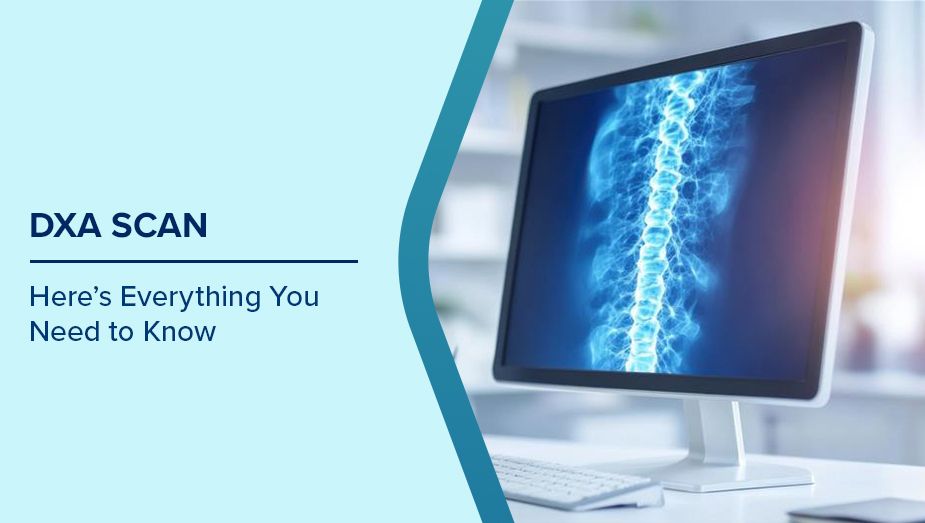
A DXA scan (Dual-Energy X-ray Absorptiometry) is a specialised imaging test used to measure bone mineral density. It is a widely used, non-invasive method to assess bone strength and evaluate the risk of fractures and bone-related problems. The scan works by using two low-dose X-ray beams at different energy levels to produce detailed images of the bones, typically focusing on the spine, hips, and sometimes the forearm. The procedure is quick, painless, and requires no special preparation. Results from a DXA scan provide valuable insight into bone health and are used to detect changes in bone density over time.
When is a DXA Scan Usually Recommended?
A DXA scan is typically advised when there is concern about bone loss, increased fracture risk, or conditions that may affect bone metabolism. Below are the most common situations where a doctor may recommend this test:
Unexplained or Low-Impact Fractures
Fractures that occur with minimal force, such as a fall from standing height, can be an early sign of weakened bones. A DXA scan is often recommended in such cases to assess bone density and determine the need for treatment or preventive measures.
Postmenopausal Women and Older Adults
Bone loss accelerates after menopause, making women more prone to osteoporosis. Routine screening is usually recommended for women over 65 and men over 70, even without symptoms. Those with additional risk factors may be advised to undergo the scan earlier.
Long-Term Use of Steroids
Prolonged use of corticosteroids can lead to a reduction in bone strength over time. Individuals taking these medications regularly for three months or longer are generally advised to have periodic DXA scans to monitor bone health.
Chronic Health Conditions That Affect Bones
Certain medical conditions can interfere with normal bone maintenance or increase the rate of bone loss. These include rheumatoid arthritis, thyroid disorders, chronic kidney disease, coeliac disease, and type 1 diabetes. A DXA scan may be recommended as part of routine monitoring in such cases.
Noticeable Changes in Height or Posture
A gradual reduction in height or the development of a stooped posture may indicate vertebral compression fractures. These subtle signs often prompt further evaluation with a DXA scan, particularly in older adults.
Family History of Osteoporosis
A family history of osteoporosis or fragility fractures, especially in close relatives, increases the likelihood of developing bone loss. A DXA scan may be advised even in the absence of symptoms, based on this inherited risk.
Monitoring Treatment Progress
For those already receiving treatment for low bone density or osteoporosis, DXA scans are used to track the effectiveness of therapy. Repeat scans help evaluate changes in bone mass over time and guide further care.
General Risk Assessment
Doctors may also recommend a DXA scan based on a combination of risk factors, such as low body weight, smoking, lack of physical activity, or inadequate calcium and vitamin D intake. In these cases, the scan helps assess overall bone health before symptoms appear.
Read More:- What Can You Do For Building Stronger Bones?
What to Expect When Getting a DXA Scan?
Before the Scan
Patients are usually advised to wear comfortable, loose clothing without zippers, hooks, or metal buttons. Metal objects can interfere with the accuracy of the scan, so jewellery, belts, and wallets should also be removed. In most cases, a hospital gown may be provided.
Calcium supplements should be avoided for at least 24 hours before the test unless the doctor advises otherwise. It’s also important to inform the medical team about any recent tests involving contrast dyes such as barium or iodine, as these substances can affect the results. Anyone who may be pregnant should inform the technician in advance so appropriate precautions can be taken.
During the Scan
The DXA scan is quick and painless, typically taking between 10 to 20 minutes. The patient lies flat on a padded table while a scanning arm moves over specific areas, usually the lower spine and hips. There are no injections or discomfort involved. Patients can breathe normally but need to remain still to ensure clear and accurate images.
The scan takes place in an open room and does not feel enclosed or claustrophobic. As soon as the scan is completed, patients can get up and carry on with their usual daily activities without needing any recovery time.
What Do DXA Scan Results Mean?
DXA scan results are usually given as T-scores and Z-scores, which help assess bone strength.
The T-score compares the patient’s bone density with that of a healthy young adult of the same sex. A T-score of –1.0 and above is considered normal. A score between –1.0 and –2.5 suggests low bone density (osteopenia), and a score of –2.5 or lower indicates osteoporosis.
The Z-score compares bone density with others of the same age, sex, and body size. A Z-score below –2.0 may prompt doctors to look for other underlying causes of bone loss.
These scores help doctors decide the next steps, such as starting treatment, making lifestyle changes, or repeating the scan after a period of time to monitor bone health. The results should always be discussed with a doctor, who will interpret them in the context of age, health history, and any risk factors.
Read More:- Are you suffering from weak bones?
Are There Any Risks or Side Effects?
A DXA scan is a very safe procedure. It uses a low dose of X-rays, much less than a standard chest X-ray, which means the radiation exposure is minimal. The test is quick, painless, and does not require any injections or contrast dyes.
There are usually no side effects after the scan. Most people can return to their regular activities right away. However, this scan is not recommended during pregnancy due to the small amount of radiation involved. Always inform the doctor or technician if there is any chance of being pregnant.
Overall, DXA scans are considered safe for regular use, even in older adults or those with health conditions.
Consult Today
If there are concerns about bone loss, delayed healing after fractures, or conditions that may affect bone strength, a DXA scan can provide important clinical insight. For further guidance, consult an endocrinologist at Max Hospital, who can assess your condition and recommend appropriate next steps based on your scan results.
Frequently Asked Questions
Is a DXA scan painful or uncomfortable?
No, the procedure is completely painless. A DXA scan is non-invasive and does not involve needles or injections. The patient lies still on a padded table while a scanning arm moves over the body. The scan itself is quiet, and most people find it comfortable. The entire process typically takes 15 to 30 minutes.
How long does it take to get the results of a DXA scan?
Results are usually ready within a few days, depending on the facility. A radiologist or specialist interprets the scan and generates a report that includes your T-score and Z-score, which reflect your bone density compared to standard values. Based on these scores, a doctor will decide whether treatment or further evaluation is needed.
Can I eat or drink before a DXA scan?
Yes, patients can generally eat and drink normally before a DXA scan. However, it is advised to avoid calcium supplements for at least 24 hours before the test, as they may interfere with the accuracy of the results. It’s also best to inform the technician of any recent imaging tests that used contrast material or barium, as these can affect scan quality.
Will I need a follow-up scan later?
Follow-up scans are often recommended for monitoring purposes. If a patient is undergoing treatment for low bone density or has risk factors like age, menopause, or certain medical conditions, a repeat DXA scan may be scheduled every one to two years. This helps track progress and determine if treatment is working.
Is the DXA scan suitable for men too?
Yes, DXA scans are appropriate for both men and women. Although osteoporosis is more commonly associated with women, men can also experience bone loss, especially with advancing age, low testosterone, long-term use of certain medications, or chronic illnesses. Doctors may recommend the scan based on risk factors rather than gender alone.
Can a DXA scan detect other health problems besides bone density?
While the primary purpose of a DXA scan is to assess bone mineral density, some machines can also be used to analyse body composition. This includes measuring fat mass, lean muscle mass, and distribution patterns. Such data can be useful in managing conditions like obesity, sarcopenia (muscle loss), or metabolic disorders, but this extended analysis must be specifically requested.
How accurate is a DXA scan?
A DXA scan is the most reliable and widely used method for measuring bone mineral density. It has a high degree of accuracy and reproducibility, especially when done on the same machine and interpreted by trained professionals. Factors like the technician’s expertise, machine calibration, and the patient’s position during the scan can affect the results, so it’s important to get the test done at a trusted facility.
Can I have a DXA scan if I have a metal implant or joint replacement?
Yes, but the presence of metal near the scanning area may interfere with the accuracy of the results. If you have a hip or spine implant, the technician may scan a different area, such as the forearm, to ensure accurate readings. It’s important to inform the facility in advance about any metal implants or prosthetics.
Related Blogs


Dr. Ashish Jain In Orthopaedics & Joint Replacement
Nov 07 , 2020 | 1 min read
Most read Blogs


Related Blogs
Dr. Ashish Jain In Orthopaedics & Joint Replacement
Nov 07 , 2020 | 1 min read
Most read Blogs