 WhatsApp Us (24/7)
 +91 926 888 0303 (24/7)


To Book an Appointment
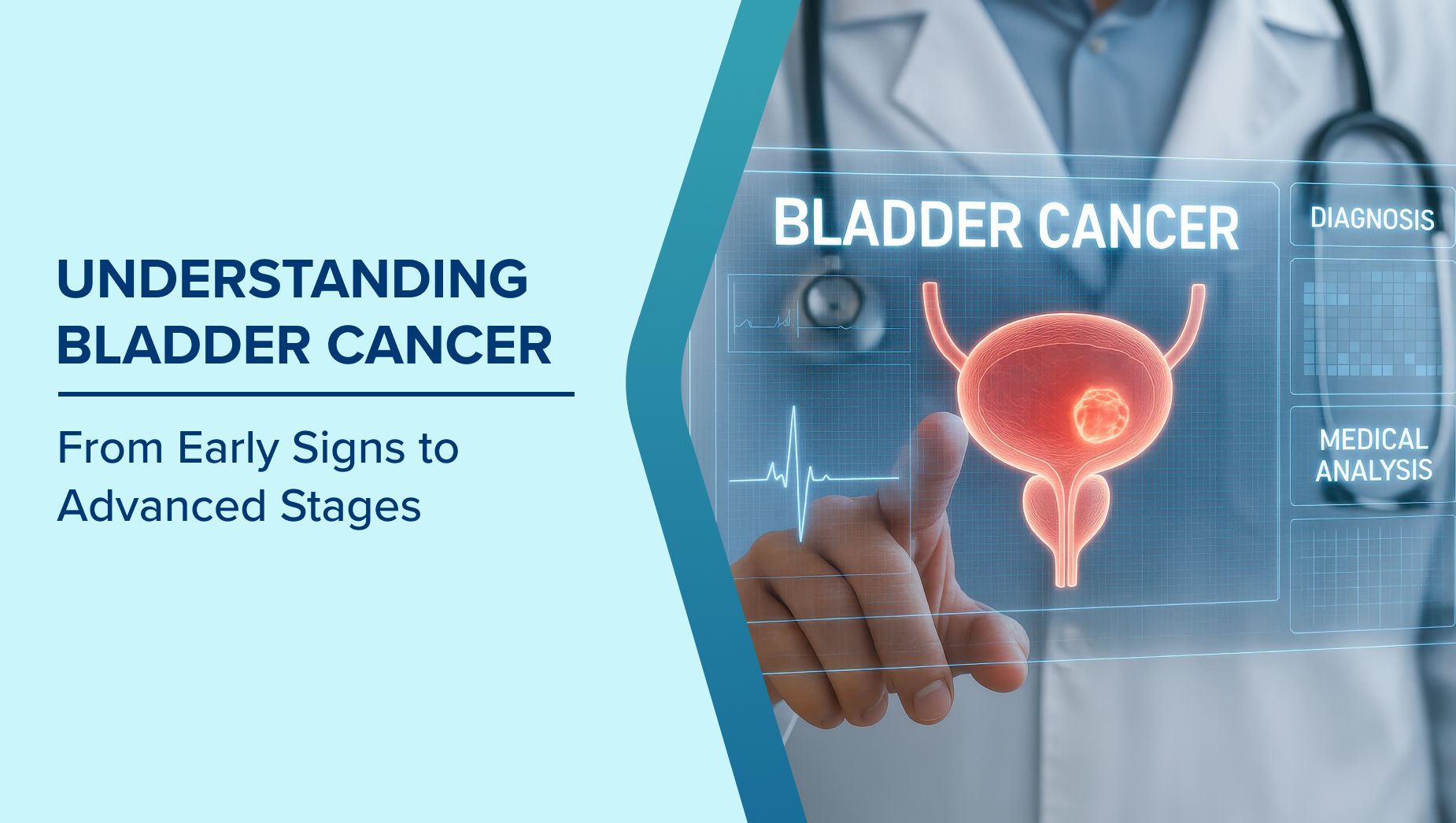
Call Us+91 926 888 0303Understanding Bladder Cancer: From Early Signs to Advanced Stages
By Dr. Amit Goel in Urology , Kidney Transplant , Uro-Oncology
Jan 05 , 2026 | 4 min read

Bladder cancer affects many individuals each year. While it is often discussed less than other cancers, understanding its symptoms, progression, and treatment options is essential for timely diagnosis and proper care.
Awareness can make the difference between timely intervention and advanced disease. Recognising changes in urinary habits or unusual symptoms can empower individuals to seek medical care promptly and protect their long-term health.
What is Bladder Cancer?
Bladder cancer develops when abnormal cells in the bladder start multiplying uncontrollably, leading to tumour formation. The bladder, a muscular and hollow organ, stores urine produced by the kidneys. The inner bladder lining, called the urothelium, is where most tumours form before spreading deeper when not treated promptly.
Bladder cancer can be classified broadly as:
- Non-muscle-invasive: Tumours are confined to the bladder lining.
- Muscle-invasive: Cancer cells penetrate deeper into the bladder wall and may spread to nearby tissues.
Understanding the type and stage of bladder cancer helps doctors plan the most effective treatment.
Early Signs and Symptoms
Detecting bladder cancer at an early stage greatly increases the chances of successful treatment. Some common warning signs include:
- Blood in urine (haematuria): Often painless and may appear as pink, red, or brown urine.
- Frequent urination: An increased need to urinate, sometimes at night.
- Urgency: An urgent and uncontrollable need to urinate that feels hard to manage or delay.
- Pain or burning sensation: Discomfort during urination may occur.
- Lower back or pelvic pain: Occasionally, pain may be felt in the lower abdomen or back.
Subtle changes, such as mild discomfort or minor urinary irregularities, should not be ignored. Early medical evaluation is crucial to confirm or exclude serious health concerns.
Advanced Stages of Bladder Cancer
In advanced stages, bladder cancer often moves beyond the bladder lining, affecting nearby structures, lymph nodes, or distant organs. Signs of advanced disease may include:
- Persistent pelvic or abdominal pain.
- Difficulty urinating or urinary obstruction.
- Swelling in the legs due to lymph node involvement.
- Unexplained weight loss and fatigue.
- Blood in urine that is more noticeable or accompanied by clots.
Advanced bladder cancer requires comprehensive management to address both the primary tumour and its effects on surrounding tissues.
Risk Factors and Causes
Certain factors increase the likelihood of developing bladder cancer:
- Smoking: Smoking significantly raises the risk of bladder cancer. This includes cigarettes, cigars, pipes, and exposure to secondhand smoke.
- Chemical exposure: Regular contact with chemicals used in dyes, rubber, leather, paint, textiles, and hairdressing supplies can increase susceptibility.
- Certain chemotherapy drugs: Some medications used in cancer treatment can elevate the risk of developing bladder cancer later on.
- Frequent bladder infections or stones: Chronic urinary tract infections or bladder stones may increase the chance of certain types of bladder cancer.
- Long-term catheter use: Prolonged need for a urinary catheter can raise the risk of bladder-related cancers, particularly squamous cell carcinoma.
Diagnosis of Bladder Cancer
Identifying the condition quickly and accurately is important for treatment success. Usual diagnostic steps include:
- Urine tests: Checking for blood, abnormal cells, or tumour markers in the urine.
- Cystoscopy: A diagnostic process where a thin, flexible tube containing a camera is used to check the bladder for abnormalities.
- Imaging: Ultrasound, CT, or MRI scans provide detailed information on tumour size and location.
- Biopsy: Tissue sampling confirms the presence of cancer cells and helps determine aggressiveness.
Healthcare professionals combine these tools with patient history and symptoms to ensure accurate diagnosis.
Treatment Options
Treatment for bladder cancer depends on the stage, location, and overall health of the patient. Common options include:
- Surgery: Removes the tumour or the affected part of the bladder. Early-stage cases may require limited removal, while advanced stages might involve bladder reconstruction.
- Chemotherapy: Uses powerful drugs to destroy cancer cells throughout the body, either before surgery to shrink tumours or after to prevent recurrence.
- Immunotherapy: Helps the body’s immune system identify and attack cancer cells more effectively, reducing the risk of cancer progression or return.
- Radiation therapy: Delivers high-energy rays to the target and destroys cancer cells, often used with surgery or chemotherapy for better outcomes.
- Targeted therapy: Employs specialised drugs that precisely attack cancer cell molecules, limiting damage to healthy tissues and improving treatment response.
Treatment plans are personalised, often combining multiple approaches to achieve the best outcomes.
Lifestyle and Supportive Care
Managing bladder cancer extends beyond medical treatment. Patients benefit from:
- Hydration: Drinking sufficient water supports urinary health and aids recovery.
- Balanced diet: Nutritious meals strengthen the immune system and promote healing.
- Managing side effects: Attention to fatigue, nausea, or urinary discomfort can improve quality of life.
- Emotional support: Counseling, support groups, and family involvement help cope with stress and anxiety.
Prevention and Regular Screening
Early detection is a cornerstone of bladder cancer care. Preventive measures include:
- Avoiding tobacco products.
- Limiting exposure to harmful chemicals.
- Regular medical check-ups, especially for those with risk factors.
- Being alert to changes in urinary habits and seeking prompt consultation.
Routine screenings, particularly for high-risk individuals, enable timely intervention and improved outcomes.
Conclusion
Bladder cancer, when detected early, can be managed effectively, often leading to better survival and quality of life. Recognising early signs, understanding risk factors, and maintaining regular health check-ups are essential steps in protecting urinary health. Patients are encouraged to consult a healthcare provider promptly if any warning signs appear and to adopt lifestyle practices that support bladder function and overall well-being.
Frequently Asked Questions
Can diet influence bladder cancer risk?
A balanced diet with plenty of fruits, vegetables, and hydration supports urinary health and may reduce overall risk.
Is bladder cancer hereditary?
While most cases are not inherited, a family history of urinary or related cancers can increase susceptibility.
Can bladder cancer affect kidney function?
Advanced bladder cancer may obstruct urine flow, potentially impacting kidney function if untreated.
Are minimally invasive surgeries available for bladder cancer?
Yes, some early-stage tumours can be removed using minimally invasive techniques, which reduce recovery time.
How important is follow-up after treatment?
Regular follow-up is essential to monitor for recurrence and manage any long-term effects on urinary function.
Written and Verified by:

Related Blogs

Dr. Anant Kumar In Urology , Kidney Transplant , Uro-Oncology
Nov 08 , 2020 | 8 min read

Dr. Shailendra Kumar Goel In Urology , Kidney Transplant , Uro-Oncology
Nov 08 , 2020 | 4 min read
Blogs by Doctor

Prostate Cancer Myths and Facts - Types, Symptoms, Risk Factors & Treatment Options
Jan 08 , 2024 | 6 min read

Kidney Transplant: A Hope for End-Stage Renal Disease (ESRD)
Dr. Amit Goel In Kidney Transplant
Jan 09 , 2024 | 4 min read
Most read Blogs


Related Blogs
Dr. Anant Kumar In Urology , Kidney Transplant , Uro-Oncology
Nov 08 , 2020 | 8 min read
Dr. Shailendra Kumar Goel In Urology , Kidney Transplant , Uro-Oncology
Nov 08 , 2020 | 4 min read
Blogs by Doctor
Prostate Cancer Myths and Facts - Types, Symptoms, Risk Factors & Treatment Options
Jan 08 , 2024 | 6 min read
Kidney Transplant: A Hope for End-Stage Renal Disease (ESRD)
Dr. Amit Goel In Kidney Transplant
Jan 09 , 2024 | 4 min read
Most read Blogs