 WhatsApp Us (24/7)
 +91 926 888 0303 (24/7)


To Book an Appointment
Call Us+91 926 888 0303Arthritis in Young Adults: Why its No Longer Considered an ‘Ageing Disease’
By Dr. Deepak Raina in Orthopaedics & Joint Replacement , Arthroscopy & Sports Injury
Oct 14 , 2025 | 4 min read

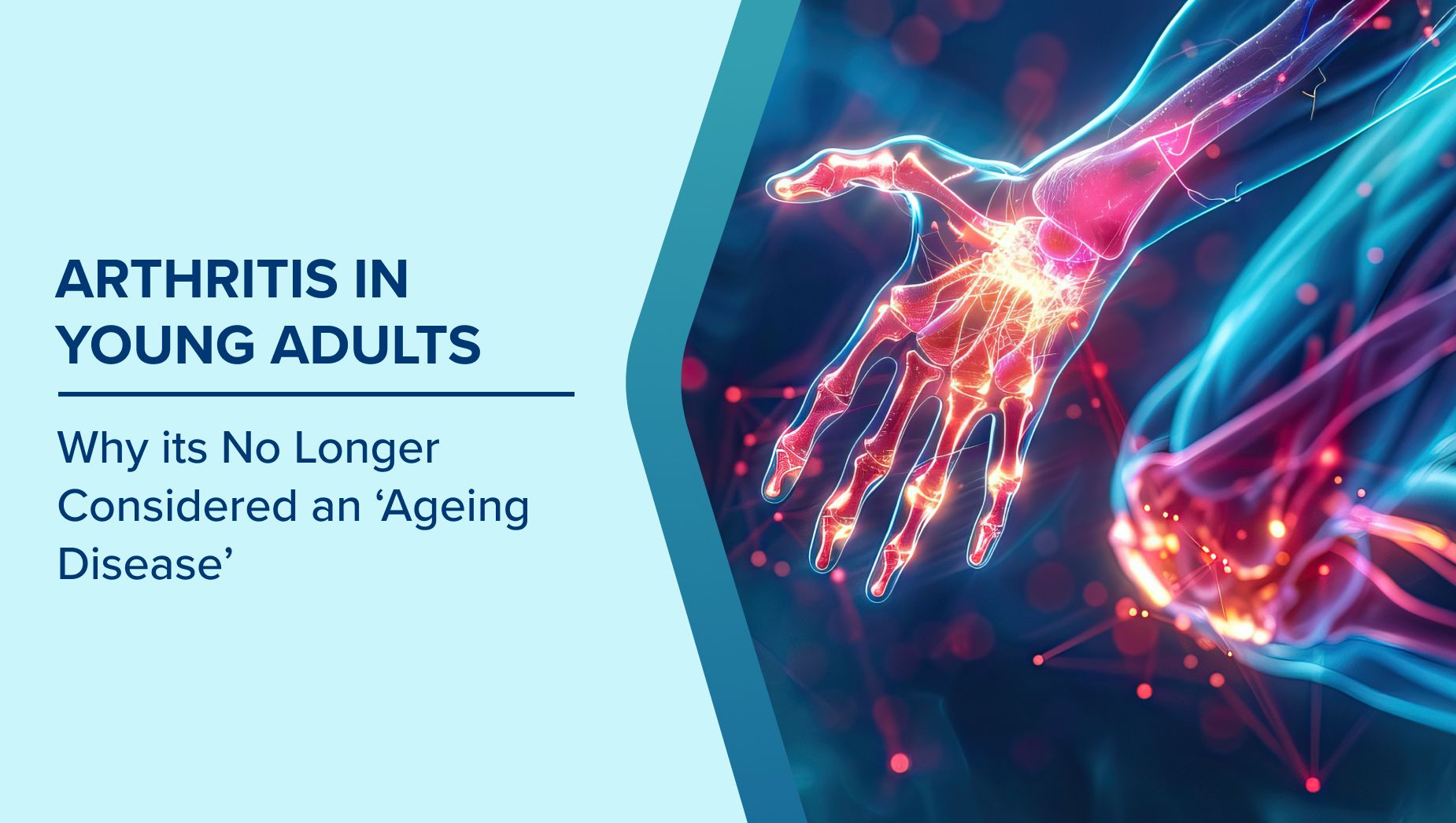
When most people think of arthritis, images of elderly individuals with stiff, aching joints come to mind. However, this perception is changing. Increasingly, young adults in their 20s, 30s, and early 40s are experiencing arthritis, challenging the long-held belief that joint disease only affects the elderly.
Recognising arthritis in younger populations is vital for early intervention, preserving mobility, and maintaining a fulfilling lifestyle. Understanding the causes, symptoms, and management options empowers young adults to take control of their joint health before minor discomfort escalates into chronic pain.
Arthritis Beyond Years: What Triggers Early-Onset Disease
Arthritis in young adults can be triggered by several factors. Unlike age-related wear and tear, early-onset arthritis often stems from autoimmune conditions, injuries, or genetic predispositions. Key triggers include:
- Autoimmune responses: Some forms of arthritis occur when the immune system mistakenly attacks joint tissues, leading to inflammation and pain.
- Genetic factors: A family history of arthritis or autoimmune conditions can increase susceptibility at a younger age.
- Joint injuries: Past fractures, ligament tears, or repetitive strain can predispose joints to inflammatory or degenerative changes.
- Lifestyle factors: Sedentary routines, poor posture, high-impact activities, or prolonged stress may contribute to joint discomfort.
Recognising these triggers early helps in taking preventive or management measures to protect joint health.
Kinds of Arthritis Seen in Young Adults
Arthritis is not a single disease but a collection of conditions that affect the joints differently. Young adults may encounter specific types, distinct from juvenile arthritis in children:
- Early Rheumatoid Arthritis: Autoimmune inflammation primarily affecting the hands and feet, leading to swelling, stiffness, and fatigue.
- Psoriatic Arthritis: Associated with skin conditions such as psoriasis, this type can affect fingers, toes, and larger joints.
- Seronegative Spondyloarthropathies: Includes conditions like ankylosing spondylitis, often causing back stiffness and pain.
- Lupus-Associated Arthritis: Joint inflammation occurring as part of systemic lupus erythematosus, often accompanied by fatigue and skin manifestations.
- Osteoarthritis in Young Adults: Though typically age-related, early-onset osteoarthritis can develop following injuries or repeated joint stress.
Awareness of these types ensures timely diagnosis and personalised management.
Symptoms That Young Adults Often Miss
Early arthritis symptoms in young adults are often subtle and may be dismissed as fatigue, overexertion, or stress. Warning signs to watch for include:
- Persistent joint stiffness, especially in the morning
- Swelling, redness, or warmth around joints
- Unexplained fatigue and low energy
- Pain flares after minor activity
- Reduced range of motion or difficulty performing routine tasks
Prompt attention to these signs can prevent progression and reduce long-term joint damage.
Challenges Unique to Young Adults with Arthritis
Living with arthritis at a young age presents distinct challenges that differ from those of older adults:
- Career impact: Pain and stiffness may affect performance, attendance, or the ability to work in physically demanding roles.
- Family planning: Decisions about pregnancy or parenting may require careful management of medications and physical activity.
- Social life: Joint discomfort can limit recreational activities, sports, and social gatherings, affecting overall well-being.
- Mental health: Coping with a chronic condition at a young age may lead to stress, anxiety, or depression.
Recognising these challenges early encourages tailored strategies for maintaining both physical and emotional health.
Modern Approaches to Management for Younger Patients
Advancements in arthritis care offer effective solutions for young adults:
- Medication tailored to lifestyle: Anti-inflammatory medications and disease-modifying agents help control inflammation while enabling an active life.
- Physical therapy and joint preservation: Exercises designed to maintain flexibility, strength, and balance reduce stress on joints.
- Minimally invasive interventions: In some cases, targeted procedures can address joint issues without major surgery.
- Digital health tools: Apps and wearable devices track symptoms, monitor activity, and provide reminders for medication or exercise.
A proactive management plan supports independence and maintains quality of life.
Lifestyle Habits That Support Joint Health Early On
Alongside medical care, lifestyle choices can significantly influence arthritis outcomes:
- Strength training: Building muscle around joints provides support and reduces strain.
- Low-impact aerobic activity: Walking, swimming, or cycling promotes circulation and joint mobility without excess stress.
- Anti-inflammatory nutrition: Incorporating fruits, vegetables, whole grains, and omega-3-rich foods supports joint health.
- Posture and ergonomics: Maintaining proper posture and ergonomic workspaces prevents unnecessary joint strain.
- Stress management: Yoga, mindfulness, or meditation can help regulate inflammation and support mental well-being.
Consistency in these habits enhances treatment effectiveness and slows disease progression.
Breaking Myths Around Young-Onset Arthritis
Several misconceptions can prevent young adults from seeking care:
- Myth: Arthritis only affects the elderly. Reality: Early-onset arthritis is increasingly recognised in younger adults.
- Myth: Exercise worsens arthritis. Reality: Properly guided activity strengthens joints and reduces pain.
- Myth: Arthritis limits career or parenthood options. Reality: With proactive management, young adults can pursue work, family, and hobbies fully.
Educating oneself and others promotes early diagnosis and removes unnecessary stigma.
Conclusion
Arthritis is no longer just an “ageing disease.” Young adults are increasingly encountering joint pain, stiffness, and inflammation that require attention and management. Early recognition, proactive treatment, lifestyle modifications, and mental health support can help maintain mobility, independence, and quality of life. By challenging myths, staying informed, and consulting specialists, young adults can live actively while managing arthritis effectively.
Frequently Asked Questions
Can arthritis in young adults affect career choices?
Yes, joint pain may influence the type of work or daily responsibilities, but proper management allows most people to maintain active careers.
Do pregnancy or parenthood complicate arthritis management in younger patients?
Certain medications may need adjustment, and joint care becomes crucial, but most young adults can manage arthritis safely while planning a family.
Are there signs in family history one should watch for?
A family history of autoimmune or inflammatory joint conditions may increase risk, prompting early monitoring for symptoms.
How does arthritis affect participation in sports or high-activity hobbies?
With guidance, low-impact activities and joint-friendly modifications allow continued participation without worsening symptoms.
Do workplace ergonomics play a bigger role for young adults with arthritis?
Yes, maintaining a supportive posture, using ergonomic furniture, and taking regular breaks can reduce strain and protect joint health.
Can early intervention slow the progression of arthritis in young adults?
Timely diagnosis and treatment can manage inflammation, preserve joint function, and improve long-term outcomes.
Written and Verified by:

Related Blogs


Dr. Ashish Jain In Orthopaedics & Joint Replacement
Nov 07 , 2020 | 1 min read
Blogs by Doctor


Protect Joints in Winter: Tips for Pain-Free Movement
Dr. Deepak Raina In Orthopaedics & Joint Replacement , Arthroscopy & Sports Injury
Nov 28 , 2025 | 6 min read
Most read Blogs


Related Blogs
Dr. Ashish Jain In Orthopaedics & Joint Replacement
Nov 07 , 2020 | 1 min read
Blogs by Doctor
Protect Joints in Winter: Tips for Pain-Free Movement
Dr. Deepak Raina In Orthopaedics & Joint Replacement , Arthroscopy & Sports Injury
Nov 28 , 2025 | 6 min read
Most read Blogs