 WhatsApp Us (24/7)
 +91 926 888 0303 (24/7)


To Book an Appointment
Call Us+91 926 888 0303Advanced Hysteroscopy: How It Is Transforming Fertility Care
By Dr. Rakhi Gupta in Obstetrics And Gynaecology , Gynecologic Oncology , Robotic Surgery , Gynaecologic Laparoscopy
Nov 26 , 2025 | 5 min read

For many women, the dream of starting a family can sometimes be delayed by hidden fertility issues that remain undetected for years. Irregular periods, unexplained pain, or repeated pregnancy loss can be signs of subtle uterine problems that interfere with conception.
Fortunately, modern medicine now offers highly precise and minimally invasive ways to uncover and correct these barriers. Among these innovations, advanced hysteroscopy has emerged as a groundbreaking technique that is helping countless women achieve successful pregnancies while preserving their reproductive health.
Understanding Advanced Hysteroscopy
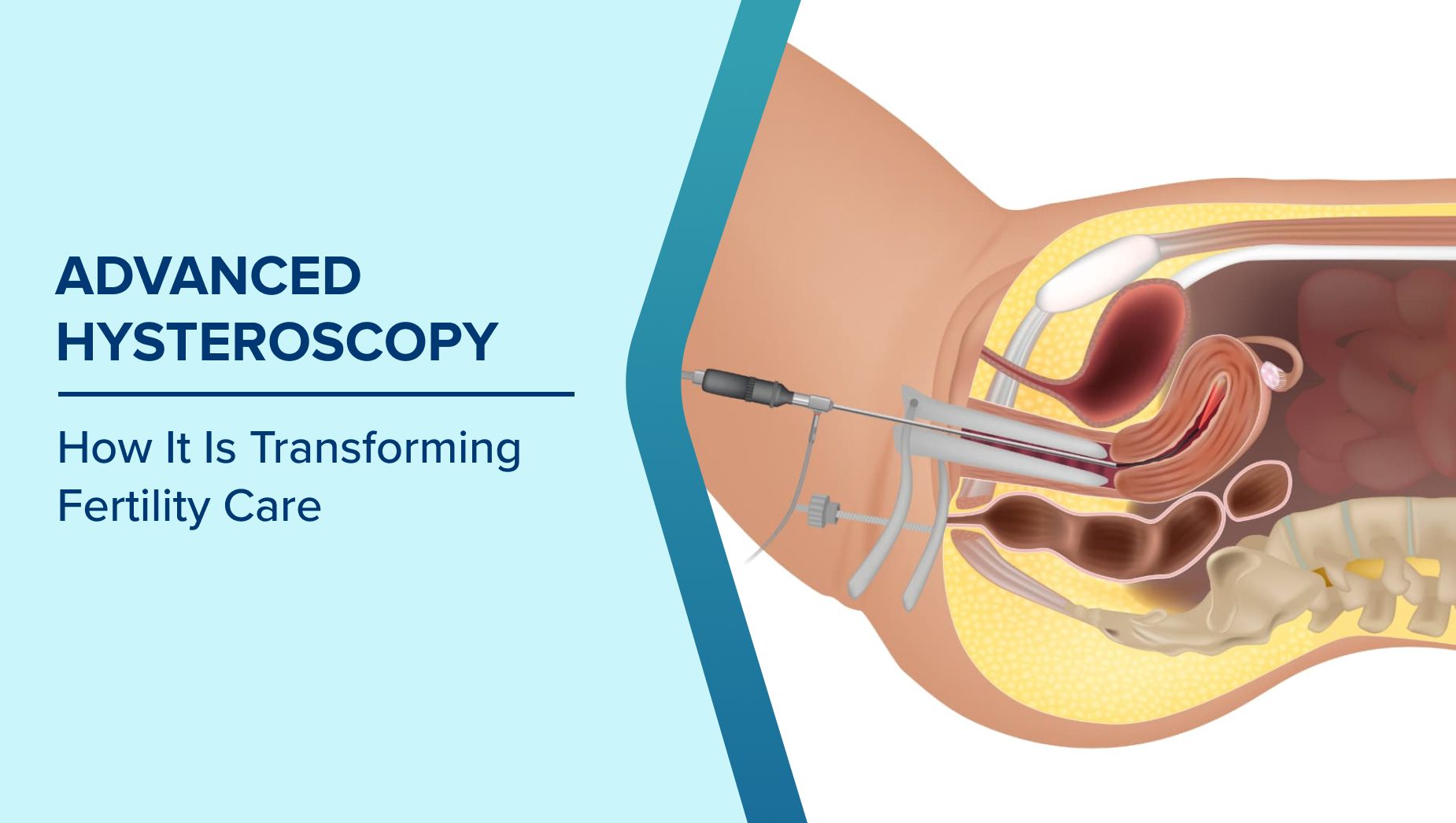
Hysteroscopy is a minimally invasive procedure that enables gynaecologists to view the inner lining of the uterus (endometrium) through a thin, lighted instrument called a hysteroscope. When performed using the latest technology, it is known as advanced hysteroscopy. This modern approach uses high-definition imaging, precise instruments, and improved control systems, which make the procedure safer, faster, and more comfortable.
The main purpose of advanced hysteroscopy is to detect and treat problems that could affect a woman’s fertility. The procedure is usually done through the vagina, without the need for any external cuts or stitches. This reduces discomfort, minimises recovery time, and allows most women to return home the same day.
There are two main types of hysteroscopy:
- Diagnostic hysteroscopy: It is used to examine the uterus and identify abnormalities.
- Operative hysteroscopy: It is performed to correct detected issues, such as fibroids, adhesions, or polyps.
By combining these two capabilities in a single session, advanced hysteroscopy helps ensure that women receive immediate and complete treatment.
Common Uterine Issues Affecting Fertility
The uterus is the foundation for pregnancy, and even small structural irregularities can make conception more difficult. Some of the most common uterine conditions that can impact fertility include:
- Uterine polyps: Small, benign growths on the uterine lining that may interfere with embryo implantation.
- Fibroids (submucosal fibroids): Non-cancerous tumours that can distort the uterine cavity, making it harder for embryos to attach.
- Uterine septum: A congenital wall-like structure dividing the uterus, which can lead to miscarriage or failed implantation.
- Intrauterine adhesions (Asherman’s syndrome): Scar tissue that develops after infection, surgery, or miscarriage, often causing irregular periods or infertility.
- Retained products of conception: Tissue remaining after miscarriage or delivery, which can cause infection or inflammation.
Many of these conditions cannot be detected through ultrasound alone. Advanced hysteroscopy allows direct visualisation and precise removal or correction of such issues, greatly improving reproductive outcomes.
How Advanced Hysteroscopy Improves Fertility Outcomes
Advanced hysteroscopy plays a vital role in enhancing fertility outcomes through several mechanisms:
Restores a healthy uterine environment
By removing fibroids, polyps, or adhesions, hysteroscopy helps create an ideal environment for embryo implantation. A smooth and healthy uterine lining is essential for a successful pregnancy.
Improves the success of IVF and IUI
Before starting fertility treatments such as IVF or IUI, doctors often recommend hysteroscopy to ensure the uterus is free from abnormalities.
Reduces risk of miscarriage
Structural problems within the uterus, such as a septum or adhesions, can lead to repeated miscarriages. Correcting these issues through hysteroscopy significantly lowers the risk of pregnancy loss.
Offers precise and safe correction
Because advanced hysteroscopy is performed under direct vision, the surgeon can operate with great accuracy, reducing the risk of damage to surrounding tissues.
Minimises the need for repeat procedures
Unlike older techniques, modern hysteroscopy often allows both diagnosis and treatment to be completed in one sitting, reducing the need for multiple surgeries.
Benefits of Minimally Invasive Fertility Procedures
- Faster recovery: Most patients can resume their daily activities within one to two days.
- Less pain and discomfort: No large incisions are involved.
- Minimal blood loss: The instruments used are delicate and precise.
- Lower infection risk: Since it is performed through natural body openings, there are fewer chances of infection.
- Short hospital stay: Often performed as a daycare procedure.
Integrating Hysteroscopy with Modern Fertility Treatments
Advanced hysteroscopy complements various fertility treatments by ensuring the uterus is optimally prepared for conception. For women undergoing in vitro fertilisation (IVF), it allows the doctor to confirm that the uterine lining is receptive before embryo transfer. In cases of unexplained infertility, it can uncover hidden issues that may have been missed in imaging scans.
For patients with previous failed IVF cycles or recurrent miscarriages, advanced hysteroscopy can identify subtle abnormalities that hinder implantation. Once treated, the chances of a successful pregnancy improve significantly.
Furthermore, when combined with modern reproductive techniques, hysteroscopy enhances personalisation in fertility care. Doctors can plan precise and targeted treatments based on the patient’s unique uterine anatomy and condition.
When Should Women Consider Advanced Hysteroscopy?
Hysteroscopy is not only for women undergoing IVF. It can benefit anyone with symptoms or conditions that may affect fertility or menstrual health. You should consider consulting your gynaecologist about advanced hysteroscopy if you experience:
- Heavy or irregular menstrual bleeding
- Pain during periods or intercourse
- Difficulty conceiving after a year of trying
- Recurrent miscarriages
- Suspected fibroids, polyps, or uterine septum on imaging
Additionally, women planning pregnancy after uterine surgery or infection may undergo hysteroscopy to ensure the cavity is healthy before conception.
Conclusion
Fertility challenges can be emotionally and physically exhausting, but advanced hysteroscopy brings new hope. By identifying and treating underlying uterine problems with precision and care, it restores balance and health where it matters most. Whether used as a diagnostic tool or part of an integrated fertility plan, it has proven to be a valuable ally in helping women conceive naturally or through assisted methods.
The key is not to delay evaluation. Seeking timely medical advice can make all the difference in achieving a healthy and successful pregnancy. With advanced hysteroscopy, fertility care is no longer just about treatment; it’s about restoring confidence, comfort, and control over your reproductive journey.
FAQs
Can advanced hysteroscopy be performed without anaesthesia?
Yes, in many cases, diagnostic hysteroscopy can be performed under mild sedation or local anaesthesia. Operative procedures may require general anaesthesia for better comfort and precision.
How soon can a woman try to conceive after hysteroscopy?
Most women can try to conceive one or two menstrual cycles after the procedure, once the uterine lining has healed and the doctor confirms readiness.
Is hysteroscopy painful or risky?
Advanced hysteroscopy is generally safe and well-tolerated. Mild cramping or spotting may occur briefly after the procedure, but serious complications are rare.
Does insurance cover advanced hysteroscopy for fertility care?
Many insurance plans now include coverage for diagnostic and therapeutic hysteroscopy, especially when performed for fertility-related reasons. It is best to confirm details with your provider.
What lifestyle measures help after a hysteroscopic procedure?
Maintaining good nutrition, adequate hydration, and gentle physical activity can promote faster healing. Avoiding heavy exercise and intercourse for a short period, as advised by your doctor, supports recovery.
Written and Verified by:

Related Blogs

Dr. Manju Khemani In Obstetrics And Gynaecology
Oct 27 , 2020 | 3 min read

Dr. Neera Aggarwal In Obstetrics And Gynaecology , Nutrition And Dietetics
Nov 07 , 2020 | 7 min read
Blogs by Doctor
Urinary Tract Infections: Signs, Symptoms & How to Prevent UTI in Summer
Dr. Rakhi Gupta In Obstetrics And Gynaecology
Jul 02 , 2025 | 4 min read
Brown Vaginal Discharge: Possible Causes and When to Seek Medical Advice
Dr. Rakhi Gupta In Obstetrics And Gynaecology
Jul 09 , 2025 | 10 min read
Most read Blogs

Related Blogs
Dr. Manju Khemani In Obstetrics And Gynaecology
Oct 27 , 2020 | 3 min read
Dr. Neera Aggarwal In Obstetrics And Gynaecology , Nutrition And Dietetics
Nov 07 , 2020 | 7 min read
Blogs by Doctor
Urinary Tract Infections: Signs, Symptoms & How to Prevent UTI in Summer
Dr. Rakhi Gupta In Obstetrics And Gynaecology
Jul 02 , 2025 | 4 min read
Brown Vaginal Discharge: Possible Causes and When to Seek Medical Advice
Dr. Rakhi Gupta In Obstetrics And Gynaecology
Jul 09 , 2025 | 10 min read
Most read Blogs