 WhatsApp Us (24/7)
 +91 926 888 0303 (24/7)


To Book an Appointment
Call Us+91 926 888 0303ACL Injury: Symptoms, Causes, Diagnosis & Recovery Options
By Dr. Rajesh Bawari in Orthopaedics & Joint Replacement , Arthroscopy & Sports Injury
Jul 09 , 2025 | 4 min read

An ACL injury is a common and painful knee problem, especially among athletes and physically active individuals. But it can happen to anyone, even during daily activities such as walking on uneven ground or climbing stairs. Understanding what an ACL injury is, how it occurs, and what treatment options are available can help facilitate a quicker recovery and long-term knee health.
What is an ACL Injury?
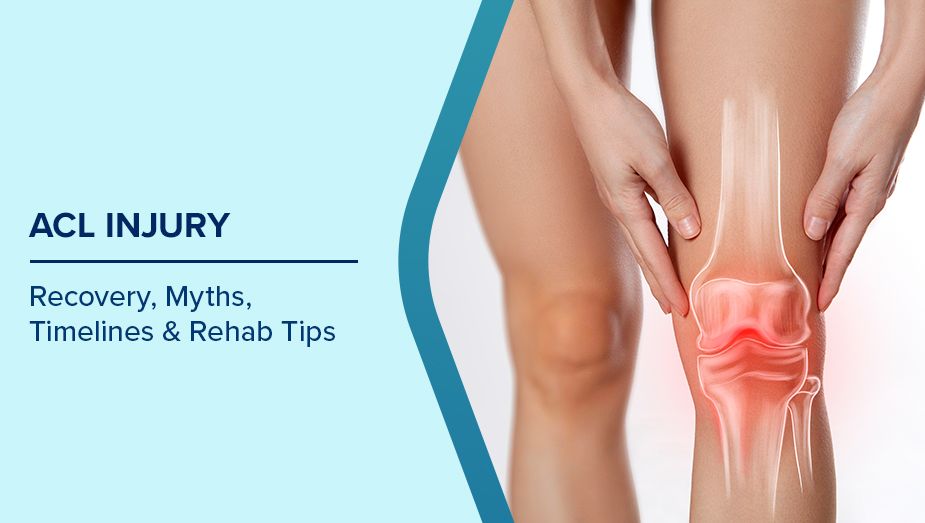
The ACL (Anterior Cruciate Ligament) is one of four main ligaments in the knee. It connects the thigh bone (femur) to the shin bone (tibia) and helps stabilise the knee during movement. When this ligament is stretched or torn, it results in an ACL injury.
ACL injuries are often seen in individuals who participate in sports that involve sudden stops, direction changes, or jumping, such as football, basketball, tennis, or even dance. But they can also occur in accidents or falls.
Common Causes of ACL Injuries
Knowing what can lead to an ACL injury is key to prevention. Here are some common causes:
- Sudden change in direction or speed
- Stopping suddenly while running
- Landing incorrectly from a jump
- Direct blow or collision to the knee (common in contact sports)
- Slips, falls, or twisting the knee during routine activities
People with weak thigh or hip muscles, poor balance, or improper footwear are more likely to experience ACL injuries.
ACL Tear Symptoms to Watch For
Recognising symptoms early can make a big difference in recovery. Here are the common signs of an ACL tear:
- A popping sound at the time of injury
- Immediate swelling in the knee
- Severe pain, especially when trying to put weight on the leg
- Knee instability or a feeling of the knee “giving way”
- Loss of range of motion or stiffness
Some people may still be able to walk, but the knee feels wobbly or weak. Even if the pain fades, untreated ACL injuries can lead to long-term knee problems.
How ACL Injuries Are Diagnosed
If you suspect an ACL tear, it’s important to consult a doctor promptly. Diagnosis usually involves:
- Physical examination: The doctor will assess for swelling, tenderness, and the ability to move the affected area. Special tests, such as the Lachman test, may be used to assess ligament stability.
- Imaging tests: An MRI (Magnetic Resonance Imaging) is often used to confirm an ACL tear and assess damage to surrounding structures, such as cartilage or the meniscus. An X-ray may be taken to rule out bone fractures.
An early and accurate diagnosis helps guide the best treatment approach for faster healing.
ACL Injury Treatment Options
The treatment approach varies based on the extent of the tear, the patient’s age, activity level, and overall health condition. Common ACL injury treatment options include:
Non-surgical Treatment
Mild sprains or partial tears may heal with:
- Rest and Ice: To reduce swelling and pain
- Physical therapy: To strengthen surrounding muscles and restore mobility
- Knee brace or crutches: To support the knee and prevent further injury
This approach is often recommended for older adults or those with a less active lifestyle.
Surgical Treatment: ACL Reconstruction Surgery
In case of a complete tear or if the knee remains unstable, ACL reconstruction surgery is the most effective option. It involves:
- Replacing the damaged ligament using a graft taken either from the patient’s own tissue or from a donor
- Usually performed using minimally invasive arthroscopic techniques
- Followed by a structured physical therapy program
Surgery provides long-term stability, allowing for a return to sports or active routines.
ACL Injury Recovery Time: What to Expect
The recovery period may differ based on how serious the injury is and the type of treatment used.
- Non-surgical recovery: Around 6–12 weeks with consistent rehab
- Post-surgery recovery: 6 to 9 months, sometimes up to a year for athletes
During this time, physical therapy plays a vital role in regaining strength, flexibility, and knee function. Staying committed to the rehabilitation plan significantly improves the outcome.
Preventing ACL Injuries: Tips That Work
While not all injuries can be avoided, taking preventive steps can reduce the risk of ACL tears:
- Warm up properly before exercise or sports
- Focus on exercises that strengthen the legs, hips, and core
- Improve balance and coordination through training
- Wear proper footwear that supports the ankle and knee
- Avoid sudden twisting or pivoting movements, especially on uneven surfaces
For athletes, guided training programs that focus on injury prevention are highly recommended.
Conclusion
An ACL injury can disrupt daily life, fitness routines, or sports performance. But with the right information, early diagnosis, and timely treatment, full recovery is possible. Whether through physical therapy or ACL reconstruction surgery, healing is within reach.
Taking preventive steps, listening to your body, and working with medical professionals can help you return to your routine stronger than before. Don’t ignore the signs, early action leads to better outcomes.
Frequently Asked Questions
Can I walk with a torn ACL?
Some people can still walk with a torn ACL, especially if swelling is minimal. However, the knee may feel unstable or give way, and continued use can worsen the injury. It’s best to rest and consult a doctor for medical advice.
Is it possible to treat an ACL injury without surgery?
Yes, partial tears or mild injuries can be managed without surgery using rest, bracing, and physical therapy. Surgery is usually recommended for complete tears or for active individuals who require strong knee stability.
What lifestyle changes can help after an ACL injury?
After an ACL injury, maintaining a healthy weight, engaging in low-impact exercises, avoiding high-risk movements, and following a physical therapy plan can support long-term knee health and prevent re-injury.
How do I care for my knee after ACL surgery?
Post-surgery care includes following your doctor’s instructions, attending physiotherapy sessions, keeping the knee elevated to reduce swelling, and avoiding high-impact activities until cleared by your doctor.
Can ACL injuries come back after recovery?
Yes, re-injury is possible if preventive care isn’t followed. Strengthening exercises, avoiding sudden knee movements, and wearing knee support during sports can help reduce the risk of further injury.
Written and Verified by:

Related Blogs


Dr. Ashish Jain In Orthopaedics & Joint Replacement
Nov 07 , 2020 | 1 min read
Most read Blogs


Related Blogs
Dr. Ashish Jain In Orthopaedics & Joint Replacement
Nov 07 , 2020 | 1 min read
Most read Blogs