 WhatsApp Us (24/7)
 +91 926 888 0303 (24/7)


To Book an Appointment
Call Us+91 926 888 0303Common Skin Conditions in Winter and Their Prevention
By Dr. Kashish Kalra in Dermatology
Jan 20 , 2026
5

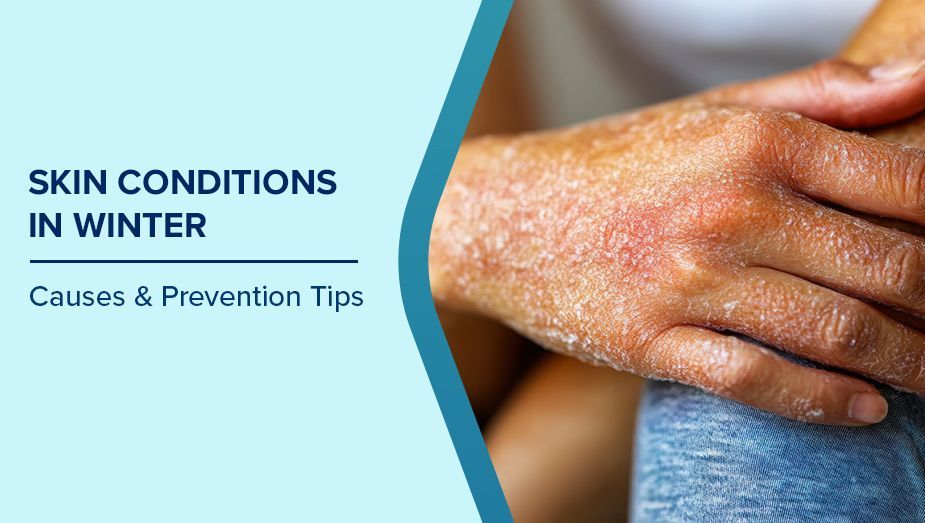
The winter season brings with it a host of skin problems. The drop in temperature, low humidity levels, and harsh winds strip moisture from the skin, leading to dryness, irritation, and worsening of existing skin conditions. Indoor heating and frequent hot showers further dehydrate the skin, making it more prone to flakiness, redness, and itching. From dry skin and chapped lips to eczema, psoriasis, and windburn, winter can be tough on your skin if not properly cared for. However, with the right preventive measures, you can keep your skin healthy, hydrated, and protected throughout the colder months. To help, in this article, we’ll discuss some of the most common winter-related skin conditions, their causes, and the best ways to prevent and manage them. Let’s begin.
1. Dry Skin (Xerosis)
One of the most common winter skin concerns, dry skin (xerosis) affects people of all ages. The cold air, low humidity, and indoor heating strip away the skin’s natural moisture, leaving it feeling tight, flaky, and rough. Without proper care, dryness can lead to itching, irritation, and even cracks, increasing the risk of infections and inflammation.
Why Does Dry Skin Worsen in Winter?
- Reduced humidity levels—both outdoors and indoors—cause moisture loss from the skin.
- Hot showers and harsh soaps strip away the skin’s natural oils.
- Cold winds and frequent temperature changes damage the skin barrier.
- Lack of hydration can contribute to dullness and excessive dryness.
Prevention & Treatment:
- Use a heavy-duty moisturizer – Opt for creams or ointments containing ceramides, hyaluronic acid, glycerine, or petroleum jelly to lock in moisture.
- Avoid long, hot showers – Stick to lukewarm water and limit shower time to 5–10 minutes.
- Choose a mild, fragrance-free cleanser – Harsh soaps can strip away natural oils, worsening dryness.
- Use a humidifier indoors – Helps maintain moisture in the air, preventing excessive skin dryness.
- Stay hydrated – Drinking plenty of water keeps your skin naturally moisturized from within.
Taking these simple precautions can help prevent and relieve dry skin, ensuring that your skin stays soft, healthy, and well-hydrated throughout winter.
2. Eczema (Atopic Dermatitis, Asteatotic Eczema, etc.)
Eczema, including types such as atopic dermatitis and asteatotic eczema, is a chronic skin condition that worsens in winter due to increased dryness. People with eczema experience red, inflamed, and itchy patches on their skin, which can crack and become painful if not managed properly. Cold weather, low humidity, and frequent exposure to hot water further strip moisture from the skin, triggering flare-ups.
Why Does Eczema Worsen in Winter?
- Loss of skin moisture leads to increased irritation and inflammation.
- Cold, dry air weakens the skin barrier, making it more susceptible to allergens and irritants.
- Frequent use of hot water and harsh soaps removes natural oils, worsening dryness.
Prevention & Treatment
- Use occlusive moisturizers such as petroleum jelly, ceramides, and shea butter to lock in moisture.
- Apply moisturizer immediately after bathing to trap water in the skin.
- Avoid harsh soaps and scented skincare products that can trigger irritation.
- Wear soft, breathable fabrics like cotton instead of wool, which can cause itching.
- Use a humidifier indoors to maintain adequate moisture levels.
- Seek medical treatment if symptoms persist—dermatologists may prescribe corticosteroid creams or antihistamines for relief.
Proper moisturization and gentle skin care practices can help prevent eczema flare-ups, keeping the skin calm and hydrated during winter.
3. Psoriasis
Psoriasis is a chronic autoimmune skin condition that causes thick, scaly, and red patches on the skin. Winter often worsens psoriasis symptoms due to cold temperatures, dry air, and reduced sun exposure. The lack of humidity in the environment depletes the skin’s natural moisture, making the plaques more painful, itchy, and flaky.
Why Does Psoriasis Worsen in Winter?
- Cold, dry air strips the skin of moisture, leading to increased scaling and irritation.
- Reduced sun exposure decreases the skin’s natural ability to manage inflammation.
- Indoor heating further dries out the skin, worsening symptoms.
- Stress and seasonal changes can trigger flare-ups.
Prevention & Treatment
- Use thick moisturizers with shea butter, paraffin, or glycerine to keep skin hydrated.
- Take lukewarm showers instead of hot ones to prevent excessive dryness.
- Expose skin to natural sunlight when possible, but avoid overexposure.
- Manage stress through relaxation techniques like meditation and exercise.
- Consult a dermatologist for treatment—oral medications, phototherapy, and prescription creams may be required for severe cases.
Consistently moisturizing and protecting the skin can help reduce psoriasis flare-ups and maintain healthier skin during winter.
4. Chapped Lips
Chapped lips are a common winter problem caused by cold air, low humidity, and frequent exposure to wind. Unlike other areas of the body, the lips have a thin protective barrier and lack oil glands, making them more prone to dryness, cracking, and peeling. Many people worsen the condition by licking their lips, which provides temporary relief but ultimately removes more moisture, leading to further irritation.
Why Do Lips Become Chapped in Winter?
- Cold and dry air causes rapid moisture loss.
- Licking the lips evaporates natural moisture, making them drier.
- Frequent sun and wind exposure damages the delicate skin of the lips.
- Using matte lipsticks or harsh lip products can strip moisture from the lips.
Prevention & Treatment
- Apply a moisturizing lip balm containing glycerine, petroleum jelly, or aloe vera.
- Avoid licking or peeling dry lips, as it worsens irritation.
- Use a humidifier indoors to maintain moisture levels.
- Drink plenty of water to stay hydrated from within.
- Cover lips with a scarf or mask when exposed to harsh winds.
- Apply SPF lip balm to protect against sun damage, even in winter.
With proper care and hydration, chapped lips can be prevented and treated, keeping them soft and healthy throughout winter.
5. Chilblains (Perniosis)
Chilblains, also known as perniosis, occur when small blood vessels in the extremities (fingers, toes, ears, and nose) constrict due to cold exposure. This leads to poor circulation, causing red or purplish patches, swelling, itching, and pain. If left untreated, chilblains can crack, blister, or become infected.
Why Do Chilblains Occur in Winter?
- Cold temperatures cause blood vessels to narrow, reducing oxygen supply to extremities.
- Sudden temperature changes, such as moving from extreme cold to a warm environment, worsen the condition.
- Poor circulation and prolonged cold exposure increase the risk.
Prevention & Treatment
- Keep extremities warm by wearing gloves, wool socks, and insulated shoes.
- Avoid sudden temperature changes—gradually warm up instead of using direct heat sources like radiators.
- Use a room heater or warm blankets to maintain body temperature indoors.
- Gently massage affected areas to improve blood circulation.
- Apply a mild, fragrance-free moisturizer to prevent cracking.
- Consult a doctor if symptoms persist or if sores develop.
By keeping warm and protecting extremities, chilblains can be effectively prevented, reducing discomfort during winter.
6. Windburn
Windburn is a skin irritation caused by prolonged exposure to cold, harsh winds. It often resembles a sunburn, with red, dry, and inflamed skin that may feel tight, sore, or peeling. People who spend long hours outdoors, such as athletes, workers, and travellers, are more prone to windburn.
Why Does Windburn Happen?
- Cold winds strip the skin’s natural oils, leading to dryness and irritation.
- Low humidity makes the skin more vulnerable to environmental damage.
- Direct sun exposure in winter worsens the condition by damaging the skin barrier.
Prevention & Treatment
- Cover exposed skin with a scarf, hat, and gloves to block cold winds.
- Apply a thick moisturizer containing ceramides or shea butter before going outside.
- Use sunscreen with SPF 30+, as UV rays can penetrate winter clouds and worsen skin damage.
- Avoid using harsh cleansers that can further dry out the skin.
- Soothe irritated skin with aloe vera gel or a mild, fragrance-free moisturizer.
By protecting the skin from harsh winds and keeping it well-moisturized, windburn can be effectively prevented and treated.
7. Cold Urticaria (Cold-Induced Hives)
Cold urticaria is an allergic reaction to cold temperatures, causing red, itchy welts (hives) on the skin. Some people may experience swelling, burning sensations, or even severe reactions like dizziness and breathing difficulties when exposed to cold air, water, or objects.
Why Does Cold Urticaria Occur?
- Exposure to cold temperatures triggers the release of histamine, leading to hives.
- Direct contact with cold water or ice can cause swelling and irritation.
- Windy and damp conditions can make symptoms worse.
Prevention & Treatment
- Avoid sudden exposure to cold weather—wear warm clothing and cover exposed skin.
- Use antihistamines as prescribed by a doctor to manage allergic reactions.
- Avoid cold showers, icy drinks, and sudden temperature changes if prone to symptoms.
- Keep skin moisturized to reduce irritation and sensitivity.
- Seek medical attention if symptoms become severe or affect breathing.
By taking precautions against cold exposure, individuals with cold urticaria can reduce flare-ups and discomfort during winter.
Why do Skin Problems Become More Common in Winter?
During winter, the cold outdoor air, dry indoor heat, and low humidity all contribute to stripping away the skin moisture, leaving it dry, flaky, and irritated. Several factors contribute to these winter skin problems including:
1. Drop in Humidity Levels
One of the main reasons skin problems increase during winter is the drop in humidity. Cold air cannot hold as much moisture as warm air, which means the skin’s outer layer (stratum corneum) loses water quickly. This layer acts as a barrier that locks in hydration and shields against harmful substances. When it becomes dry and brittle, cracks can form, making the skin more sensitive and prone to itching, redness, and peeling.
People living in regions with severe winters or spending extended hours in heated indoor environments often notice this change more sharply. The skin on exposed areas such as the hands, lips, and face tends to feel tight and rough due to constant exposure to the dry air.
2. Indoor Heating
Although heaters make the air warm and comfortable, they also reduce indoor humidity even further. Central heating systems and space heaters absorb the remaining moisture from the air, leaving it extremely dry. This lack of ambient moisture affects the skin’s ability to stay hydrated naturally.
Long hours in heated rooms can make the skin feel itchy and irritated, particularly on the legs and arms. For people with conditions such as eczema, psoriasis, or rosacea, this environment often leads to flare-ups or worsening of symptoms, as the skin’s protective oils are depleted faster than usual.
3. Hot Showers
A hot shower is often tempting on a cold morning, but it can damage the skin’s surface. Prolonged exposure to hot water strips away the natural sebum. As a result, the skin becomes dry and sometimes develops fine cracks that may sting or burn.
4. Harsh Cleansers
Many soaps, cleansers, and shower gels contain alcohol, synthetic fragrances, or surfactants that disrupt the skin’s pH balance. These ingredients can worsen dryness, especially when the skin is already under stress from the cold weather.
5. Reduced Sebum Production
Sebum plays an important role in keeping the skin soft, elastic, and protected. During winter, the skin’s oil glands slow down, producing less sebum. This natural reduction in oil production leaves the skin less capable of retaining moisture, particularly on areas like the face, scalp, hands, and feet.
With less oil, the skin barrier becomes weak and more vulnerable to irritation. This is why some people notice flaking around the nose, lips, and eyebrows or experience scalp dryness and dandruff more often in winter.
6. Exposure to Cold Winds
Harsh winter winds can strip away surface moisture and damage the outer layer of the skin. When exposed to cold, dry air, the skin reacts by tightening and losing its smooth texture. Lips and cheeks are often the most affected areas, becoming chapped, red, or sore.
7. Friction from Clothing
Clothing can also contribute to skin problems in winter. Thick fabrics like wool trap heat but may rub against the skin, causing irritation, itching, or rashes, especially if worn directly on sensitive areas. Layering soft fabrics underneath can help reduce friction and discomfort.
Winter Skincare Tips for Different Skin Types
Winter affects every skin type differently, and using the right skincare approach can help prevent dryness, irritation, and flare-ups. Whether you have dry, oily, combination, or sensitive skin, adapting your routine to the colder months can keep your skin hydrated, balanced, and healthy.
1. Dry Skin (Prone to Flakiness and Tightness)
- Use a thick, occlusive moisturizer with ceramides, hyaluronic acid, or shea butter to lock in hydration.
- Avoid foaming or harsh cleansers that strip natural oils—opt for cream-based cleansers instead.
- Apply a facial oil like jojoba or almond oil before bedtime for extra nourishment.
- Use a humidifier indoors to maintain moisture levels in the air.
2. Oily Skin (Prone to Breakouts and Greasiness)
- Even oily skin needs hydration—use a lightweight, gel-based moisturizer with hyaluronic acid to prevent dehydration.
- Avoid alcohol-based toners, as they can cause excessive dryness and lead to increased oil production.
- Use a gentle, oil-balancing cleanser to remove excess sebum without over-drying the skin.
- Exfoliate once a week with a mild exfoliant to prevent clogged pores and breakouts.
3. Combination Skin (Dry in Some Areas, Oily in Others)
- Apply a hydrating moisturizer on dry areas like cheeks while using a lighter moisturizer on the T-zone.
- Use gentle, non-stripping cleansers to maintain balance without causing dryness or excessive oiliness.
- Avoid over-exfoliating, as this can lead to irritation and worsen both dryness and oiliness.
- Layer hydrating serums with niacinamide or hyaluronic acid to keep moisture levels even.
4. Sensitive Skin (Prone to Redness and Irritation)
- Choose fragrance-free, hypoallergenic skincare products to prevent allergic reactions.
- Use a mild, non-foaming cleanser with soothing ingredients like aloe vera or chamomile.
- Apply a thick moisturizer with ingredients like colloidal oatmeal or ceramides to strengthen the skin barrier.
- Always wear sunscreen as sensitive skin is more prone to damage from winter sun exposure.
By customizing your skincare routine based on your skin type, you can prevent winter-related issues and keep your skin healthy, comfortable, and well-protected during the colder months.
What are the Best Ways to Manage Dry Skin in Winter?
Managing winter season skin problems such as dry skin effectively requires a combination of consistent care, protective measures, and lifestyle adjustments. Here are the best ways to care for dry skin during the colder months:
- Moisturise Regularly: Moisturising is the single most important step in preventing and managing dry skin. Creams and ointments containing ingredients like glycerin, hyaluronic acid, ceramides, shea butter, or natural oils help retain moisture and strengthen the skin barrier. Applying moisturiser immediately after washing or bathing locks in water, preventing the skin from becoming dry and tight.
- Use Gentle Cleansers: Harsh soaps and cleansers with strong fragrances or chemicals can remove the skin’s natural oils, worsening dryness. Choosing mild, fragrance-free, and pH-balanced cleansers helps maintain the skin’s protective barrier. Avoid hot water during washing, as it can dehydrate the skin further.
- Protect Skin from Cold and Wind: Cold winds and low temperatures can rapidly strip moisture from the skin, leaving it tight, red, and chapped. Covering exposed areas with scarves, gloves, and hats provides protection, and using a lip balm prevents chapped lips.
- Maintain Indoor Humidity: Indoor heating can dry out the air, worsening skin dryness. Using a humidifier helps restore moisture and reduces flaking, tightness, and itching.
- Stay Hydrated: Drinking enough water helps maintain the skin’s moisture balance. Water-rich foods such as fruits and vegetables also support skin hydration.
- Avoid Irritants and Rough Fabric: Rough fabrics or strong detergents can irritate the skin. Wearing soft, breathable layers and using mild laundry products reduces dryness and inflammation.
- Adjust Bathing Habits: Long, hot showers remove protective oils. Limit bathing to 5–10 minutes with lukewarm water, pat dry gently, and apply moisturiser immediately.
- Consider Targeted Treatments for Severe Dryness: Thick emollient creams or ointments help repair the skin barrier. Persistent or severe dryness may require dermatologist evaluation for conditions such as eczema or psoriasis.
When to See a Doctor
While most winter skin conditions can be managed with moisturization, protective clothing, and lifestyle changes, some symptoms may indicate an underlying skin disorder or severe reaction that requires medical attention. It is important to consult a dermatologist if you experience any of the following:
- Persistent dryness and cracking that does not improve with regular moisturization.
- Severe itching, redness, or inflammation that interferes with daily activities or sleep.
- Painful skin fissures or open sores that show signs of infection (swelling, pus, or warmth).
- Recurring rashes or hives triggered by cold exposure.
- Worsening of chronic skin conditions like eczema, psoriasis, or rosacea despite home treatments.
- Discoloration, numbness, or severe swelling in fingers and toes, which may indicate circulation issues such as chilblains or Raynaud’s disease.
If you are struggling with unmanageable winter skin conditions, professional medical guidance can help provide personalized treatments and long-term relief.
Conclusion
Winter can be particularly harsh on the skin, leading to a range of common conditions such as dry skin, eczema, psoriasis, chapped lips, chilblains, windburn, and cold urticaria. The combination of cold air, low humidity, and indoor heating strips the skin of its natural moisture, making it more susceptible to irritation, cracking, and inflammation. If you are experiencing persistent or severe skin conditions, consulting a specialist is the best course of action. At Max Hospitals, our expert dermatologists provide comprehensive skin assessments, personalised treatments, and advanced skincare solutions to help you manage and prevent winter skin problems effectively.
Book a consultation with Max Hospitals today and get expert advice to keep your skin healthy, hydrated, and protected this winter.
FAQs on Winter Skin Conditions
Can diet affect my skin health in winter?
Yes, diet plays a crucial role in maintaining skin hydration and health. Consuming omega-3 fatty acids (found in fish, flaxseeds, and walnuts) and vitamin E-rich foods (like almonds and avocados) helps strengthen the skin barrier. Drinking plenty of water and herbal teas also prevents dehydration, reducing dryness and irritation.
Why does my skin feel itchy at night during winter?
Winter itch worsens at night due to reduced humidity levels indoors and longer exposure to dry air while sleeping. Additionally, hot showers before bed can strip natural oils from the skin, making it feel tight and itchy. Using a humidifier, applying a thick moisturizer before bed, and wearing soft cotton sleepwear can help alleviate nighttime itching.
Can sunscreen help in winter, or is it only necessary for summer?
Sunscreen is essential year-round, including in winter. UV rays penetrate clouds and reflect off snow, increasing the risk of sun damage and premature aging. A broad-spectrum SPF 30+ sunscreen should be applied daily, especially on exposed areas like the face and hands, to prevent sunburn and pigmentation.
How does winter affect people with oily skin?
While winter is commonly associated with dry skin, people with oily skin may still experience dehydration beneath the surface, leading to excess oil production as the skin tries to compensate. This can result in breakouts and clogged pores. Using a lightweight, non-comedogenic moisturizer, washing with a gentle cleanser, and avoiding over-exfoliation can help balance the skin.
Can winter cause flare-ups of fungal skin infections?
Yes, fungal infections like athlete’s foot, ringworm, and yeast infections can worsen in winter due to sweaty, damp socks and layers of clothing trapping moisture. Wearing breathable fabrics, keeping skin dry, and changing socks frequently can help prevent fungal infections. If symptoms persist, antifungal treatments may be necessary.
How do I know if my skin is truly dry or just dehydrated?
Dry skin lacks oil, while dehydrated skin lacks water. If your skin feels tight, flaky, and rough even after moisturising, it may be dry. Dehydrated skin may feel tight or dull but can improve with increased water intake and hydration-focused products.
Can winter skin problems lead to infections?
Yes, cracked, dry, or irritated skin can make it easier for bacteria, fungi, or viruses to enter, potentially causing minor infections or worsening existing conditions like eczema.
Are some skin types more prone to winter problems than others?
People with naturally dry skin, sensitive skin, or pre-existing conditions like eczema and psoriasis are more likely to experience winter skin issues. Ageing skin, which produces less natural oil, is also more vulnerable.
Can diet affect dry skin during winter?
Yes, a diet low in water, healthy fats, and essential vitamins can worsen dryness. Omega-3 fatty acids, antioxidants, and water-rich foods can help maintain skin hydration and resilience.
Is it normal for facial skin to feel tight but not itchy in winter?
Yes, skin can feel tight due to moisture loss without immediate itching. Persistent tightness, flaking, or redness should be monitored and cared for to prevent further damage.
How long does it take for dry winter skin to improve?
Improvement depends on the severity and the steps taken. Mild dryness can improve within a few days of proper moisturising and hydration, while severe dryness or cracked skin may take weeks and sometimes require medical treatment.
Are hand sanitizers harmful to winter skin?
Frequent use of alcohol-based hand sanitizers can strip natural oils, worsening dryness. Using a gentle hand wash and applying moisturiser afterward can help protect the skin.
Can winter skin problems affect the scalp?
Yes, the scalp can become dry, flaky, and itchy during winter, leading to dandruff or irritation, especially if natural oils are reduced or harsh shampoos are used.
Do cold showers help or worsen winter skin problems?
Cold showers are less damaging than hot showers because they do not strip natural oils, but they may not be comfortable in cold weather. Lukewarm showers are usually the best compromise for maintaining skin hydration.
When should I see a doctor for winter skin problems?
If dryness is severe, persistent, or accompanied by cracking, bleeding, redness, or itching that doesn’t improve with home care, it’s important to consult a dermatologist. Underlying conditions like eczema, psoriasis, or infections may require professional treatment.
Can stress make winter skin problems worse?
Yes, stress can affect hormone levels, which may reduce oil production and make the skin more prone to dryness, irritation, or flare-ups of conditions like eczema and psoriasis.
Does exercising in cold weather affect my skin?
Exercising outdoors in cold, dry air can increase water loss from the skin and cause redness or chapping, especially on exposed areas like the face and hands. Moisturising beforehand and covering exposed skin can help.
Can skincare products I used in summer cause problems in winter?
Some products that work well in summer, such as lightweight lotions or gels, may not provide enough hydration in winter. Switching to richer creams or ointments during colder months can help prevent dryness.
Are certain areas of the body more prone to winter dryness?
Yes, commonly affected areas include the hands, feet, elbows, knees, lips, and face. These areas are either more exposed or naturally have fewer oil glands.
Written and Verified by:

Related Blogs


Blogs by Doctor


Acne: Unmasking the Causes and Effective Treatment Options
Dr. Kashish Kalra In Dermatology
Aug 17 , 2023 | 2 min read
Most read Blogs


Related Blogs
Blogs by Doctor
Acne: Unmasking the Causes and Effective Treatment Options
Dr. Kashish Kalra In Dermatology
Aug 17 , 2023 | 2 min read
Most read Blogs