 WhatsApp Us (24/7)
 +91 926 888 0303 (24/7)


To Book an Appointment
Call Us+91 926 888 0303World Hand Hygiene Day 2026: Fighting Germs with Every Wash
By Dr. Sunil Sekhri in Internal Medicine
Mar 25 , 2026 | 7 min read
3

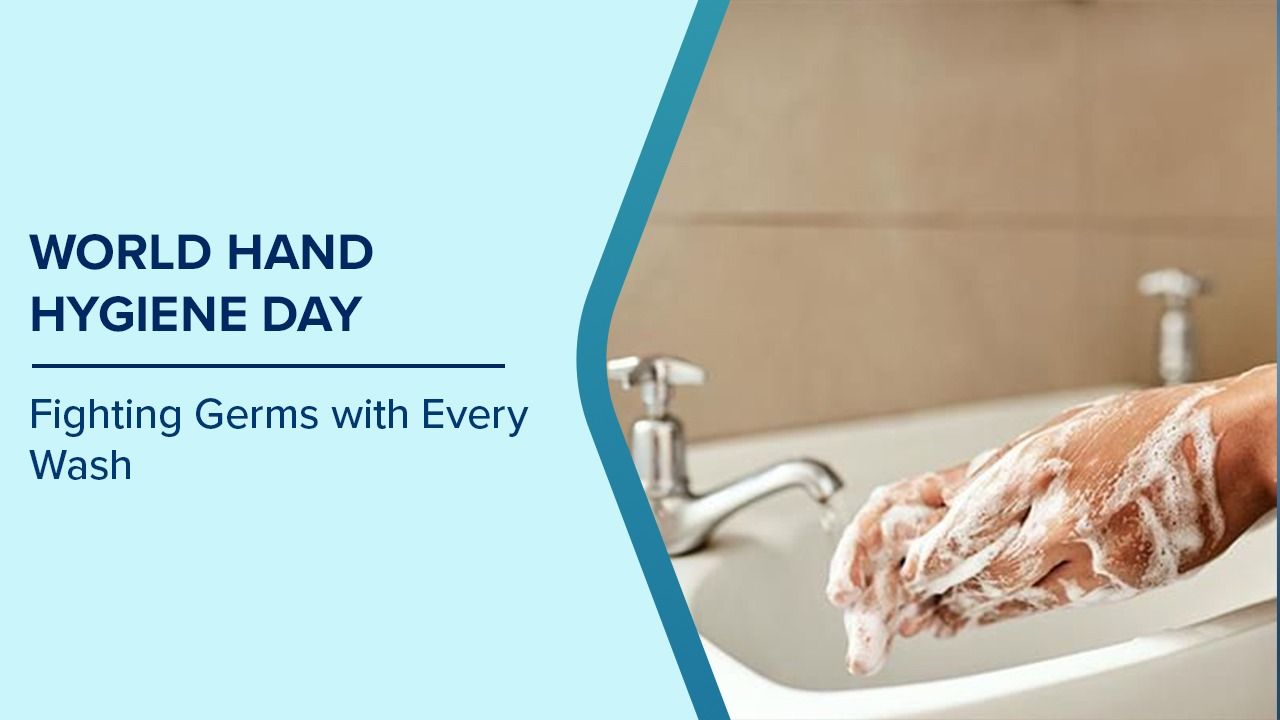
World Hand Hygiene Day, observed annually on the 5th of May, serves as a reminder that washing hands is one of the simplest and most effective ways to prevent disease. The COVID-19 pandemic reinforced how easily infections spread through touch, emphasising the need for proper hand hygiene in daily life. Beyond the pandemic, challenges such as antibiotic resistance and emerging diseases make this practice more important than ever. In homes, hospitals, and communities worldwide, regular hand washing remains a key defence against harmful germs, yet it is often overlooked. This blog explores why hand hygiene matters, the correct way to wash hands, and how small habits can prevent illness. Before that, here’s a closer look at the significance of World Hand Hygiene Day.
History and Significance of World Hand Hygiene Day
World Hand Hygiene Day, observed annually on 5th May, was established by the World Health Organization (WHO) in 2009 as part of its "Save Lives: Clean Your Hands" campaign. This initiative aims to promote hand hygiene in healthcare settings to prevent infections and enhance patient safety. Over the years, the observance has expanded its reach, emphasising the importance of hand hygiene not only in hospitals but also in communities and households worldwide.
The significance of World Hand Hygiene Day lies in its role in raising awareness about the critical role clean hands play in preventing the spread of diseases. In 2026, the campaign highlights the theme: "It might be gloves. It's always hand hygiene." This theme underscores that while gloves are a valuable component of personal protective equipment when used correctly, they do not replace the need for proper hand hygiene. Overuse or misuse of gloves can contribute to environmental waste and may not effectively prevent the spread of infections. Therefore, the emphasis remains on regular and thorough handwashing as a fundamental practice for infection prevention.
Why is Hand Hygiene Important?
Hand hygiene is one of the most effective ways to prevent infections. Proper handwashing:
- Stops the spread of germs – Hands can transfer bacteria and viruses to surfaces, food, and other people, leading to illnesses like colds, flu, and stomach infections.
- Reduces healthcare-associated infections (HAIs) – Poor hand hygiene in hospitals and clinics increases the risk of serious infections that can be difficult to treat.
- Prevents antibiotic resistance – By reducing infections, hand hygiene lowers the need for antibiotics, helping slow the rise of antibiotic-resistant bacteria.
- Protects public health – Regular handwashing creates a cleaner environment, reducing the risk of disease outbreaks in homes, schools, and workplaces.
Making hand hygiene a daily habit helps minimise the spread of harmful germs and keeps communities healthier.
How to Wash Your Hands Properly
Following the correct steps ensures that hands are thoroughly cleaned, reducing the risk of infections. A quick rinse is not enough—each step plays a role in removing dirt, bacteria, and viruses. Steps for proper hand washing include:
- Wet hands completely – Use clean, running water (warm or cold) to wet hands before applying soap.
- Apply soap – Use enough soap to cover all areas, including palms, fingers, and wrists.
- Rub palms together – Lather well by rubbing palms in a circular motion to help lift dirt and germs.
- Clean between fingers – Interlock fingers and scrub thoroughly to remove germs trapped in crevices.
- Scrub the backs of hands – Place one hand over the back of the other and scrub, including knuckles. Repeat with the other hand.
- Focus on fingertips and nails – Rub fingertips against the opposite palm in a circular motion to clean under the nails.
- Wash thumbs separately – Grip each thumb with the opposite hand and rotate to clean properly.
- Scrub wrists – Many germs accumulate on the wrists, so rub them with soapy hands to ensure they are properly cleaned.
- Rinse thoroughly – Hold hands under clean, running water to wash away all soap, dirt, and germs.
- Dry hands completely – Use a clean towel or air dryer, as damp hands can attract and spread germs more easily.
Following these hand washing steps takes at least 20 seconds and is one of the simplest yet most effective ways to prevent infections.
Common Hand Hygiene Mistakes & How to Fix Them
Even with regular hand washing, certain mistakes can reduce its effectiveness. Proper technique ensures germs are removed completely, lowering the risk of infections. Here are some common hand hygiene mistakes and how to correct them:
- Not washing hands for long enough – Washing for less than 20 seconds may leave germs behind. Fix it by scrubbing hands for at least 20 seconds, ensuring all areas are cleaned.
- Skipping fingertips and nails – Germs often hide under nails and on fingertips. Rub fingertips against palms and clean under nails to remove trapped dirt and bacteria.
- Neglecting the back of hands and thumbs – People often focus on the palms but forget other areas. Scrub the back of hands, thumbs, and wrists for complete hygiene.
- Rinsing without scrubbing – Simply running hands under water does not remove germs. Lathering with soap and scrubbing properly ensures effective cleaning.
- Not drying hands properly – Damp hands can attract bacteria. Always dry hands completely using a clean towel or air dryer.
Avoiding these mistakes and following proper hand hygiene practices can help prevent infections and keep hands truly clean.
Which is Better – Washing Hands With Soap or Using Hand Sanitiser?
Both washing hands with soap and using hand sanitiser are effective methods, but their effectiveness varies depending on the situation.
Handwashing with Soap and Water
- Effectiveness: Washing hands with soap and water is highly effective at removing all types of germs, including certain pathogens that hand sanitisers may not eliminate, such as norovirus, Cryptosporidium, and Clostridioides difficile.
- Removal of Chemicals: This method also effectively removes harmful chemicals like pesticides and heavy metals from the skin.
- When to Use: Handwashing is particularly important when hands are visibly dirty or greasy, after using the toilet, before eating, and after handling raw foods.
Hand Sanitiser
- Effectiveness: Alcohol-based hand sanitisers can quickly reduce the number of germs on hands and are effective against many pathogens. However, they may not work as well on visibly dirty or greasy hands and are less effective at removing certain germs and harmful chemicals.
- Convenience: Hand sanitisers are portable and convenient when soap and water are not available, making them a practical option in public places or during travel.
- When to Use: They are suitable for situations where hands are not visibly soiled but may have come into contact with germs, such as after touching communal surfaces or before touching your face.
Final Words
On World Hand Hygiene Day, let’s take a moment to prioritise this simple yet life-saving habit. Join the global effort by spreading awareness, following proper handwashing steps, and encouraging others to do the same. For those at higher risk of infections or needing medical guidance, the specialists at Max Hospital are here to help. From preventive care to managing infection-related concerns, Max Hospital provides the right support to keep you and your loved ones safe.
Frequently Asked Questions
How often should hands be washed in a day?
There is no set number, but hands should be washed at key moments, such as before eating, after using the toilet, after coughing or sneezing, after touching public surfaces, and before handling food. The frequency may vary depending on daily activities and exposure to germs.
Can using too much hand sanitiser be harmful to the skin?
Excessive use of hand sanitiser can dry out the skin, leading to irritation, redness, and even cracks that may increase the risk of infections. Alcohol-based sanitisers can also strip away natural oils. Using a moisturiser after sanitising can help maintain skin health.
What type of soap is best for handwashing—antibacterial or regular?
Regular soap is usually sufficient for removing germs, dirt, and viruses. Antibacterial soap does not provide added benefits for everyday use and may contribute to antibiotic resistance over time. Proper handwashing technique is more important than the type of soap used.
Are there any risks of over-washing hands?
Frequent handwashing, especially with harsh soaps, can strip away natural oils, causing dryness, irritation, and even skin conditions like eczema. Using a mild soap and applying moisturiser afterward can help protect the skin.
Is hot water better than cold water for washing hands?
Water temperature does not significantly impact germ removal. Both hot and cold water work effectively when used with soap. The key is scrubbing hands thoroughly for at least 20 seconds.
Is air-drying or using a paper towel better for drying hands?
Paper towels are more effective at removing moisture and any remaining germs. Air dryers can be a good option but may spread bacteria if not properly maintained. The best method is to use a clean paper towel or allow hands to dry completely before touching surfaces.
What are the best ways to keep hands clean when soap and sanitiser are unavailable?
If neither soap nor sanitiser is available, avoid touching the face and try to clean hands with bottled water and a cloth. Wiping hands with disinfectant wipes can also help, as long as they contain at least 60% alcohol. Keeping hands away from the mouth, nose, and eyes until they can be properly washed is the best preventive measure.
Written and Verified by:

Related Blogs


Dr. Vandana Boobna In Internal Medicine
Nov 08 , 2020 | 2 min read
Most read Blogs


Related Blogs
Dr. Vandana Boobna In Internal Medicine
Nov 08 , 2020 | 2 min read
Most read Blogs