 WhatsApp Us (24/7)
 +91 926 888 0303 (24/7)


To Book an Appointment
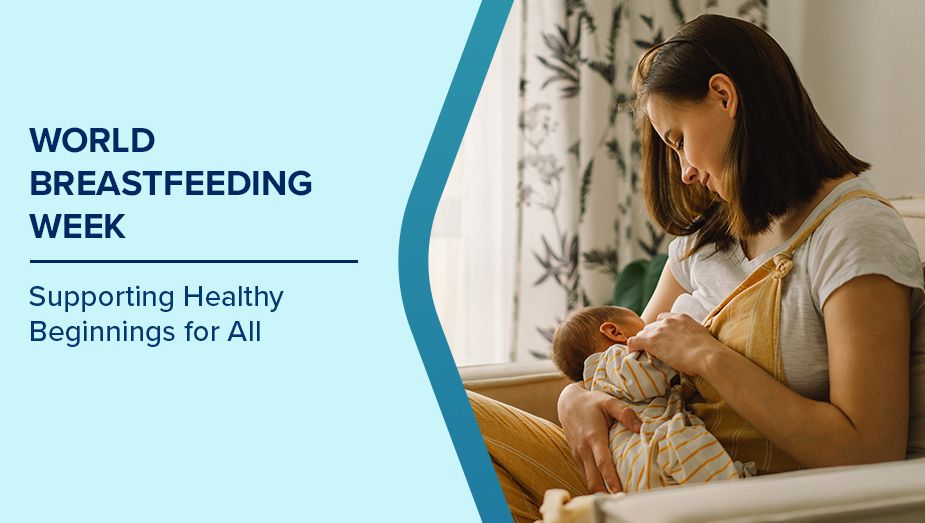
Call Us+91 926 888 0303World Breastfeeding Week 2025: Supporting Healthy Beginnings for All
By Dr. Anuradha Kapur in Obstetrics And Gynaecology
Jan 05 , 2026 | 11 min read
2

Despite being one of the most natural and beneficial acts for both mother and child, breastfeeding is often surrounded by misinformation, cultural barriers, and lack of support. Many new parents face challenges in initiating and continuing breastfeeding due various factors ranging from limited guidance and wrong perceptions to societal stigma and inadequate workplace provisions. To bridge the gap, World Breastfeeding Week is observed every year from 1st to 7th August, with an aim to bring attention to these issues and encourage efforts to create an environment where breastfeeding is supported and normalised.
This blog explores why the week matters, how the 2025 theme calls for fairer support systems, and what that support should look like in real terms. But before we get into all that, let’s take a closer look at how World Breastfeeding Day began.
History and Significance of World Breastfeeding Week
World Breastfeeding Week was started in 1992 by the World Alliance for Breastfeeding Action (WABA), in collaboration with the World Health Organization (WHO) and UNICEF. The aim was to raise awareness about the importance of breastfeeding and to encourage communities and health systems to create a more supportive environment for mothers. The first week of August was chosen to mark the anniversary of the 1990 Innocenti Declaration, a global commitment made by governments and international agencies to protect and promote breastfeeding.
Since then, World Breastfeeding Week has grown into a global movement, observed in more than 120 countries. Each year, the campaign focuses on a specific theme that highlights current challenges and priorities related to breastfeeding. These themes help draw attention to the practical steps needed to support mothers, from better hospital policies to stronger workplace protections. At its core, the week serves as a reminder that breastfeeding is not just a personal act but a shared responsibility, requiring active support from every part of society.
World Breastfeeding Week 2025 Theme
The theme for World Breastfeeding Week 2025 is “Prioritise Breastfeeding: Create Sustainable Support Systems.” This emphasises the need to build long-lasting structures that make breastfeeding practical and accessible for everyone.
The phrase “Prioritise Breastfeeding” serves as a call to action for governments, employers and health services to place breastfeeding high on the agenda. “Create Sustainable Support Systems” underlines the importance of developing environments that continue to back mothers and babies over time. This could include well‑planned maternity leave, proper lactation facilities in workplaces and ongoing training for healthcare staff who support new mothers.
Advantages of Breastfeeding
Breastfeeding offers a wide range of physical, emotional, and long-term health benefits for both the baby and the mother. These advantages include:
Advantages for the baby
- Provides complete and natural nutrition: Breast milk contains the right balance of proteins, fats, vitamins, and minerals required for a baby’s growth. It adjusts to the baby’s changing needs across different stages of infancy, offering exactly what the body needs at each point.
- Supports brain development: Key nutrients in breast milk, including essential fatty acids, are linked to improved cognitive development. Studies suggest that breastfed babies may have better language and motor skills as they grow.
- Strengthens the immune system: Breast milk contains antibodies that protect babies from infections such as diarrhoea, pneumonia, and ear infections. These antibodies also help reduce the severity of illnesses when they do occur.
- Lowers risk of long-term health problems: Breastfeeding is associated with a lower risk of conditions such as childhood obesity, type 2 diabetes, asthma, and some types of childhood leukaemia. These protective effects can extend into adolescence and adulthood.
- Easier to digest and absorb: Compared to formula, breast milk is gentler on a baby’s digestive system. It reduces the likelihood of constipation, gas, and colic, making feeding more comfortable and consistent.
Advantages for the mother
- Supports physical recovery after childbirth: Breastfeeding causes the release of oxytocin, a hormone that helps the uterus contract and return to its normal size. This process also helps reduce postnatal bleeding.
- Reduces risk of certain diseases: Women who breastfeed have a lower risk of developing breast and ovarian cancers. There is also evidence that longer durations of breastfeeding may lower the risk of high blood pressure, heart disease, and type 2 diabetes.
- Assists with natural weight management: Producing breast milk consumes extra energy, which may help some mothers lose pregnancy weight gradually and safely over time.
- Encourages emotional bonding: Physical closeness during breastfeeding promotes a strong emotional connection between mother and baby. This bonding may also help reduce stress and the likelihood of postpartum depression.
These advantages highlight the value of breastfeeding not just as a feeding method, but as a key part of early life care.
Breaking Misconceptions Around Breastfeeding
Despite widespread awareness campaigns, many misconceptions about breastfeeding still exist. These misunderstandings can lead to confusion, discourage mothers from continuing, or prevent them from seeking support when needed. Addressing common myths is important to ensure mothers receive clear and accurate information.
Myth 1: Pumping breast milk is not considered breastfeeding
Many believe that breastfeeding only refers to direct feeding from the breast. However, feeding expressed breast milk through a bottle or other method still counts as breastfeeding. The key factor is the baby receiving breast milk, regardless of how it is given.
Myth 2: Mothers must produce large amounts of milk from the start
It is common for newborns to feed frequently in the early days, but this does not mean the milk supply is low. The first milk, known as colostrum, is small in quantity but rich in nutrients and antibodies. Milk volume increases naturally in the following days.
Myth 3: Formula is just as good as breast milk
Formula can be necessary in some situations, but it is not identical to breast milk. Breast milk contains live antibodies, enzymes, and hormones that cannot be replicated. It also adapts to the baby’s needs, offering protection against infections and supporting development. Breastfed infants have the advantage of having improvement in cognitive motor and visual status up to the age of 8 years.
Myth 4: Breastfeeding always comes naturally and should not hurt
Although breastfeeding is natural, it often takes time to adjust with it. Some discomfort may occur in the beginning, but long term pain usually indicates issues such as improper latch or positioning. With support from trained professionals, these problems can often be corrected.
Myth 5: Mothers must stop breastfeeding once solid foods are introduced
Breastfeeding can continue beyond the introduction of solids. Health authorities recommend breastfeeding alongside complementary foods for up to two years or more, depending on the child’s and mother’s preferences.
Challenging these misconceptions helps create a more supportive environment where mothers feel informed and confident.
Breastfeeding Tips Every New Mother Should Know
The early days of breastfeeding often come with a learning curve. Although it is a natural process, it can take time to become comfortable and consistent. Knowing a few practical tips can help make this experience more manageable during the first weeks.
- Start as early as possible: Feeding within the first hour after birth can help with milk production and encourage early bonding. This period is often called the ‘golden hour’ and can play a role in getting breastfeeding off to a good start.
- Feed on demand, not by the clock: Newborns may feed often, sometimes every two to three hours or more. Allowing the baby to feed when hungry helps build supply and keeps the baby satisfied.
- Check for a good latch: A proper latch reduces discomfort and ensures the baby is feeding effectively. The baby’s mouth should cover more of the lower part of the areola, not just the nipple, and the chin should be touching the breast.
- Expect some discomfort, but not pain: Slight soreness in the beginning can be normal. However, pain that continues through the feed may signal an issue with positioning or latch. Early guidance can help avoid further problems.
- Look for signs of effective feeding: Wet nappies, regular stools, and steady weight gain are good signs that the baby is feeding well. Audible swallowing during feeds and a calm, content baby after feeding are also reassuring indicators.
- Stay hydrated and well-rested: Breastfeeding can increase thirst and use up extra energy. Drinking water regularly and getting rest when possible supports both milk production and recovery after birth.
- Ask for help when needed: Support from midwives, lactation consultants, or support groups can make a difference. Early intervention can often solve small issues before they grow into larger challenges.
These small but important steps can help make breastfeeding more comfortable and consistent in the early days.
Effective Ways to Support Mothers Who are Breastfeeding
Breastfeeding often requires more than just willingness; it needs steady encouragement, time, and the right environment. Support from family, workplaces, communities, and healthcare providers plays a major role in helping mothers continue breastfeeding with confidence and comfort.
- Support at home: Partners and family members can help by sharing household responsibilities, offering encouragement, and making sure the mother has time and space to rest and feed the baby. Emotional support is just as important as practical help during this time.
- Guidance from healthcare professionals: Early advice from midwives, nurses, or trained lactation consultants can make a strong difference, especially in the first few days after birth. Clear guidance on feeding positions, latching, and signs of good feeding helps prevent problems from developing.
- Workplace support: Returning to work often leads to early weaning unless proper support is in place. Maternity leave, flexible schedules, clean and private spaces for expressing milk, and understanding from employers can help working mothers continue breastfeeding without stress.
- Public acceptance and facilities: Creating comfortable spaces for breastfeeding in public areas, such as malls, hospitals, and travel stations, allows mothers to feed without discomfort or pressure. While traveling, these spaces offer emotional comfort to babies whose routines may be disrupted. Normalising breastfeeding in public can also reduce stigma and help others feel more at ease.
- Access to peer support and community groups: Speaking to other mothers who are breastfeeding or have done so in the past can offer reassurance and practical advice. Community groups or helplines can be a useful source of support, especially for those who do not have access to regular healthcare visits.
A strong support system makes it easier for mothers to begin and continue breastfeeding, even during challenges. These efforts, when consistent and respectful, can lead to better outcomes for both mother and baby.
Meaningful Ways to Participate in World Breastfeeding Week
World Breastfeeding Week offers a chance to show support through simple, purposeful actions. Participation can come from individuals, families, workplaces, healthcare systems, and communities, each playing a role in making breastfeeding more supported and accepted.
- Healthcare providers can offer guidance and space: Hospitals and clinics can mark the week by providing free counselling sessions, sharing breastfeeding education materials, and creating opportunities for new mothers to speak with trained staff. Extra attention to patient education during this time can help new parents begin feeding with more confidence.
- Workplaces can review and improve support: Employers can use the week to reflect on how breastfeeding is supported at work. This may include ensuring access to clean, private areas for expressing milk, allowing flexible breaks, and reviewing maternity leave policies. These efforts help reduce stress for working mothers and support longer breastfeeding durations.
- Families can provide encouragement and practical help: At home, relatives and partners can support breastfeeding by offering emotional encouragement and sharing day-to-day responsibilities. Creating a calm and positive atmosphere, making time for rest, and avoiding pressure or judgement can help the mother feel more at ease.
- Communities can raise awareness: Community centres, schools, and local groups can host events, share posters or videos, and open discussions around breastfeeding. This helps address common misconceptions and encourages more people to view breastfeeding as a normal and accepted part of everyday life.
- Individuals can speak up and share correct information: Even small actions, such as correcting a myth, speaking supportively about breastfeeding, or sharing trusted resources, can have a lasting impact. Positive conversations help change attitudes, especially when they happen in families, social settings, or online spaces.
Final Words
World Breastfeeding Week serves as a reminder that breastfeeding is not a responsibility a mother should carry alone, it is something that deserves support, time, and care from every part of society. For expecting women or those already breastfeeding, this journey often brings up questions, uncertainties, or the need for reassurance. At Max Hospital, lactation consultants and trained maternity specialists can offer practical support in areas such as latching, milk supply, feeding positions, and managing common challenges. Their guidance can help make breastfeeding less stressful and more comfortable, especially during the early stages.
Frequently Asked Questions
How long should each breastfeeding session last?
There is no fixed time. Some babies feed for 10 minutes, others for 30 minutes or more. Feeding should continue until the baby seems full and relaxed. Over time, the feeding pattern becomes more predictable.
Is it safe to breastfeed while sick?
Yes, in most cases. Common illnesses such as colds or mild infections do not pass through breastmilk. In fact, the body produces antibodies that can help protect the baby. However, in serious conditions, it is best to consult a healthcare provider.
Can a mother take medicines while breastfeeding?
Some medicines are safe, but not all. It is important to inform the doctor about breastfeeding before starting any new medicine. Safe alternatives are often available if needed.
How does stress affect breastfeeding?
High stress levels may affect the let-down reflex, making milk flow slower, but they do not reduce milk supply directly. Rest, hydration, and support can help ease stress and improve feeding.
Can breastfeeding mothers follow any diet?
A varied, balanced diet is best. Most foods are safe, though very spicy or gas-forming foods may cause discomfort for some babies. There is no need to follow strict diets unless advised by a doctor.
Does breastfeeding cause the breasts to sag?
Changes in breast shape are more linked to pregnancy, age, and genetics rather than breastfeeding. Wearing proper support and maintaining overall health helps with comfort and appearance.
What should a mother do if the baby refuses to breastfeed?
This may happen during illness, teething, or changes in routine. Skin-to-skin contact, offering the breast in a calm setting, or expressing milk can help during these phases. If refusal continues, medical advice may be needed.
Is it normal for breastfeeding babies to feed frequently at night?
Yes. Night feeding is common, especially in the early months. It helps maintain milk supply and provides comfort. Over time, babies often settle into longer sleep stretches naturally.
Written and Verified by:

Related Blogs

Dr. Manju Khemani In Obstetrics And Gynaecology
Oct 27 , 2020 | 3 min read

Dr. Neera Aggarwal In Obstetrics And Gynaecology , Nutrition And Dietetics
Nov 07 , 2020 | 7 min read
Blogs by Doctor

Understanding Polycystic Ovary Syndrome (PCOS)
Dr. Anuradha Kapur In Obstetrics And Gynaecology
Apr 30 , 2019 | 2 min read

Abnormal Uterine Bleeding (AUB)
Dr. Anuradha Kapur In Obstetrics And Gynaecology
Jun 01 , 2020 | 1 min read
Most read Blogs

Related Blogs
Dr. Manju Khemani In Obstetrics And Gynaecology
Oct 27 , 2020 | 3 min read
Dr. Neera Aggarwal In Obstetrics And Gynaecology , Nutrition And Dietetics
Nov 07 , 2020 | 7 min read
Blogs by Doctor
Understanding Polycystic Ovary Syndrome (PCOS)
Dr. Anuradha Kapur In Obstetrics And Gynaecology
Apr 30 , 2019 | 2 min read
Abnormal Uterine Bleeding (AUB)
Dr. Anuradha Kapur In Obstetrics And Gynaecology
Jun 01 , 2020 | 1 min read
Most read Blogs