 WhatsApp Us (24/7)
 +91 926 888 0303 (24/7)


To Book an Appointment
Call Us+91 926 888 0303Why Winter Raises Head Injury Risk: Causes & Symptoms
By Dr. Mukesh Bisht in Neurosurgery , Neurosciences , Spine Surgery
Jan 09 , 2026

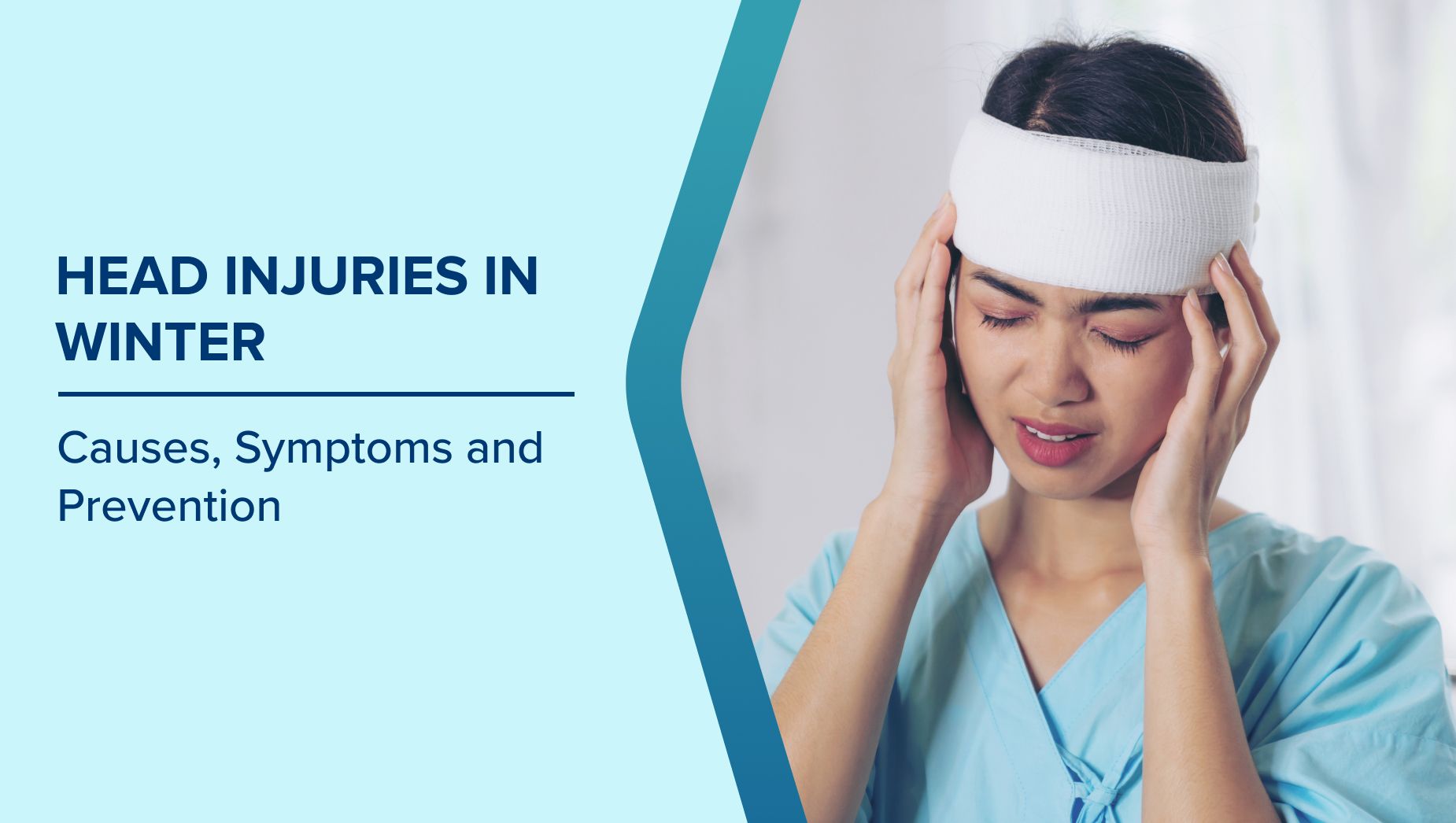
Winter brings a noticeable drop in temperature, shorter days, and a greater chance of slipping, falling, or getting hurt during routine activities. While most people focus on cough, cold, and seasonal fatigue, one health concern often remains overlooked. Head injuries become more common during cold months due to slippery surfaces, reduced visibility, and stiff muscles that respond slowly in low temperatures. These injuries can affect anyone, whether they are walking to work, commuting on a two-wheeler, playing sports, or simply completing everyday tasks at home, especially young working people class, who need to go out/travel.
Why Winter Increases the Risk of Head Injuries
Winter creates conditions that make accidents more likely. Several environmental and physical factors contribute to this increased risk.
Slippery Surfaces Make Walking Difficult
Cold weather can make surfaces like tiles, pavements, and roads more slippery than usual. Even a thin layer of moisture or frost can cause sudden loss of balance. This increases the chance of falling and hitting your head, especially when walking quickly, carrying heavy bags, or using stairs.
Cold Weather Slows Muscle Response
Low temperatures make muscles and joints stiff. When the body reacts more slowly than usual, a person may not be able to regain balance quickly if they slip. This slow response increases the likelihood of falling or colliding with objects and more symptoms like pain.
Sports and Outdoor Activities Become Hazardous
People who enjoy trekking, running, or other outdoor exercises during winter face a higher chance of slipping on uneven surfaces. Winter sports like skating or trekking on rocky paths can also contribute to head injuries.
Common Types of Head Injuries Seen in Winter
Head injuries vary in severity. Most are mild and may improve with rest, while others require immediate medical attention. Some are even lethal.
Minor Head Trauma
This includes mild bumps or hits to the head that may cause temporary discomfort. People may feel slight pain or tenderness at the site of the impact. Though considered minor, repeated minor injuries should never be ignored.
Concussion
A concussion may occur when the head experiences a sudden jolt or impact. It can affect memory, thinking, or balance. Symptoms may appear immediately or develop gradually over several hours.
Scalp Injuries
These include cuts, bruises, or swelling on the scalp. Even a small cut of the scalp usually bleeds more because the scalp has dense blood supply. Proper cleaning and care are essential to avoid complications.
Internal Head Injuries
Some injuries affect deeper tissues like the brain. These are not always visible externally. Internal injuries may cause severe symptoms such as vomiting, confusion, or drowsiness weakness and require urgent medical attention.
Neck Strain Leading to Head Pain
In cold conditions, a sudden slip or backward movement can strain the neck. This strain can cause headaches that may mimic the symptoms of a head injury. Recognising this early prevents further discomfort.
Spinal fractures
Higher incidence of spinal fractures, soft tissue injuries are reported in cold weather symptoms may include backache to leg pain.
Symptoms That Should Never Be Ignored
Symptoms of head injuries can appear immediately or develop hours later. Paying attention to early signs like severe headache, recurrent vomiting, ear nose throat bleeding, loss of consciousness can help prevent complications.
Persistent Headache
A long-lasting headache after a fall or bump should always be taken seriously. This may indicate injury to internal structures.
Dizziness or Loss of Balance
If you feel unsteady on your feet after a minor accident, it may be a sign that the brain has been affected.
Nausea or Vomiting
Vomiting after a head injury can be one of the concerning symptoms. It indicates that there is high pressure in the brain, which needs urgent medical attention.
Blurred or Double Vision
Any change in vision after a hit to the head can signal deeper injury. It is one of the ominous signs, and merits hospital visits on priority.
Confusion or Difficulty Concentrating
Feeling confused, slow in thinking, or unable to focus are signs that should not be ignored. Most of the time, it is physiological, and could be a “concussion” injury.
Drowsiness or Excessive Sleepiness
While tiredness is common in winter, excessive sleepiness after a fall should not be ignored. It is one of the warning signs, which mandates hospital admissions.
Weakness or Numbness
Numbness in the arms, legs, or face after a head injury requires immediate evaluation as it may indicate brain or nerve injury.
Fluid or Blood From the Nose or Ears
Any discharge from these areas after an impact is a serious sign and must be assessed urgently.
When to Seek Medical Attention
Head injuries should never be taken lightly. Immediate medical help is necessary in the following situations:
- The person becomes unconscious, even for a short time.
- There is continuous vomiting.
- The headache gets worse despite resting.
- The person experiences seizures.
- There is visible swelling or a deep cut that does not stop bleeding.
- The individual cannot recall recent events.
- Children or older adults show unusual behaviour after an impact.
Everyday Situations That Lead to Winter Head Injuries
- Bathroom Slips: Tiles are slippery, which increases the chance of slipping inside the bathroom.
- Wet Entrances and Staircases: Shoes often bring moisture indoors. This makes entrances and staircases slippery, especially in homes, malls, and office buildings.
- Two-Wheeler Commuting: Cold winds and fog reduce road visibility, making sudden obstacles harder to spot. Frosting on the road makes it slippery and more prone to accidents. Riders may lose balance or skid, resulting in head, neck, or spinal injuries.
- Outdoor Exercise: Jogging early in the morning or evening increases the risk of losing footing on uneven or damp paths.
- Household Accidents: Rushing to complete tasks while wearing layered winter clothing and reduced reflexes due to cold lead to accidents like hitting the head on furniture or low shelves.
Practical Prevention Strategies for Winter Head Injuries
Prevention begins with small changes in daily habits. These steps help reduce the chances of falls or collisions.
Choose the Right Footwear
Wear shoes with a good grip to avoid slipping on wet or smooth surfaces. Replace worn-out soles before winter begins.
Maintain Good Lighting
Ensure that the entrance, hallway, and outdoor areas of your home are well-lit. Good lighting helps you identify obstacles and uneven surfaces.
Walk Slowly on Slippery Paths
Take smaller steps and keep your body slightly forward to maintain balance when walking on damp roads or tiles.
Use Handrails on Stairs
Handrails offer stability and reduce the chances of missing a step in cold weather.
Keep Indoor Floors Dry
Place mats at entrances and wipe wet floors immediately. This simple step prevents many accidental falls.
Warm Up Before Outdoor Activities
Take a few minutes to stretch your muscles before walking, exercising, or riding a two-wheeler. Warm muscles respond faster and prevent sudden jerks.
Wear Helmets While Riding
A properly fitted helmet reduces the impact of falls and protects the head from injuries during two-wheeler commutes.
Avoid Carrying Heavy Loads
Carrying bags or boxes reduces balance. If necessary, divide the weight or make multiple trips.
Conclusion
Winter brings unique challenges that can increase the likelihood of head injuries. Understanding how cold weather affects balance, visibility, and movement can help you stay one step ahead of potential accidents. With simple changes like choosing the right footwear, improving indoor safety, and staying alert outdoors, you can protect yourself and your family during the colder months. Paying attention to symptoms and seeking timely medical help ensures safe recovery and reduces the risk of complications.
FAQs
Are head injuries more serious for older adults during winter?
Yes, older adults may have slower reflexes and reduced balance, which makes winter falls more dangerous for them.
Can a person sleep after a minor head injury?
It is safe to rest, but someone should observe the person for unusual behaviour or worsening symptoms for the next few hours.
Is it possible to have a head injury without visible swelling?
Yes, internal injuries can occur even when the outer surface of the head looks normal.
Can headaches start a day after a slip or fall?
Delayed headaches can appear after a minor injury. They should be monitored and evaluated if they become persistent.
Does cold weather itself cause head pain without an injury?
Cold air can tighten scalp muscles, which may cause discomfort or mild head pain, even without an accident and even in general pain due to musculo-skeletal system are more during winters.
Written and Verified by:

Related Blogs

Dr. Sanjeev Kumar Gupta In Neurosurgery , Neurosciences
Jun 30 , 2016 | 2 min read

Dr. Sonal Gupta In Neurosurgery , Neurosciences
Jul 20 , 2016 | 2 min read
Blogs by Doctor
Most read Blogs


Related Blogs
Dr. Sanjeev Kumar Gupta In Neurosurgery , Neurosciences
Jun 30 , 2016 | 2 min read
Dr. Sonal Gupta In Neurosurgery , Neurosciences
Jul 20 , 2016 | 2 min read
Blogs by Doctor
Most read Blogs