 WhatsApp Us (24/7)
 +91 926 888 0303 (24/7)


To Book an Appointment
Call Us+91 926 888 0303Visceral Fat: The ‘Invisible’ Belly Fat That Screams Diabetes
By Dr. Saket Kant in Endocrinology & Diabetes
Nov 26 , 2025 | 7 min read

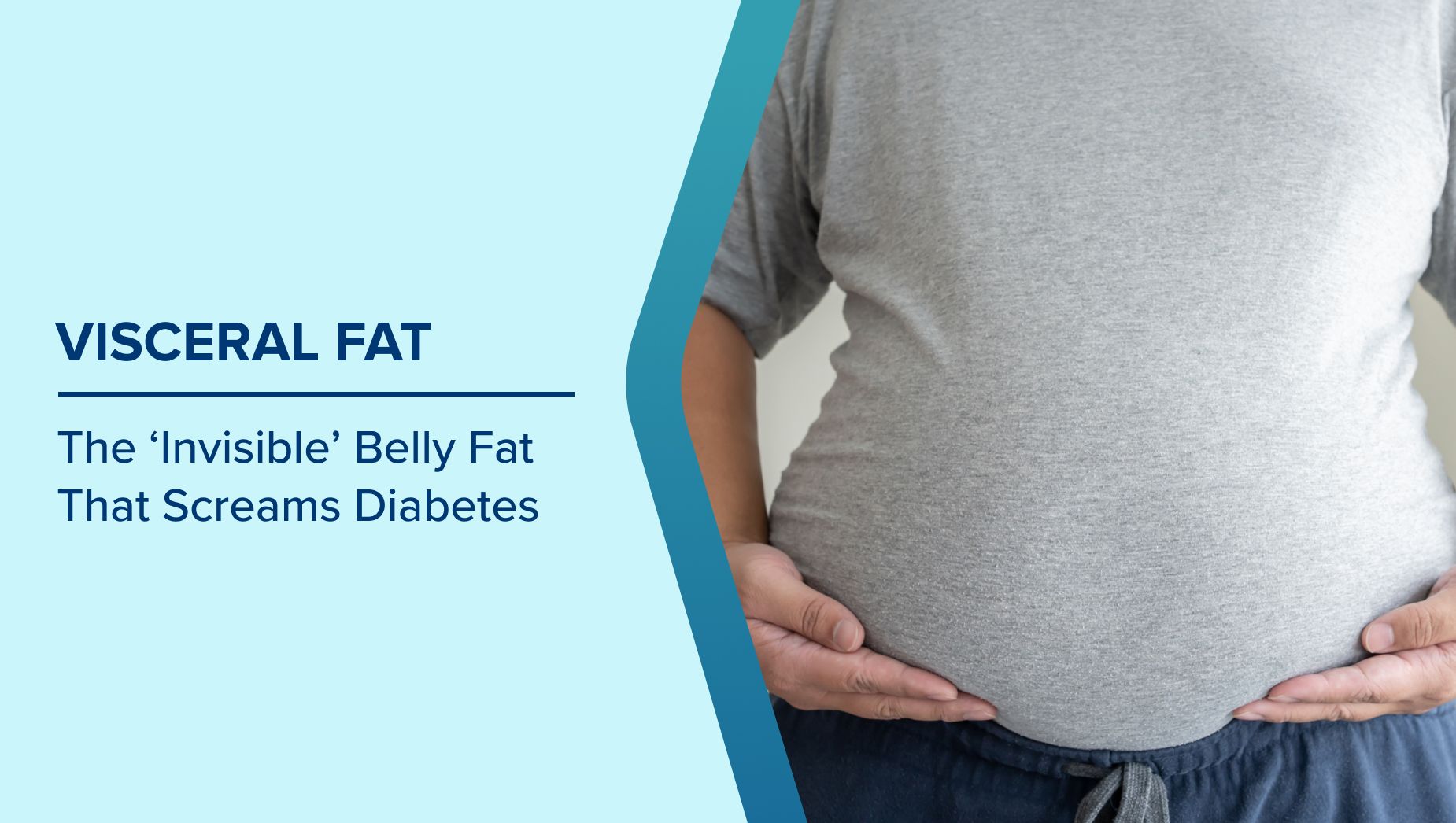
When you think of belly fat, what usually comes to mind is the soft layer of fat you can pinch near your waist. But beneath that lies something far more harmful and silent: visceral fat. This “invisible” fat doesn’t sit under your skin. It wraps itself around your internal organs like the liver, pancreas, and intestines. What makes it truly concerning is that you may not even realise it’s there until it begins to affect your health.
Unlike the fat you can see, visceral fat builds deep inside the abdomen, triggering chemical changes that disrupt how your body manages sugar and insulin. This is why health experts often call it the fat that “screams diabetes.” Understanding how visceral fat works, what causes it, and how to control it can be the key to preventing not only diabetes but also a range of metabolic problems.
Understanding Visceral Fat
Visceral fat, sometimes called hidden belly fat, gathers deep inside the abdomen and surrounds key organs such as the liver, stomach, and intestines. Unlike the fat beneath the skin that stores energy, visceral fat is metabolically active and releases hormones and inflammatory compounds into the bloodstream.
While everyone has some amount of visceral fat, too much of it can disrupt metabolic balance. Because it lies deep inside the abdomen, you may not see it or feel it, but your waistline and overall body composition can offer clues. A larger waist circumference, especially when the body looks more “apple-shaped,” often points to excess visceral fat.
Why Visceral Fat Is Dangerous
Visceral fat doesn’t just stay where it is; it constantly interacts with your body’s systems. It releases substances that can cause chronic inflammation and interfere with insulin, the hormone responsible for regulating blood sugar levels. Over time, this leads to insulin resistance, a condition in which the body becomes less responsive to insulin. This is the first step toward developing type 2 diabetes.
In addition, visceral fat is linked to several other health risks, including:
- High blood pressure
- Elevated cholesterol and triglycerides
- Heart disease
- Non-alcoholic fatty liver disease
- Certain hormonal imbalances
It also affects how the liver functions. Because the fat surrounds the liver, it can cause fatty deposits that interfere with normal metabolic activity, further raising the risk of insulin resistance.
The Hidden Link Between Visceral Fat and Type 2 Diabetes
The connection between visceral fat and diabetes is powerful but often underestimated. This type of fat releases fatty acids and inflammatory molecules that directly affect the pancreas, the organ that produces insulin. Over time, this extra pressure makes it difficult for the pancreas to keep blood sugar under control.
When your body becomes resistant to insulin, glucose remains in the bloodstream instead of being used for energy. As a result, blood sugar levels rise. If this continues unchecked, it eventually leads to type 2 diabetes. What makes this even more dangerous is that visceral fat can develop quietly, even in people who appear slim on the outside. This is why diabetes is sometimes called a “silent” disease; it develops gradually while the body’s internal chemistry shifts.
Read more: Decoding Hormonal Imbalance: Signs, Causes, Treatment and Prevention
Common Signs You Might Have Too Much Visceral Fat
Because visceral fat lies deep inside the body, you can’t measure it by simply pinching your waist. However, certain physical and lifestyle clues can help you identify whether you might be at risk:
- A waist circumference above 40 inches (for men) or 35 inches (for women).
- A body shape that is more round or apple-like.
- Fatigue or sluggishness after meals.
- Difficulty losing weight despite diet and exercise.
- Elevated blood sugar, blood pressure, or cholesterol.
- Increased cravings for sugar or processed foods.
Even if you maintain a normal body weight, you can still carry excess visceral fat, particularly if you lead a sedentary lifestyle or have poor sleep patterns. This is sometimes called TOFI: “thin outside, fat inside.”
Lifestyle Factors That Promote Visceral Fat Buildup
Several everyday habits can contribute to the accumulation of visceral fat, often without people realising it. These include:
Poor Diet Choices
Frequent consumption of processed foods, sugary drinks, and refined carbohydrates leads to spikes in blood sugar and insulin. This encourages the body to store fat in the abdominal area.
Sedentary Lifestyle
Lack of movement slows down metabolism. Long hours of sitting at a desk or watching television reduce the body’s ability to burn calories efficiently, leading to fat storage around internal organs.
High Stress Levels
Chronic stress triggers the release of cortisol, the body’s stress hormone. Elevated cortisol levels encourage fat storage in the abdomen and increase appetite, especially for sugary and fatty foods.
Poor Sleep
Inadequate or irregular sleep affects hunger-regulating hormones, increasing cravings and slowing metabolism. Over time, this imbalance promotes fat accumulation.
Alcohol Consumption
Regular intake of alcohol, particularly sugary cocktails or beer, contributes to abdominal fat and liver fat buildup.
Age and Hormonal Changes
As people age, muscle mass tends to decline and metabolism slows down. In women, menopause can also increase visceral fat due to hormonal shifts.
How to Reduce Visceral Fat and Protect Against Diabetes
Managing visceral fat requires a consistent, balanced approach. Unlike quick diets or detoxes, sustainable lifestyle changes are the most effective way to reverse visceral fat buildup and reduce diabetes risk.
Focus on Whole, Balanced Nutrition
Choose foods that support metabolic health and stable blood sugar. Prioritise:
- Fresh vegetables and fruits
- Lean protein sources like fish, poultry, or legumes
- Whole grains such as oats, quinoa, and brown rice
- Healthy fats from nuts, seeds, and olive oil
Reduce your intake of added sugars, refined carbs, and trans fats. Having smaller, balanced meals at regular intervals helps keep your energy levels stable and minimises the risk of overeating.
Stay Physically Active
Regular physical activity helps burn calories and improves insulin sensitivity. Combine:
- Aerobic exercise, such as brisk walking, cycling, or swimming
- Strength training to build muscle and increase metabolic rate
- Core exercises to improve posture and reduce abdominal fat over time
Even moderate daily movement, such as taking the stairs or walking after meals, makes a significant difference.
Manage Stress Effectively
Incorporate activities that reduce stress and lower cortisol levels. Deep breathing, meditation, yoga, or spending time outdoors can all help the body manage stress better.
Prioritise Sleep
Aim for at least 7 to 8 hours of quality sleep each night. Good sleep helps regulate hunger hormones like ghrelin and leptin and supports better metabolic balance.
Limit Alcohol
Cutting back on alcohol helps reduce liver fat and overall calorie intake. If you drink, keep it minimal and avoid high-sugar beverages.
Stay Hydrated
Drinking enough water aids digestion, supports metabolism, and reduces bloating. At times, the body may confuse thirst with hunger, leading to the consumption of food when water is actually needed.
The Role of Routine Health Checks
Even if you feel well, regular health check-ups are vital to detect any early signs of metabolic issues. Routine tests such as fasting blood sugar, HbA1c, cholesterol levels, and blood pressure provide valuable insights into how your body is managing fat and sugar. Measuring your waist circumference can also serve as a simple, at-home indicator of risk.
If you notice persistent fatigue, unexplained weight gain around the midsection, or frequent sugar cravings, it’s worth consulting your doctor for a more detailed assessment.
Emotional and Mental Health Impact
Visceral fat doesn’t just affect your body; it can influence your emotional well-being, too. Many people struggle with low self-esteem, frustration, or anxiety when they find it difficult to control their weight despite efforts. Chronic stress, emotional eating, and lack of sleep often form a cycle that worsens the problem.
Breaking this cycle involves self-compassion and a mindset shift. Instead of chasing perfection, focus on progress. Small, consistent changes in diet, exercise, and sleep can create lasting improvement in both physical and emotional health.
When to Seek Medical Advice
While lifestyle changes are powerful, some individuals may find it hard to manage visceral fat through self-care alone. Seek professional guidance if you:
- Experience persistent fatigue or excessive thirst
- Have a family history of diabetes or heart disease
- Notice a sudden increase in waist size without changes in diet
- Struggle with sleep disturbances or constant stress
- Have abnormal blood sugar or cholesterol levels
Your doctor may recommend specific tests or tailored lifestyle advice. Early intervention can prevent long-term complications.
Conclusion
Visceral fat is often called the “invisible” threat because you may not see it, yet it can silently increase your risk of diabetes and other chronic illnesses. The good news is that it can be managed and reduced through everyday choices. Eating wholesome foods, staying active, managing stress, and maintaining healthy sleep are simple yet powerful habits that protect your body from the inside out.
By paying attention to your waistline and your overall well-being, you can stay one step ahead of diabetes and take control of your health, starting today.
Frequently Asked Questions
How can I measure visceral fat at home?
While you can’t directly measure visceral fat without medical imaging, you can estimate your risk by checking your waist circumference. A measurement above 35 inches for women and 40 inches for men indicates a higher chance of excess visceral fat.
Can visceral fat return after I lose weight?
Yes, visceral fat can return if healthy habits aren’t maintained. Regular exercise, balanced meals, and adequate sleep are essential for keeping it off long-term.
Can thin people have visceral fat?
Absolutely. Even people who appear slim can have high levels of visceral fat, especially if they lead inactive lifestyles or consume high-sugar diets. This is often referred to as being “metabolically obese normal weight.”
Does menopause affect visceral fat levels?
Yes, hormonal changes during menopause can shift fat distribution, leading to more fat accumulation around the abdomen. Staying active and eating a well-balanced diet helps counteract this change.
What are the best exercises to reduce visceral fat?
A combination of aerobic exercises (such as walking or cycling) and strength training is most effective. Core-strengthening routines can also improve muscle tone and help reduce abdominal fat over time.
Written and Verified by:

Related Blogs

Dr. Vaishakhi Rustagi In Endocrinology & Diabetes , Paediatric (Ped) Endocrinology , Nutrition And Dietetics
Nov 08 , 2020 | 1 min read

Dr. Vaishakhi Rustagi In Endocrinology & Diabetes , Paediatric (Ped) Endocrinology
Nov 08 , 2020 | 2 min read
Blogs by Doctor

Frequently Asked Questions on Diabetes and Winter Weather
Dr. Saket Kant In Endocrinology & Diabetes
Nov 15 , 2022 | 1 min read

Air Pollution and Its Link to Diabetes
Dr. Saket Kant In Endocrinology & Diabetes
Nov 06 , 2023 | 5 min read
Most read Blogs


Related Blogs
Dr. Vaishakhi Rustagi In Endocrinology & Diabetes , Paediatric (Ped) Endocrinology , Nutrition And Dietetics
Nov 08 , 2020 | 1 min read
Dr. Vaishakhi Rustagi In Endocrinology & Diabetes , Paediatric (Ped) Endocrinology
Nov 08 , 2020 | 2 min read
Blogs by Doctor
Frequently Asked Questions on Diabetes and Winter Weather
Dr. Saket Kant In Endocrinology & Diabetes
Nov 15 , 2022 | 1 min read
Air Pollution and Its Link to Diabetes
Dr. Saket Kant In Endocrinology & Diabetes
Nov 06 , 2023 | 5 min read
Most read Blogs