 WhatsApp Us (24/7)
 +91 926 888 0303 (24/7)


To Book an Appointment
Call Us+91 926 888 0303Why Quitting Smoking Feels Hardest: Withdrawal Symptoms & Recovery
By Dr Praveen Kumar Garg in Surgical Oncology , Cancer Care / Oncology , Thoracic Oncology , Head & Neck Oncology
May 26 , 2026

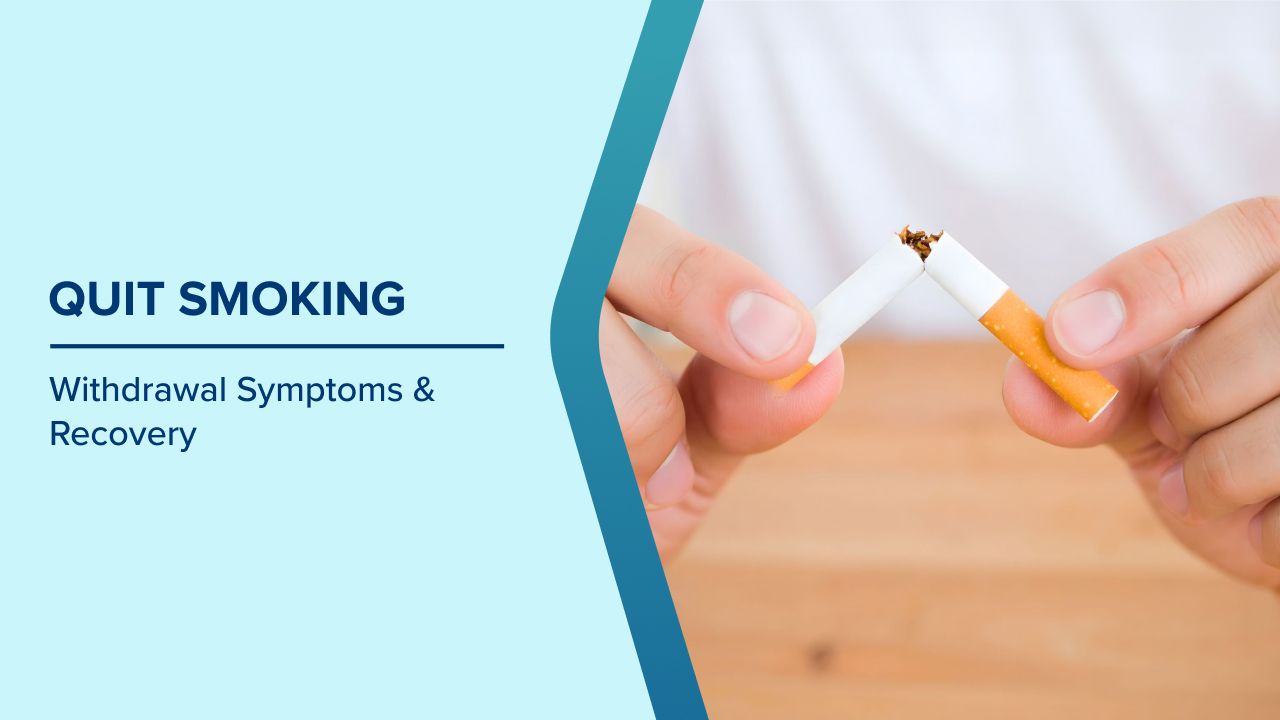
Quitting smoking is often described as one of the most challenging yet rewarding decisions a person can make for their health. While the long-term benefits are widely known, the initial phase of quitting can feel overwhelming. Many people who attempt to quit find that the first three days are the most difficult. This is not just a matter of willpower, it is a complex interplay of physical withdrawal, brain chemistry, and deeply ingrained habits.
Understanding what happens during these first 72 hours can make the process less intimidating and help you navigate it with greater confidence.
Why the First 72 Hours Matter
The first three days after quitting smoking mark a critical transition. This is when your body begins to adjust to the absence of nicotine, the substance responsible for addiction. During this time, withdrawal symptoms tend to peak, both physically and mentally.
This phase is not a sign that quitting is failing. Instead, it is evidence that your body is beginning to recover and recalibrate. Recognising this shift can help you stay committed, even when discomfort feels intense.
What Happens in Your Body During the First 72 Hours
Nicotine Levels Drop Rapidly
Nicotine leaves the bloodstream relatively quickly. Within hours of your last cigarette, its levels begin to fall significantly. By the end of the first day, most of the nicotine has been cleared from your body.
This sudden drop disrupts the balance your brain has become used to. Over time, smoking changes how the brain releases certain chemicals, especially those linked to pleasure and reward. When nicotine is no longer present, the brain needs time to adjust, which contributes to early withdrawal symptoms.
The Brain Reacts to the Absence
Nicotine stimulates the release of dopamine, a chemical associated with pleasure and satisfaction. When you stop smoking, dopamine levels temporarily decrease. This can lead to:
- Irritability
- Restlessness
- Low mood
- Difficulty concentrating
These feelings are not permanent. They are part of the brain's process of restoring its natural balance without relying on nicotine.
Physical Withdrawal Symptoms Begin
During the first 72 hours, your body starts reacting to the absence of nicotine. Common physical symptoms include:
- Headaches
- Increased appetite
- Fatigue or low energy
- Difficulty sleeping
- Mild dizziness
These symptoms can vary in intensity from person to person. While uncomfortable, they are temporary and usually begin to ease after this initial period.
Cravings Become Intense and Frequent
Cravings are one of the most challenging aspects of quitting, especially in the early phase. During the first few days, they tend to be:
- Stronger
- More frequent
- Triggered by routine activities
Cravings are not constant. They usually come in waves, often lasting only a few minutes at a time. Understanding this pattern can make them easier to manage.
Why It Feels So Difficult
Your Body Is Adjusting
The discomfort you feel is your body adapting to a new, healthier state. It is essentially recalibrating after being dependent on nicotine for a long time.
Habits and Routine Are Disrupted
Smoking is not just a physical addiction, it is also deeply tied to daily habits. Whether it is having a cigarette with tea, after meals, or during breaks, these routines become automatic over time.
When you quit, these familiar patterns are suddenly interrupted, creating a sense of emptiness or restlessness.
Emotional Dependence Plays a Role
Many people use smoking as a way to cope with stress, boredom, or emotional discomfort. Without it, these feelings may seem more noticeable in the first few days.
This does not mean you cannot manage them, it simply means you are learning new ways to respond.
Read More: Quit Smoking Today Before It's Too Late
How Withdrawal Symptoms Build Over the First 72 Hours
During the first 72 hours, withdrawal symptoms tend to build and peak. The first day often brings mild cravings and restlessness, followed by stronger urges and mood changes over the next 24–48 hours. By the third day, nicotine is largely cleared from the body, and while symptoms may feel most intense, this also marks a turning point in the body's adjustment.
How to Get Through the First 72 Hours
Focus on Short Time Frames
Instead of thinking about quitting forever, focus on getting through the next hour or the next craving. Breaking the process into little steps makes it more manageable.
Stay Hydrated
Drinking water helps your body adjust and can reduce the intensity of cravings. It also supports the body's natural detoxification processes.
Keep Your Hands and Mind Busy
Distraction can be a powerful tool. Simple activities such as walking, organising, or engaging in a hobby can shift your focus away from cravings.
Adjust Your Routine
If certain situations trigger the urge to smoke, try changing your routine temporarily. For example:
- Take a short walk after meals
- Replace smoking breaks with a different activity
- Avoid environments where smoking is common
Practise Simple Breathing Techniques
Deep breathing can help manage both cravings and irritability. It provides a sense of calm and can mimic the hand-to-mouth action associated with smoking.
Eat Mindfully
Increased appetite is common during this phase. Choosing balanced meals and healthy snacks can help maintain energy levels and prevent discomfort.
Read More: Nicotine-Free Smoking: Health Risks You Should Know
When Does It Start Getting Easier?
For most people, the intensity of withdrawal begins to decrease after the first 3 to 5 days. Cravings become less frequent, and mood stabilises gradually.
It is important to remember that improvement is not always linear. Some days may feel easier than others, but overall, the process moves towards recovery.
Conclusion
The first 72 hours of quitting smoking can feel physically and emotionally demanding, but they are a temporary phase of adjustment. The discomfort you experience is not a setback; it is a clear indication that your body is beginning to heal and regain balance.
By understanding what is happening inside your body and preparing for these early challenges, you can approach this phase with greater confidence. With each passing day, the intensity reduces, and the benefits of quitting become more noticeable.
Frequently Asked Questions
1. Why do cravings come in waves instead of staying constant?
Cravings are often linked to triggers such as habits, emotions, or routines. When these triggers appear, the urge increases temporarily, then fades once the moment passes.
2. Can drinking water really help reduce cravings?
Yes, staying hydrated can help ease withdrawal symptoms and reduce the intensity of cravings by keeping your body balanced.
3. Is it normal to feel more hungry after quitting smoking?
Yes, nicotine suppresses appetite. When you quit, your natural hunger signals return, which may make you feel hungrier than usual.
4. Do withdrawal symptoms affect everyone the same way?
No, the intensity and type of symptoms vary depending on factors such as how long you smoked and how much you smoked daily.
5. What should I do if I feel like giving up during the first few days?
Pause and focus on the moment. Remind yourself why you decided to quit and use simple distractions or breathing techniques to get through the urge.
6. Does the difficulty of the first 72 hours mean quitting will always feel hard?
No, this phase is temporary. Once your body adjusts, the process becomes more manageable, and cravings gradually reduce over time.
Written and Verified by:

Related Blogs

Dr. S. VEDA PADMA PRIYA In Surgical Oncology , Cancer Care / Oncology
May 16 , 2016 | 2 min read

Dr. Kanika Batra Modi In Surgical Oncology , Cancer Care / Oncology
May 26 , 2016 | 4 min read
Blogs by Doctor
Most read Blogs


Related Blogs
Dr. S. VEDA PADMA PRIYA In Surgical Oncology , Cancer Care / Oncology
May 16 , 2016 | 2 min read
Dr. Kanika Batra Modi In Surgical Oncology , Cancer Care / Oncology
May 26 , 2016 | 4 min read
Blogs by Doctor
Most read Blogs